Procurement teams and plant engineers in chemical processing, water treatment, and heavy manufacturing often face a recurring dilemma: how to balance the upfront capital expenditure (CAPEX) of fluid handling equipment against long-term operational expenditures (OPEX). When handling highly corrosive media—such as sulfuric acid, sodium hydroxide, or hazardous halogens—selecting the lowest-bidder pump frequently results in catastrophic mechanical seal failures, degraded volutes, and prolonged, expensive production halts. Understanding the comprehensive OPEX is critical for plant managers who are held accountable for Overall Equipment Effectiveness (OEE) and maintenance budgets.
This highly detailed technical analysis dissects the PP Pumps total cost of ownership ROI for chemical transfer. By moving beyond the initial purchase price, we will examine the engineering fundamentals that drive lifecycle costs: material selection, shaft sleeve metallurgy, sealing arrangements, power consumption, and downtime risk exposure. For multinational engineering firms and procurement heads—whether upgrading a pickling line in Europe or conducting an industrial PP pumps cost analysis in India—the metrics and justification frameworks remain fundamentally identical. This guide provides the quantitative structure needed to evaluate suppliers, calculate payback periods, and confidently specify the correct pump architecture for continuous, severe-duty environments.
1. Product Overview and Cost Context
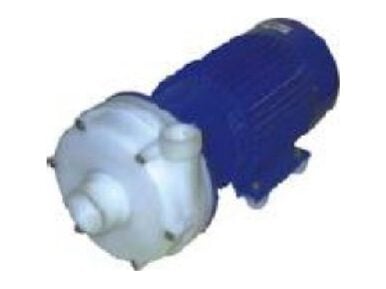
The PP Pumps we manufacture are engineered to adhere rigorously to PIN 24256 and ISO 5199 standards. These standards dictate strict tolerances for shaft deflection, bearing life, and vibration thresholds, ensuring that the pump operates reliably under continuous service in harsh industrial environments. Unlike standard water pumps, a chemical centrifugal pump must contend with severe chemical attacks, thermal expansion differentials, and potential crystallization of the pumped media.
A heavy-duty PP Pumps unit is characterized by its heavily reinforced, profoundly split, one-piece volute casing. This design prevents the geometric distortion that commonly plagues inferior plastics when subjected to piping strain or thermal fluctuations. To further combat mechanical stress, the pump casing is fortified with an external metal ring, providing critical structural stability and pressure containment. The internals feature a semi-open impeller that is both dynamically and hydraulically balanced, engineered with aerodynamic vane profiles to optimize fluid flow, reduce Net Positive Suction Head required (NPSHr), and maximize volumetric efficiency.
From a materials standpoint, operators can specify casings and impellers in Polypropylene (PP), Glass-Reinforced Plastic (GRP), Ultra-High Molecular Weight Polyethylene (UHMWPE), or Polyvinylidene Fluoride (PVDF). This versatility allows the pump to be precisely matched to the chemical concentration and temperature profile of the application, up to a maximum operating limit of 120 degrees Celsius. Because the shaft is a critical failure point in any chemical pump, our PP Pumps utilize heavy-duty SS or EN9 shafts protected by easily replaceable sleeves available in GRP, Ceramic, Alloy-20, or Hastelloy B/C. By isolating the metallic shaft from the aggressive fluid, the pump achieves exceptional longevity.
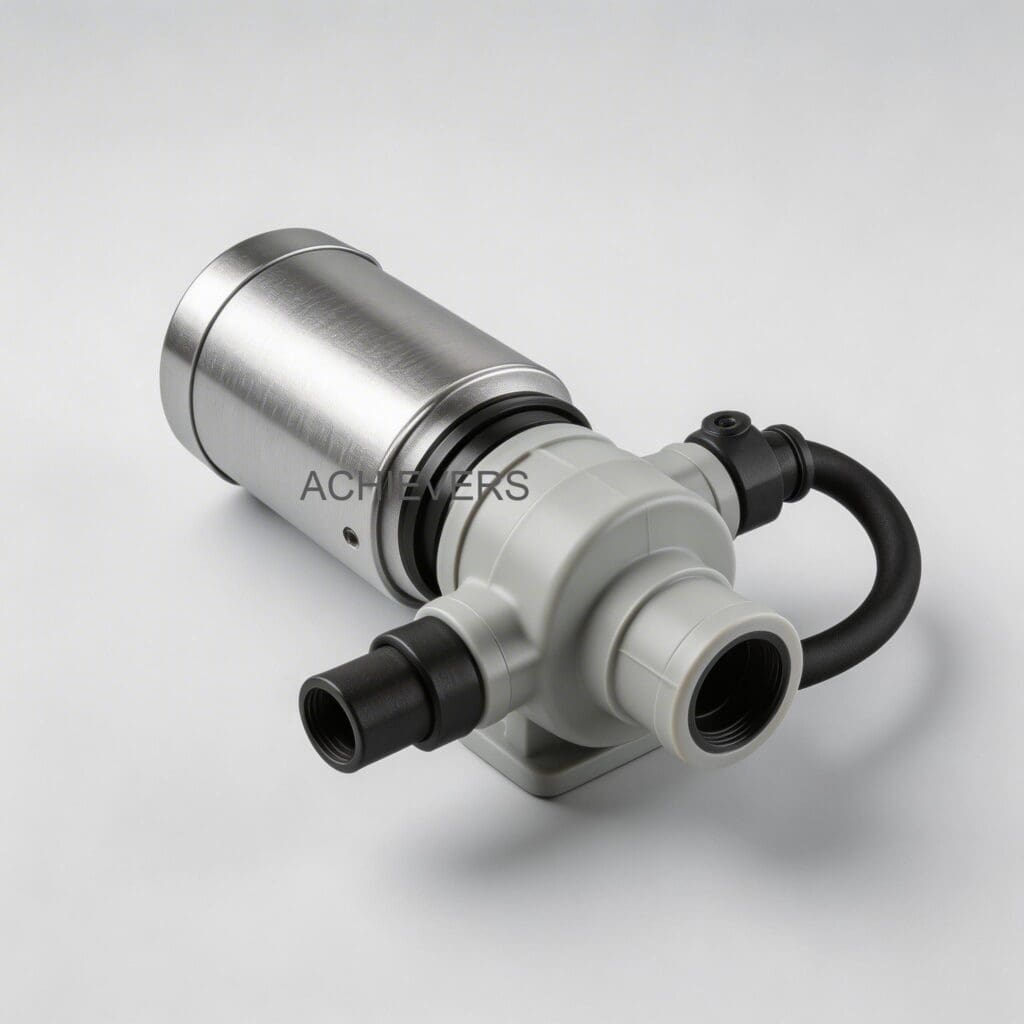
When integrating these pumps into complex dosing or mixing applications, accuracy and reliability translate directly into financial savings. A pump that continuously leaks acidic vapors through an inferior packing seal not only causes environmental and safety hazards but also destroys nearby instrumentation and structural steel. Integrating a high-quality polymer pump with a reliable Liquid Batching System ensures precise chemical transfer, reducing raw material waste and eliminating the variable costs associated with manual handling and frequent equipment replacement.
2. Total Cost of Ownership Breakdown
Evaluating the true cost of industrial fluid transfer requires a robust lifecycle framework. The purchase price of a centrifugal polymer pump typically represents less than 15% of its total cost over a 10-year lifespan. The remaining 85% is consumed by energy, routine maintenance, spare parts (especially mechanical seals and bearings), and the immense financial penalty of unplanned downtime.
To build an accurate PP pump supplier for manufacturers TCO comparison, engineers must evaluate the variables outlined in the table below. The costs are represented in USD to provide a standardized global baseline for medium-capacity (e.g., 50 cubic meters per hour) chemical transfer applications over a theoretical 5-year evaluation window.
| Cost Component | Typical Range (USD) | Frequency | Notes |
| — | — | — | — |
| Upfront Capital Expenditure (CAPEX) | $1,500 – $4,500 | Once (Initial) | Includes base pump, motor, baseplate, and coupling. Varies by MOC (PP vs PVDF) and motor efficiency class (IE3/IE4). |
| Installation & Commissioning | $500 – $1,200 | Once (Initial) | Includes laser alignment of shafts, piping adaptation, and electrical integration. Proper alignment is critical to seal life. |
| Annual Energy Consumption | $2,000 – $6,000 | Annual | Based on 0.10 to 0.15 USD/kWh, continuous 24/7 operation. Aerodynamic impeller profiles significantly reduce this burden. |
| Consumables (Lubricants & Packing) | $100 – $300 | Annual | For organ packing configurations or double bearing bracket lubrication (C.I. GRFG-26 bracket). |
| Mechanical Seal Replacement | $400 – $1,500 | Every 18-36 Months | Cost depends on PTFE bellows, Silicon Carbide vs Ceramic faces, and whether internally or externally mounted. |
| Shaft Sleeve & Wear Ring Spares | $200 – $800 | Every 3-5 Years | Ceramic or Hastelloy B/C sleeves wear slower but cost more upfront than standard GRP sleeves. |
| Unplanned Downtime Exposure | $5,000 – $50,000+ | Per Failure Event | Lost production value during a catastrophic seal blowout or shaft failure. Often the largest hidden cost in chemical plants. |
| End-of-Life Replacement | $1,200 – $3,500 | Every 7-10 Years | High-quality ISO 5199 pumps offer extended MTBF (Mean Time Between Failures), delaying this capital outlay. |
3. ROI Calculation: Real-World Global Example
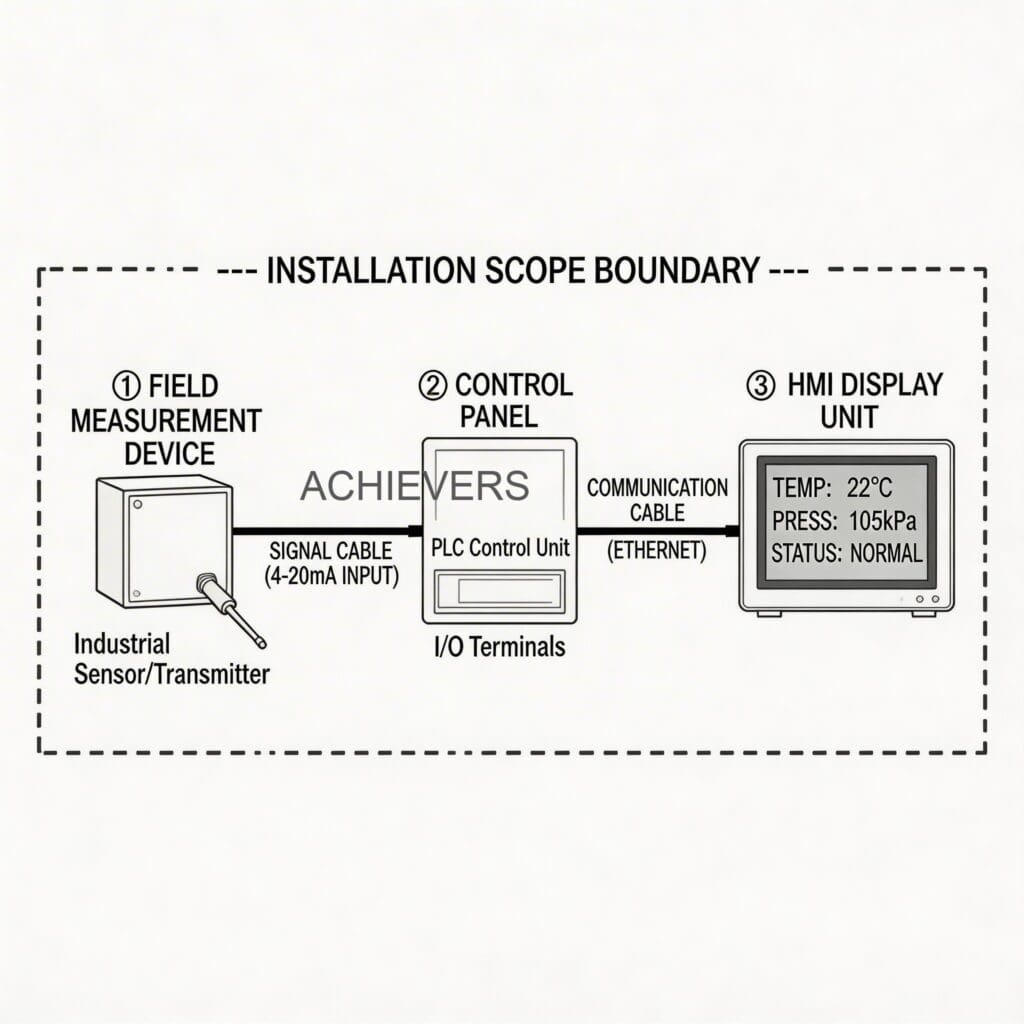
To understand how to buy PP Pumps ROI calculator maintenance and downtime savings can be practically applied, consider a continuous-duty steel rolling mill utilizing a hydrochloric acid (HCl) pickling line. The plant previously utilized a lined cast iron pump that suffered from frequent lining delamination, causing rapid acid attack on the casing and resulting in a catastrophic failure every 14 months.
By upgrading to a solid UHMWPE/PP centrifugal pump with an externally mounted PTFE bellows mechanical seal and a Hastelloy C shaft sleeve, the plant can calculate its return on investment through the following rigorous 8-step framework:
- Establish the Baseline Costs: Quantify the historical operating costs of the legacy pump. The lined metal pump cost $2,500 upfront. It required two seal replacements per year ($800 each) and consumed 15 kW of power continuously. It also caused 12 hours of unplanned downtime annually due to acid leaks.
- Quantify the Downtime Penalty: Calculate the exact cost of lost production. If the pickling line generates $2,000 of value per hour, 12 hours of downtime equals $24,000 in lost revenue annually, alongside $1,500 in emergency labor and environmental cleanup costs. Legacy annual OPEX (excluding energy) = $27,100.
- Determine the Proposed Solution Cost: The new ISO 5199 compliant solid polymer pump, optimized for 120 degrees Celsius continuous service with a premium IE3 motor, requires an initial capital investment (CAPEX) of $3,800.
- Calculate Energy Efficiency Differentials: The legacy pump operated at 45% hydraulic efficiency. The dynamically balanced, aerodynamically vaned semi-open impeller of the new pump operates at 62% efficiency, dropping power draw from 15 kW to 11 kW. Assuming 8,000 operating hours per year at $0.12/kWh, the energy savings are: (15 – 11) * 8000 * 0.12 = $3,840 saved annually.
- Project the Maintenance Reduction: The external mechanical seal and Hastelloy C sleeve extend the Mean Time Between Failures (MTBF). Seal replacement drops from twice a year to once every three years. Annualized maintenance costs drop from $1,600 to approximately $400.
- Re-evaluate the Downtime Risk: The robust, heavily split, one-piece volute casing and rigid C.I. GRFG-26 bearing bracket eliminate pipe-strain-induced seal failures. Unplanned downtime drops from 12 hours to 1 hour annually. New downtime cost: 1 hour * $2,000 + $0 cleanup = $2,000.
- Calculate Total Annual Financial Benefit: Summing the operational improvements yields the Total Annual Savings. Energy Savings ($3,840) + Maintenance Savings ($1,200) + Downtime Prevention ($23,500) = $28,540 in total annual OPEX reduction.
- Determine the Simple Payback Period: Divide the upfront CAPEX of the new pump by the total annual savings to find the breakeven point. $3,800 / $28,540 = 0.133 years. Multiply by 12 months = 1.6 months. The pump pays for itself entirely in less than eight weeks of operation.
4. Cost Comparison: Available Approaches
When engineering a chemical transfer system for effluents, electroplating fluids, or corrosive gas scrubbing (such as NH3, SO2, or Cl2), plant engineers must evaluate multiple pump construction materials. Selecting the wrong material leads to rapid catastrophic failure, while over-specifying leads to wasted capital.
The following table contrasts the most common approaches utilized in the global process industries today:
| Pump Material Approach | Upfront Cost | Annual Maintenance Cost | Accuracy & Efficiency | Reliability (MTBF) | Best Suited For |
| — | — | — | — | — | — |
| Solid Polymer (PP/PVDF/UHMWPE) | Moderate | Low | High (Optimized hydraulics) | Exceptional | Acid transfer, ETP, continuous electroplating, wet scrubbers. |
| Lined Cast Iron / Ductile Iron | High | High | Medium (Thick linings distort flow) | Poor (Vulnerable to lining delamination) | High-pressure applications where exterior mechanical strength is mandated by API standards. |
| High-Alloy Metallic (Hastelloy/Titanium) | Extremely High | Moderate | High | Excellent | Extremely high temperatures (>150°C) combined with high pressures and corrosive media. |
| Injection-Molded PVC / ABS | Very Low | Very High | Low (Prone to flexing/cavitation) | Very Poor | Intermittent, light-duty water transfer; not suitable for industrial hazardous chemicals. |
For engineers dealing with localized, high-purity chemical transfers or caustic environments, the solid polymer approach offers the optimal balance. If the fluid contains abrasive metallic fines alongside the chemical (common in steel rolling mills), upgrading from PP to UHMWPE provides unparalleled abrasion resistance without the extreme cost penalty of Titanium or Hastelloy. Furthermore, facilities that also utilize SS Pumps for high-temperature solvents can easily standardize their site maintenance protocols, as many of the baseplate and coupling alignment procedures remain uniform across the plant.
5. Hidden Costs to Budget For
Procurement teams analyzing the PP pump lifecycle cost sealing spares energy consumption must look beyond the manufacturer's initial quotation. Many hidden operational and infrastructural costs are triggered when integrating a new chemical transfer system. Overlooking these factors can destroy the calculated ROI and lead to severe budgetary overruns during the commissioning phase.
- Intricate Sealing and Flushing Upgrades: A standard internally mounted mechanical seal relies on the pumped fluid for lubrication and cooling. If the fluid is a crystalizing acid or a heavily contaminated effluent, the seal faces will score and shatter. Upgrading to a remotely mounted (external) mechanical seal, or implementing an API seal flush plan (such as Plan 32 or Plan 54) using a clean buffer fluid, requires additional piping, flow meters, and continuous clean water/oil supply, adding distinct operational costs.
- Piping and Baseplate Adaptations: Replacing an outdated pump with a modern ISO 5199 compliant model often involves dimensional discrepancies. The discharge and suction flanges may be at different elevations or require different bolt-hole patterns (e.g., DIN vs. ANSI flanges). Plant engineers must budget for pipefitters to fabricate transition spools, reinforced PTFE expansion joints, and potential modifications to the concrete plinth to ensure perfect, strain-free laser alignment.
- Power Quality and VFD Integration: To maximize energy savings, modern pumps are frequently paired with Variable Frequency Drives (VFDs) to control flow dynamically, rather than relying on wasteful throttling valves. However, integrating VFDs requires shielded cabling, harmonic filters, and potentially upgrading the motor to an inverter-duty class to withstand voltage spikes, adding thousands of dollars to the installation cost.
- Specialized Metallurgy for Shaft Sleeves: The shaft is the mechanical heart of the pump. While the SS/EN9 shaft is robust, the sleeve that protects it from the fluid must be carefully chosen. A standard GRP sleeve may be cheap, but if handling aggressive bromines or fluorines (F2, Br2), the plant must budget for premium Alloy-20, Ceramic, or Hastelloy B/C sleeves. The procurement lag and import costs for these exotic alloys can be significant if not stocked locally.
- Regulatory Compliance and Certification Costs: If the pump is operating in a hazardous, potentially explosive atmosphere (such as transferring solvents alongside acids), the entire assembly must meet ATEX or UL hazardous location standards. This requires explosion-proof motors, anti-static belts (if belt-driven), conductive polymer formulations, and certified third-party inspections, which drastically increase the project scope and cost.
- Maintenance Training and AMC Dependency: Solid polymer pumps require different handling techniques than their metallic counterparts. Mechanics cannot use excessive torque on plastic flanges without risking micro-fractures. If the in-house maintenance team lacks experience with precision polymer equipment, the plant must either invest heavily in specialized training programs or rely on Annual Maintenance Contracts (AMCs) from the manufacturer to handle routine strip-downs and bearing replacements.
6. How to Justify the Purchase to Management
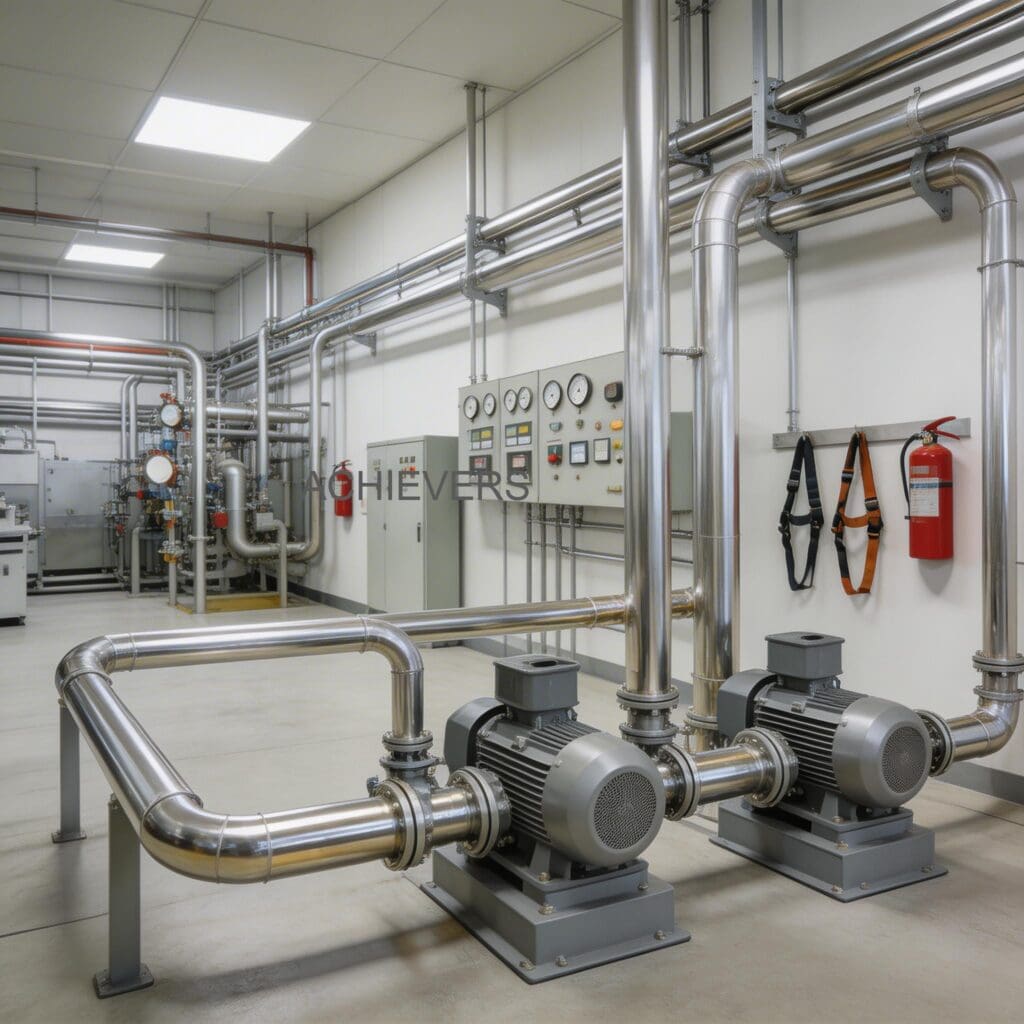
Securing capital approval for premium industrial equipment requires framing the procurement not as an expenditure, but as a risk mitigation and yield improvement strategy. When presenting a business case to the Chief Financial Officer (CFO) or Plant Director, engineers must translate technical specifications (like self-venting casings and double ball bearings) into financial metrics.
Follow these systematic steps to build a compelling justification for upgrading your fluid transfer infrastructure:
- Establish the Current State Baseline: Document the exact failure rates, parts consumed, and labor hours spent on the existing pump over the past 24 months. Use the plant's CMMS (Computerized Maintenance Management System) data to pull hard numbers.
- Quantify the Yield and Quality Losses: In processes like electroplating or metal finishing, inconsistent chemical circulation due to degrading pump impellers leads to rejected batches of product. Calculate the financial cost of scrapped materials resulting from poor flow control.
- Detail the Environmental and Safety Risks: Corrosive gas leaks (NH3, SO2, Cl2) or caustic liquid spills from failing organ packing seals expose the company to severe regulatory fines and worker injury liabilities. Frame the new pump’s advanced mechanical sealing as an essential HSE (Health, Safety, and Environment) compliance measure.
- Present the OPEX Reduction vs. CAPEX Delta: Do not present the total cost of the new pump in isolation. Present the difference in upfront cost against the immediate operational savings. If the premium pump costs $1,500 more upfront but saves $4,000 annually in energy and seal replacements, focus the conversation on the $2,500 net positive cash flow generated in year one.
- Commit to Long-Term Standardization: Argue that standardizing the plant on high-quality, ISO 5199 centrifugal pumps reduces the necessary spare parts inventory. Using identical bearing brackets (C.I. GRFG-26) and seal sizes across multiple pumps reduces working capital tied up in the warehouse.
FAQ
Q: What is the maximum temperature limit for these centrifugal polymer pumps?
A: The maximum operating temperature is 120°C (248°F), depending on the specific material of construction. PVDF and PTFE-lined components can handle higher thermal loads, whereas standard Polypropylene (PP) is generally restricted to approximately 80°C to 90°C to prevent structural deformation.
Q: Can these pumps handle fluids with suspended solids or slurries?
A: Yes. The design features a semi-open impeller and a self-venting casing, which allows the pump to effectively handle fluids containing moderate amounts of suspended solids, precipitates, or crystalline structures without suffering from immediate clogging or vapor locking.
Q: What is the difference between an internally mounted and remotely mounted mechanical seal?
A: An internally mounted seal sits within the fluid path, relying on the pumped chemical for lubrication and cooling. A remotely mounted (external) seal keeps the intricate metallic springs and components outside the corrosive fluid chamber, utilizing PTFE bellows to seal the shaft, drastically extending seal life in highly aggressive media.
Q: Are these pumps suitable for dry running?
A: No standard centrifugal pump utilizing internal mechanical seals or organ packing should be run dry, as the friction will immediately generate immense heat, destroying the seal faces and potentially melting the polymer casing. Operators must utilize flow switches or power monitors to interlock the motor if dry running is detected.
Q: How does the external metal ring improve the pump's reliability?
A: Polymer casings, while chemically inert, lack the tensile strength of cast iron. The external metal ring provides crucial structural rigidity, ensuring that the heavy forces exerted by connected piping and thermal expansion do not distort the volute, thereby keeping the shaft perfectly aligned.
Q: What is the benefit of the profoundly split, one-piece volute packaging?
A: A one-piece volute eliminates multiple joint faces and O-ring seals within the casing structure. This drastically reduces the number of potential leak paths for highly penetrating, low-viscosity corrosive liquids and hazardous gases, ensuring a safer operational footprint.
Q: Why use a Hastelloy B/C shaft sleeve instead of a standard GRP sleeve?
A: While GRP (Glass-Reinforced Plastic) is cost-effective and chemically resistant, Hastelloy B/C offers superior mechanical hardness and thermal shock resistance. In applications with fluctuating temperatures or minor abrasive fines, the Hastelloy sleeve prevents scoring under the mechanical seal lip, preventing premature shaft leakage.
If your facility is ready to permanently resolve its fluid handling bottlenecks, reduce operational downtime, and stabilize your maintenance budgets, our engineering team is ready to assist. Contact us today with your specific media profile, flow rate requirements, operating temperatures, and site conditions, and we will provide a comprehensive technical evaluation and a precision-engineered centrifugal pumping solution.