
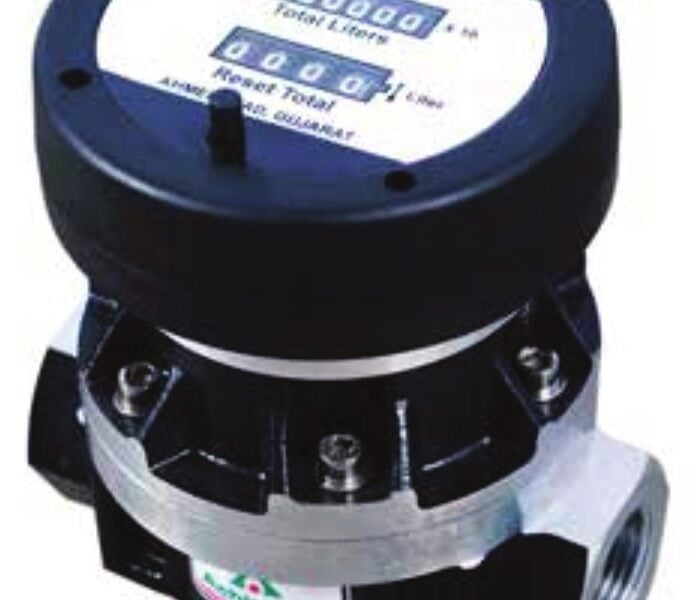
CE-118
CE-118 Oil Flow Meter
CE-118 oil flow meter with a flow range of 20-120lpm.
- Flow Range
- 20-120 lpm
- Accuracy
- +0.5 %
- Max Working Pressure
- 3.4 Mpa
Fuel monitoring
Pumps & nozzles
Batching
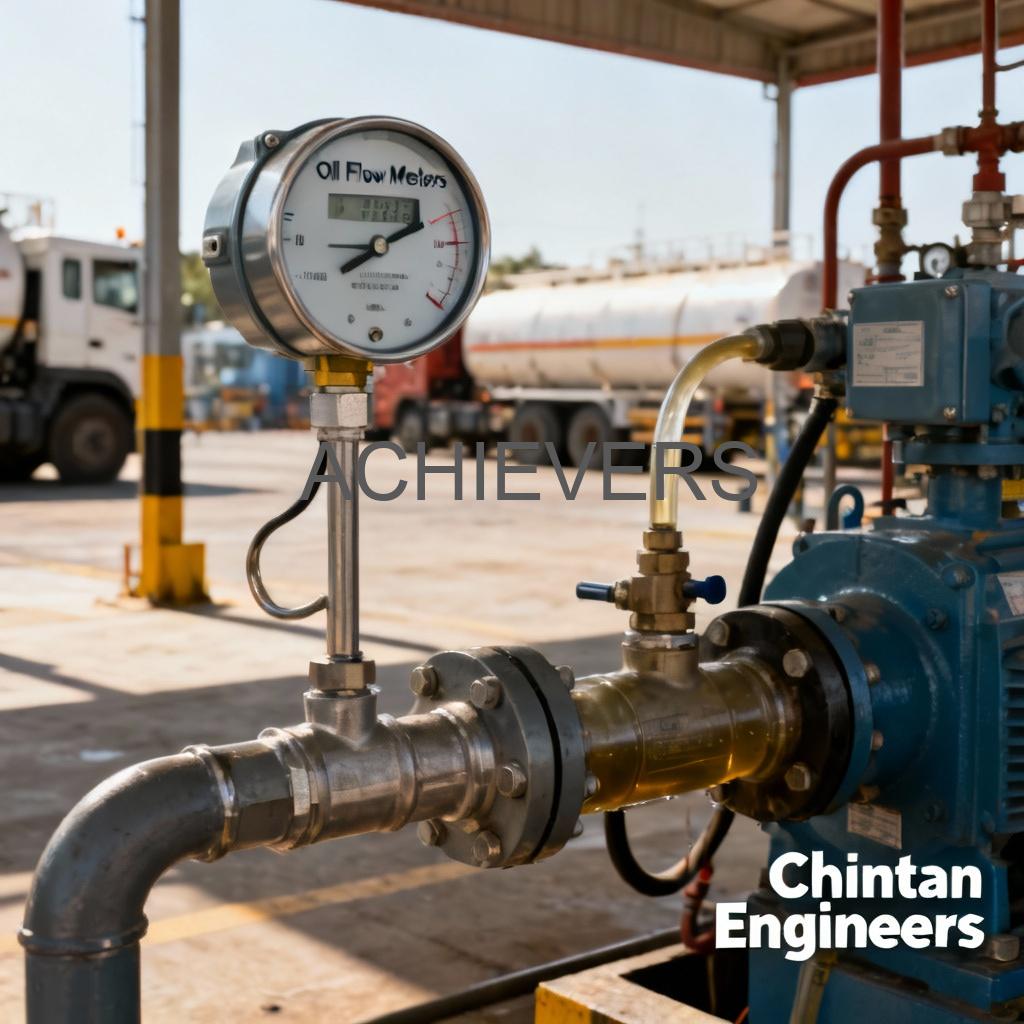
In the diverse and demanding landscape of Indian industry, the precise management of fluid resources—specifically fuels and lubricants—is no longer a luxury; it is an operational necessity. Whether you are managing a fleet of logistics vehicles in Maharashtra, overseeing a power generation plant in Gujarat, or manufacturing hydraulic OEMs in the south, the cost of fluid mismanagement is high. Inaccuracies in measurement lead to inventory losses, undetected leaks, and significant financial operational drag.
For plant managers and procurement engineers, the challenge lies not just in buying a meter, but in sourcing robust industrial flow measurement solutions that can withstand local environmental conditions while delivering repeatable accuracy. This article explores the technical nuances of selecting the correct metering technology for your specific needs, focusing on viscosity, pressure, and material compatibility.
At its core, the Oil Flow Meters offered by Chintan Engineers are engineered for the volumetric measurement of viscous fluids. Unlike turbine meters or paddle-wheel sensors that rely heavily on fluid velocity and low viscosity, these meters are typically designed using positive displacement (PD) principles, often utilizing oval gear or nutating disc technology. This design ensures that a specific volume of fluid is mechanically separated and counted with every rotation, providing high precision regardless of changes in viscosity or flow profile.
These meters are built to handle a broad spectrum of hydrocarbon-based fluids. They capture flow data for diesel, light diesel oil (LDO), hydraulic oil, gear oil, and engine lubricants. The construction is rugged, featuring robust housing materials capable of withstanding industrial pressures and the mechanical wear associated with continuous operation.
Key technical characteristics typically associated with these meters include:
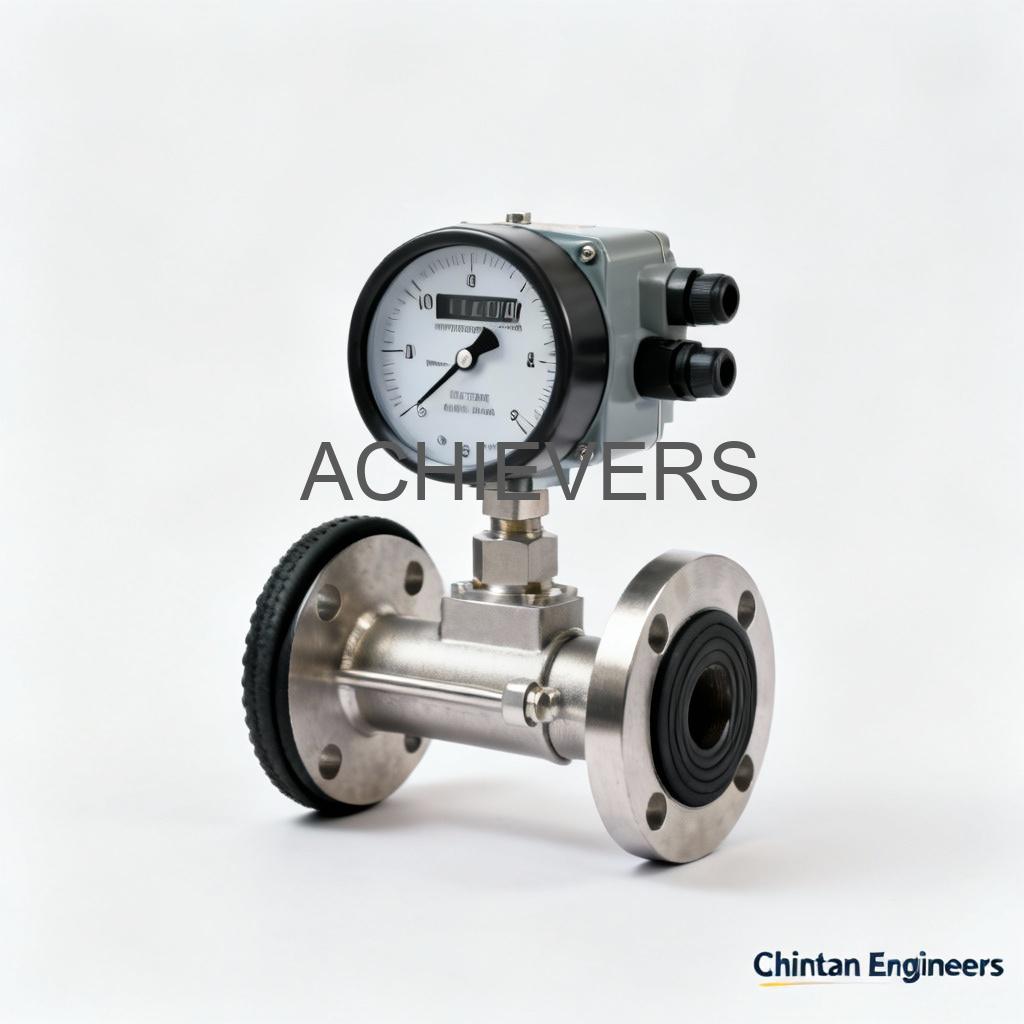
Selecting the right meter involves more than just matching pipe size. This section serves as a positive displacement oil flow meter selection guide for buyers navigating the complexities of fluid dynamics in industrial settings. Indian industries face unique challenges, including wide ambient temperature variations that alter fluid viscosity, and harsh operating environments involving dust and vibration.
The most critical factor when choosing a meter for oil is viscosity. Fluids like hydraulic oil or heavy gear oil change viscosity drastically with temperature. In the heat of an Indian summer, ISO 68 oil flows differently than it does in a mild winter.
A common error among procurement teams is sizing the meter based solely on the existing pipe diameter.
In hydraulic circuits and lubrication skids, pressure drop is a parasite. Every component adds resistance. High-viscosity fluids create higher pressure drops across the meter. When selecting a best oil flow meter for hydraulic oil, engineers must calculate the total pressure loss (Delta P) to ensure the pump has sufficient head to drive the fluid through the meter without cavitation or flow starvation.
When you contact oil flow meter manufacturers in India, you need to have a specific set of data points ready to ensure you receive a valid proposal. The configuration of Oil Flow Meters can vary significantly based on whether the application is a simple gravity-feed tank or a high-pressure injection line.
To determine how to choose an oil flow meter effectively, define the following before purchase:
The versatility of Oil Flow Meters makes them a staple across various sectors. Here are the primary use cases where these specific meters excel:
For logistics companies and construction sites, accounting for every liter of diesel is vital. An accurate oil flow meter for diesel is used during the unloading of tanker trucks into underground storage tanks, and subsequently at dispensing points for fleet vehicles. This prevents theft and validates supplier billing.
OEMs manufacturing hydraulic power packs use these meters to monitor case drain flow or main line flow. Changes in flow rate at a constant pressure can indicate pump wear or internal leakage in valves.
In steel and cement plants, large gearboxes require continuous lubrication. Flow meters ensure that critical bearings receive the exact amount of oil required. A drop in flow triggers an alarm, preventing catastrophic equipment failure.
For industries relying on backup DG sets, measuring fuel consumption versus power output (kWh) is a key efficiency metric. These meters are installed on the fuel feed and return lines (differential measurement) or the main feed line to track exact burn rates.
Even the highest quality Oil Flow Meters will fail if installed incorrectly. Long-term accuracy depends on proper installation and maintenance practices.
Positive displacement meters operate with very tight internal clearances between the gears and the housing.
Meters measure volume. If air pockets are present in the line (common during tank switching or pump cavitation), the meter will count the air as fluid. For high-accuracy transfer applications, an air eliminator should be installed upstream.
Over time, mechanical wear can cause slight drift in accuracy. Chintan Engineers recommends periodic calibration verification. While the "About Us" highlights the company's commitment to End-to-End Solutions, including AMC, site engineers should also perform "bucket tests" (dispensing into a certified volumetric measure) to verify field accuracy annually.
Most oval gear meters can be installed horizontally or vertically, but the rotor shafts must remain in a horizontal plane to prevent rotor weight from wearing against the thrust washers unevenly. Always consult the specific installation manual provided with the product.
Selecting the right flow measurement solution is a balance of engineering precision and practical application knowledge. Do not leave your fluid management to guesswork.
To configure the correct metering solution for your facility, contact the technical team at Chintan Engineers. Be prepared to share your fluid type, viscosity, flow rate range, and line pressure.
Secure your operations with precision engineering.
Contact Chintan Engineers today for a consultation or quote.
CE-118 oil flow meter with a flow range of 20-120lpm.
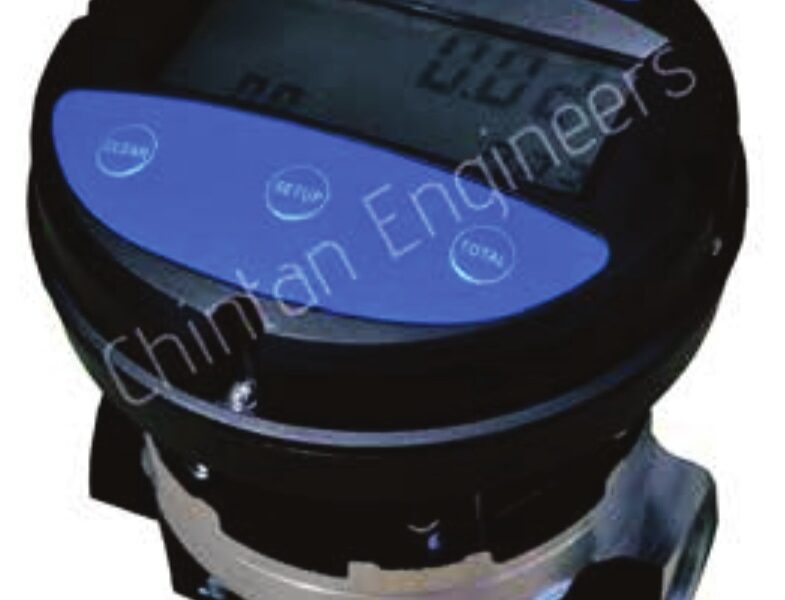
CE-119 oil flow meter with a flow range of 20-120lpm.
Tell us the fluid, flow range and site; we reply with a model and a quote within one working day.