
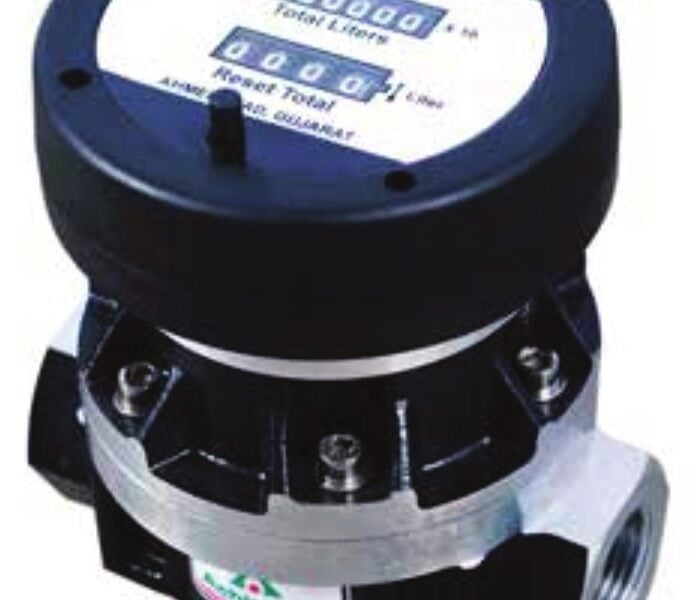
CE-118
CE-118 Oil Flow Meter
CE-118 oil flow meter with a flow range of 20-120lpm.
- Flow Range
- 20-120 lpm
- Accuracy
- +0.5 %
- Max Working Pressure
- 3.4 Mpa
Fuel monitoring
Pumps & nozzles
Batching
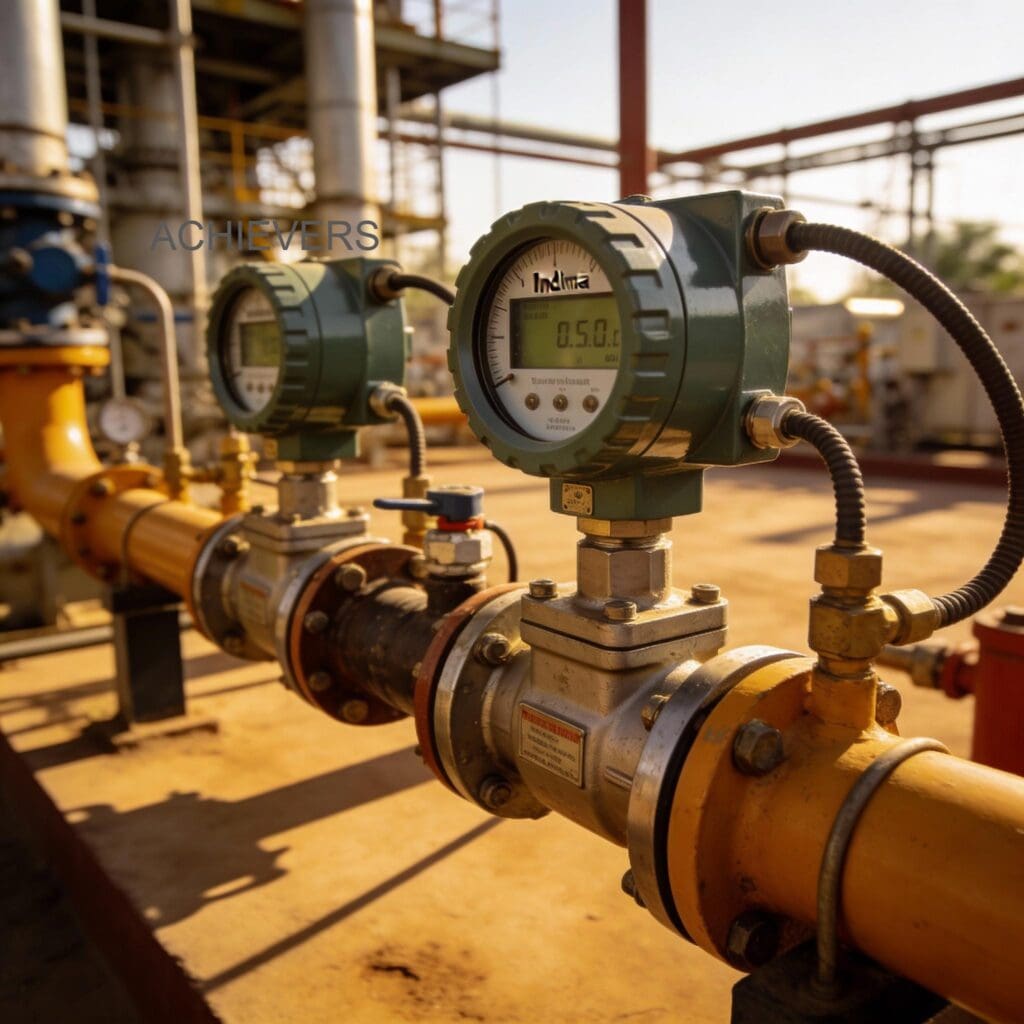
In the fast-paced industrial landscape of India, where operational efficiency directly correlates with profitability, the precision of fluid management systems is critical. For industries managing diesel, lubricants, and viscous oils, inventory losses due to measurement errors can compound rapidly. Whether in logistics, manufacturing, or energy generation, the ability to track every liter of fuel consumed or dispensed is not just a matter of compliance, but of cost control. This brings the focus squarely on accurate oil flow meters for industrial use.
However, simply purchasing a meter is not enough. The harsh operating conditions found in many Indian plants—ranging from temperature fluctuations to vibrations and dust—can affect instrument performance over time. To maintain the integrity of your data, understanding the mechanics of Oil Flow Meters is essential. As one of the leading oil flow meter manufacturers in India, Chintan Engineers understands that reliability is engineered, not accidental. This article delves into the technical strategies required to maximize the accuracy and lifespan of your flow measurement assets.
At its core, the industrial oil flow measurement solution provided by Chintan Engineers is designed to handle the specific challenges of viscous hydrocarbons. Unlike standard water meters, which may rely on turbine or impeller technologies that struggle with viscosity changes, high-quality Oil Flow Meters typically utilize Positive Displacement (PD) or Oval Gear technology.
These meters function by dividing the fluid into fixed, metered volumes. As the oil flows through the chamber, it rotates internal gears or rotors. Each rotation corresponds to a precise volume of liquid, which is then registered by a mechanical counter or a digital display.
Key Technical Attributes:
The distinct advantage of these meters lies in their repeatability. In an industrial setting, repeatability—the ability to provide the same reading for the same volume under the same conditions multiple times—is often more critical than absolute accuracy, although Chintan Engineers prioritizes both.
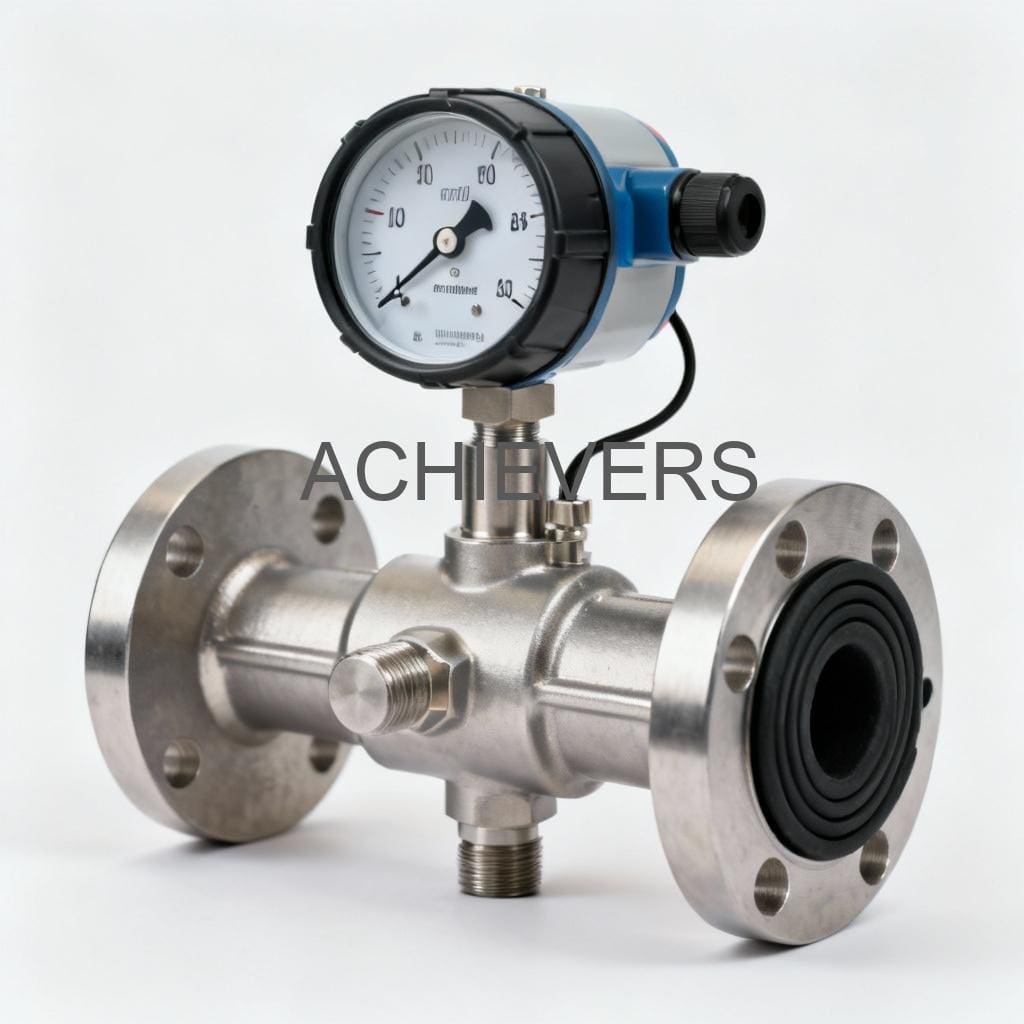
This blog explores key strategies to enhance the accuracy, performance, and durability of oil flow meters in Indian industrial environments. It will guide buyers, engineers, and maintenance teams on calibration best practices, site-specific configuration choices, and ways to reduce drift and downtime.
Once you have installed Oil Flow Meters, the goal shifts to maintaining their performance. Even the most robust meter can drift if not properly managed. Here is a technical breakdown of how to ensure your data remains reliable.
The number one enemy of positive displacement and oval gear meters is particulate contamination. In many industrial sites, fuel and oil storage tanks accumulate sediment, rust, or sludge. If these particles enter the measuring chamber, they can jam the gears or cause abrasive wear on the measuring element (rotors/gears).
Oil flow meters measure volume. If air pockets or vapor pass through the meter, the device will register them as liquid. This is common during tank refilling or when a pump sucks air due to low tank levels. This results in "phantom flow," where the meter spins, charges the user, but delivers only air.
Over time, mechanical wear leads to "slippage," where fluid bypasses the gears without being measured, or increased friction causes under-reading. This is why an oil flow meter calibration guide is essential for plant managers.
In India, ambient temperatures can vary drastically between seasons. Oil viscosity drops as temperature rises. In positive displacement meters, lower viscosity can increase slippage (fluid passing through the clearances of the gears).
Choosing oil flow meters for manufacturing plants requires more than just matching pipe sizes. A 2-inch pipe does not automatically require a 2-inch meter; the selection must be based on flow rate and fluid properties.
When configuring your system or sending an enquiry, consider the following technical parameters to ensure you receive the correct specification:
To get the best response from oil flow meter manufacturers in India, provide these details:
The versatility of Oil Flow Meters makes them indispensable across various sectors. Because they are designed for reliability, they are the backbone of reliable oil flow meters for Indian industries.
Common Use Cases:
Even the best hardware requires correct installation to perform. At Chintan Engineers, we emphasize that the "End-to-End Solution" includes proper commissioning.
Installation Rules:
The Service Advantage:
One of the primary reasons to source from local experts is the availability of spares and calibration services. Importing parts for foreign meters can lead to weeks of downtime. Chintan Engineers supports clients with genuine components and technical expertise, ensuring that if a breakdown occurs, your operation is back online quickly. We stand by our promise of accurate calibration, verified and certified for consistency.
Improving the accuracy and reliability of your flow measurement isn't just about the hardware; it's about the holistic approach to installation, filtration, and maintenance. By selecting the right Oil Flow Meters for your specific flow rates and viscosities, and adhering to strict calibration schedules, you safeguard your operational efficiency.
Ready to configure the right metering solution for your plant?
To ensure you get a system that performs under your specific site conditions, contact Chintan Engineers today. Please have the following details ready for our engineering team:
Let us help you drive precision and reliability in your industrial operations.
CE-118 oil flow meter with a flow range of 20-120lpm.
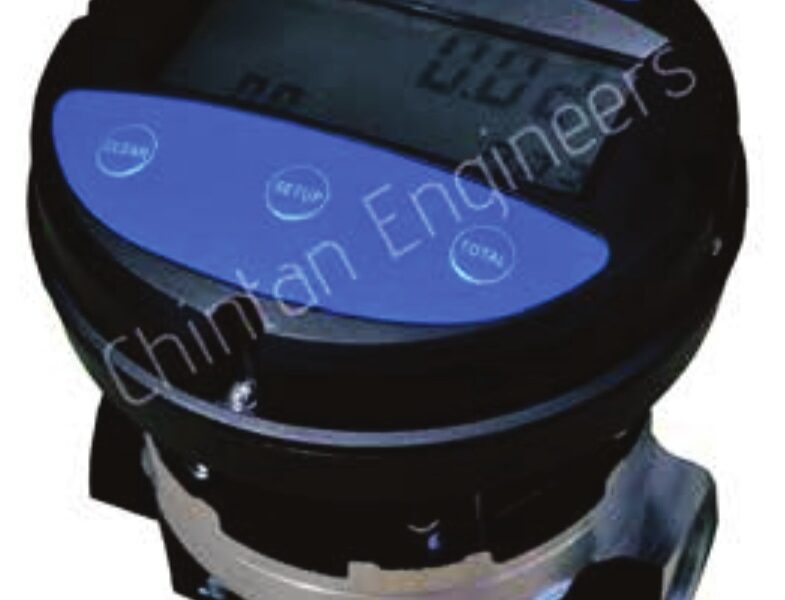
CE-119 oil flow meter with a flow range of 20-120lpm.
Tell us the fluid, flow range and site; we reply with a model and a quote within one working day.