
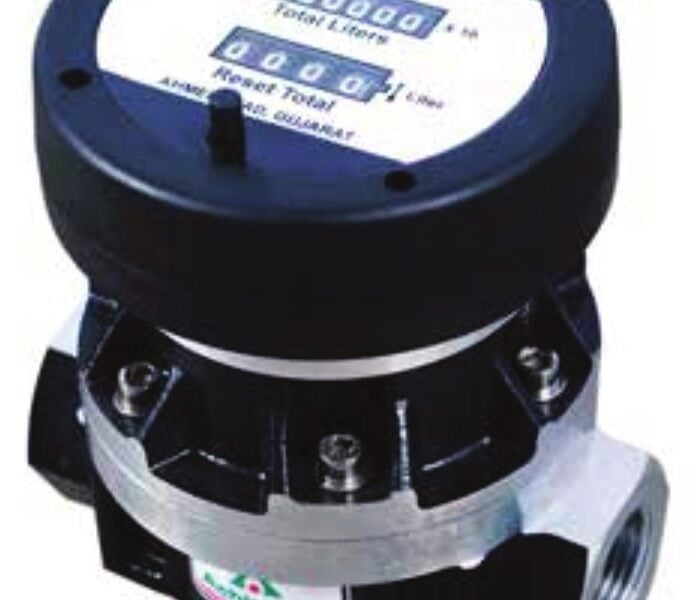
CE-118
CE-118 Oil Flow Meter
CE-118 oil flow meter with a flow range of 20-120lpm.
- Flow Range
- 20-120 lpm
- Accuracy
- +0.5 %
- Max Working Pressure
- 3.4 Mpa
Fuel monitoring
Pumps & nozzles
Batching
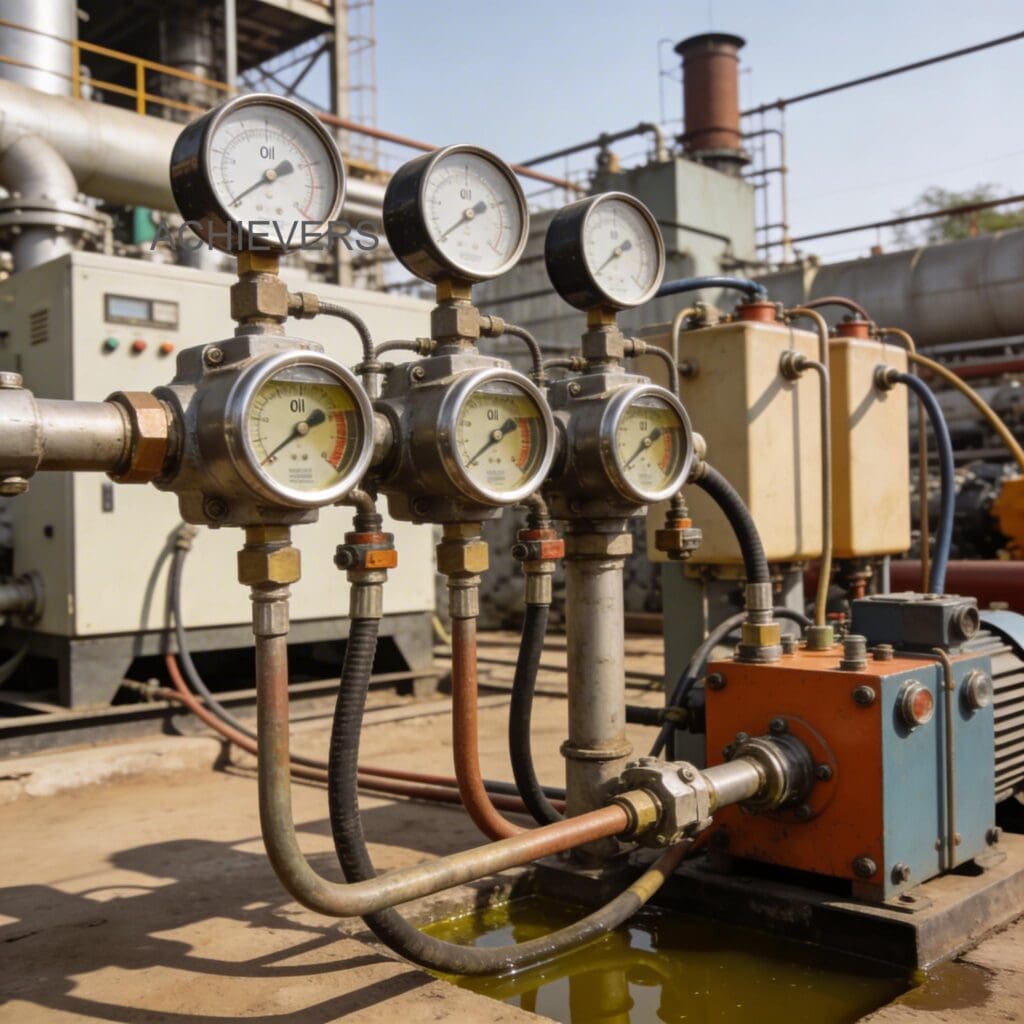
In the high-stakes environment of Indian industrial manufacturing, maintaining the integrity of hydraulic power packs and lubrication lines is critical for operational uptime. For plant engineers and maintenance teams, the ability to accurately monitor fluid movement is not just about counting liters; it is about ensuring the longevity of expensive machinery. This is where high-quality Oil Flow Meters play a pivotal role.
Whether you are managing a fleet of earthmovers, overseeing a plastic injection molding plant, or maintaining large-scale hydraulic presses, the precise measurement of oil flow helps detect pump inefficiencies, leakages, and consumption anomalies before they turn into costly breakdowns. However, selecting the right metering technology for viscous fluids requires navigating a complex matrix of pressure ratings, temperature fluctuations, and fluid properties.
At Chintan Engineers, our Oil Flow Meters are engineered specifically to handle the rigorous demands of industrial fluid management. Unlike standard water meters which fail when subjected to viscous hydrocarbons, these units are designed to measure the flow rate and total volume of oils, ranging from low-viscosity diesel to heavy hydraulic fluids and gear oils.
Built on positive displacement principles (typically oval gear technology), these meters mechanically separate the fluid into discrete volumes, ensuring high accuracy regardless of changes in viscosity or flow profile. They are constructed with robust materials to withstand industrial environments and are available in various line sizes to match standard pipework found in Indian factories.
Key Technical Capabilities:
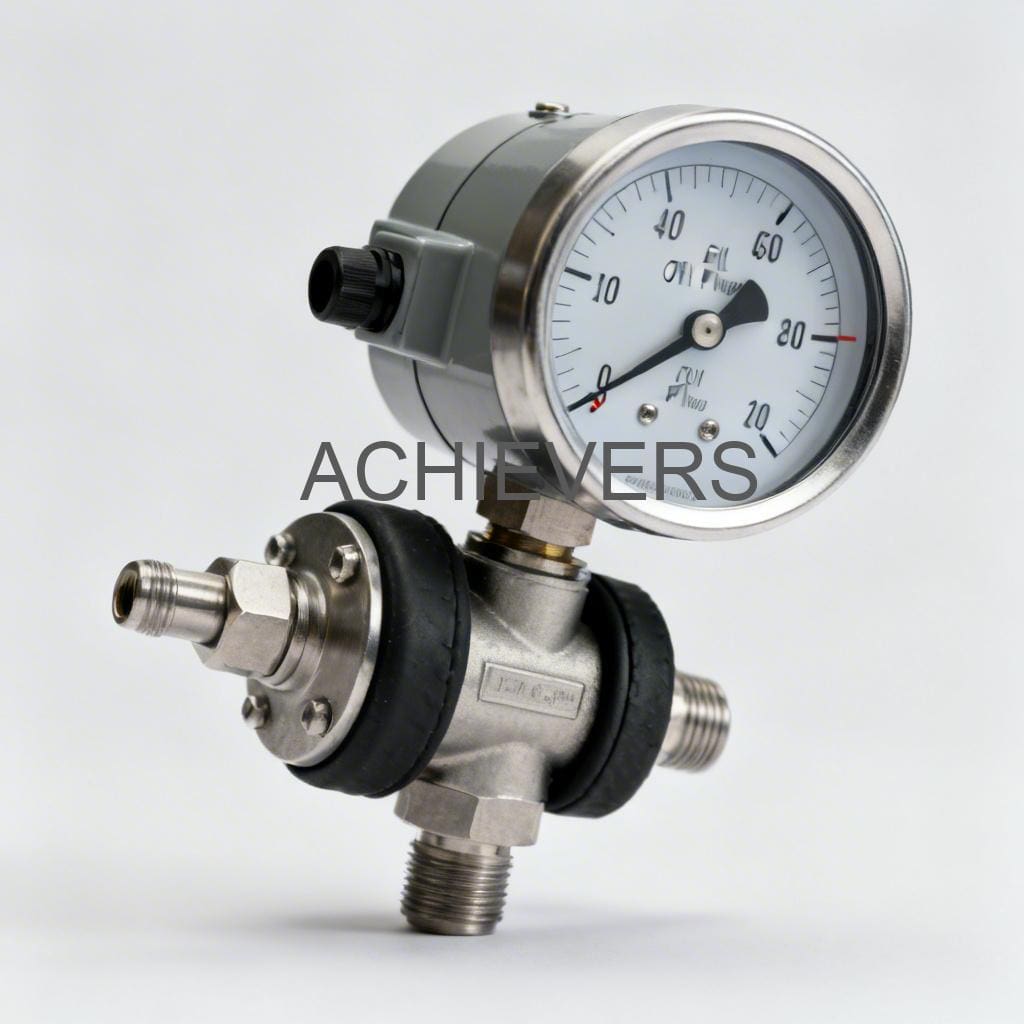
Choosing the correct metering solution for hydraulic circuits differs significantly from standard fuel dispensing. This section serves as a hydraulic oil flow meter selection guide for Indian plant engineers, focusing on the dynamic relationship between viscosity, pressure, and temperature.
The primary challenge in hydraulic applications is the change in fluid properties during operation. As a hydraulic system heats up, oil viscosity drops. A turbine meter might lose accuracy as the fluid thins, but our Oil Flow Meters utilize positive displacement technology. This ensures that even as the oil thins due to rising temperatures or thickens during cold startups, the volumetric measurement remains consistent.
Operating Pressure and Temperature Limits
Hydraulic power packs often operate at pressures far exceeding standard transfer pumps. When selecting an industrial oil flow meter for hydraulic power pack applications, it is vital to verify the burst pressure rating of the meter body. Aluminum bodies may suffice for return lines, but high-pressure feed lines often require Steel or Stainless Steel construction. Similarly, ensure the internal seals (O-rings) are rated for the maximum operating temperature of your oil to prevent leaks and degradation.
Pressure Drop Considerations
Every component added to a hydraulic line introduces resistance. Performing a basic oil flow meter pressure drop calculation is essential. If the meter creates too much restriction (high Delta P), it can cause pump cavitation or overheating of the oil. For high-viscosity gear oils, oversize the meter slightly to keep the pressure drop within acceptable limits (typically below 1 bar).
Common Application Pitfalls
To specify the correct Oil Flow Meters for your facility, engineers should move beyond simple line size matching. A 1-inch pipe does not automatically require a 1-inch meter; the flow velocity is the deciding factor.
Step-by-Step Selection Criteria:
Our Oil Flow Meters are trusted across diverse sectors in India, serving critical roles where accuracy equates to cost savings and process control.
As one of the leading oil flow meter manufacturers in India, Chintan Engineers believes that a product is only as good as the support behind it. Proper installation is critical for performance. We recommend installing meters with a straight run of pipe before and after the unit (though positive displacement meters are more forgiving than turbines) and ensuring the orientation allows for the easy reading of the register.
Calibration and AMC
Over time, mechanical wear can affect accuracy. We offer calibration services traceable to national standards to ensure your meters remain compliant and precise. Our End-to-End Solutions include support for installation, commissioning, and Annual Maintenance Contracts (AMC). Unlike generic importers, we stock genuine spares and have technical experts ready to assist with troubleshooting, ensuring that your operations face minimal downtime.
Dependability is our promise. From the moment you inquire to years after installation, our team supports your fluid management goals with transparency and engineering expertise.
Ready to configure your system?
Contact our engineering team today to select the right Oil Flow Meters for your specific application. Please provide us with your fluid type, flow range, operating pressure, and temperature, and we will specify the perfect solution for your site.
CE-118 oil flow meter with a flow range of 20-120lpm.
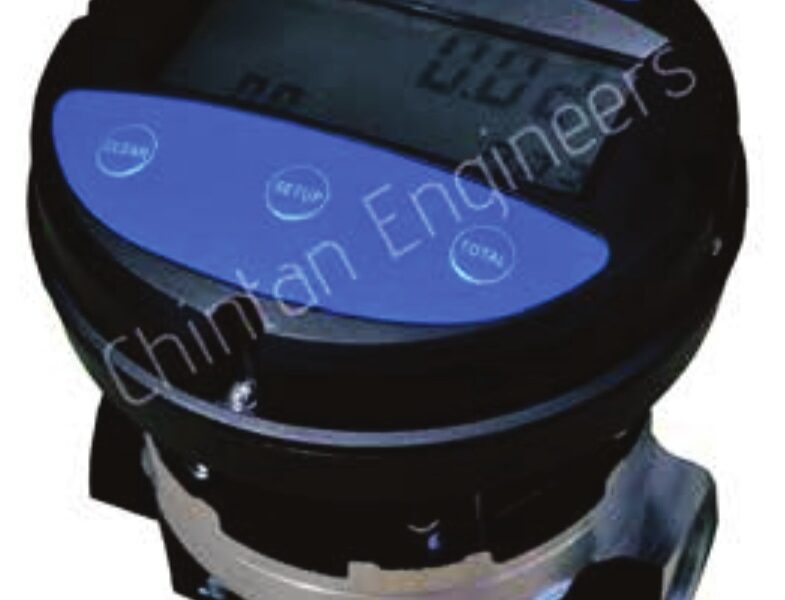
CE-119 oil flow meter with a flow range of 20-120lpm.
Tell us the fluid, flow range and site; we reply with a model and a quote within one working day.