
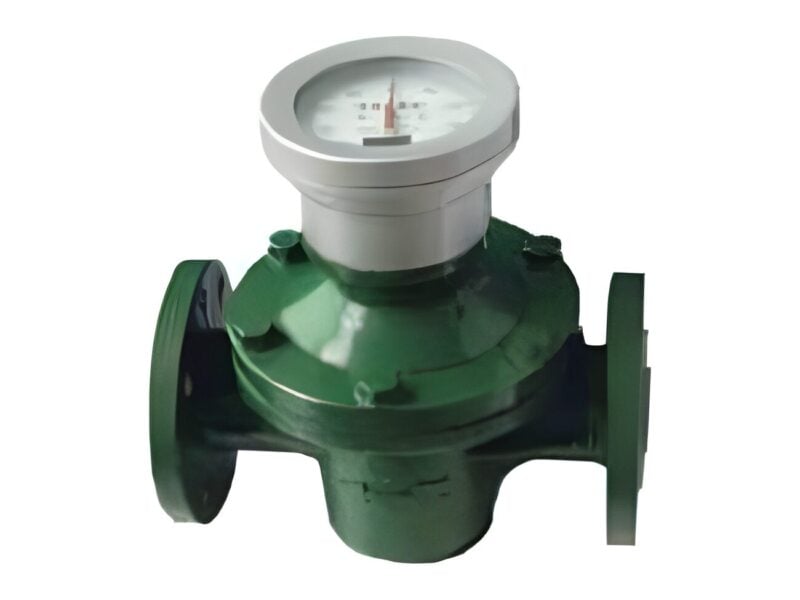
CE-1-80
CE-1-80 Flow Meter
CE-1-80 diesel flow meter with a flow range of 140 L/Min.
- Minimum Flow
- 140 L/Min
- Accuracy
- 0.5 %
- Working Pressure
- 1.0 to 1.5 mpa
Fuel monitoring
Pumps & nozzles
Batching
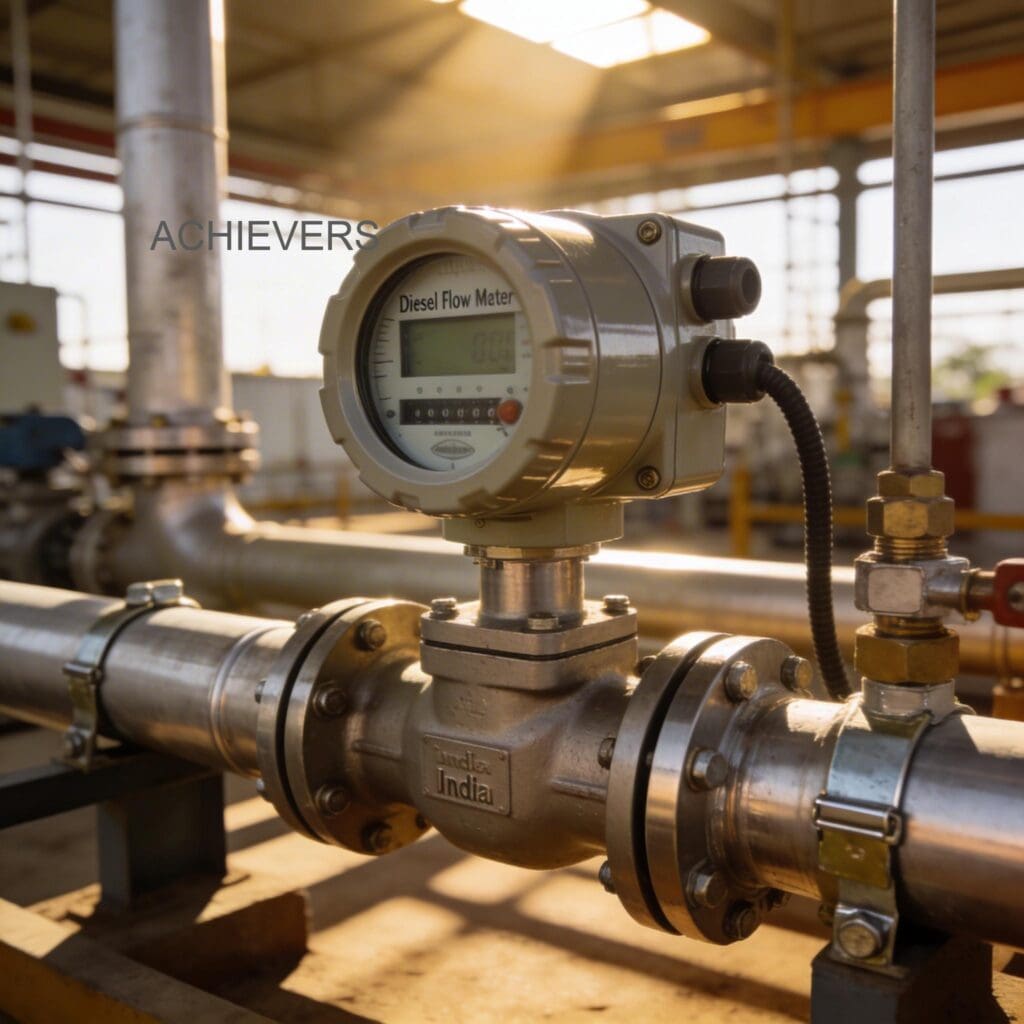
Accurate fuel management is the foundational backbone of operational efficiency for logistics, construction, mining, and manufacturing industries across India. With diesel costs representing a massive portion of daily operating expenses, even a fractional percentage of measurement error can compound into severe financial discrepancies and inventory losses over a fiscal year. In demanding industrial environments—which are regularly characterized by high ambient temperatures, heavy mechanical vibration, and continuous, non-stop usage—relying on robust and precisely calibrated flow measurement equipment is completely non-negotiable.
Ensuring absolute uptime and measurement precision in these harsh conditions requires not just high-quality instrumentation, but a comprehensive understanding of how to maintain, configure, and troubleshoot it. Plant managers, engineers, and fleet operators need reliable data to track consumption, prevent fuel pilferage, and reconcile bulk storage inventories. This guide explores the engineering behind these critical measurement tools and provides actionable diagnostic strategies to keep your fluid handling systems operating at peak accuracy.
A high-performance Diesel Flow Meter is specifically engineered to deliver precision fluid management and flow measurement in industrial fuel handling applications. Designed to operate reliably under rugged site conditions, this device accurately tracks the exact volume of diesel transferred during fleet refueling, backup generator tank filling, or bulk fluid offloading from transport tankers.
Built around a positive displacement (PD) or helical gear mechanism, the Diesel Flow Meter functions by physically dividing the continuous flowing fluid into precisely measured, distinct volumetric segments. Because it measures actual volume rather than inferring flow from velocity, it guarantees exceptional accuracy, generally holding tolerances within ±0.5% to ±1.0%, depending on the specific model and the operating flow range. To withstand the rigors of Indian industrial environments, the core body of the Diesel Flow Meter is typically constructed from high-grade, corrosion-resistant materials such as cast iron or aluminum, allowing it to easily handle standard industrial pipeline pressures.
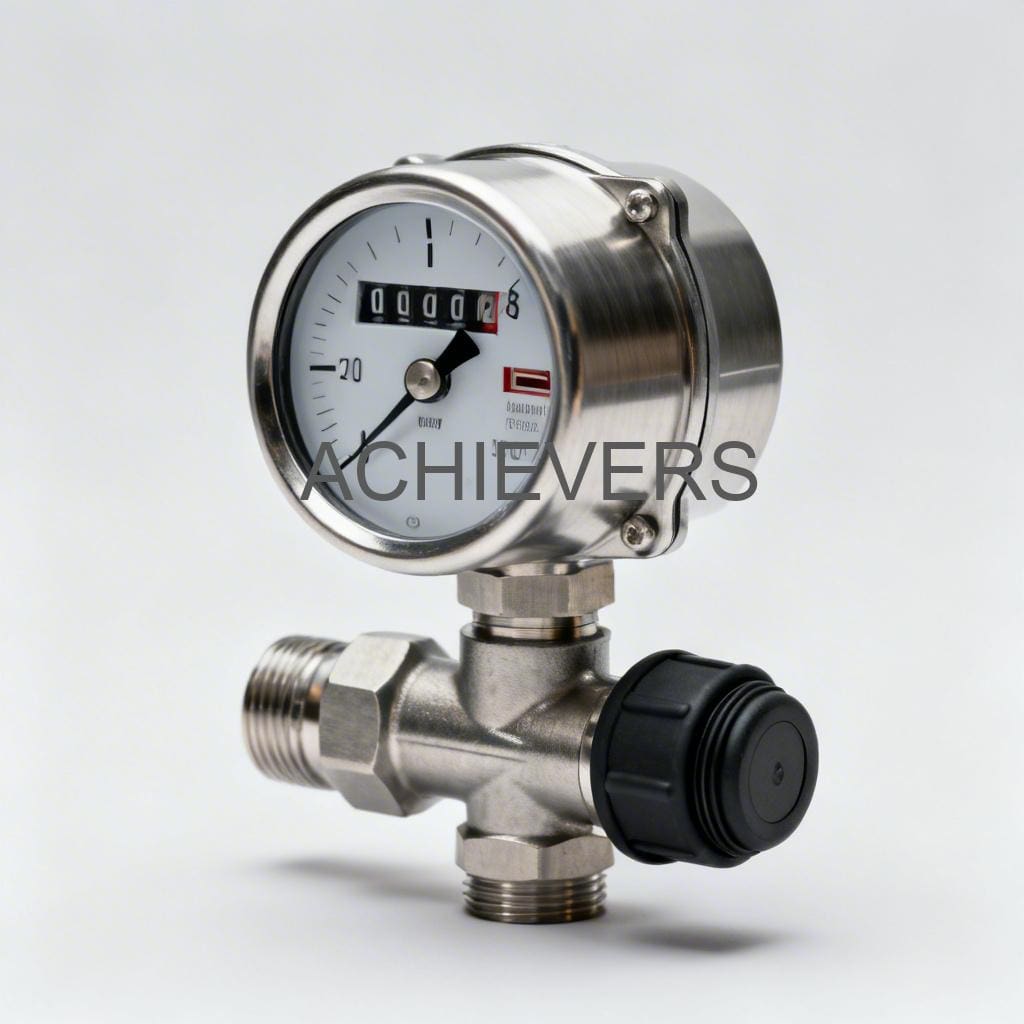
This instrumentation is available in multiple configurations tailored to specific site parameters. Users can select models designed for standard dispensing flow rates—typically ranging between 20 to 120 Liters Per Minute (LPM)—or high-capacity bulk transfer variants capable of processing hundreds of liters per minute. Depending on existing infrastructure, the Diesel Flow Meter can be equipped with various power and display options. Mobile fuel bowsers often utilize 12V or 24V DC configurations, while stationary plant installations rely on standard 220V AC power. Furthermore, industrial buyers can specify traditional mechanical registers for simple, reliable visual readouts in remote areas, or advanced digital electronic displays that offer pulse outputs for seamless integration into centralized, automated Fuel Management Systems (FMS).
This section is designed to help plant and fleet maintenance teams master diesel flow meter troubleshooting by diagnosing the most common field problems—specifically erratic readings, under-measurement, and unstable totals. In heavy-duty Indian fuel transfer and refueling lines, positive displacement and helical flow installations are frequently subjected to harsh hydraulic realities. Often, a perceived failure of the meter is actually a symptom of systemic hydraulic issues like air ingress, suction-side restrictions, vibration, and pulsation.
Understanding diesel flow meter inaccurate reading causes is the critical first step toward effective remediation. Below is a practical symptom-to-cause checklist, followed by precise corrective actions for maintaining metering accuracy.
Symptom 1: Erratic Readings and Over-Registering (Air Ingress)
When a flow meter registers a significantly higher volume of fuel than was physically dispensed into the receiving tank, the most common culprit is air passing through the fluid line. Because a PD meter measures total volume, it will trap and measure pockets of air just as accurately as it measures liquid fuel, leading to severe inventory discrepancies.
Symptom 2: Under-Measurement and Rattling Noise (Suction-Side Restrictions)
If the meter indicates less volume than actually delivered and emits a loud, rattling, or gravel-like noise, the hydraulic system is likely suffering from cavitation.
Symptom 3: Fluctuating Totals and Rapid Mechanical Wear (Vibration and Pulsation)
When totals fluctuate wildly and internal meter components wear out prematurely, the integrity of the fluid stream is compromised by kinetic instability.
Specifying the correct Diesel Flow Meter requires a thorough engineering review of your specific operational parameters. Industrial buyers must accurately match the instrument's volumetric capacity and construction materials to their daily fuel transfer demands to avoid excessive pressure drop, restricted flow, or premature equipment failure.
Consider the following technical factors when selecting and configuring your metering equipment:
When submitting an enquiry to your supplier, clearly communicate the following site-specific details to guarantee a perfectly engineered configuration:
The inherent ruggedness and high precision of the Diesel Flow Meter make it an indispensable asset across a wide spectrum of industrial sectors. Built to provide enduring value without performance degradation, these meters are frequently deployed in the following critical applications:
By sourcing from reputable diesel flow meter manufacturers Ahmedabad Gujarat, industrial facilities can ensure their specific, high-stakes application requirements are met with precision-engineered, locally supported solutions.
Even the highest quality positive displacement instrumentation requires rigorous installation practices and routine maintenance to preserve its factory calibration. Adhering to a strict diesel flow meter maintenance checklist for industrial fuel transfer lines will maximize equipment lifespan and guarantee uninterrupted accuracy.
Proper installation is the first line of defense. Always ensure the meter is installed with an upstream Y-strainer or basket strainer. This protects the precision-machined internal rotors from welding slag, pipe scale, rust, and foreign debris that can cause catastrophic jamming. While PD meters are highly resilient to turbulent flow profiles compared to turbine meters, maintaining a straight run of pipe immediately before the inlet is still a recommended engineering best practice.
Partnering with established diesel flow meter suppliers in India ensures that your equipment is delivered with accurate, verified, and certified factory calibration. However, periodic recalibration is fundamentally essential, especially in high-volume, continuous transfer applications. Engaging in a formal Annual Maintenance Contract (AMC) provides unparalleled operational peace of mind. End-to-end service solutions that include routine inspection of seals, systematic cleaning of strainers, and verification of volumetric accuracy against certified proving cans will drastically extend the functional life of your investment. Transparent communication with your service provider ensures no hidden maintenance costs and guarantees the use of genuine, precision-machined spare parts when replacements are necessary.
To eliminate inaccurate readings, secure your fluid inventory, and optimize your industrial fuel handling operations, contact our technical team today. Share your exact product configuration needs, flow ranges, specific industrial application, and site conditions, and our engineers will help you deploy the most accurate and durable metering solution for your facility.
CE-1-80 diesel flow meter with a flow range of 140 L/Min.
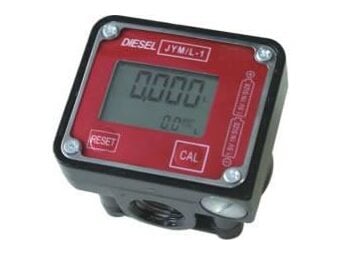
CE-102 diesel flow meter with a flow range of 7-40 LPM.
Tell us the fluid, flow range and site; we reply with a model and a quote within one working day.