
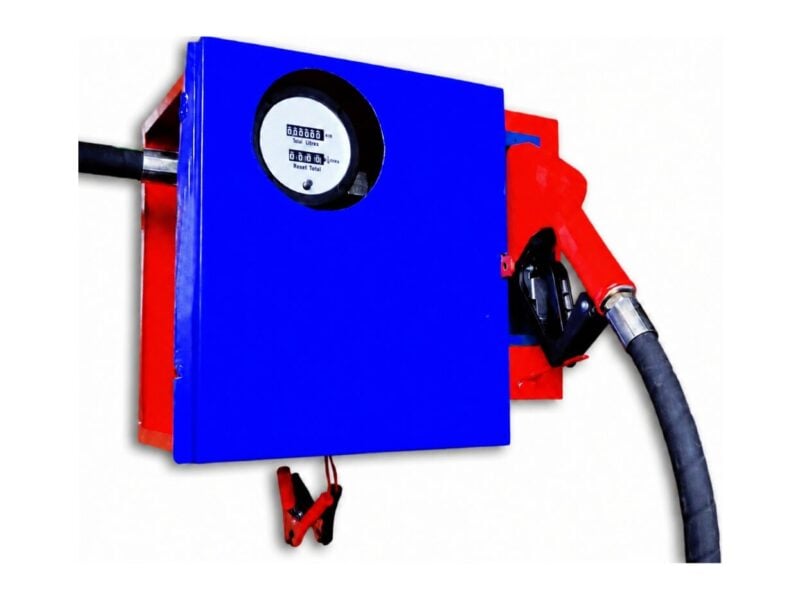
CE-101
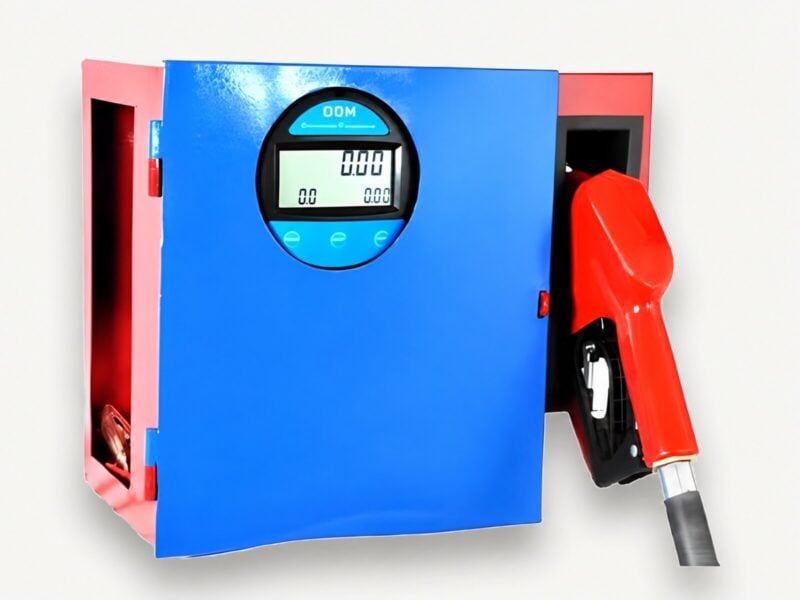
CE-101 Mechanical Dispenser
CE-101 diesel dispenser with a flow range of 40 - 60 L/MIN.
- Flow Rate
- 40 - 60 L/MIN
- Working Pressure
- 3 BAR
- Power
- 0.375 KW
Fuel monitoring
Pumps & nozzles
Batching
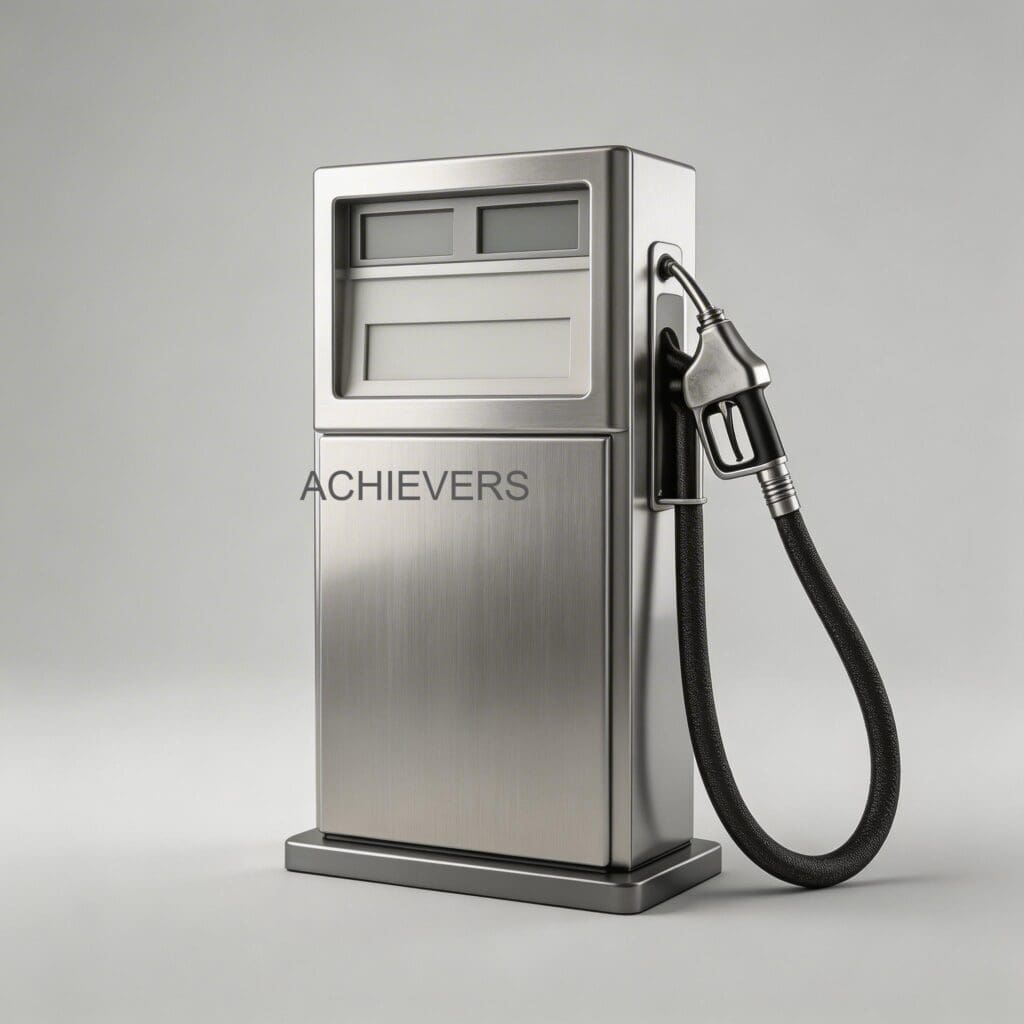
For fleet operators, mining site managers, and industrial plant engineers in India, fuel is often the highest variable operating expense. At roughly ₹90 per litre, even a 1% volumetric discrepancy or minor pilferage can translate into millions of rupees lost over a financial year. However, when procurement teams evaluate upgrading their fuel management infrastructure, the conversation almost exclusively revolves around the upfront capital expenditure (CapEx). This limited perspective fails to account for the true financial impact of ownership, masking the long-term reality of operating fueling infrastructure in severe Indian site conditions characterized by ambient heat, abrasive dust, voltage fluctuations, and monsoon-driven moisture ingress.
To properly evaluate this investment, decision-makers must transition from simple price comparisons to a comprehensive 5-year OpEx, spares, and uptime analysis. Buying a Diesel Dispenser is fundamentally a risk-mitigation strategy designed to eliminate undocumented fuel issues, protect heavy machinery through filtration, and guarantee dispensing speed. This technical guide provides a highly detailed framework to map out the true cost of owning a Diesel Dispenser, complete with a practical ROI model tailored for Indian site realities. By analyzing power consumption, preventive maintenance, calibration mandates, and lifecycle part replacements, plant managers can accurately forecast the financial return when they deploy a high-accuracy Diesel Dispenser.
Before calculating the total cost of ownership, it is critical to define the equipment architecture. An industrial-grade dispenser is not merely a pump; it is an integrated fluid management system comprising a suction pump (typically a heavy-duty rotary vane design), a metering unit (mechanical or digital positive displacement), continuous filtration, and a controlled dispensing interface with auto-shutoff capabilities.
Chintan Engineers builds systems specifically calibrated for Indian duty cycles, with flow ranges from 20 L/min to 110 L/min. For high-duty-cycle depots, the CE-201 Heavy-Duty model utilizes 40 mm (1.5-inch) inlets/outlets and a 1.2 kW rotary vane pump to sustain high throughput. Conversely, for precise, audit-ready fueling, the CE-204 High Accuracy Digital Dispenser integrates a digital positive displacement (PDP) meter capable of ±0.2% accuracy. This model accounts for nearly 70% of deployments because its CPU-based preset controller, optional receipt printer, and 365-day transaction memory perfectly align with the stringent requirements of the Legal Metrology Act and corporate ERP integrations.
When you buy Diesel Dispenser for industrial fuel dispensing, you are investing in precision. Cheaper gravity-fed or unregulated centrifugal pump setups lack the volumetric accuracy required for fuel reconciliation. Every time a mechanical component wears out prematurely due to contaminated fuel, or a PCB fails from an unconditioned power supply, the operation incurs downtime costs. Therefore, the architectural baseline—such as whether the unit operates on 12/24V DC for mobile bowsers (like the CE-130) or 220V/440V AC for stationary skid mounts—directly dictates the subsequent 5-year maintenance and energy profile.
To act as a practical diesel dispenser total cost of ownership calculator, we must isolate CapEx from the ongoing OpEx over a standard 5-year depreciation cycle. The table below represents a stationary depot dispensing roughly 50,000 to 100,000 litres per month in a standard Indian industrial environment (e.g., a cement plant or logistics yard).
| Cost Component | Typical Range (INR) | Frequency | Notes |
| — | — | — | — |
| Base Equipment (CapEx) | ₹44,000 – ₹95,000+ | Year 0 | Varies by model. CE-117 (₹44,000) vs CE-204 with printer and ±0.2% accuracy (₹95,000). |
| Installation & Civil Works | ₹15,000 – ₹35,000 | Year 0 | Includes concrete skid, electrical trenching, grounding (earthing) rods, and spill containment. |
| Initial Calibration & Certification | ₹3,000 – ₹7,000 | Year 0 | Mandatory Legal Metrology Department verification and stamping by a licensed metrologist. |
| Energy Consumption (Power) | ₹8,000 – ₹15,000 | Annual | Based on a 1.2 kW motor operating 2-4 hours daily at standard commercial electricity tariffs (₹8-₹10/kWh). |
| Preventive Maintenance & AMC | ₹10,000 – ₹20,000 | Annual | Diesel Dispenser AMC cost and spares cost India; includes periodic recalibration, labor, and basic wear inspections. |
| Filtration Consumables | ₹3,000 – ₹8,000 | Annual | Replacement of inline particulate filters and water separators. Frequency depends on the fuel quality delivered by tankers. |
| Hose and Nozzle Replacement | ₹8,000 – ₹15,000 | Every 2 Years | 4m rubber hoses degrade under Indian UV and heat; auto-shutoff nozzles wear from physical impact. |
| Electronics Protection | ₹5,000 – ₹12,000 | Year 0 | Dedicated voltage stabilizer or isolation transformer to protect CPU/PCB from grid spikes. |
When you aggregate these figures, a CE-204 unit with an upfront cost of ₹95,000 will realistically require an additional ₹1,20,000 to ₹1,50,000 in operational, maintenance, and compliance costs over five years. However, this total TCO of ~₹2,50,000 is negligible when compared to the value of the fuel it controls.
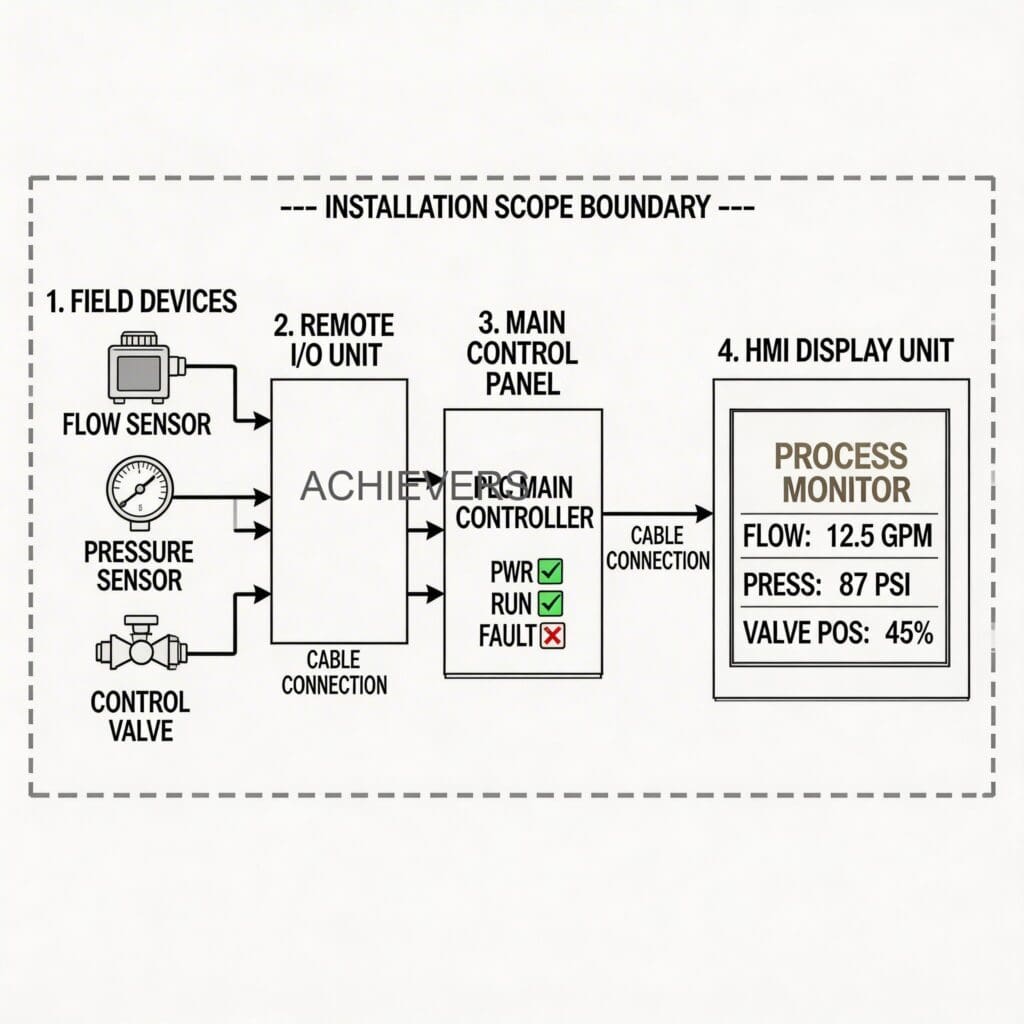
Quantifying Diesel Dispenser ROI in India for fleet fueling requires shifting the focus from the cost of the equipment to the savings generated by eliminating losses. A comprehensive industrial diesel dispenser price and payback analysis is best demonstrated through a real-world scenario.
Consider a mid-sized logistics fleet in Maharashtra operating 40 heavy commercial vehicles. The yard dispenses 120,000 litres of diesel per month from an underground storage tank (UST). Currently, they use a standard centrifugal pump with a basic, uncalibrated mechanical flow meter exhibiting a ±2.5% error margin. Furthermore, manual recording errors and spillage account for an estimated 1% in "unaccounted" fuel shrinkage.
We will deploy the CE-204 High Accuracy Digital Dispenser (±0.2% accuracy, preset dispensing, 365-day memory, auto-shutoff nozzle) to replace this setup.
Evaluating different dispensing architectures highlights why purpose-built systems provide superior long-term economics. While bare-minimum systems boast low entry costs, they drastically inflate the annual OpEx through fuel loss and machinery wear.
| Dispensing Approach | Upfront Cost (CapEx) | Annual OpEx & Shrinkage | Accuracy | Best For |
| — | — | — | — | — |
| Manual Drum Pump / Bucket | ₹5,000 – ₹10,000 | Very High (Major spillage, 5%+ unaccounted loss) | Poor (>5%) | Emergency backup only; not viable for daily fleet operations. |
| Centrifugal Pump + Inline Meter | ₹25,000 – ₹40,000 | High (Meter drift, motor burnouts on continuous duty) | ±2.0% to ±3.0% | Agriculture, small static tanks with low duty cycles. |
| Standard Mechanical Dispenser (e.g., CE-101) | ₹50,000 – ₹65,000 | Moderate (Reliable, but lacks digital tamper proofing) | ±0.5% | Workshops, small factories with trusted operators. |
| High-Accuracy Digital (e.g., CE-204) | ₹95,000+ | Low (Auto-shutoff, digital memory, preset controls) | ±0.2% | High-volume fleet depots, auditable corporate yards. |
| Flameproof (Ex) Dispenser (e.g., CE-124) | ₹1,20,000+ | Low (Built for extreme hazard zones) | ±0.2% | Petrochemical plants, hazardous mining zones (PESO norms). |
Note: If you only need to measure fluid transfer without the full pumping enclosure, a Fuel Flow Meter installed directly on existing process lines is a cost-effective alternative for internal plant batching.
Plant managers often base their procurement budgets strictly on the ex-factory quotation. However, successful commissioning and reliable 5-year operation in India require factoring in several hidden expenses. Ignoring these will artificially skew the TCO analysis and lead to frustrating operational bottlenecks.
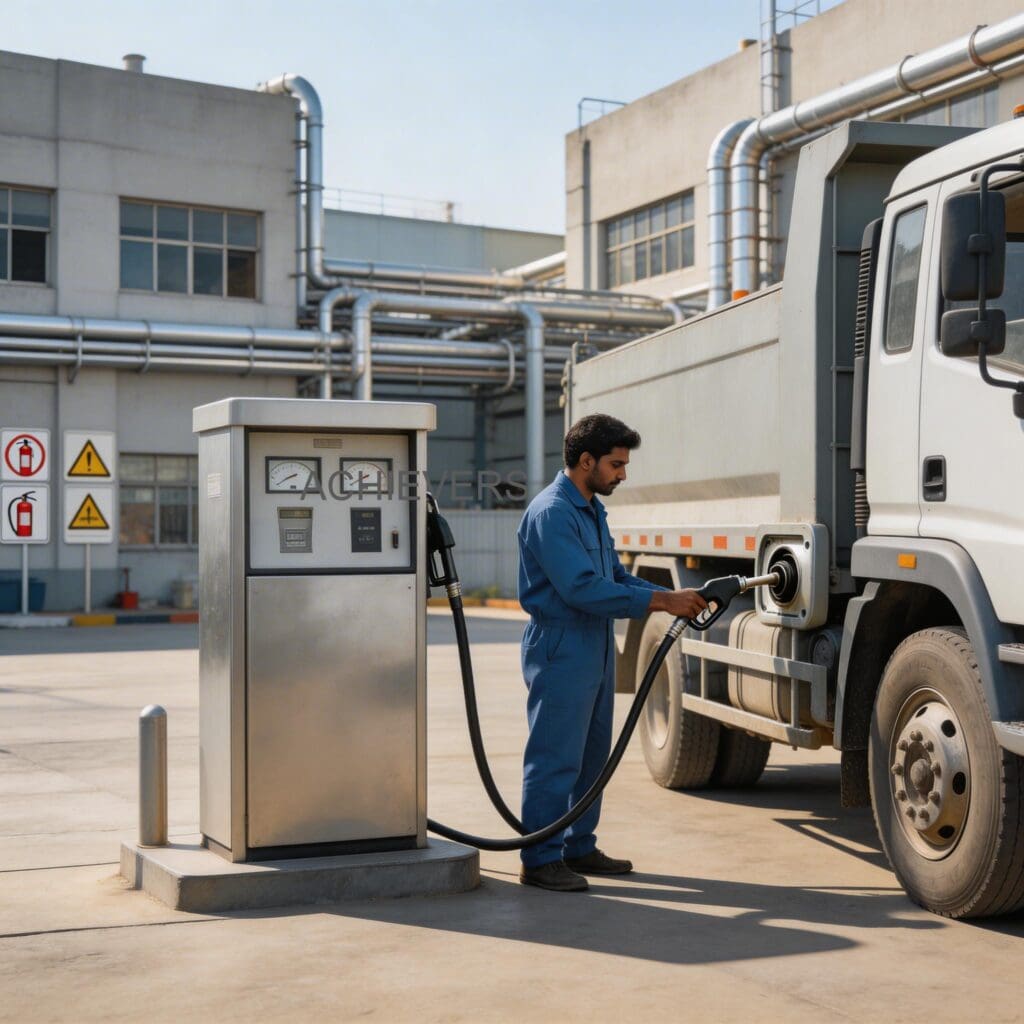
Engineers often struggle to get high-accuracy equipment approved because finance teams default to the lowest bidder. To successfully advocate for a premium dispenser like the CE-204, frame the procurement as an investment in operational security and financial reconciliation. Use these steps to build an unassailable business case:
Q: What accuracy can I expect from these industrial dispensers?
A: Standard mechanical builds (CE-101) deliver an accuracy of ±0.5%. For more rigorous applications, digital variants like the CE-204 or flameproof builds (CE-124) paired with a CE-113 positive displacement meter achieve an exceptional ±0.2% accuracy, meeting Legal Metrology requirements.
Q: Do you have a mobile diesel dispenser for remote sites?
A: Yes. The CE-130 model is specifically engineered for mobile bowsers, trolleys, or vehicle mounting. It operates seamlessly on 12/24V DC battery power (with 220V AC variants available) and includes CPU-based preset controls for remote projects.
Q: Can I get printed receipts for fuel issues to prevent driver disputes?
A: Yes. By selecting our digital meter configurations (such as the CE-204 or CE-117), you can integrate an optional receipt printer. The CE-204 also retains a 365-day transaction memory and 12 months of monthly summaries to completely streamline fleet fuel reconciliation.
Q: Do you offer preset dispensing to restrict maximum fueling volumes?
A: Yes. CPU-based preset controllers allow operators to input a specific volume (litres) or amount (rupees). Once the target is reached, the system automatically shuts off the flow. This is available on AC stationary builds and the CE-130 mobile units.
Q: Do you install and calibrate the units at our site?
A: Yes. Chintan Engineers provides comprehensive nationwide support. Our technical teams handle site surveys, mechanical and electrical installation, calibration certification, operator training, and ongoing Annual Maintenance Contracts (AMC).
Q: How do your systems handle voltage fluctuations common in Indian industrial zones?
A: While our mechanical variants are inherently resilient, our digital CPU-based preset boards are designed with industrial-grade electronic components. However, for heavily fluctuating grids, we strongly recommend integrating a localized voltage stabilizer during installation to guarantee uninterrupted performance.
Q: How often do the internal filters and hoses need replacement?
A: Preventive maintenance frequency depends heavily on site conditions. In standard Indian environments, the 4-meter rubber hoses and auto-shutoff nozzles typically last 18-24 months before wear requires replacement. Inline particulate filters should be inspected monthly and replaced every 3-6 months depending on the cleanliness of your delivered fuel.
Ready to plug the leaks in your fuel management and deploy an audit-ready dispensing solution? Contact our engineering team today to request a tailored proposal. Please provide your required flow rate (e.g., 60 LPM or 110 LPM), intended application (mobile bowser vs. static depot), and specific site conditions (hazardous zone classification, power availability) so we can configure the exact model to maximize your operational ROI.
CE-101 diesel dispenser with a flow range of 40 - 60 L/MIN.
CE-117 diesel dispenser with a flow range of 40 - 60L/MIN.
Tell us the fluid, flow range and site; we reply with a model and a quote within one working day.