CE-1-80
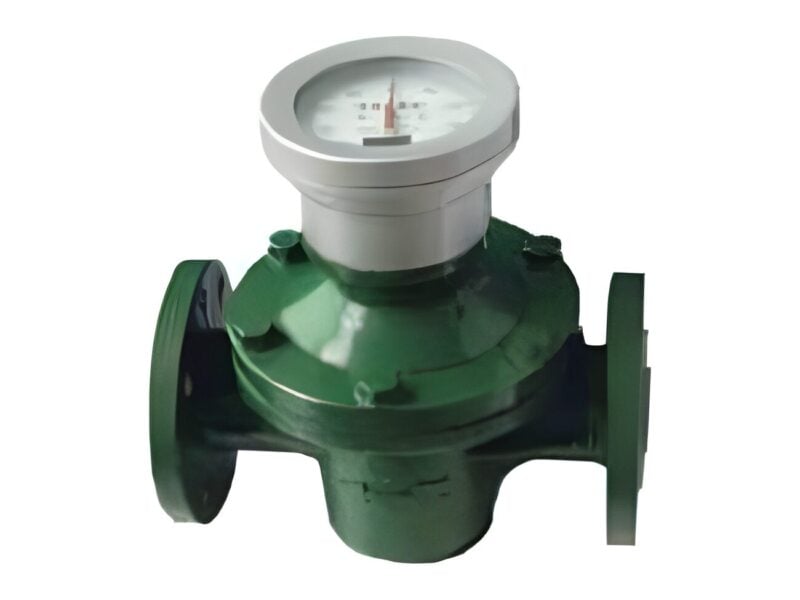
CE-1-80 Flow Meter
CE-1-80 diesel flow meter with a flow range of 140 L/Min.
- Minimum Flow
- 140 L/Min
- Accuracy
- 0.5 %
- Working Pressure
- 1.0 to 1.5 mpa
Fuel monitoring
Pumps & nozzles
Batching
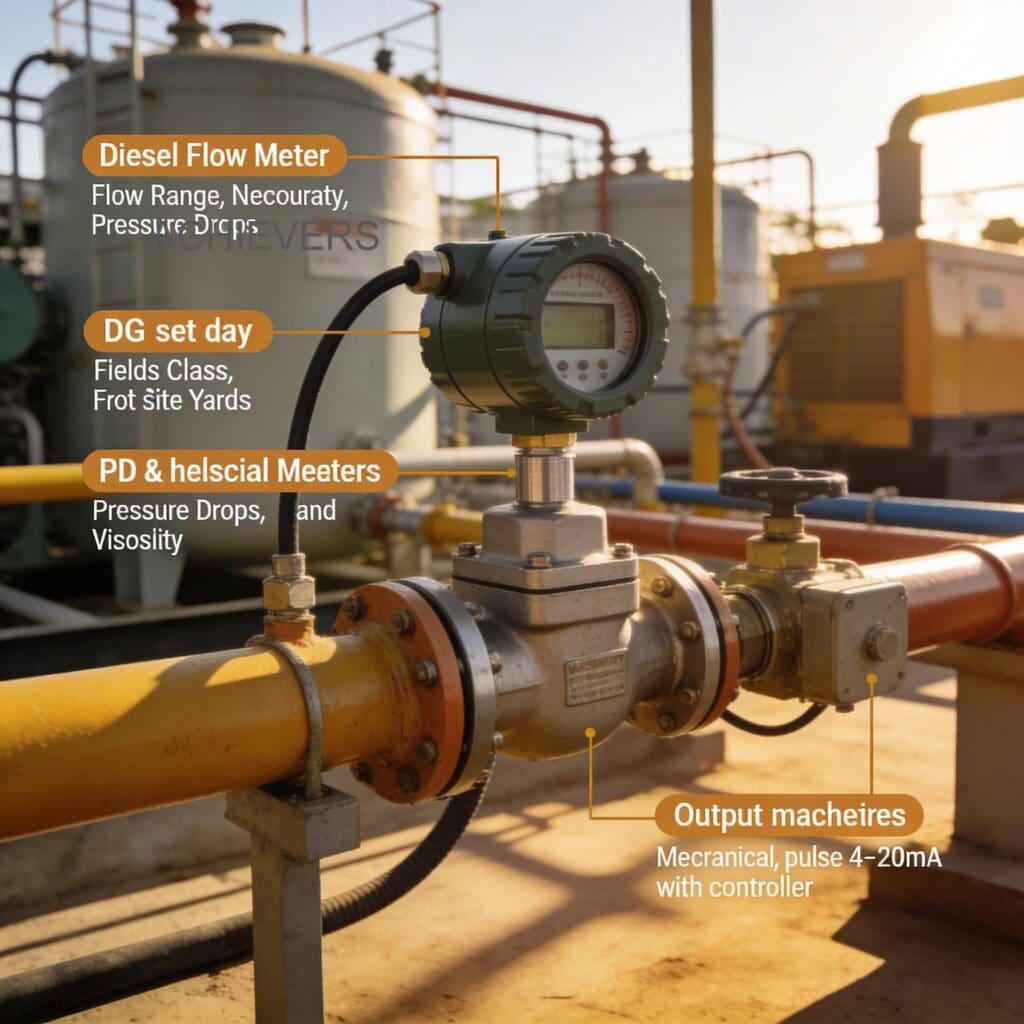
In India’s rapidly expanding industrial, manufacturing, and logistics sectors, fuel management has transitioned from a basic operational task to a critical component of cost control and efficiency. With the constantly fluctuating costs of diesel, unmonitored fuel consumption, theft, and operational inefficiencies can severely impact a facility's bottom line. Whether you are running a heavy-duty fleet yard, managing a mining site, or ensuring uninterrupted power supply through industrial diesel generator (DG) sets, achieving absolute fuel accountability is non-negotiable.
This is where a high-precision Diesel Flow Meter becomes the most valuable asset in your fluid handling infrastructure. However, selecting the right metering equipment requires more than just knowing your pipe size. It demands a careful evaluation of flow rates, pressure drops, viscosity, and integration capabilities. By partnering with leading diesel flow meter manufacturers in India, plant managers and procurement engineers can specify metering solutions that deliver long-term accuracy, withstand harsh ambient conditions, and seamlessly integrate into modern plant automation systems.
A Diesel Flow Meter is a highly engineered fluid measurement device designed to quantify the exact volume of diesel fuel passing through a pipeline or dispensing system. Manufactured with robust materials like cast iron, aluminum, or stainless steel internals, these meters are built to endure continuous industrial use without succumbing to wear or corrosion.
At its core, the flow meter utilizes precise internal mechanisms to capture and measure fluid. Depending on the model and operational requirement, these meters achieve strict accuracy classes—typically ranging from ±0.5% to ±1%—ensuring that every drop of fuel is accounted for. The meters are engineered to handle specific flow ranges, commonly spanning from 20 Liters Per Minute (LPM) for small generator day tanks, up to 500+ LPM for bulk fuel unloading operations.
Modern variants offer a range of output capabilities to suit different operational scales. Traditional setups utilize heavy-duty mechanical registers that provide a clear, localized readout of dispensed volume and totalized flow. For advanced industrial applications, electronic variants are equipped with digital displays, pulse outputs, and 4–20 mA transmitters. These electronic models can be powered via AC mains or DC power supplies, making them highly versatile for mobile bowsers, stationary skids, and automated plant environments.
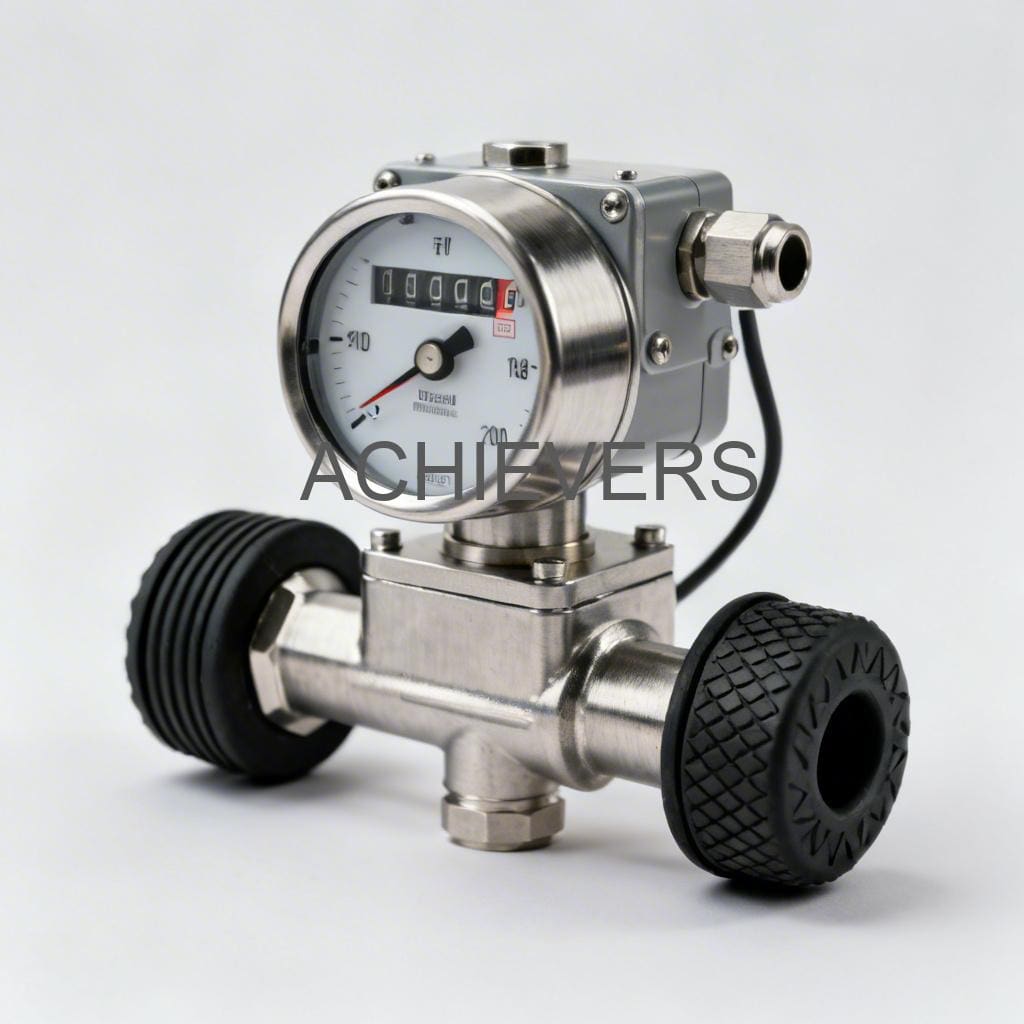
The process of specifying a Diesel Flow Meter must be driven by your exact site conditions. A meter that works flawlessly on a high-speed fleet dispenser might fail or cause line restrictions if incorrectly applied to a gravity-fed DG set day tank. The best diesel flow meter for fleet fuel tracking will differ fundamentally in configuration from one used for continuous process batching.
Matching Flow Range, Viscosity, and Pressure Drop
Every meter operates within an optimal flow range. If the flow rate falls below the meter’s minimum threshold (often seen in low-consumption DG day tanks), the internal components may not engage fully, leading to inaccurate readings. Conversely, pushing fuel through a meter faster than its maximum rated capacity increases wear and causes an unacceptable pressure drop. Pressure drop is a critical metric; in gravity-fed refueling lines or systems with low-head pumps, a meter with a high pressure drop will starve the downstream equipment of fuel. Diesel has a specific kinematic viscosity that fluctuates with ambient temperature. You must ensure the chosen meter is calibrated for diesel's specific viscosity range to maintain the designated accuracy class under real-world conditions.
Positive Displacement vs. Helical Meters
Understanding positive displacement diesel flow meter selection is vital. Positive Displacement (PD) meters—such as oval gear or rotary vane types—work by trapping fixed volumes of fluid in rotating chambers. They are exceptionally accurate, perform brilliantly with diesel’s lubricating properties, and handle varying flow rates perfectly. This makes them the go-to choice for precise fleet dispensing and localized flow measurement.
Helical (screw) meters, on the other hand, allow fluid to flow axially along intermeshing screws. They typically offer a lower pressure drop and are highly resistant to pressure pulsations, making them ideal for high-capacity bulk transfer lines where smooth, continuous flow is prioritized over intermittent dispensing.
Specifying Outputs for Accountability and Integration
Your operational data requirements dictate the meter’s output type.
Industrial buyers must communicate precise technical parameters to their suppliers to avoid costly misapplications. Using the wrong meter size can lead to equipment fatigue, fuel starvation, or calibration drift. When configuring your Diesel Flow Meter, evaluate the following categories:
Sizing, Flow, and Mechanical Specs:
Metering Type, Controls, and Automation:
Because of their versatile configurations, these metering systems are deployed across a wide spectrum of Indian industries.
Procuring the right equipment is only half the solution; correct installation and enduring support are what guarantee long-term value. Even the most precisely engineered Diesel Flow Meter will fail if installed improperly. Best practices dictate that an inline Y-strainer or fuel filter must be installed immediately upstream of the meter, especially for positive displacement models, to prevent microscopic debris from jamming the internal gears or rotors.
Furthermore, Indian industrial sites experience significant temperature fluctuations that can cause minor variations in fluid dynamics. This makes accurate, factory-certified calibration vital before commissioning. Routine recalibration and preventative maintenance ensure the meter does not drift from its certified accuracy class over years of heavy use.
This is why partnering with experienced diesel flow meter suppliers Ahmedabad Gujarat provides a distinct advantage. With over 15 years of expertise in fluid management, Chintan Engineers delivers end-to-end solutions—from precision manufacturing and transparent sizing recommendations to seamless installation and Annual Maintenance Contracts (AMC). Having access to local spares, verified calibration services, and technical experts means your fuel handling operations remain uninterrupted, accurate, and completely reliable.
To ensure your facility achieves uncompromising fuel accountability, reach out to our technical team today. Share your required flow/size parameters, specific industrial application, and site conditions, and our engineers will configure the perfect Diesel Flow Meter tailored specifically to your operational demands.
CE-1-80 diesel flow meter with a flow range of 140 L/Min.
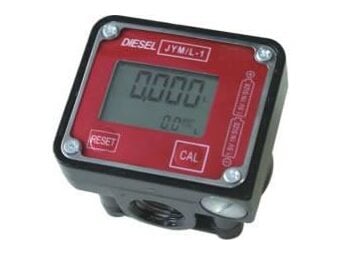
CE-102 diesel flow meter with a flow range of 7-40 LPM.
Tell us the fluid, flow range and site; we reply with a model and a quote within one working day.