
















In the Indian industrial sector, diesel is one of the most significant recurring operational expenses. Whether you are managing a fleet of heavy earth-moving machinery (HEMM) in an Odisha coal mine, running a sprawling construction site in Maharashtra, or overseeing a logistics hub in Gujarat, accurate fuel management is critical. With diesel prices hovering at premium levels, even a 1% to 2% volumetric error or pilferage rate can result in annual financial losses running into lakhs of rupees.
To mitigate these losses and ensure continuous operations away from centralized fuel depots, plant managers and procurement heads frequently rely on decentralized, mobile fueling solutions. However, choosing the right Mobile Fuel Dispenser requires more than just picking a pump off a catalogue. It demands a rigorous engineering evaluation of flow dynamics, electrical loads, metrological accuracy, and environmental resilience against harsh Indian site conditions—ranging from 45°C summer heat to monsoon humidity and heavy airborne dust.
This comprehensive technical buyer’s guide is designed to help industrial buyers understand exactly how to choose mobile fuel dispenser for bowser retrofit or trolley-mounted applications. We will break down the core engineering specifications, compare available configurations, and provide a strict technical checklist to ensure you procure a system that delivers reliable, auditable, and safe refueling across your operational footprint.
1. What Is a Mobile Fuel Dispenser and What Does It Do
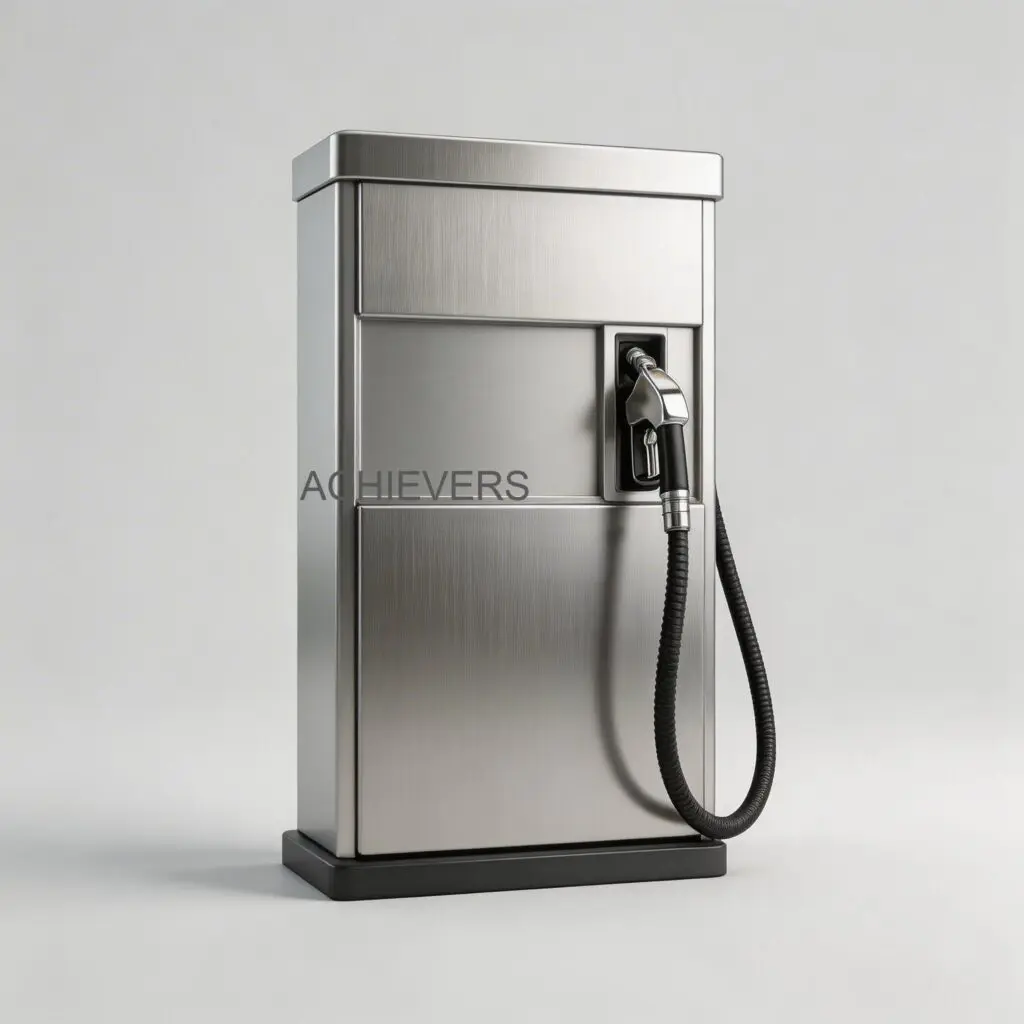
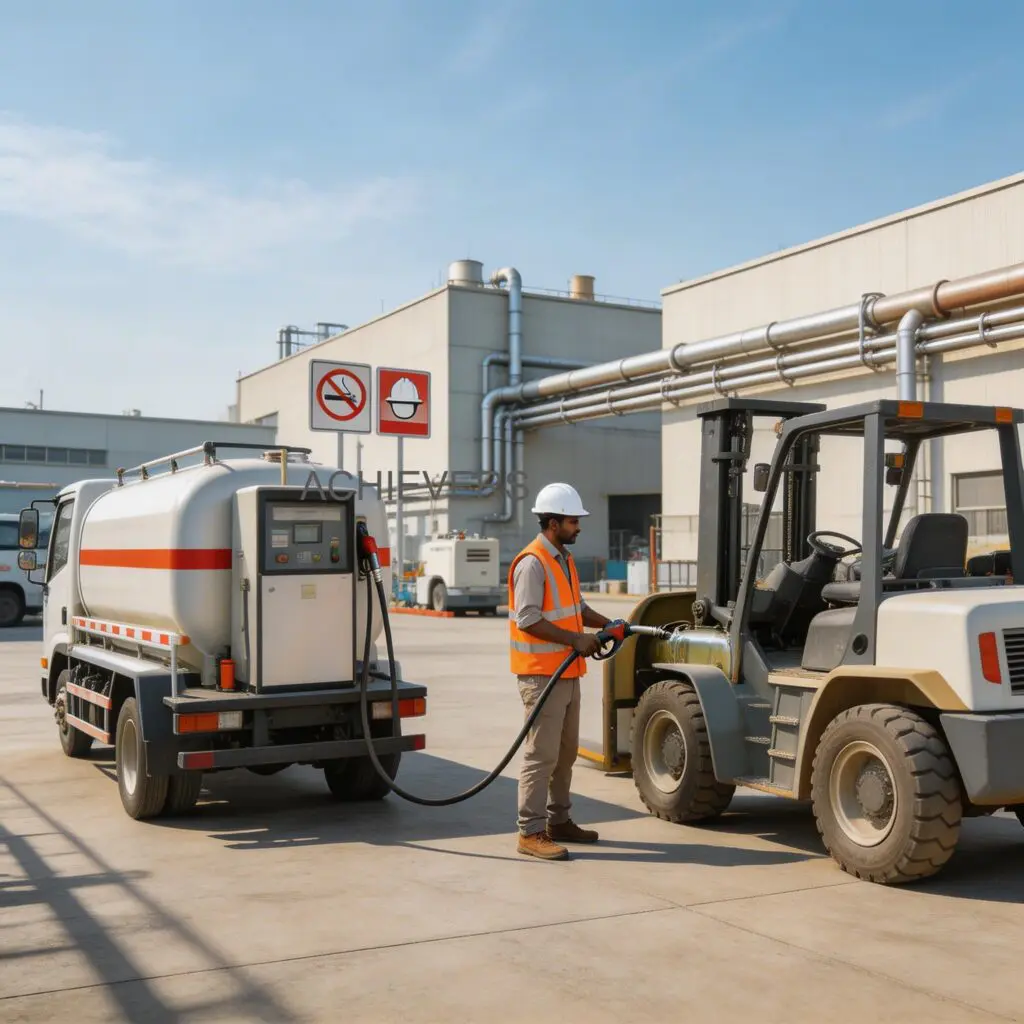
A Mobile Fuel Dispenser is a fully self-contained, skid-mounted fluid transfer system engineered to convert standard liquid transport vehicles—such as bowsers, pickup trucks, and service rigs—into certified, highly accurate mobile fueling stations.
Unlike standard transfer pumps which merely move liquid from point A to point B without metrological oversight, a true mobile dispenser integrates several precision components into a single, cohesive mechanical and electrical framework. These components include a positive displacement (PD) flow meter, a continuous-duty rotary vane pump, inline filtration, hose management systems, and a preset batch controller.
The primary engineering objective of this equipment is to dispense a predefined, exact volume of diesel into a receiving tank, record the transaction securely, and prevent unauthorized fuel access, all while operating entirely on the vehicle's onboard power system (typically 12V or 24V DC).
Below is a technical breakdown of the standard specifications for a high-grade Mobile Fuel Dispenser, based on Chintan Engineers' proven field configurations:
| Specification Parameter | Standard Range / Value | Engineering Notes |
| :— | :— | :— |
| Volumetric Flow Range | 20 to 60 L/min (Standard) | Higher throughput variants up to 110 L/min available for high-capacity tanker trucks. |
| Metrological Accuracy | ±0.5% standard; ±0.2% on CE-204 | Achieved via precision-machined positive displacement (oval gear or rotary) metering mechanisms. |
| Power Input Options | 12V DC, 24V DC, or 220V/440V AC | DC options allow direct coupling to the vehicle's alternator/battery bank. AC requires a DG set. |
| Pumping Mechanism | Rotary Vane Pump | Inherently self-priming, capable of managing suction lifts typical of bowser belly tanks. |
| Filtration Integration | Inline particulate/water filters | Crucial for protecting both the meter internals and the receiving vehicle's common-rail injection system. |
| Dispensing Hardware | Auto shut-off nozzle & Hose reel | Standard 3 to 6-meter retractable reels prevent ground drag and subsequent hose jacket degradation. |
2. Key Selection Criteria for Indian Industrial Buyers
Procuring a mobile fuel dispenser for fleet refueling in India involves analyzing several site-specific variables. Indian industrial environments present unique challenges: extreme voltage fluctuations in vehicle electrical systems, high levels of suspended particulate matter (dust) in mining and construction zones, and the persistent threat of fuel adulteration or water ingress during monsoons.
Here are the critical engineering criteria you must evaluate before authorizing a purchase order:
2.1. Volumetric Flow Rate vs. Application Requirements
The flow rate of the dispenser must physically match the receiving tank's neck capacity and the operational turnaround time required. Selecting a standard 20 to 60 L/min unit is optimal for refueling light commercial vehicles, DG sets, and service pickups. However, if your application involves refueling 1,000-liter tanks on excavators or dump trucks, a 60 L/min pump will take nearly 17 minutes per vehicle, leading to severe operational bottlenecks. In such cases, specifying a heavy-duty skid capable of 110 L/min is mathematically necessary to maintain fleet efficiency.
Caution: Do not oversize the pump for small tanks. Pumping diesel at 110 L/min into a small generator tank will cause severe fluid blowback, foaming, and false-tripping of the auto shut-off nozzle.
2.2. Electrical Power Supply and Voltage Stability
A critical decision when you buy mobile fuel dispenser kit for service truck applications is the power architecture.
- 12V / 24V DC Systems: These are the most common for mobile applications. They draw power directly from the truck’s battery. You must ensure the truck's alternator has the required amperage capacity to support the continuous current draw of the pump motor (often 20A to 40A under load) without depleting the starting batteries.
- 230V / 440V AC Systems: Used for heavy-duty setups (like the CE-201 skid) pushing high volumes. These require an auxiliary diesel generator (DG) mounted on the truck.
- Indian Context: Vehicle batteries in India often suffer from poor maintenance, leading to voltage drops. Ensure the DC motor specified has robust thermal overload protection to prevent stator burnout when voltage sags under heavy load.
2.3. Metrological Accuracy and Calibration Stability
If fuel is being sold to sub-contractors or billed to different cost centers within a plant, the accuracy of the dispenser is paramount. A standard mechanical meter provides ±0.5% accuracy. However, for strict internal auditing, you require systems like the CE-204, which utilize CPU-based digital preset controllers linked to high-resolution pulse transmitters, achieving an accuracy of ±0.2%. Furthermore, check if the equipment design complies with the Legal Metrology Act of India standards, ensuring that calibration can be stamped and verified by local weights and measures authorities if required. For continuous stationary setups monitoring fuel lines, integrating a Diesel Flow Meter is highly recommended.
2.4. Filtration Systems and Contamination Control
The quality of diesel transported in site bowsers is frequently compromised by dust ingress through tank breathers or condensation buildup inside the metal tanks during diurnal temperature shifts (especially in coastal or high-humidity regions). Pumping contaminated fuel destroys the dispenser’s positive displacement meter and ruins the expensive fuel injectors of your modern BS-VI compliant fleet. Ensure the dispenser includes rigorous inline filtration—specifically a 10-micron particulate filter and a water-absorbing element.
2.5. Environmental Protection and Enclosure Build
The skid and enclosure housing the controller, pump, and meter must survive severe vibration on unpaved Indian roads. Look for heavy-gauge mild steel enclosures with industrial-grade powder coating to resist rust during monsoons. The electronic controller interfaces must carry an IP55 or IP65 ingress protection rating to prevent premature failure from fine mining dust or heavy rain.
2.6. Anti-Theft Controls and Data Telemetry
Pilferage control is often the primary ROI driver for this equipment. Mechanical counters can be bypassed. A modern, secure mobile fuel dispenser should feature a password-protected digital preset interface. The operator inputs the exact batch (e.g., 200 liters), and the pump automatically shuts down via a solenoid valve once the target is reached. Advanced units should offer 365-day internal memory logging, built-in thermal receipt printers, and RS485 or GSM/IoT telemetry outputs to send real-time transaction data directly to the plant manager’s ERP system.
3. Model and Variant Comparison
To accommodate the vast differences in operational scale—from a local contractor's single pickup truck to a massive open-cast mining bowser fleet—Chintan Engineers designs multiple variants.
Below is a technical comparison of the primary configurations to help identify the correct industrial mobile fuel dispenser supplier solution for your specific application:
| Model Designation | Flow Range | Metering & Control | Power Input | Primary Industrial Application |
| :— | :— | :— | :— | :— |
| CE-130 Mobile Preset | 20 to 60 L/min | Digital CPU preset controller, solenoid valve | 12 / 24V DC, 220V AC | Remote infrastructure projects, highway construction, rental fleet monitoring. |
| CE-202 Compact Kit | 20 to 60 L/min | Digital PDP with LCD display, pulse output | 12 / 24V DC, 220V AC | Light service pickups, on-site maintenance rigs, agricultural fueling. |
| CE-204 High Accuracy | 20 to 80 L/min | Advanced digital preset, ±0.2% accuracy | 12 / 24V DC, 220V AC | Large bowser fleets requiring strict transaction memory, printer logging, and ERP integration. |
| CE-201 Heavy Duty Skid | Up to 110 L/min | Mechanical oval gear flow meter | 220 / 440V AC | Dedicated tanker trucks, high-volume centralized Fuel Dispenser setups, rapid HEMM refueling. |
Application Engineering Notes:
- The CE-130 is the workhorse for standard site requirements, bridging the gap between portability and intelligent batching control.
- The CE-202 is prioritized where spatial footprint and weight are the limiting factors, making it ideal for retrofitting into the tight side-compartments of utility vehicles.
- The CE-204 is the undisputed choice for environments where fuel reconciliation is legally or financially critical. Its 365-day memory log ensures that no transaction is lost, even if the vehicle is operating in telecom dead-zones where GSM telemetry drops out.
- The CE-201 sacrifices DC portability for sheer volume. Driven by a 1.2 kW motor, it requires serious electrical infrastructure but slashes refueling time for massive 2,000-liter equipment tanks.
4. Common Mistakes Indian Buyers Make When Choosing
Even experienced engineers can overlook the nuances of mobile fluid dynamics and vehicular electrical systems. Avoiding these common procurement and installation mistakes will save you from premature equipment failure and operational downtime.
- Under-Sizing the DC Power Cables:
- Neglecting Fuel Filtration in the Specification:
- Mismatching Flow Rates to Equipment Tanks:
- Overlooking Explosion-Proof (EX/FLP) Requirements:
- Failing to Secure the Calibration Mechanism:
Mobile fuel dispensers draw significant amperage. A common mistake is using standard, thin-gauge automotive wire to connect the pump skid at the rear of a long bowser to the battery at the front. Over a 5 to 7-meter run, thin cables cause severe voltage drop. A 24V system might only deliver 19V at the motor terminals. This causes the motor to draw excess current to maintain wattage, resulting in rapid thermal degradation of the stator windings and premature motor death. Consequence: Frequent motor replacements and stranded bowsers. Always calculate cable voltage drop and use heavy-duty, marine-grade copper cabling.
Procurement teams often look at the flow rate and price, completely ignoring upstream filtration. Indian diesel handling, especially in remote site tanks, introduces heavy particulate matter and water. Without an inline 10-micron filter and water separator mounted before the meter, the precision machined rotors of the positive displacement meter will score, gall, and eventually seize. Consequence: Complete loss of metering accuracy and expensive mechanical overhauls.
Buying a 110 L/min heavy-duty system to fuel small transport trucks or portable generators. High-velocity fluid hitting the bottom of a shallow tank causes immediate foaming and splash-back. The auto shut-off nozzle will falsely sense a full tank and trip continuously, forcing the operator to manually override the nozzle, leading to inevitable spills. Consequence: Environmental hazards, wasted fuel, and frustrated operators.
While diesel is less volatile than petrol, certain industrial sites (such as petrochemical refineries, underground coal mines, and solvent plants) legally require all electrical equipment in designated zones to be flameproof. Standard mobile fuel dispensers use safe, but non-flameproof DC motors. Consequence: Severe safety violations, denial of site entry by safety inspectors, and potential ignition hazards. Always specify EX/FLP motors and PESO-certified enclosures if operating in hazardous zones.
Purchasing a standard mechanical meter without tamper-evident sealing provisions. Operators can physically alter the calibration screw to make the meter over-register the dispensed amount, allowing them to siphon off the unrecorded difference. Consequence: Undetected, systemic fuel theft. Always demand meters that accommodate wire-lead metrology seals or opt for password-locked digital controllers.
5. Enquiry Specification Checklist
To streamline your procurement process and ensure you receive an accurate, technically sound quotation from your industrial mobile fuel dispenser supplier, do not send generic requests. Instead, use this rigorously structured 8-step specification checklist. Providing this data ensures the manufacturer engineers the skid exactly to your site's physical and electrical realities.
- Target Flow Rate (L/min):
- Fluid Characteristics:
- Vehicle Power Architecture:
- Mounting Footprint and Location:
- Accuracy Class Required:
- Hose Reel and Nozzle Specifications:
- Filtration Demands:
- Data Logging and Output Signals:
Calculate this based on the capacity of the tanks you are filling. For tanks under 200 liters, specify 40-60 L/min. For heavy equipment tanks over 500 liters, specify 80-110 L/min.
Confirm the fluid is standard High-Speed Diesel (HSD). Note if there are any bio-diesel blends, as certain elastomers and O-rings inside the pump and meter may need to be upgraded to Viton or Teflon to prevent chemical degradation.
Specify the exact voltage available on the mounting vehicle (12V DC, 24V DC, or 220V AC via DG set). Note the battery capacity (Ah) and alternator output to ensure it can handle the continuous pump load.
Define where the skid will be mounted (e.g., chassis rail, flatbed, tank top). This determines the required dimensions, the length of the suction hose required to reach the belly of the tank, and whether a weather-proof canopy is strictly necessary.
State your acceptable error margin. Specify ±0.5% for standard operational transfer, or demand ±0.2% if the fuel data is being used for strict financial reconciliation or sub-contractor billing.
Define the length of the delivery hose required. Standard is 3 to 4 meters, but site conditions may demand a 6 to 10-meter heavy-duty spring-retractable hose reel. Always specify an automatic shut-off nozzle with a swivel joint to prevent hose kinking.
Explicitly request a Y-strainer on the suction side (to catch large tank debris) and a spin-on 10-micron particulate/water-absorbent filter on the delivery side.
Clearly state your anti-theft and data requirements. Do you need a simple mechanical totalizer? A digital batch preset? A thermal receipt printer for the driver? Or RS485 / GSM modules for pushing data directly to your centralized cloud dashboard?
FAQ
Q: Can a mobile fuel dispenser run continuously without draining the truck's battery?
A: No. DC motors draw high amperage (20A to 40A). While they can run for short periods on battery alone, it is an engineering best practice to keep the vehicle engine idling during refueling operations so the alternator continuously charges the battery, preventing deep discharge and starter failure.
Q: How do we prevent fuel pilferage when the bowser is traveling between sites?
A: You must specify a digital preset controller with password protection. The system remains electronically locked until an authorized operator inputs a PIN. Additionally, utilizing models with 365-day internal memory logging ensures every drop dispensed is time-stamped and recorded, making unauthorized offloading instantly traceable.
Q: Does the system require regular recalibration?
A: Yes. Positive displacement meters rely on tight mechanical clearances. Over time, as contaminated fuel causes microscopic wear on the rotors, accuracy can drift. We recommend a physical volume-proving and recalibration check every 6 to 12 months, depending on the volume throughput and fluid cleanliness.
Q: Is it possible to pump diesel directly from underground tanks using a 12V/24V DC mobile pump?
A: It depends on the suction lift. Rotary vane pumps are self-priming but typically have a maximum practical vertical suction lift of 2 to 3 meters. If your underground tank is deeper, the pump will cavitate, causing severe damage. In such cases, a submerged pump pushing to the surface is required instead.
Q: What happens if the vehicle's electrical system experiences a voltage spike?
A: Industrial-grade digital controllers, such as those on the CE-204, are engineered with built-in voltage regulation and isolation circuits. Furthermore, the pump motors should be installed with appropriate inline fuses and thermal overload relays to protect the windings from current spikes caused by voltage fluctuations.
Q: Can we dispense liquids other than diesel, like petrol or hydraulic oil, with this exact setup?
A: No. Standard diesel dispensers are not flameproof, making them highly dangerous and illegal for highly volatile liquids like petrol. For hydraulic or lube oils, the high viscosity (often 46 to 68 cSt or higher) requires entirely different pump characteristics (usually gear pumps rather than rotary vane) to prevent motor overload.
Q: Does the equipment come with PESO or Legal Metrology certifications?
A: Systems can be engineered to meet specific regulatory standards. If your operation falls under the jurisdiction requiring Legal Metrology stamping (e.g., commercial resale of fuel), you must specify this during the enquiry stage so the appropriate tamper-proof metrology sealing hardware is integrated into the build.
Ready to engineer a secure, highly accurate mobile fueling solution for your fleet? Contact Chintan Engineers with your specific flow rate requirements, vehicle power architecture, and data logging needs, and our technical team will configure a mobile fuel dispenser built specifically for your site conditions.
