
















In the fast-paced landscape of Indian manufacturing and logistics, the difference between profit and loss often comes down to the smallest drop. For industries handling high-value fluids—whether diesel for fleet operations, lubricants for automotive assembly, or specialty chemicals for processing—manual handling is no longer a viable option. It leads to spillage, inaccurate accounting, and operational downtime. This is where a robust Liquid Batching System becomes the backbone of plant efficiency.
Industrial operators across India are increasingly moving toward automated batching automation for Indian manufacturing to ensure that every liter dispensed is accounted for. Reliability, uptime, and precision are not just technical requirements; they are financial safeguards. A well-engineered batching solution eliminates human error, ensures safety in hazardous environments, and provides the data consistency required for modern inventory management. By automating the dispensing process, companies can secure their fuel and lubricant assets against theft and wastage while streamlining their production lines.
1. What This Product Does
A Liquid Batching System is a specialized industrial solution designed to dispense a pre-set volume of liquid with high repeatability and accuracy. Unlike simple transfer pumps that rely on manual intervention to start and stop, a batching system integrates multiple critical components—a precision flow meter, a batch controller, a control valve, and a pump—into a single, cohesive unit.
At its core, the system allows an operator to enter a specific quantity (e.g., 200 liters) into the controller. The system then activates the pump and opens the valve. As the fluid moves, the flow meter sends pulse signals to the controller, which counts the volume in real-time. Once the target volume is reached, the controller automatically shuts off the valve and pump, ensuring the dispensed amount matches the requirement exactly.
Key Technical Features & Capabilities:
- Precision Measurement: The heart of the system is the flow measurement unit, which is calibrated to minimize error margins. This is crucial for maintaining inventory accuracy for expensive media like diesel and synthetic oils.
- Automated Control: The batch controller acts as the brain of the operation, managing the solenoid valves and pump relays. It typically features a digital display for easy reading of flow rate and totalized volume.
- Robust Construction: Built to withstand harsh industrial environments, these systems often utilize durable materials compatible with a wide range of fluids. The design prioritizes longevity, even when exposed to dust, heat, and vibration common in Indian industrial sites.
- Versatile Fluid Handling: While commonly used for diesel, these systems are engineered to handle various viscosities, making them suitable for lubricants, solvents, and other industrial fluids.
- Safety Integration: Many configurations include emergency stop features and grounding provisions, essential for handling flammable fuels.
The system is designed not just for dispensing but for total fluid management. By integrating high-performance components, it transforms a simple filling task into a controlled, measurable, and data-driven process.
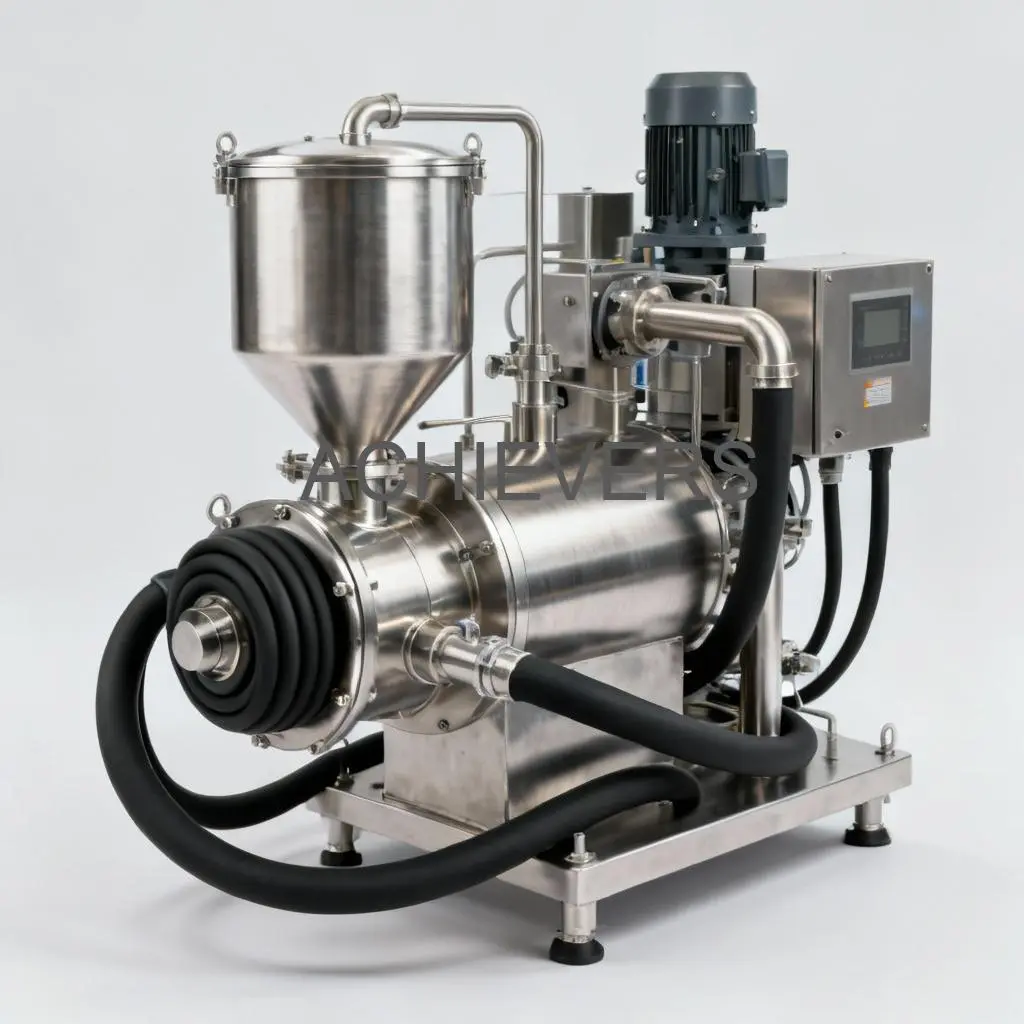
2. Key Performance Factors for Evaluating a Liquid Batching System
Selecting the right equipment goes beyond just picking a model off a shelf. This blog post guides industrial buyers on how to evaluate and select the right Liquid Batching System for accurate and consistent dispensing of diesel, lubricants, or specialty chemicals. It focuses on key parameters like flow rate, accuracy, viscosity compatibility, automation controls, and integration with plant systems—tailored for Indian industries such as automotive assembly, fuel blending, and lubricant packaging.
Flow Rate and Batch Size
The relationship between your required batch size and the system's flow rate is the first critical factor. If you are filling 200-liter drums, a system with a low flow rate (e.g., 20 LPM) will create bottlenecks in your production line. Conversely, using a high-flow system (e.g., 500 LPM) for small 5-liter pails will lead to "over-run" errors where the valve cannot close fast enough to stop at the exact target.
- High-Volume Applications: For filling tankers or large storage vats, prioritize higher line sizes (1.5" to 3") and high-capacity pumps.
- Precision Low-Volume Applications: For dosing additives or filling small containers, a lower flow rate ensures the flow meter operates within its most accurate range.
Viscosity Compatibility
One of the most common challenges is how to choose a batching system for high-viscosity fluids. Diesel and water are thin (low viscosity), allowing for centrifugal pumps and standard turbine or oval gear meters. However, lubricants, gear oils, and heavy fuel oils resist flow.
- Pumping Technology: High-viscosity fluids often require positive displacement pumps (like gear or vane pumps) rather than centrifugal pumps to maintain consistent flow without cavitation.
- Meter Selection: The flow meter must be rated for the fluid's thickness. Using a meter designed for diesel on heavy oil can result in high pressure drop and potential damage to the measuring element.
Accuracy and Repeatability
In the context of accurate fluid dispensing solutions, there is a distinction between accuracy (how close the reading is to the true value) and repeatability (how consistently the system provides the same result). For trade custody transfer or expensive chemical blending, high accuracy is non-negotiable.
- Calibration: The system should allow for easy calibration factors to be adjusted in the field, as fluid properties can change with temperature.
- Valve Response: The accuracy of the batch is heavily dependent on the "tail" or "over-run"—the amount of fluid that flows after the stop signal is sent. Advanced batching systems use two-stage shut-off valves (slowing down flow before the final stop) to maximize precision.
Automation and Integration
Modern Indian factories are moving towards Industry 4.0. A standalone liquid batching system is good, but one that communicates with your plant's central PLC or SCADA system is better.
- Data Logging: Look for controllers that offer communication ports (like RS-485 or Modbus). This allows for centralized tracking of total consumption, which is vital for liquid batching system for fuels and lubricants accounting.
- Remote Operation: In hazardous areas, it may be safer to operate the batching process from a control room rather than at the skid itself.
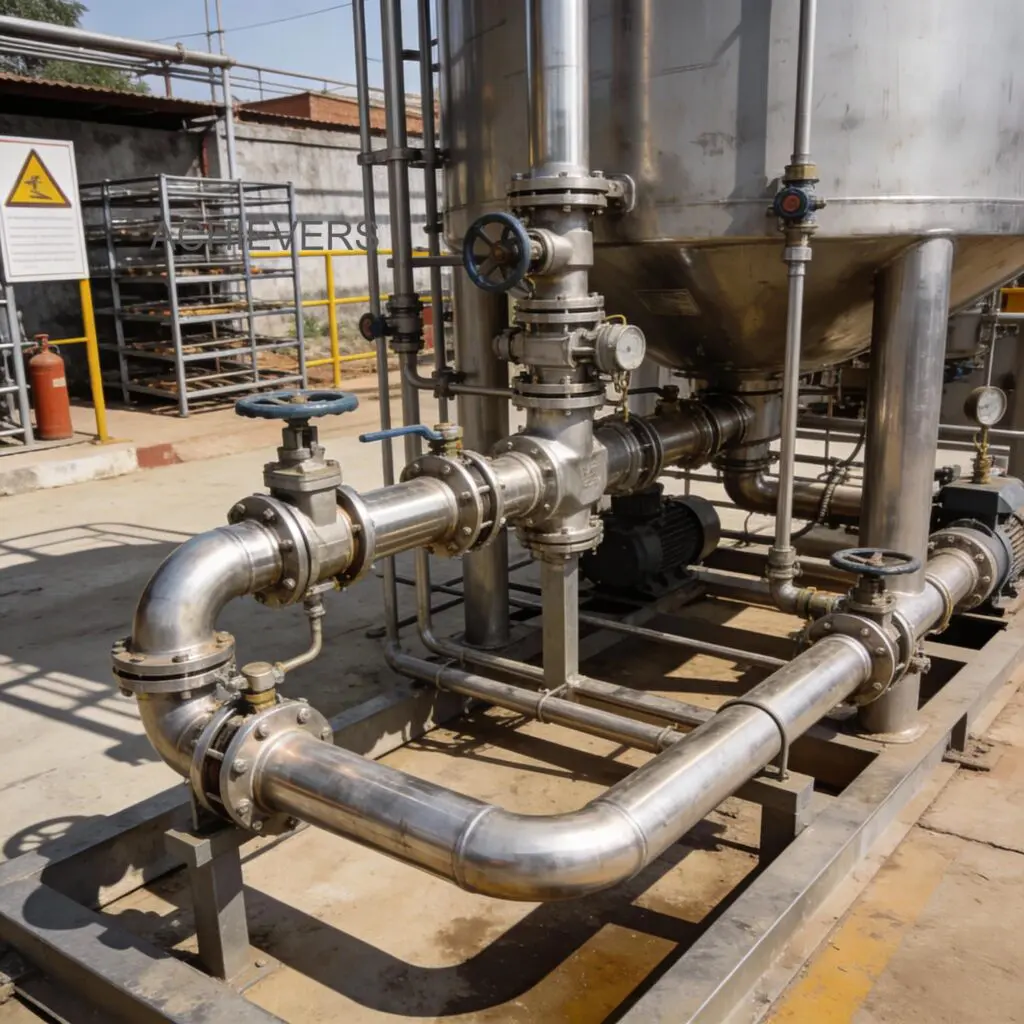
3. Selection and Configuration Guide
Choosing the correct configuration requires a systematic approach. As one of the experienced liquid batching system manufacturers in India, we recommend defining your process parameters clearly before contacting a supplier. A mismatch in specifications can lead to poor performance or premature equipment failure.
Step-by-Step Selection Process
1. Define the Fluid Properties:
- Name of Fluid: (e.g., Diesel, 15W40 Oil, Solvent)
- Viscosity: Does it change with temperature? (e.g., Oil becomes thicker in winter).
- Temperature: High temperatures may require special seals (Viton/Teflon) and expansion management in the meter.
- Chemical Compatibility: Ensure the wetted parts (SS304, SS316, Aluminum, PP) are chemically compatible with the fluid to prevent corrosion.
2. Determine Process Requirements:
- Target Batch Volume: What is the minimum and maximum quantity you will dispense?
- Cycle Time: How fast do you need that batch to complete? This dictates the required LPM (Liters Per Minute).
- Suction Conditions: Is the supply tank above or below the pump? A flooded suction is ideal, but if lifting fluid from an underground tank, a self-priming pump is mandatory.
3. Choose the Control Logic:
- Panel Mounting vs. Field Mounting: Do you need the controller right at the nozzle or in a safe panel nearby?
- Power Supply: Standard industrial 415V/230V AC is common, but mobile dispensing units may require 12V/24V DC options.
Checklist for Enquiry
When sending an enquiry for industrial liquid batching systems, include the following data to ensure a rapid and accurate quote:
- Fluid name and viscosity.
- Operating temperature and pressure.
- Required flow rate range.
- Pipe line size.
- Whether the area is hazardous (requiring Flameproof/Ex-proof motors and instruments).
- Automation level required (Simple start/stop vs. Data integration).
4. Typical Applications
The versatility of the liquid batching system makes it a staple across various sectors. While the core function remains the same—dispensing a set volume—the application environment dictates the configuration.
Automotive and Ancillary Units
In automotive assembly lines, filling stations for engine oil, coolant, and brake fluid require extreme precision. A batching system ensures that every vehicle receives the exact specification of fluids, preventing warranty issues and ensuring quality control compliance.
Fuel Management and Fleet Logistics
For transport companies and mining sites, diesel is a major operating cost. Deploying a batching system for refueling trucks allows fleet managers to authorize specific volumes per vehicle. This prevents pilferage and provides digital records of every liter dispensed, far superior to manual dip-stick methods.
Chemical and Paint Manufacturing
Batching involves mixing specific ratios of solvents, resins, and additives. Manual measuring with buckets is unsafe and inaccurate. An automated system ensures that the recipe is followed strictly, maintaining product consistency and protecting workers from exposure to hazardous fumes.
Lubricant Packaging
For companies that repackage bulk oil into barrels or pails, speed and accuracy are money. A batching system acts as a semi-automatic filling machine, allowing operators to fill 200L drums rapidly without worrying about overfilling and spillage.
5. Service, Installation, and Support
Even the highest quality hardware requires proper installation to perform correctly. At Chintan Engineers, we believe that End-to-End Solutions—from manufacturing to installation and AMC—are critical for long-term satisfaction.
Installation Best Practices
- Straight Run: Flow meters typically require a length of straight pipe before and after the meter to ensure laminar flow, which improves accuracy.
- Filtration: Installing a strainer before the flow meter is mandatory. Debris, welding slag, or tank rust can jam the precise gears of the meter, causing immediate failure.
- Calibration: After installation, the system should be calibrated on-site using a standard measure (proving can) to account for the specific piping geometry and fluid viscosity of the site.
ongoing Support and AMC
Industrial equipment endures wear and tear. Pumps seals wear out, and meter accuracy can drift over time.
- Regular Calibration: We recommend periodic re-calibration to ensure the system stays within the desired accuracy class.
- Genuine Spares: Using OEM spares for pumps and meters ensures that the system retains its original performance specifications.
- Technical Expertise: Our commitment to customers includes access to technical experts who can troubleshoot integration issues or suggest upgrades as your plant capacity expands.
Choosing a partner who offers transparent communication and enduring support is just as important as the product itself. With over 15 years of expertise, we ensure that your investment in automation delivers consistent returns.
Ready to Upgrade Your Dispensing Process?
If you are looking to eliminate wastage and improve accuracy in your fluid handling, we can help you configure the perfect solution. Contact our technical team today with your fluid details, flow requirements, and site conditions, and we will engineer a system tailored to your specific needs.
