
















En el exigente panorama de la manufactura y la infraestructura de la India, los sistemas de manejo de fluidos son los héroes anónimos de las operaciones diarias. Desde la transferencia de productos químicos agresivos en las correas industriales de Gujarat hasta la gestión de los procesos de tratamiento de agua en instalaciones metropolitanas, la fiabilidad de sus equipos de bombeo está directamente relacionada con el tiempo de actividad y la rentabilidad de la planta. Entre las diversas opciones de materiales disponibles, Bombas de acero inoxidable (Bombas de acero inoxidable) se destacan como la opción preferida para aplicaciones que requieren durabilidad, higiene y resistencia a la corrosión.
Sin embargo, seleccionar una bomba de alta calidad es solo la mitad del camino. Para maximizar el retorno de la inversión (ROI) de la maquinaria industrial, los ingenieros de planta y los gerentes de mantenimiento deben comprender las variables que determinan la eficiencia y la vida útil. En un entorno donde los costos de energía aumentan y el tiempo de inactividad es costoso, optimizar la estrategia de manejo de fluidos es esencial. Este artículo profundiza en los aspectos técnicos de las bombas de acero inoxidable, explorando cómo una selección, instalación y mantenimiento adecuados pueden transformarlas de simples componentes en activos de excelencia operativa.
1. Qué hace este producto
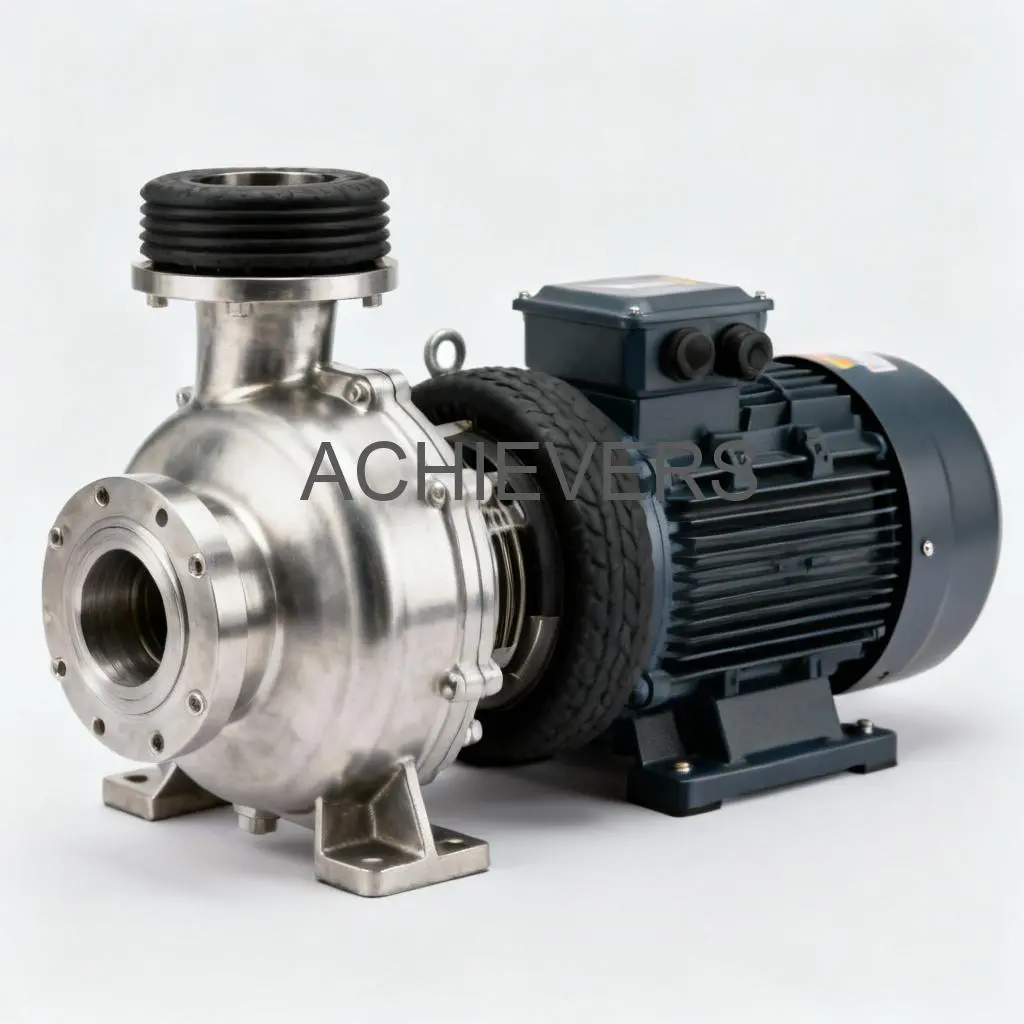
En esencia, el Bombas de acero inoxidable Los dispositivos de manejo de fluidos fabricados por Chintan Engineers están diseñados con ingeniería de precisión para bombear líquidos demasiado corrosivos, calientes o higiénicos para bombas estándar de hierro fundido o acero dulce. A diferencia de las bombas de servicio estándar, estas unidades se fabrican con acero inoxidable de alta calidad (normalmente SS 304 o SS 316), lo que ofrece una resistencia superior al ataque químico y la oxidación.
Estas bombas están diseñadas para proporcionar caudales constantes y mantener las cargas de presión requeridas para redes de tuberías industriales complejas. Se caracterizan por su robusta construcción, que minimiza la vibración y soporta los rigores de los ciclos de trabajo continuos. Entre sus características principales se incluyen:
- Resistencia a la corrosión: La capa de óxido de cromo en el acero inoxidable evita la oxidación y la degradación, incluso al manipular fluidos ácidos o alcalinos.
- Diseño higiénico: Las superficies internas lisas evitan el crecimiento bacteriano y la acumulación de partículas, lo que las hace adecuadas para sectores que requieren alta pureza.
- Estabilidad térmica: Capaz de manejar una amplia gama de temperaturas de fluidos sin deformaciones ni fallas mecánicas.
- Eficiencia mecánica: Los impulsores y carcasas mecanizados con precisión reducen las pérdidas hidráulicas, lo que garantiza que la entrada de potencia se traduzca de manera efectiva en movimiento de fluido.
- Versatilidad: Disponible en varias configuraciones (como arquitecturas centrífugas o de desplazamiento positivo) para adaptarse a diferentes viscosidades y requisitos de presión.
Al utilizar técnicas de fabricación avanzadas y una calibración rigurosa, estas bombas proporcionan la precisión y confiabilidad necesarias para líneas de proceso críticas, ya sea para sistemas de dosificación o circuitos de transferencia continua.
2. Factores clave que afectan la eficiencia y la vida útil de las bombas de acero inoxidable en aplicaciones industriales
La eficiencia y la durabilidad en el manejo de fluidos no son accidentales; son el resultado de alinear las capacidades de la bomba con las características físicas específicas de la aplicación. Esta sección explora los factores críticos que afectan el rendimiento, la eficiencia energética y la durabilidad de las bombas de acero inoxidable en industrias como el procesamiento químico, el tratamiento de aguas, la climatización (HVAC) y la farmacéutica. Ofrece información práctica para que los ingenieros de planta y los equipos de mantenimiento optimicen la selección, instalación y operación de bombas en entornos industriales de la India.
El impacto de las propiedades del fluido en la eficiencia hidráulica
Una de las razones más comunes de falla prematura en Bombas de acero inoxidable Existe una discrepancia entre el diseño de la bomba y las propiedades del fluido. Si bien el acero inoxidable ofrece una excelente compatibilidad química, la viscosidad y la gravedad específica del fluido influyen enormemente en el consumo de energía.
- Viscosidad: A medida que aumenta el espesor del fluido, aumentan las pérdidas por fricción dentro de la carcasa de la bomba. Una bomba centrífuga de acero inoxidable diseñada para agua experimentará una disminución significativa del caudal y la altura de elevación al bombear aceites o resinas viscosas, lo que provoca una sobrecarga del motor.
- Peso específico: Bombear un fluido más pesado que el agua requiere más potencia. Si el motor no está dimensionado correctamente para la gravedad específica del fluido, la bomba funcionará de forma ineficiente o se disparará con frecuencia.
Operando cerca del punto de máxima eficiencia (BEP)
Cada bomba tiene un punto de máxima eficiencia (BEP): el caudal y la presión de descarga donde la bomba funciona con mayor suavidad y utiliza la menor cantidad de energía en relación con el trabajo realizado.
- Cargas radiales: Operar las bombas de acero inoxidable demasiado a la izquierda (caudal bajo) o a la derecha (caudal alto) del BEP provoca fuerzas radiales desequilibradas en el impulsor. Esto provoca la deflexión del eje, falla prematura del sello y daños en los cojinetes.
- Desperdicio de energía: Bombas eficientes de acero inoxidable Son aquellos dimensionados de modo que su punto de trabajo se encuentre entre 80% y 110% del BEP. El funcionamiento fuera de este rango desperdicia electricidad y genera calor excesivo.
Cavitación y altura de succión neta positiva (NPSH)
La cavitación es el asesino silencioso de las bombas. Se produce cuando la presión en la succión de la bomba cae por debajo de la presión de vapor del líquido, lo que provoca la formación de burbujas que luego colapsan violentamente en la superficie del impulsor. Esto es particularmente perjudicial para Bombas de acero inoxidable para aplicaciones industriales porque las implosiones pueden picar la superficie del metal, destruyendo el perfil hidráulico.
- NPSHa frente a NPSHr: Los ingenieros deben asegurarse de que la altura de succión neta positiva disponible (NPSHa) del sistema sea significativamente mayor que la altura de succión neta positiva requerida (NPSHr) por la bomba.
- Influencia de la temperatura: En aplicaciones químicas y de HVAC donde los fluidos pueden estar calientes, la presión de vapor aumenta, lo que reduce el margen de succión disponible.
Integridad del sello mecánico y selección de materiales
El sello mecánico es a menudo el eslabón más débil de un sistema de bombeo. Bombas de acero inoxidable para plantas de procesos químicos, las caras del sello deben ser compatibles con el fluido.
- Ataque químico: Si bien el cuerpo de la bomba (acero inoxidable 316) puede resistir ácidos, las caras de sello de carbono/cerámica estándar podrían no serlo. La elección de caras de carburo de silicio o carburo de tungsteno es crucial para fluidos abrasivos o agresivos.
- Funcionamiento en seco: Las bombas de acero inoxidable dependen del fluido bombeado para lubricar y enfriar las caras del sello. Incluso un funcionamiento en seco momentáneo puede romper las caras del sello, lo que provoca fugas inmediatas y posibles riesgos ambientales.
Diseño del sistema y configuración de tuberías
La eficiencia de Bombas industriales de acero inoxidable en Ahmedabad La dependencia de las instalaciones a menudo depende de las tuberías conectadas a ellas.
- Tubería de entrada: El flujo turbulento que entra en la succión de la bomba debido a codos o válvulas ubicados demasiado cerca de la entrada reduce la eficiencia. Se recomienda un tramo recto de tubería (normalmente de 5 a 10 veces el diámetro de la tubería) antes de la brida de succión.
- Alineación: La desalineación entre el motor y el eje de la bomba es una de las principales causas de vibración. Esta vibración fatiga los componentes de acero inoxidable y reduce drásticamente la vida útil de los rodamientos.
3. Guía de selección/configuración
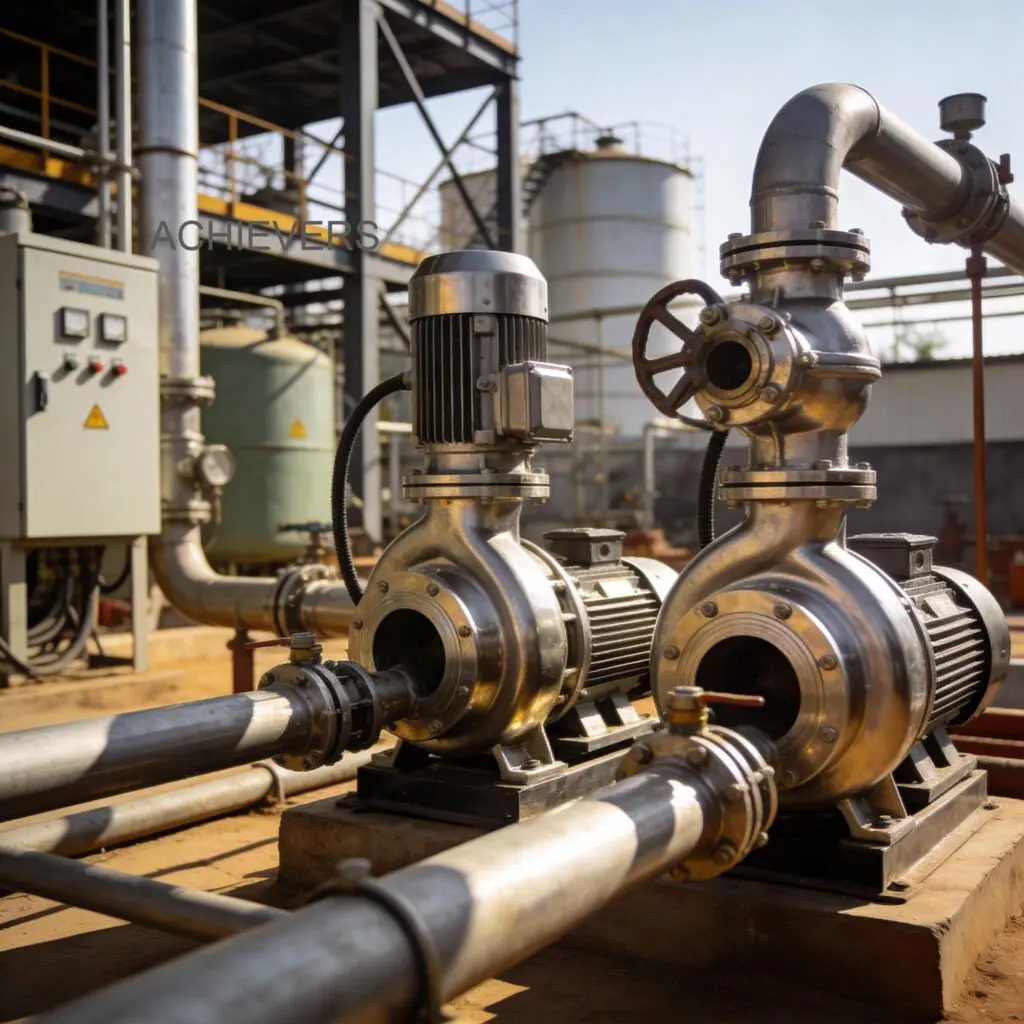
Elegir las bombas de acero inoxidable correctas para sus instalaciones implica más que simplemente elegir el tamaño de las bridas. Requiere una visión integral de los requisitos del proceso y las condiciones ambientales. Al adquirir... Fabricantes de bombas de acero inoxidable en India, Los compradores deben seguir un proceso de selección estructurado para garantizar el valor a largo plazo.
Paso 1: Definir el punto de trabajo hidráulico
- Caudal (Q): ¿Cuál es el volumen deseado por minuto u hora?
- Altura dinámica total (H): Calcule la elevación estática más las pérdidas por fricción en la tubería. No se base únicamente en las lecturas del manómetro de las bombas existentes, ya que las bombas antiguas pueden estar desgastadas.
Paso 2: Seleccione la metalurgia adecuada
No todos los aceros inoxidables son iguales.
- SS 304: Apto para agua dulce, disolventes suaves y aplicaciones sanitarias generales. Es rentable y duradero para entornos estándar.
- Acero inoxidable 316/316L: Obligatorio para aplicaciones farmacéuticas, procesamiento de alimentos y productos químicos agresivos (cloruros, ácidos). La adición de molibdeno proporciona una resistencia superior a las picaduras.
Paso 3: Configurar la unidad y el sello
- Selección de motor: Determine si necesita un motor TEFC (Totalmente cerrado y refrigerado por ventilador) estándar o un motor a prueba de llamas (FLP) para zonas peligrosas (comunes en plantas químicas y de petróleo/gas).
- Tipo de sello:
- Sello mecánico simple: Estándar para fluidos limpios.
- Sello mecánico doble: Requerido para fluidos tóxicos, peligrosos o cristalizantes, a menudo requiriendo un sistema de soporte de sello (termosifón).
Lista de verificación para la consulta
Al contactar a los fabricantes para Eficiencia de la bomba en la fabricación configuraciones, proporcione los siguientes datos:
- Nombre y concentración del fluido.
- Temperatura de funcionamiento y gravedad específica.
- Viscosidad (a temperatura de funcionamiento).
- Presencia de sólidos o partículas abrasivas.
- Voltaje y frecuencia disponibles en el sitio.
4. Aplicaciones típicas
La versatilidad de las bombas de acero inoxidable las convierte en un producto básico en una amplia gama de industrias indias. Su naturaleza no reactiva garantiza la pureza del producto, mientras que su resistencia mecánica garantiza su fiabilidad.
Procesamiento químico y petroquímico
En este sector, las bombas manejan fluidos agresivos como ácido sulfúrico, disolventes y sosa cáustica. Las bombas de acero inoxidable son cruciales en este caso, ya que la corrosión puede provocar fugas peligrosas. Se utilizan para la transferencia entre tanques de almacenamiento, la alimentación de reactores y la circulación a través de intercambiadores de calor.
Productos farmacéuticos y biotecnología
Para la industria farmacéutica, el acabado superficial y la facilidad de limpieza son fundamentales. Las bombas de acero inoxidable se utilizan para transferir agua purificada (WFI), jarabes e ingredientes farmacéuticos activos (API). Las superficies electropulidas de las bombas de acero inoxidable de alta calidad previenen la formación de biopelículas, garantizando así el cumplimiento de estrictas normas sanitarias.
Tratamiento de agua y aguas residuales
Si bien el hierro fundido se utiliza para aguas residuales sin tratar, las bombas de acero inoxidable se prefieren para plantas de ósmosis inversa (OI), desalinización y transferencia de agua desmineralizada (DM). En estas aplicaciones de alta presión, la resistencia del acero inoxidable a los ataques de cloruros (presentes en la salmuera) es esencial para la longevidad del equipo.
Alimentos y bebidas
Desde leche y jugos hasta aceites comestibles y elaboración de cerveza, las bombas de acero inoxidable garantizan que el sabor y la seguridad del producto se mantengan inalterados. Están diseñadas para desmontarse fácilmente para procedimientos de limpieza in situ (CIP).
HVAC y refrigeración industrial
En torres de refrigeración y plantas de enfriamiento a gran escala, el agua suele contener productos químicos de tratamiento para evitar la formación de incrustaciones. Las bombas de acero inoxidable resisten mejor estos productos químicos que las de acero dulce, lo que garantiza una circulación eficiente de la transferencia de calor durante años de funcionamiento.
5. Servicio, instalación y soporte
Incluso las bombas de acero inoxidable más robustas requieren una instalación y un mantenimiento adecuados para un rendimiento óptimo. Chintan Engineers enfatiza que la vida útil de una bomba suele determinarse en las primeras horas de funcionamiento.
Mejores prácticas de instalación
- Base: La bomba debe montarse sobre una base rígida y plana para absorber las vibraciones. Se debe utilizar lechada para eliminar los huecos bajo la placa base.
- Estrés en la tubería: Las tuberías deben tener soportes independientes. La carcasa de la bomba no debe actuar como punto de anclaje para el sistema de tuberías, ya que esto genera tensiones que deforman la carcasa y desalinean los componentes internos.
- Cebado: Asegúrese de que la bomba esté completamente cebada antes de arrancar. Purgue el aire atrapado en la carcasa para evitar bolsas de aire y daños en el sello.
Mantenimiento rutinario y calibración
Para mantener Eficiencia de la bomba en la fabricación, Un programa de mantenimiento proactivo es vital.
- Análisis de vibraciones: El monitoreo regular puede detectar el desgaste de los cojinetes o el desequilibrio del impulsor antes de que ocurra una falla catastrófica.
- Inspección del sello: Revise si hay pequeñas fugas en el sello. Una pequeña fuga suele ser un precursor de una falla completa del sello.
- Comprobación del amperaje: Monitoree la corriente del motor. Un aumento gradual del amperaje con el tiempo indica desgaste interno o mayor fricción en el sistema.
El valor del apoyo local
Elegir un fabricante nacional garantiza el acceso a repuestos y experiencia técnica de fácil acceso. Las bombas importadas suelen tener largos plazos de entrega para piezas de repuesto, como impulsores o sellos mecánicos específicos. Con soluciones integrales que incluyen AMC y soporte técnico, fabricantes indios como Chintan Engineers ofrecen la tranquilidad de que las líneas de producción no permanecerán inactivas debido a problemas con las bombas.
Conclusión
La eficiencia y la vida útil de las bombas de acero inoxidable no son fruto del azar, sino de la precisión de la ingeniería y la disciplina operativa. Al comprender la interacción entre las propiedades del fluido, las curvas del sistema y la selección de materiales, los usuarios industriales pueden reducir significativamente los costos de energía y los gastos generales de mantenimiento. Ya sea que esté modernizando una planta química existente o diseñando una nueva planta de tratamiento de agua, la configuración correcta de la bomba es clave para el éxito operativo.
¿Está listo para optimizar sus sistemas de manejo de fluidos?
Asegúrese de contar con las bombas de acero inoxidable adecuadas para su aplicación específica. Contacte hoy mismo con el equipo técnico de Chintan Engineers para informarnos sobre sus necesidades:
- Nombre del producto: Bombas de acero inoxidable
- Caudal y altura: Sus necesidades de capacidad específicas
- Detalles del fluido: Tipo, temperatura y viscosidad
- Solicitud: Su caso de uso industrial
Permítanos ayudarle a diseñar una solución diseñada para precisión y durabilidad.
