
















Managing fuel inventory effectively is one of the most significant challenges for industrial plant managers, fleet operators, and construction site supervisors across India. Diesel often represents one of the largest operational expenses, yet it is frequently handled with rudimentary equipment that leads to spillage, inaccurate measurement, and potential pilferage. For industries relying on heavy machinery, logistics, or backup power generation, moving from manual pouring to a precision-engineered Diesel Dispenser is not just an upgrade—it is a necessity for cost control and accountability.
Selecting the right dispensing system requires looking beyond simple pumping capabilities. It involves understanding flow dynamics, metering accuracy, and the ruggedness required to withstand Indian industrial environments, from dusty mining sites to humid coastal refineries. This article explores the technical nuances of industrial fueling systems and highlights why selecting a high-quality dispenser is critical for maintaining operational uptime and financial integrity.
1. What this product does and its core specifications
A Diesel Dispenser is a specialized, integrated system designed to transfer diesel fuel from a storage tank (underground or aboveground) to a receiving vehicle or equipment tank while simultaneously measuring the volume transferred with high precision. Unlike a simple transfer pump, a dispenser combines pumping, metering, filtration, and nozzle control into a single, cohesive unit designed for repetitive, high-volume use.
Based on standard industrial configurations and the engineering focus of manufacturers like Chintan Engineers, these units are built to deliver performance and durability. The core function revolves around a positive displacement mechanism or a heavy-duty vane pump that ensures consistent flow rates even when pressure varies.
Key Technical Specifications & Features:
- Flow Rate Versatility: These units generally offer flow rates tailored to the application, ranging from standard speeds (40–60 LPM) for small commercial vehicles to high-speed options (80–120 LPM) required for filling large dumpers, excavators, or locomotives quickly to reduce downtime.
- Metering Accuracy: At the heart of the system is the flow meter. Industrial dispensers typically utilize oval gear or nutating disc meters that offer high accuracy (often within ±0.5% or better). This precision is verified through rigorous calibration processes to ensuring that every liter dispensed is accounted for.
- Filtration Integration: To protect modern common-rail diesel engines, these dispensers often incorporate line strainers or fine micron filters to remove particulate matter before the fuel enters the vehicle.
- Display & Control: Options range from mechanical counters (resettable totalizers) which are robust and require no complex electronics, to digital displays that offer preset capabilities (e.g., "fill 50 liters and stop").
- Construction: Built for industrial environments, the housing is typically powder-coated steel to resist corrosion, dust, and impact.
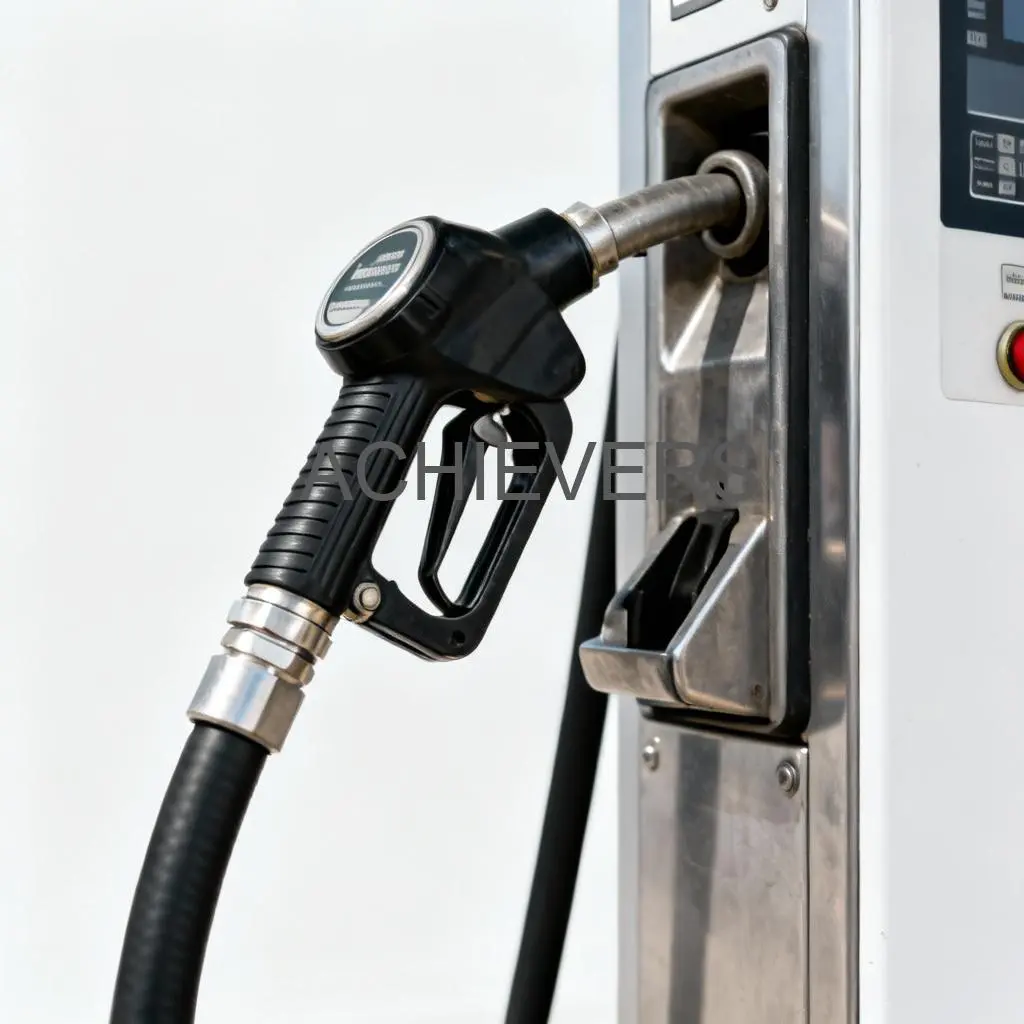
- Nozzle Technology: Equipped with automatic shut-off nozzles, these units prevent overfilling and spillage, which is a critical safety and environmental compliance feature.
2. Critical features to evaluate for industrial and fleet operations
When sourcing a Diesel Dispenser, the goal is to align the equipment's capabilities with your specific site requirements. Industrial and fleet operators in India must evaluate several critical features to ensure the investment translates into better fuel tracking and operational control. A mismatch in specifications can lead to slow refueling times (increasing idle time) or inaccurate logs (leading to unexplained inventory losses).
1. Flow Rate Efficiency vs. Application
The speed of dispensing is directly tied to operational efficiency. For a fleet of light commercial vehicles, a standard 40-50 LPM dispenser is sufficient. However, for industrial diesel fuel dispensing involving mining trucks or heavy earthmovers with fuel tanks exceeding 300 liters, a low flow rate results in excessive downtime. In these scenarios, opting for a heavy-duty high-flow variant is essential. Operators must calculate the "Time to Fill" for their largest asset and choose a dispenser that minimizes this non-productive window.
2. Metering Accuracy and Calibration
In fleet operations, fuel accounting is paramount. A dispenser is only as good as its meter. When evaluating diesel dispenser for industrial use, look for positive displacement meters. Unlike turbine meters that can fluctuate with viscosity changes (common with temperature variations in India), positive displacement meters maintain accuracy regardless of fuel temperature or pressure. This ensures that the stock book matches the physical inventory, reducing the "shrinkage" often attributed to theft or leaks.
3. Power Options and Site Suitability
Industrial sites are not always connected to a stable grid.
- AC Versions (220V/415V): Ideal for fixed depots, factories, and established fueling stations where mains power is reliable.
- DC Versions (12V/24V): Crucial for remote construction zones or mobile service trucks. These dispensers can be powered directly by the vehicle battery, allowing for mobile refueling capabilities in off-grid locations.
4. Durability and Environmental Protection
Indian industrial sites are harsh. A diesel dispenser installed at a stone crusher or a cement plant faces extreme dust. One installed at a port faces saline humidity. Leading diesel dispenser manufacturers in India engineer their enclosures with high IP (Ingress Protection) ratings. When buying, ensure the keypad, display, and internal motor are protected against dust ingress and water splashes to prevent premature failure.
5. Automation and Preset Features
For unmanned or semi-automated sites, the ability to preset the fill amount is vital. Digital versions of the dispenser allow the operator to type in the desired volume/price, and the machine automatically cuts off delivery once reached. This diesel filling machine feature eliminates human error and allows the operator to perform other safety checks while the tank is filling, rather than holding the nozzle trigger manually.
3. Selection and configuration guide
Choosing the correct configuration involves a systematic assessment of your infrastructure. Industrial buyers should not simply ask for a "standard model" but should specify their needs to ensure the dispensed solution fits the workflow. Here is how to navigate the selection process.
Step 1: Define the Mounting and Mobility Needs
- Wall/Tank Mounted: Best for static tanks where space is limited. The dispenser is bolted directly to the storage tank or adjacent wall.
- Pedestal/Skid Mounted: Ideal for permanent fueling islands at fleet depots. These offer better stability and protection for internal components.
- Mobile Cart/Trolley: For shop floors where the fuel needs to go to the machine (e.g., filling stationary gensets or compressors).
Step 2: Determine the Control Mechanism
- Mechanical Type: Choose this for extreme durability and simplicity. If you just need a cumulative total and a resettable batch counter without complex electronics that could fail in extreme heat, mechanical is the industry standard for reliability.
- Electronic/Digital Type: Choose this if you need precision to the second decimal, preset functionality, or if you plan to integrate the dispenser with a fuel management system (FMS) in the future.
Step 3: Checklist for Enquiry
When contacting suppliers regarding how to choose diesel dispenser configurations, have the following data ready:
- Power Source: Is 230V AC available, or do you need 12V/24V DC?
- Suction Lift: What is the distance and vertical height from the bottom of the tank to the dispenser inlet? (This dictates pump sizing).
- Duty Cycle: Will the pump run continuously for 4 hours, or intermittently?
- Required Accessories: Do you need a longer delivery hose (e.g., 10 meters instead of standard 4)? Do you need a reel?
4. Typical applications
The versatility of the Diesel Dispenser makes it a staple across various sectors in India. While the core function remains the same, the application context varies:
- Fleet Depots and Transport Logistics:
Transport companies use these dispensers to refuel trucks and buses in-house. This allows for bulk fuel purchasing (saving costs) and strict monitoring of fuel consumption per kilometer (saving operational costs). A fuel dispenser for fleet operations is practically mandatory for any logistics company managing more than 10 vehicles.
- Construction and Infrastructure Projects:
Remote highway projects and building sites utilize DC-powered dispensers mounted on mobile service trucks (bowsers). These units travel to excavators and cranes to refuel them on-site, ensuring that heavy machinery never has to leave the work zone.
- Manufacturing and Industrial Plants:
Factories utilize dispensers for filling forklifts, backup DG sets, and furnaces. The accuracy of the dispenser ensures that departmental fuel costs can be allocated correctly.
- Mining and Quarrying:
In these rugged environments, high-flow dispensers are used to fill massive dump trucks. The equipment here must be exceptionally robust to handle the vibration and dust typical of mining operations.
5. Service, installation, and technical support
Even the most robust Diesel Dispenser requires correct installation to function accurately. Leading manufacturers like Chintan Engineers emphasize that the longevity of the equipment is determined during the commissioning phase.
Installation Best Practices:
- Suction Line Integrity: The suction line must be airtight. Even a pinhole leak can cause the pump to cavitate, leading to noise, reduced flow, and internal damage.
- Filtration Maintenance: The inlet strainer or external filter prevents debris from entering the precision gears of the flow meter. Regular cleaning of these filters is the single most effective maintenance task to prevent meter jamming.
- Calibration Checks: Over time, mechanical wear can cause slight drift in measurement accuracy. It is recommended to perform a calibration check (using a standard 10 or 20-liter measure) every 6 to 12 months, or as recommended by the manufacturer’s AMC guidelines.
Support does not end at delivery. Established manufacturers provide comprehensive after-sales support, including the availability of genuine spare parts like vanes, seals, and circuit boards. In the Indian market, where downtime costs are high, relying on a supplier that offers local technical support and Annual Maintenance Contracts (AMC) ensures that your fueling operations remain uninterrupted.
Call to action
Optimizing your fuel management starts with the right equipment. Whether you are setting up a new consumer pump for your fleet or upgrading an old gravity-feed system to a powered solution, selecting the correct specs is crucial for long-term value.
Contact Chintan Engineers today to discuss your specific fueling requirements. Our technical team can help you configure the ideal Diesel Dispenser based on your daily consumption volume, available power supply, and site conditions.
Ensure precision. Eliminate waste. Power your operations.
