
















For plant managers and procurement teams across India’s industrial landscape, the accuracy of fluid handling systems is directly tied to operational profitability. Whether you are managing a fleet of vehicles requiring diesel transfer or overseeing a hydraulic power pack in a manufacturing unit, the inability to measure consumption accurately leads to "shrinkage," unaccounted losses, and inefficient process control. In harsh industrial environments, reliability is just as critical as accuracy; a meter that jams due to viscosity changes or fails under pressure spikes causes costly downtime.
To address these challenges, robust Oil Flow Meters are essential. These devices are not merely accessories but critical control points in your fluid management infrastructure. Selecting the right meter requires moving beyond simple line-size matching and understanding the fluid dynamics of the oil being measured. From the variation in viscosity due to India's ambient temperature fluctuations to the specific pressure requirements of lubrication circuits, every variable affects the choice of metering technology. This guide explores the technical parameters necessary for selecting the correct flow measurement solution, ensuring your operations remain efficient, compliant, and precise.
1. What this product does
The Oil Flow Meters manufactured by Chintan Engineers are precision-engineered instruments designed specifically for the measurement of hydrocarbon-based fluids. Unlike standard water meters which cannot handle the lubricating properties or varying viscosities of oils, these meters are built to perform under the demanding conditions of industrial fluid transfer.
At their core, these meters typically utilize positive displacement (PD) technology or oval gear mechanisms, which are the industry standard for measuring viscous fluids. This technology ensures that the meter measures a discrete volume of fluid with every rotation, providing exceptional accuracy even when flow rates fluctuate. These instruments are designed to handle a wide spectrum of fluids, ranging from low-viscosity fuels like diesel and kerosene to high-viscosity lubricants, heavy oils, and hydraulic fluids.
Key specifications and features often associated with these industrial-grade meters include:
- High Accuracy and Repeatability: Precision machined components ensure that the measurement remains consistent over time, a critical factor for custody transfer or precise batching applications.
- Robust Construction: Built with durable materials such as aluminum or stainless steel to withstand mechanical stress and chemical compatibility issues common in industrial plants.
- Versatile Flow Ranges: Engineered to cover broad flow rates, allowing them to be used in applications ranging from small dosing systems to high-capacity tanker unloading.
- Viscosity Handling: Capable of maintaining accuracy even as oil thickness changes due to temperature variations.
- Readout Options: Available with mechanical registers for remote sites without power or digital displays for integration into automation systems (PLC/SCADA).
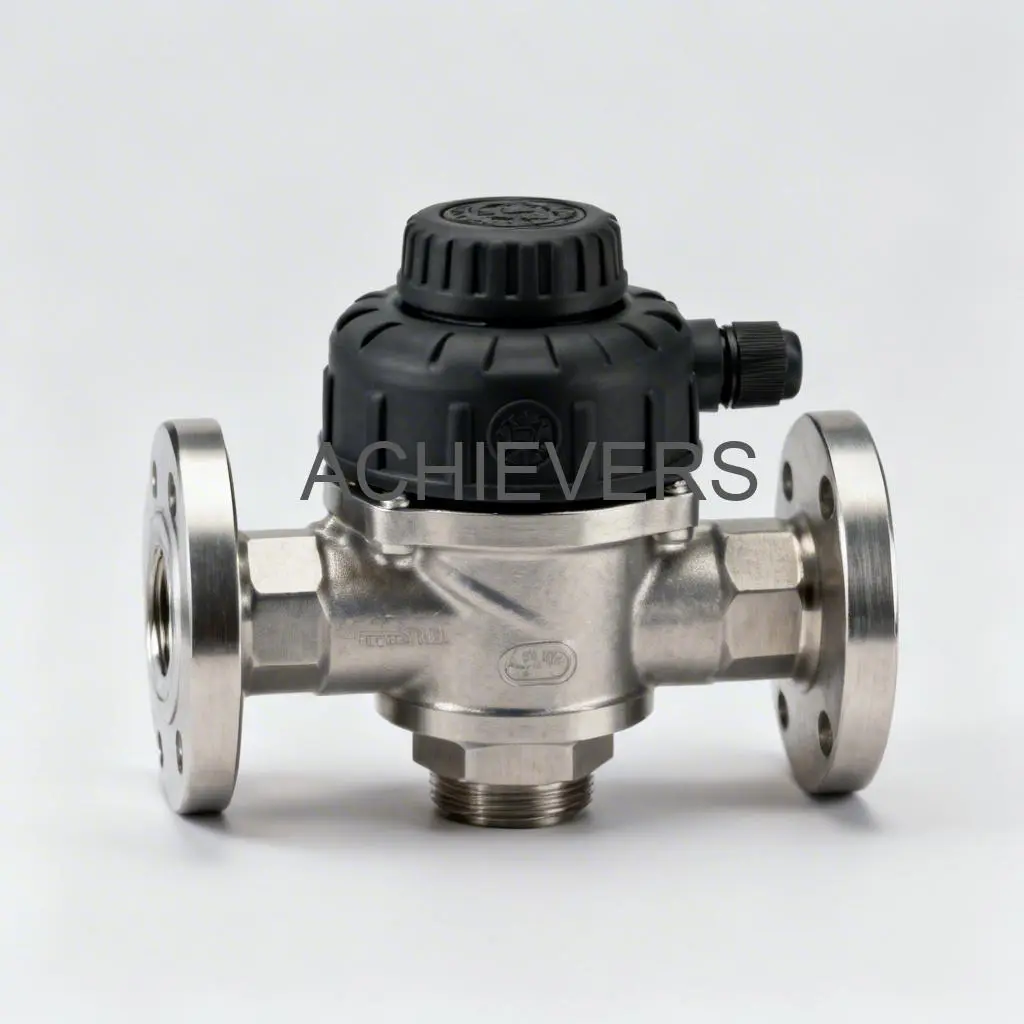
2. Sizing and Selecting Oil Flow Meters: Rangeability, Viscosity, Pressure Drop, and Connections
This post helps Indian plant engineers and purchase teams correctly size oil flow meters by matching flow range, oil viscosity, operating pressure/temperature, allowable pressure drop, and end connections (BSP/NPT/flange). It will include practical selection scenarios for hydraulic oil, lube oil, and diesel/kerosene transfer to avoid oversizing, inaccuracy, and repeat failures.
Selecting the correct meter is rarely as simple as matching the pipe size. A 2-inch pipe does not automatically require a 2-inch meter. In fact, sizing based solely on connection size is the leading cause of poor meter performance. To select the right Oil Flow Meters, engineers must evaluate four critical technical parameters: Rangeability, Viscosity, Pressure Drop, and Connections.
Viscosity and its Impact on Selection
Viscosity is the resistance of a fluid to flow, and it drastically changes with temperature. In many Indian industrial setups, ambient temperatures can range from 5°C in winter to 45°C in summer, causing significant changes in oil thickness.
For positive displacement oil flow meter for high viscosity oil, the "slippage" factor is a key consideration. In low-viscosity fluids (like diesel), fluid can slip past the internal gears if the meter is not sized correctly for the flow rate, potentially causing under-reading at the low end of the flow range. However, as viscosity increases (e.g., usually above 100 cSt for heavy lube oils), the meter actually becomes more accurate because the fluid seals the gap between gears more effectively.
Conversely, high viscosity introduces a penalty: Pressure Drop. The thicker the oil, the harder it is to push through the meter. If you select a meter that is too small for a high-viscosity application, the pressure drop will be excessive, potentially stalling the pump or damaging the meter’s internal rotors. Therefore, knowing the viscosity in centistokes (cSt) or Saybolt Universal Seconds (SSU) at the operating temperature is non-negotiable.
Understanding Pressure Drop (Delta P)
Oil flow meter pressure drop calculation and selection is vital for system health. Every component in a pipeline introduces resistance. The flow meter adds to this head loss. Plant engineers must determine the "Allowable Pressure Drop" for their system.
- Scenario: A hydraulic return line usually has low pressure. Installing a small, high-resistance meter here can cause backpressure that blows seals upstream.
- Calculation: If a meter datasheet says the pressure drop is 0.5 bar at 100 LPM for water (1 cSt), it will be significantly higher for Gear Oil 320. Engineers must consult the manufacturer’s correction curves to ensure the Delta P remains within the pump's capability.
Rangeability and Turndown Ratio
Rangeability refers to the ratio between the maximum and minimum flow rates where the meter maintains its accuracy. Industrial oil flow meters typically offer a turndown ratio of 10:1 or higher.
- Oversizing Mistake: If your system pumps oil at 20 LPM, but you buy a 2-inch meter rated for 50-500 LPM because your pipe is 2 inches, you are operating below the meter’s accurate range. The meter may not even register the flow.
- Correct Sizing: Ideally, your normal operating flow rate should fall around 60-70% of the meter’s maximum capacity. This provides a buffer for surges while keeping the operation in the "sweet spot" of the accuracy curve.
Connection Standards: BSP, NPT, and Flanges
The physical interface of the meter matters immensely during installation. Oil flow meter BSP NPT flange connection selection often causes delays during commissioning if mismatched.
- BSP (British Standard Pipe): The standard thread type for most general engineering and water industries in India.
- NPT (National Pipe Taper): Common in American equipment and certain Oil & Gas specifications. While they look similar to BSP, the thread angles differ (55° vs 60°), and forcing them together will cause leaks.
- Flanges (ANSI/DIN/JIS): Preferred for larger pipe sizes (usually 2 inches and above) or high-pressure applications where threaded connections are potential leak points. Flanges facilitate easier removal of the meter for maintenance without dismantling the entire pipe run.
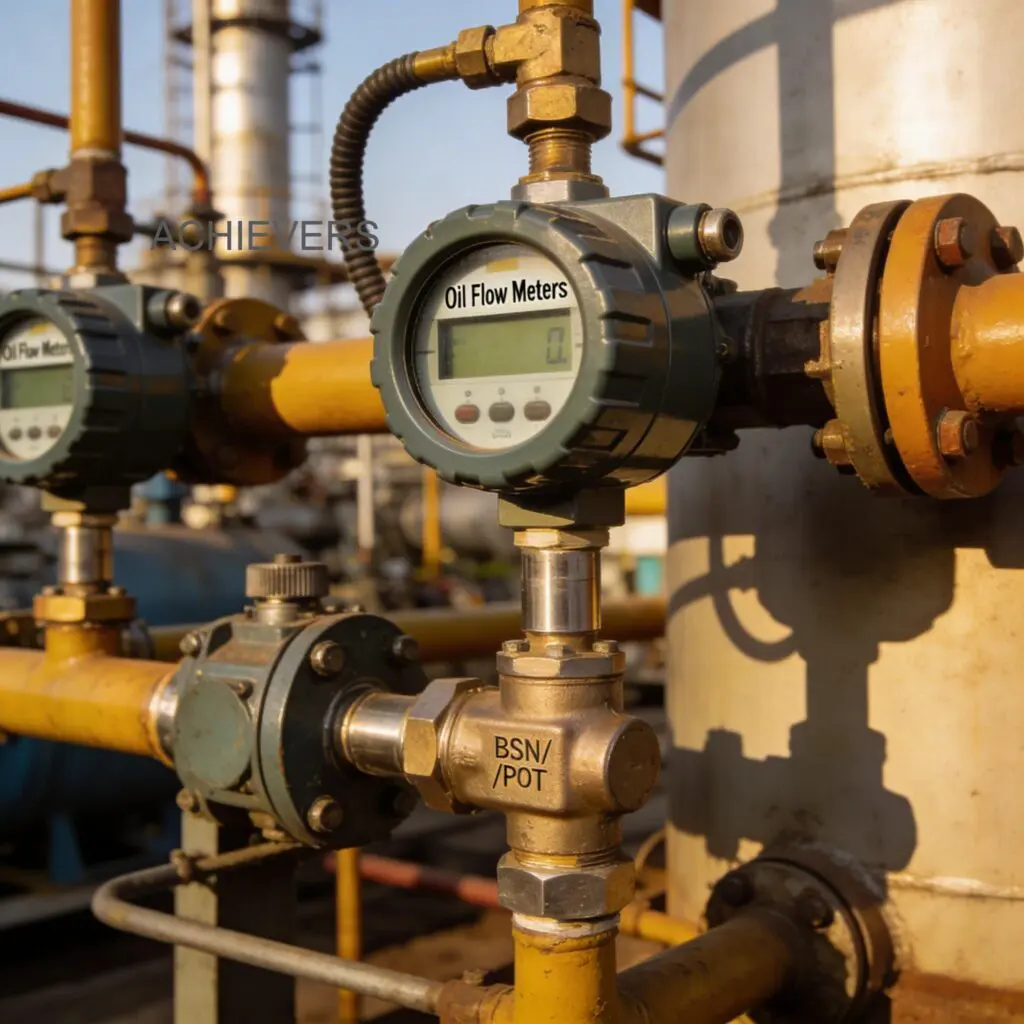
3. Selection / configuration guide
To assist Indian industries in procuring the exact Oil Flow Meters required for their facility, we have compiled a configuration guide. When enquiring, moving beyond generic requests ensures you receive a quote for a product that will last.
Step-by-Step Selection Process
- Define the Fluid Properties:
- Identify the exact fluid (e.g., Diesel, Hydraulic Oil 68, Furnace Oil).
- Determine the operating viscosity range (Min/Max cSt).
- Define the operating temperature (viscosity is temperature-dependent).
- Determine Flow Rate Dynamics:
- What is the Minimum Flow Rate? (Crucial for low-flow cutoff).
- What is the Maximum Flow Rate? (Crucial for pressure drop).
- Is the flow continuous or batch (start-stop)?
- Check Pressure Conditions:
- What is the maximum operating pressure of the line?
- Ensure the meter body rating exceeds the system’s relief valve setting.
- Select Material of Construction (MOC):
- Aluminum: Lightweight, cost-effective, suitable for diesel and non-corrosive oils.
- Stainless Steel (SS304/SS316): Required for food-grade oils, corrosive environments, or high-pressure hydraulic applications.
- PPS/Resin Rotors: Often used for specific chemical compatibility or lower noise operation.
Data to Communicate to Suppliers
When contacting industrial oil flow meter manufacturers in India, providing the following checklist avoids ambiguity:
- Fluid Name: (e.g., Lube Oil Servo System 68)
- Flow Range: (e.g., 10 to 100 LPM)
- Line Size & Connection: (e.g., 1” BSP Female)
- Display Requirement: (Mechanical Totalizer vs. Digital 4-20mA Output)
- Pressure: (e.g., Max 10 Bar)
Oil flow meter selection guide for Indian industries emphasizes that accuracy is not just about the sensor, but about the installation environment. Always check if you need a strainer upstream to protect the gears from debris, which is a common cause of failure in older pipelines.
4. Typical applications
The versatility of positive displacement oil flow meters allows them to serve a wide array of sectors. Based on the robust design characteristics of Chintan Engineers' products, these meters are frequently deployed in the following scenarios:
1. Hydraulic Power Pack Monitoring
Hydraulic systems rely on precise fluid circulation. Monitoring the flow rate in the return line helps predictive maintenance by indicating pump efficiency or internal leakage. An accurately sized meter ensures that the high-viscosity hydraulic fluid is measured without introducing dangerous backpressure that could overheat the system.
2. Diesel Generator (DG) Set Consumption Monitoring
Fuel represents the largest operating cost for backup power in Indian factories. Installing Oil Flow Meters on the feed and return lines of DG sets allows facility managers to monitor net fuel consumption in real-time. This application demands high accuracy at low flow rates (especially on the return line) and resistance to vibration.
3. Lubrication Oil Dispensing Systems
Automotive manufacturing plants and service centers use centralized lubrication systems to dispense engine oil and gear oil. Batch control systems utilizing these flow meters ensure that the exact quantity of oil is dispensed into the vehicle or drum, preventing spillage and inventory mismatch.
4. Truck Loading and Unloading
For logistics and fuel management companies, speed and volume are key. High-capacity meters are used during the transfer of diesel or kerosene from storage tanks to tanker trucks. These applications often require flanged connections and air eliminators to ensure that pockets of air are not counted as fluid, maintaining custody transfer accuracy.
5. Industrial Boiler Fuel Monitoring
Furnace oil (FO) and Light Diesel Oil (LDO) used in boilers must be measured to track efficiency (Fuel-to-Steam ratio). Given that Furnace Oil can be highly viscous and is often heated, the flow meter must withstand elevated temperatures while maintaining consistent measurement of the thick fuel.
5. Service, installation, and support
Even the highest quality Oil Flow Meters require correct installation to perform optimally. How to size an oil flow meter for hydraulic oil and lube oil is only the first step; proper commissioning ensures longevity.
Installation Best Practices:
- Filtration is Mandatory: Positive displacement meters have tight clearances between the gears or rotors. Even small metal shavings or welding slag from the pipe can jam the mechanism. Always install a mesh strainer (typically 40-80 mesh depending on viscosity) immediately upstream of the meter.
- Flow Orientation: While many PD meters can work vertically or horizontally, it is crucial to ensure the rotor shafts are in a horizontal plane to prevent premature bearing wear. Follow the arrow direction cast on the body.
- Bypass Line: For critical continuous processes, install the meter in a bypass loop. This allows the meter to be isolated and removed for maintenance or cleaning without shutting down the entire plant operation.
Calibration and AMC:
Over time, mechanical wear can lead to "drift" in measurement accuracy. Periodic calibration verification is essential, especially for custody transfer applications. Leading manufacturers offer calibration services where the meter is tested against a master reference to verify its K-factor (pulses per liter) or mechanical gear ratio.
Why Local Support Matters:
Imported meters often face long lead times for spares like O-rings, gears, or electronic displays. Chintan Engineers provides the advantage of local manufacturing, ensuring that spares and technical support are readily available. Whether it is troubleshooting a signal error or re-calibrating a meter after years of service, having direct access to the manufacturer ensures minimal downtime for your plant.
By choosing a partner that offers end-to-end support—from the initial pressure drop calculation to final site commissioning—you secure not just a product, but a long-term solution for your fluid management needs.
Ready to select the right metering solution?
Ensure your process efficiency by specifying the correct Oil Flow Meters. Reach out to our technical team with your flow rate, viscosity, and application details to receive a configured solution tailored to your site conditions.
