
















Managing bulk industrial fluids demands absolute precision, unyielding durability, and an engineered approach to system design. For manufacturing plants, logistics hubs, and energy facilities across India, fluid transfer is a continuous, high-stakes operation. Whether unloading raw materials from tankers, transferring heavy lubricants into intermediate bulk containers (IBCs), or feeding critical process lines, any inaccuracy in fluid measurement translates directly into financial losses, inventory shrinkage, and operational inefficiencies. Harsh site conditions, fluctuating temperatures, and challenging fluid viscosities further complicate the measurement process. To combat these variables, facilities rely on Oil Flow Meters designed specifically to handle heavy, viscous fluids without compromising accuracy. By deploying the correct measurement technology and adhering to rigorous installation standards, industrial users can ensure consistent repeatability, maximize plant uptime, and protect their bottom line.
1. What this product does
At the core of a reliable fluid transfer system are Oil Flow Meters, precision-engineered devices built to measure the exact volume of high-viscosity fluids passing through a pipeline. Utilizing positive displacement (PD) technology—such as oval gear or rotary vane mechanisms—these meters operate by trapping a fixed volume of fluid in a precisely machined measuring chamber and passing it downstream. Because the measurement is based on a fixed mechanical volume rather than fluid velocity, a positive displacement oil flow meter for high viscosity oil maintains exceptional accuracy even as fluid temperatures and thicknesses change.
These meters are constructed from robust materials, typically featuring heavy-duty cast iron, carbon steel, or aluminum bodies, making them suitable for the demanding environments found in Indian industrial sites. Depending on the specific application, they are available in various configurations, including models with mechanical registers for remote areas lacking power, and digital displays equipped with pulse or 4-20mA outputs for seamless integration into centralized PLC or SCADA systems.
Key performance features include excellent accuracy (often up to ±0.5% or better under steady conditions), wide flow range capabilities, and the ability to handle high operating pressures. Designed for longevity, these meters often include integrated strainers or can be paired with downstream batching controllers to automate repetitive filling operations, ensuring that every drop of expensive oil is accounted for with uncompromising precision.
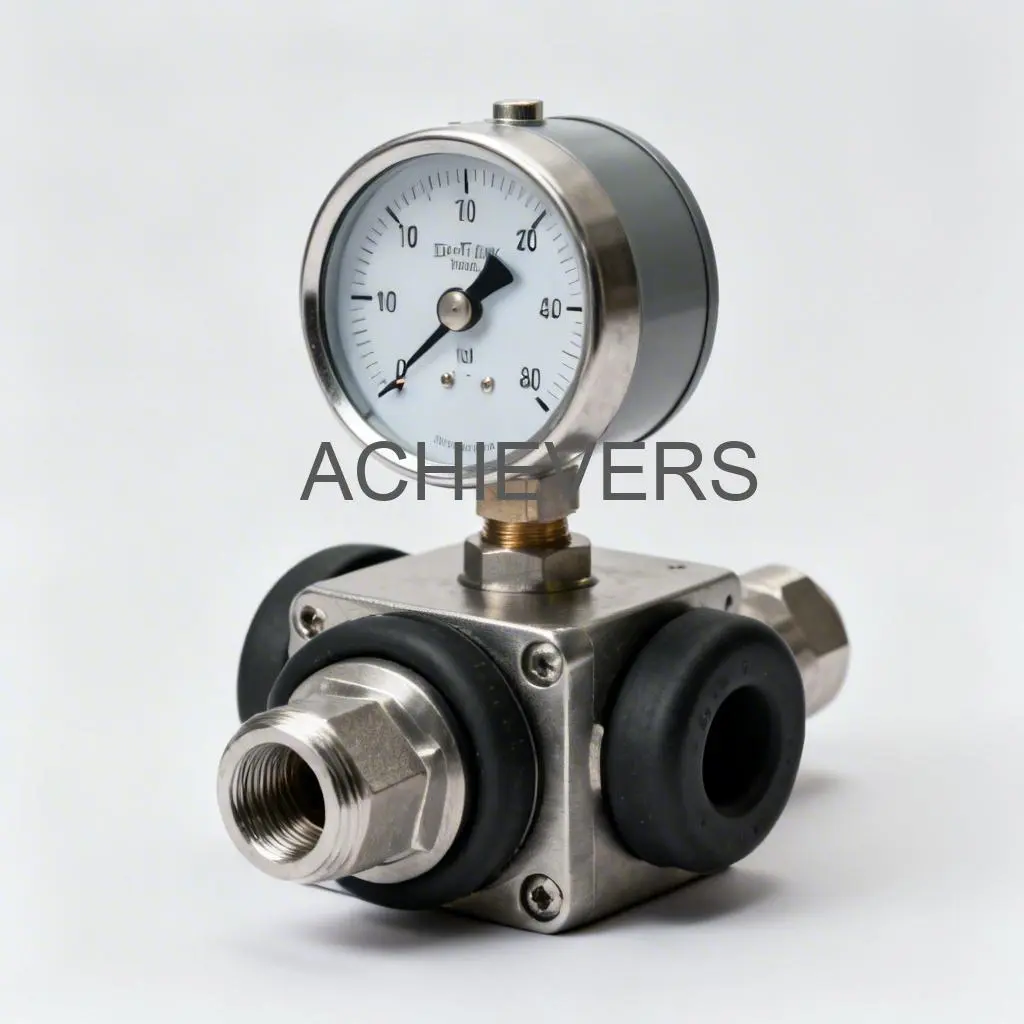
2. Preventing Accuracy Killers: Air, Pulsation, and Oversizing in Bulk Transfer
A high-quality meter is only as accurate as its installation. When configuring an oil flow meter for bulk oil transfer line operations—such as emptying tankers, filling barrels, or running lube skids—engineers must mitigate common system flaws that destroy accuracy.
Eliminating Entrained Air and Vapor
The most frequent cause of meter over-registration is entrained air. Positive displacement meters measure volume, and they cannot distinguish between a liter of oil and a liter of air. When a pump strips a tank dry, or when suction lines are disconnected and reconnected during IBC changes, massive amounts of air are introduced into the system. Proper oil flow meter installation for air elimination and pulsation requires the deployment of a bulk air eliminator tank upstream of the meter. This vessel slows the fluid velocity, allowing trapped air to rise and vent through a float-operated valve before the liquid reaches the measuring chamber. Additionally, routine checks for suction-side leaks at pipe joints and pump seals are mandatory, as worn seals will continuously pull atmospheric air into the fluid stream.
Managing Pulsating Flow
The type of pump driving your bulk transfer significantly impacts meter performance. While gear pumps or centrifugal pumps provide the smooth, continuous flow ideal for PD meters, Air Operated Double Diaphragm (AODD) pumps or piston pumps create aggressive pulsation. This start-stop fluid hammer can damage the meter's internal gears and skew accuracy. To correct this, pulsation dampeners must be installed immediately downstream of the pump and upstream of the Oil Flow Meters.
Avoiding the Oversizing Trap
A critical error in industrial plant design is sizing the meter based on the existing pipe diameter rather than the actual flow rate. If a 3-inch meter is installed on a line that only pushes 50 liters per minute, the meter will operate at the extreme low end of its capacity. At low flow rates, internal "slippage"—where fluid slips past the internal clearances without turning the gears—increases dramatically, causing the meter to under-register. You must size the meter so that your normal operating flow rate falls squarely within the middle of the meter’s specified flow range.
Practical India-Site Guidance: Strainers, Straight-Runs, and Backpressure
- Strainers: Indian industrial environments often contend with particulate contamination, pipe scale, and welding slag. A heavy-duty basket strainer or Y-strainer must be installed immediately upstream of the meter. Failure to do so will result in jammed gears and catastrophic meter failure.
- Straight-Run Requirements: Unlike turbine or ultrasonic meters, positive displacement Oil Flow Meters do not require long straight runs of pipe before or after the meter. They can be installed relatively close to elbows or valves, which is a major space-saving advantage for compact lube skids.
- Backpressure Verification: To maintain accuracy, the fluid must remain in a fully liquid state without cavitating, and the measuring chamber must remain completely full. Installing a simple backpressure valve downstream of the meter ensures adequate line pressure is maintained, preventing the oil from vaporizing or draining out of the meter between batches.
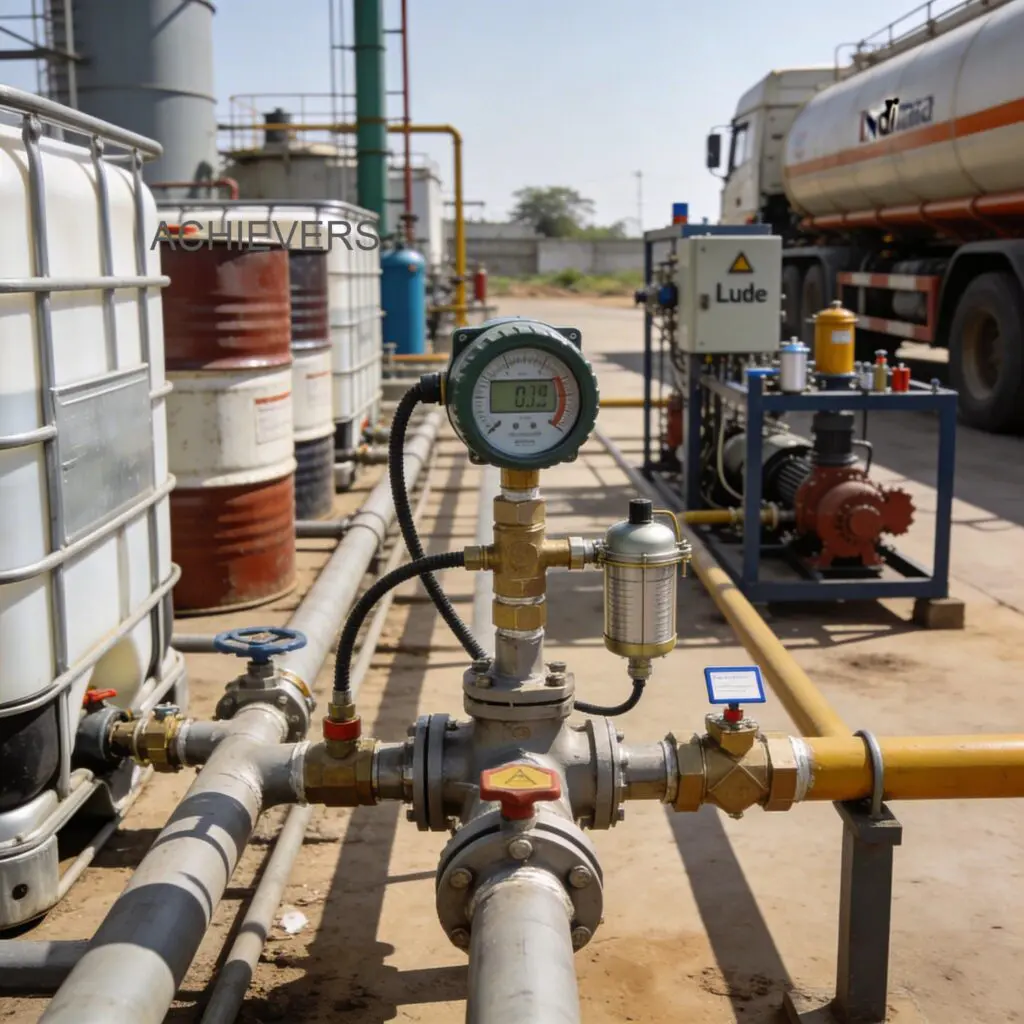
3. Selection / configuration guide
Navigating the procurement process requires a structured approach to ensure the equipment matches the exact demands of the site. An effective industrial oil flow meter selection guide breaks the decision down into two distinct categories: fluid dynamics and hardware configuration.
Industrial buyers should evaluate the following fluid and operational parameters before making a selection:
- Viscosity Range: Oil thickness changes with ambient temperature. Specify both the minimum summer viscosity and the maximum winter viscosity to ensure the meter’s internal clearances are machined correctly.
- Flow Rate (Minimum, Normal, and Maximum): Determine the true flow rate driven by your pumps. Never size based strictly on pipe size.
- Operating Pressure and Temperature: Ensure the meter body material and internal seals (such as Viton, PTFE, or Nitrile) are rated for the system’s maximum potential pressure spikes and operating temperatures.
- Fluid Cleanliness: Identify if the oil contains any abrasive additives that might require hardened internal gears.
Once the fluid parameters are established, focus on the hardware and integration requirements:
- Body Material and Connections: Choose between cast iron for general oils or aluminum for weight-sensitive mobile skids. Specify the required flange standards (e.g., ANSI or DIN) or threaded connections (BSP/NPT).
- Display and Output Type: Decide whether a mechanical register is sufficient for simple manual batching, or if a digital display with preset batch controllers, pulse outputs, or RS485 communication is needed for automated plant operations.
- Ancillary Equipment: Explicitly request integrated air eliminators, appropriately meshed strainers, and downstream backpressure valves if your system is prone to air ingress or pulsation.
When contacting suppliers, sharing this comprehensive data ensures you receive a system configured for long-term accuracy rather than just an off-the-shelf component.
4. Typical applications
The versatility of positive displacement technology allows these meters to be deployed across a wide spectrum of heavy-duty industrial environments. They are the backbone of bulk fuel management systems, routinely used for diesel dispensing, tanker unloading operations, and fleet fueling at commercial transport yards. Because they handle thick fluids effortlessly, they are the preferred oil flow meter for lube oil and hydraulic oil applications India.
Manufacturing plants frequently install them on lube oil packaging lines, where precise batching into drums and IBCs prevents product giveaway. Similarly, in the energy and power sectors, these meters are critical for monitoring transformer oil filtration lines and feeding heavy fuel oil (HFO) or furnace oil into industrial burners. Whether monitoring the intake of raw petroleum products or managing the distribution of refined lubricants across a factory floor, these meters provide the verifiable data required to maintain strict inventory control.
5. Service, installation, and support
Procuring top-tier hardware is only the first step; sustained accuracy requires expert installation, rigorous calibration, and ongoing maintenance. As one of the leading oil flow meter suppliers in India, our commitment extends far beyond the manufacturing floor. Every Oil Flow Meters unit undergoes strict factory calibration against certified provers before dispatch, ensuring it meets stated accuracy claims right out of the box.
For Indian site deployments, adherence to best practices during commissioning is non-negotiable. Installation teams must ensure pipelines are completely flushed of construction debris before the meter is brought online. Furthermore, industrial plants should secure an Annual Maintenance Contract (AMC). Routine AMC visits involve cleaning upstream strainers, verifying the function of air eliminators, and recalibrating the meter to account for minor mechanical wear over time. By partnering with a manufacturer that guarantees nationwide reach, transparent communication, and immediate availability of genuine local spares, facilities can virtually eliminate unexpected downtime and maintain seamless, accurate operations year after year.
*
To ensure your facility achieves maximum measurement accuracy and operational efficiency, choosing the right configuration is critical. Reach out to our technical engineering team with your precise requirements, including the product name, expected minimum and maximum flow rates, pipe sizes, target fluid application, and specific site conditions. We will provide a tailored, end-to-end measurement solution designed to perform flawlessly in your exact industrial environment.
