
















Managing fuel expenses is often the single largest challenge for fleet operators, construction site managers, and industrial plant supervisors across India. In sectors where heavy machinery and logistics define the bottom line, the method of refueling can determine whether a project stays profitable or bleeds revenue through downtime and pilferage. For decades, the standard approach involved establishing a fixed dispensing station and routing vehicles to it. However, as infrastructure projects move to more remote locations and logistics demands tighter turnaround times, the industry is shifting toward a more agile solution: the Mobile Fuel Dispenser.
For Indian industries, the transition from "bucket filling" or static pumps to professional mobile dispensing systems is not just about convenience—it is about operational control. Whether you are managing a fleet of dumpers in a mining zone or refueling backup generators across a sprawling manufacturing campus, the ability to bring the pump to the asset changes the economics of fuel management. This article explores the technical capabilities of these units and analyzes the Return on Investment (ROI) when switching from static to mobile strategies.
1. What This Product Does: Technical Breakdown
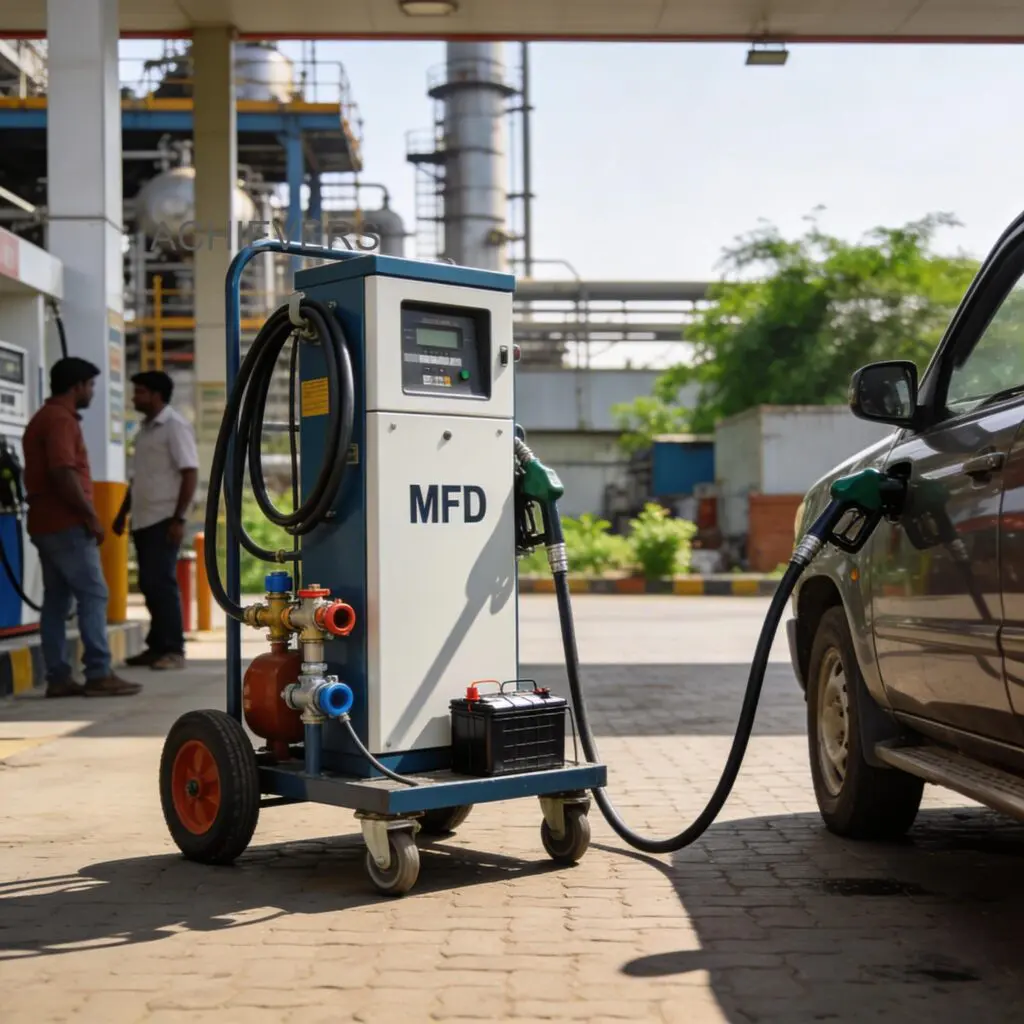
A Mobile Fuel Dispenser is a compact, self-contained fluid handling system designed to be mounted on mobile platforms such as bowsers, trolleys, or utility vehicles. Unlike large, stationary retail outlet pumps, these units are engineered for ruggedness, portability, and flexibility in power supply.
At its core, the system integrates several critical components into a unified housing or frame, typically consisting of:
- Positive Displacement Pump: Optimized for diesel and similar fuels, these pumps are designed to create high suction lift, allowing them to draw fuel from the belly of a bowser tank or a barrel with ease.
- Precision Flow Meter: The heart of the system is the metering unit (often a mechanical oval gear or nutating disc type, or a digital turbine meter) that measures dispensed volume with high accuracy (typically ranging from ±0.5% to ±1%). This ensures that every liter pumped is accounted for, replacing estimation with data.
- Power Options (AC/DC): To suit mobile applications, these dispensers are available in 12V or 24V DC configurations (running directly off a vehicle battery) as well as 220V AC for sites with generator or grid power.
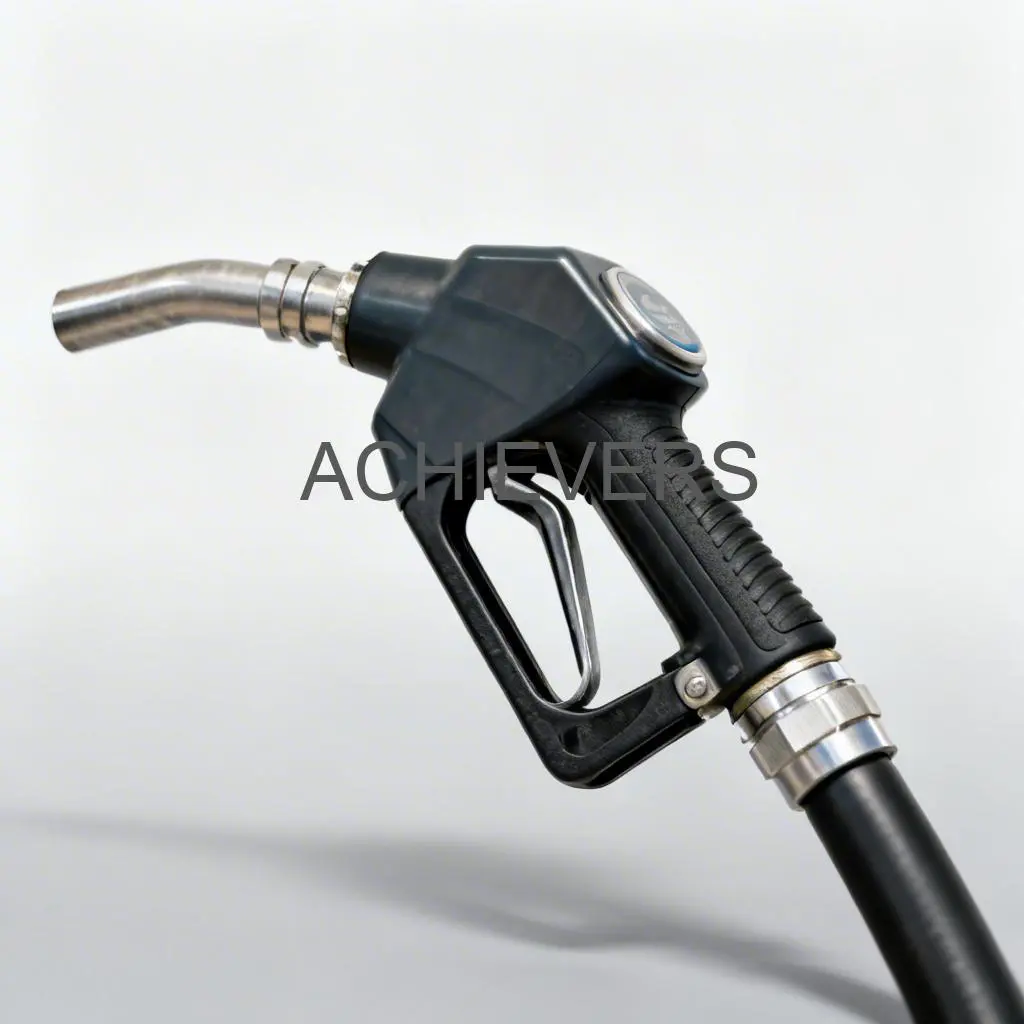
- Dispensing Hardware: A heavy-duty, anti-static delivery hose and an automatic shut-off nozzle ensure safety and prevent spillage during the refueling process.
The primary function of the Mobile Fuel Dispenser is to provide a "retail-pump-like" experience in off-road environments. It eliminates the unsafe and inaccurate practice of manual pouring, ensuring that fuel is filtered, measured, and dispensed safely into equipment fuel tanks.
2. Mobile Fuel Dispenser vs Static Dispensing: The ROI Calculation
When evaluating a mobile fuel dispenser vs static fuel dispenser, the decision often hinges on three specific Indian industrial factors: site mobility, pilferage control, and power availability. While a static pump offers high flow rates and permanence, it creates a "hub-and-spoke" model that is inefficient for heavy, slow-moving machinery.
The Problem with Static Points
In a typical construction or mining scenario, moving a crawler excavator or a heavy dumper to a fixed fuel station involves "dead mileage."
- Fuel Burn: A heavy machine burns significant diesel just traveling to the pump.
- Downtime: A 30-minute round trip for refueling is 30 minutes of lost production.
- Wear and Tear: moving tracked vehicles unnecessarily increases undercarriage maintenance costs.
The Mobile Advantage
A bowser mounted mobile fuel dispenser India operators use brings the fuel to the asset. This inversion of the logistics model offers immediate payback.
ROI Framework for Fleet Owners
To understand the financial impact, consider a simple cost-of-ownership framework:
1. Reduced Infrastructure CapEx:
Setting up a static consumer pump requires civil work, underground tank installation, PESO approvals, piping, and dedicated electrical lines. A mobile dispenser kit mounted on an existing truck or trolley requires zero civil infrastructure and minimal regulatory clearance compared to a fixed station.
2. Elimination of Dead Mileage:
If you have 10 excavators, and each saves 2 liters of fuel per day by not driving to a pump, that is 20 liters saved daily. Over a month, that is 600 liters. At current diesel prices, the savings on "dead mileage" alone can pay for a mobile diesel dispenser for fleet refuelling within a few months.
3. Pilferage and Accountability:
Theft is a major concern in Indian logistics. Without a proper dispenser, fuel is often handled in barrels or jerry cans, where 200 liters issued can easily become 180 liters dispensed. The mobile fuel dispenser acts as a strict auditor. The cumulative totalizer on the meter cannot be easily tampered with, and the discrepancy between the bowser level and the dispensed total highlights theft immediately.
4. Power Versatility:
Static pumps require stable AC power, which is often unavailable at remote construction sites or mines. A mobile fuel dispensing system for mining and logistics typically utilizes 12V or 24V DC motors. This allows the pump to run off the battery of the delivery vehicle itself, ensuring 100% uptime regardless of grid failure.
3. Selection and Configuration Guide
Choosing the right mobile fuel dispenser requires a clear understanding of your specific operational needs. A diesel bowser dispenser kit price India varies significantly based on the configuration, so specificity is key to getting value.
Step 1: Determine the Power Source
- 12V/24V DC: Ideal for bowsers, pickup trucks, and mobile service vans. These are perfect for "stop-and-go" dispensing where the unit runs off the vehicle's battery. Note that DC pumps usually have a duty cycle (e.g., 30 minutes on, 30 minutes off) to prevent overheating.
- 220V AC: Best for skid-mounted systems on trolleys that will be parked near a site office or genset where mains power is available. These motors generally handle continuous duty cycles better.
Step 2: Select the Flow Rate
- 40-50 LPM (Liters Per Minute): Standard for cars, light commercial vehicles (LCVs), and small gensets. This prevents "blowback" or foaming in small tanks.
- 60-80 LPM: Required for heavy trucks, buses, and large earthmovers. High flow is critical here to minimize the time the bowser spends at each vehicle.
Step 3: Metering Technology
- Mechanical Meters: Rugged, reliable, and require no batteries. They are preferred in harsh environments where simple readability and durability are paramount.
- Digital Meters: Offer higher precision and often come with features like resettable batch totals and flow rate displays. However, they rely on batteries and may be more sensitive to extreme heat or vibration.
Step 4: Mounting and Enclosure
For a mobile fuel dispenser for construction sites India, an open-frame unit might suffer from dust ingress and weather damage. Enclosed box-type units protect the pump, meter, and nozzle from mud, rain, and theft (as the box can be locked).
4. Typical Applications
The versatility of the mobile fuel dispenser allows it to serve a wide array of sectors across the Indian industrial landscape:
- Construction and Infrastructure: Refueling excavators, backhoes, cranes, and road rollers that cannot leave the site. The dispenser ensures clean fuel reaches the sensitive injection systems of modern BS-VI engines.
- Mining and Quarrying: In deep mines, bringing vehicles to the surface for fuel is inefficient. Mobile service trucks equipped with high-flow DC dispensers ensure continuous operation of dumpers and crushers.
- Logistics and Transport Yards: For large fleets parked in yards overnight, a mobile trolley can move from truck to truck, topping them up so they are ready for dispatch the next morning without queuing at a pump.
- Agriculture: Large tractors and harvesters in remote fields benefit from tractor-mounted dispensing kits, saving farmers long trips to the nearest fuel station.
- Genset Maintenance: Facilities management companies use these units to refill diesel generators (DG sets) in basements or on rooftops, where hose length and pump lift capability are critical.
5. Service, Installation, and Support
While the mobile fuel dispenser is designed for "plug-and-play" operation, correct installation is vital for safety and accuracy.
Installation Best Practices:
- Suction Line: Ensure the suction hose is reinforced to prevent collapsing under vacuum. A foot valve or non-return valve should be installed at the bottom of the suction line to keep the pump primed.
- Filtration: Indian diesel can sometimes contain sediments or moisture. Installing a strainer or a dedicated fuel filter on the suction side protects the pump vanes and the meter gears from jamming.
- Electrical Safety: For DC units, use proper gauge wiring to prevent voltage drop, which can cause the motor to burn out. Ensure proper grounding to dissipate static electricity.
Calibration and AMC:
Over time, mechanical wear can affect meter accuracy. Chintan Engineers recommends periodic calibration checks using a standard volumetric measure (e.g., a 20-liter certified can). Having a reliable Annual Maintenance Contract (AMC) or access to genuine spares is crucial. Cheap imports often lack spare parts support, rendering the whole unit useless if a single gear fails. A reputable manufacturer ensures that seal kits, vanes, and replacement meters are readily available to keep your fleet running.
By moving from rudimentary fuel handling to a professional mobile dispensing strategy, Indian industries can close the gap on pilferage, extend machinery life through cleaner fuel, and realize significant operational savings.
Contact Us for Configuration
To ensure you get the right system for your fleet, contact our engineering team with the following details:
- Product Name: Mobile Fuel Dispenser
- Required Flow Rate: (e.g., 40 LPM or 80 LPM)
- Power Source: (12V DC, 24V DC, or 220V AC)
- Application: (e.g., Mining, Truck Fleet, Generator Filling)
