
















Refueling heavy machinery, diesel generator (DG) sets, and fleet vehicles in remote locations presents a unique set of challenges for Indian industries. Whether it is a mining site in a dust-prone quarry or a construction project operating on a tight timeline, bringing the fuel to the machine is often the only viable option. However, mobile refueling introduces risks regarding fire safety, fuel purity, and inventory accuracy. To mitigate these risks while ensuring high operational efficiency, the deployment of a robust Mobile Fuel Dispenser is the standard solution.
In the harsh operating environments typical of India’s industrial landscape, simply having a pump is not enough. The equipment must be engineered to handle vibration, heat, and potential misuse, all while delivering precise measurements. This article details the technical capabilities of these dispensers and provides a comprehensive safety checklist for site engineers and fleet managers.
1. What this product does
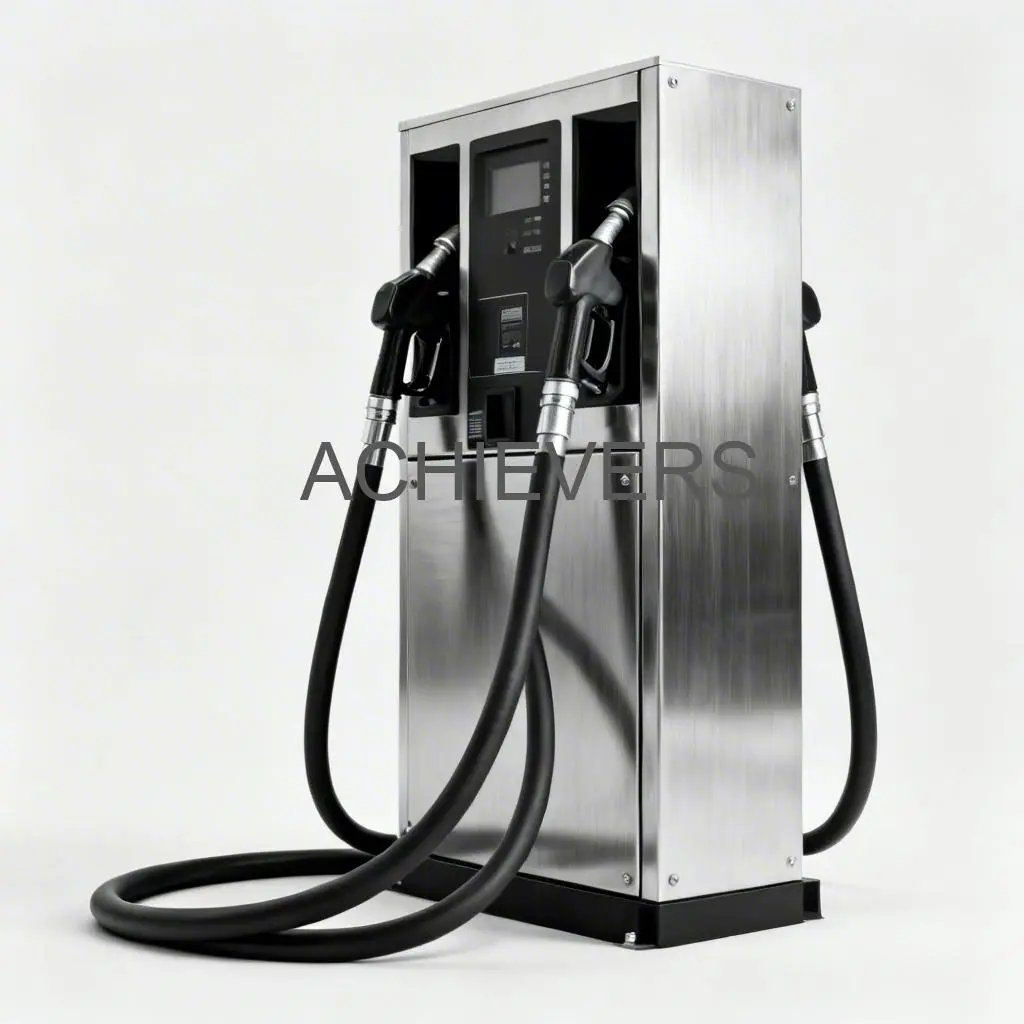
A Mobile Fuel Dispenser is an integrated fluid handling system designed to transfer, measure, and control diesel fuel in mobile applications. Unlike stationary retail pumps found at petrol stations, these units are engineered for flexibility and ruggedness. They are typically mounted on fuel bowsers, service trucks, or mobile skids to facilitate "doorstep" diesel delivery to stationary assets like excavators, cranes, and backup generators.
The core function of the unit is to pump fuel from a mobile tank to the receiving asset while simultaneously filtering impurities and recording the exact volume dispensed. Based on the standard configuration for industrial use, these dispensers include:
- Pumping Unit: High-suction self-priming vane pumps capable of lifting fuel from bowser tanks. These are available in various power configurations, including 12V/24V DC (battery-operated for vehicle mounting) and 230V AC (for sites with mains power or DG supply).
- Flow Measurement: Integrated flow meters—either mechanical with an analog counter or digital with an electronic display—ensure commercial accuracy. This allows fleet managers to reconcile fuel inventory against consumption.
- Dispensing Interface: Heavy-duty delivery hoses coupled with automatic shut-off nozzles. The auto-shutoff feature is critical for preventing spillage when the receiving tank reaches capacity.
- Construction: The units are housed in durable, weather-resistant enclosures (often powder-coated steel) to protect internal components from dust, rain, and impact, which is essential for longevity in Indian site conditions.
The system acts as a complete fuel management station on wheels, bridging the gap between bulk storage and the final consumption point.
2. Mobile Fuel Dispenser Safety Checklist for On-Site Diesel Refueling
Operating a fuel bowser or a skid-mounted dispenser carries inherent fire and environmental risks. To ensure safe diesel refueling with mobile fuel dispenser bowser units, safety officers and operators must adhere to a strict protocol. The following safety controls and checklist items are essential for preventing accidents and equipment failure.
Grounding, Bonding, and Static Discharge
Static electricity is one of the most significant invisible hazards during high-flow refueling, especially in dry, dusty environments. As diesel flows through a pipe or hose, it generates static charge.
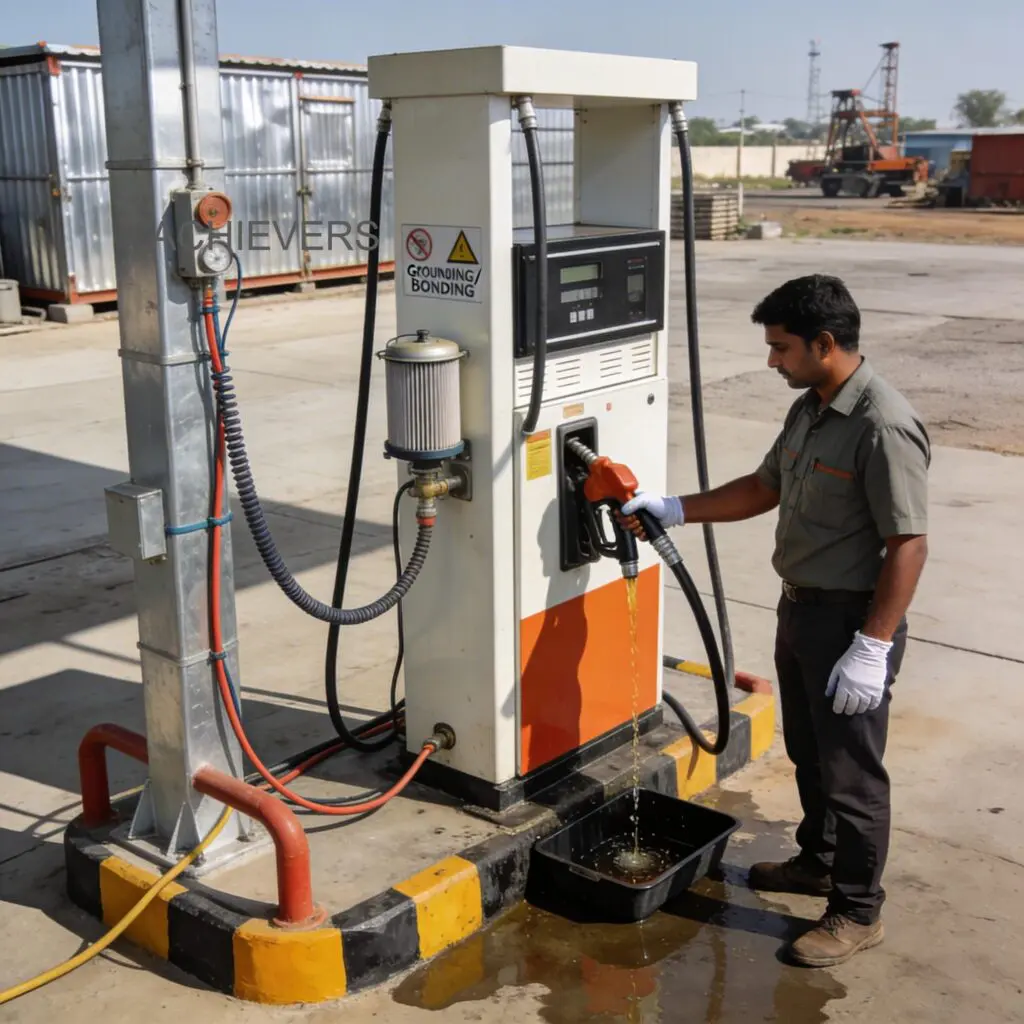
- Bonding: Before the nozzle is inserted into the tank, the Mobile Fuel Dispenser chassis must be electrically bonded to the receiving vehicle or tank. This equalizes the electrical potential between the two masses.
- Grounding: The dispensing vehicle (bowser) should be grounded to the earth.
- Hose Specification: Operators must ensure the unit is equipped with a mobile fuel dispenser grounding bonding and anti static hose. These hoses contain conductive wires embedded in the rubber matrix to dissipate static build-up safely back to the chassis ground.
Hose and Nozzle Integrity
A ruptured hose or a faulty nozzle is the leading cause of diesel spills.
- Visual Inspection: Check for cracks, blisters, or exposed reinforcement on the delivery hose daily.
- Nozzle Function: The automatic shut-off mechanism relies on a small sensing port at the tip of the spout. If this is clogged with grease or mud—common in construction sites—the tank may overfill. Regularly clean the sensing port.
- Swivel Joints: Ensure the nozzle swivel rotates freely. A seized swivel causes the hose to twist and kink, leading to premature failure.
Filtration and Spill Control
Contaminated fuel damages modern Common Rail Direct Injection (CRDI) engines found in new earthmovers.
- Strainer Maintenance: The suction side of the dispenser typically includes a mesh strainer. This must be cleaned weekly to prevent cavitation, which damages the pump vanes.
- Emergency Stop: Every mobile diesel dispenser safety checklist should verify that the emergency stop button is accessible and functional.
- Spill Kits: A spill containment kit (absorbent pads and granules) should always be attached to the mobile dispenser unit or the vehicle carrying it.
Standard Operating Procedure (SOP)
Developing a mobile fuel dispenser SOP for fleet refueling is mandatory for consistency.
- Park Safely: Ensure the bowser is parked on level ground with handbrakes applied.
- Isolate Ignition: Turn off the engine of the receiving vehicle/equipment.
- Inspect: Perform a walk-around check for leaks.
- Connect: Attach the bonding wire (if separate) and insert the nozzle fully.
- Dispense: Activate the pump. Do not use "latch-open" clips if the operator is not attending the nozzle.
- Disconnect: Allow the nozzle to drain completely before retracting to the holder.
- Record: Note the mechanical totalizer reading immediately.
3. Selection and Configuration Guide
Choosing the correct Mobile Fuel Dispenser depends heavily on the specific infrastructure available at the site and the volume of fuel being handled. Buyers must evaluate the following parameters to ensure the equipment delivers long-term value.
Power Source Selection
- DC Versions (12V / 24V): These are ideal for mounting directly onto pick-up trucks, service vans, or mini-bowsers. They draw power from the vehicle's battery. This is the preferred configuration for mobile service teams catering to scattered assets like telecom towers or highway construction machinery.
- AC Versions (230V / 415V): Best suited for skid-mounted applications where the dispenser is semi-stationary, such as near a site office or a batching plant powered by a DG set. AC motors generally offer higher durability for continuous duty cycles.
Flow Rate and Metering
- Standard Flow (40–60 LPM): Sufficient for refueling trucks, pickups, and smaller generators (up to 250 kVA).
- High Flow (80–120 LPM): Recommended for mobile fuel dispenser for construction site fueling India, specifically for filling large excavators, dumpers, and mining shovels where minimizing downtime is critical.
- Metering Type:
- Mechanical: Robust, weather-proof, and requires no auxiliary power. Ideal for harsh mines.
- Digital: Offers higher precision and often includes features like resettable batch totals and flow rate indication.
Material Compatibility
Ensure the internal seals (Viton/Nitrile) and pump vanes are compatible with the specific fluid. While most units are designed for Diesel, High-Speed Diesel (HSD), and Light Diesel Oil (LDO), using them for Bio-diesel blends may require specific seal upgrades.
4. Typical Applications
The versatility of the mobile fuel dispenser allows it to serve various sectors across the Indian industrial landscape.
- Construction and Infrastructure Projects:
- Mining and Quarrying:
- Logistics and Fleet Yards:
- Agriculture and DG Sets:
Road building and metro projects utilize dozens of excavators, graders, and rollers spread across kilometers. A mobile fuel dispenser kit manufacturers in India design these units to be mounted on small utility vehicles to travel along the alignment, refueling machinery during shift changes to maintain 24/7 operations.
Dump trucks and loaders in mines often cannot travel to a central fueling station due to the loss of production time. Mobile dispensers mounted on rugged bowsers bring fuel into the pit, ensuring continuous hauling operations. The dispensers here must withstand high dust loads and vibration.
For transport companies with large fleets, queuing up at a retail petrol pump is inefficient. An in-house mobile dispenser allows the fleet manager to refuel trucks within the yard while they are being loaded, streamlining the turnaround time.
Large farms and industrial plants with backup generators require regular diesel top-ups. A portable dispensing solution ensures that fuel is delivered cleanly without the spillage associated with manual bucket or barrel pouring.
5. Service, Installation, and Support
To maintain the accuracy and safety of a mobile fuel dispenser, proper installation and ongoing maintenance are non-negotiable.
Installation Best Practices
Whether mounting on a wall, a tank, or a vehicle chassis, the suction line must be airtight. Even a pinhole leak in the suction pipe can cause the pump to lose prime or deliver aerated fuel, which registers incorrectly on the flow meter. The use of vibration-damping mounts is recommended when installing on vehicles to protect the internal electronics and mechanical counters from road shock.
Calibration and Maintenance
Over time, mechanical wear can affect the accuracy of the flow meter. It is essential to perform periodic calibration checks using a standard 20-liter or 50-liter proving measure. If the dispenser drifts beyond the acceptable error margin (typically ±0.5% to ±1%), it must be recalibrated.
Routine maintenance should include:
- Weekly: Cleaning the suction strainer.
- Monthly: checking electrical connections for corrosion (especially on DC units).
- Quarterly: Inspecting pump vanes and seals for wear.
Sourcing equipment from a manufacturer that offers genuine spares and technical support is crucial. In the event of a breakdown, the availability of replacement vanes, gaskets, or circuit boards determines whether a site remains operational or comes to a standstill.
Conclusion
The Mobile Fuel Dispenser is more than just a pump; it is a critical instrument for inventory control and operational efficiency. By adhering to a strict safety checklist—focusing on grounding, hose integrity, and proper SOPs—industrial users can mitigate fire risks and ensure accurate fuel accounting. Selecting the right configuration for your specific voltage and flow requirements ensures that your fleet remains powered and productive, even in the most challenging environments.
For expert guidance on configuring the correct dispensing system for your fleet or construction site, contact Chintan Engineers with your required flow rate, power preference (AC/DC), and vehicle details.
