
















In the rigorous landscape of Indian manufacturing and processing industries, equipment reliability is the cornerstone of operational efficiency. From chemical plants in Gujarat to water treatment facilities across the nation, the ability to move fluids continuously without downtime determines profitability. Among the most critical components in these systems are stainless steel pumps, chosen for their corrosion resistance and durability. However, even the highest quality engineering requires a structured approach to upkeep.
Ensuring pump reliability in Indian industries goes beyond simple installation; it requires a proactive maintenance culture. Harsh operating environments, varying fluid viscosities, and ambient temperature fluctuations can all impact the longevity of fluid handling equipment. This article serves as a comprehensive guide for plant managers and maintenance engineers, focusing on how to maximize the service life of these critical assets through correct specification, routine care, and expert support.
1. What this product does
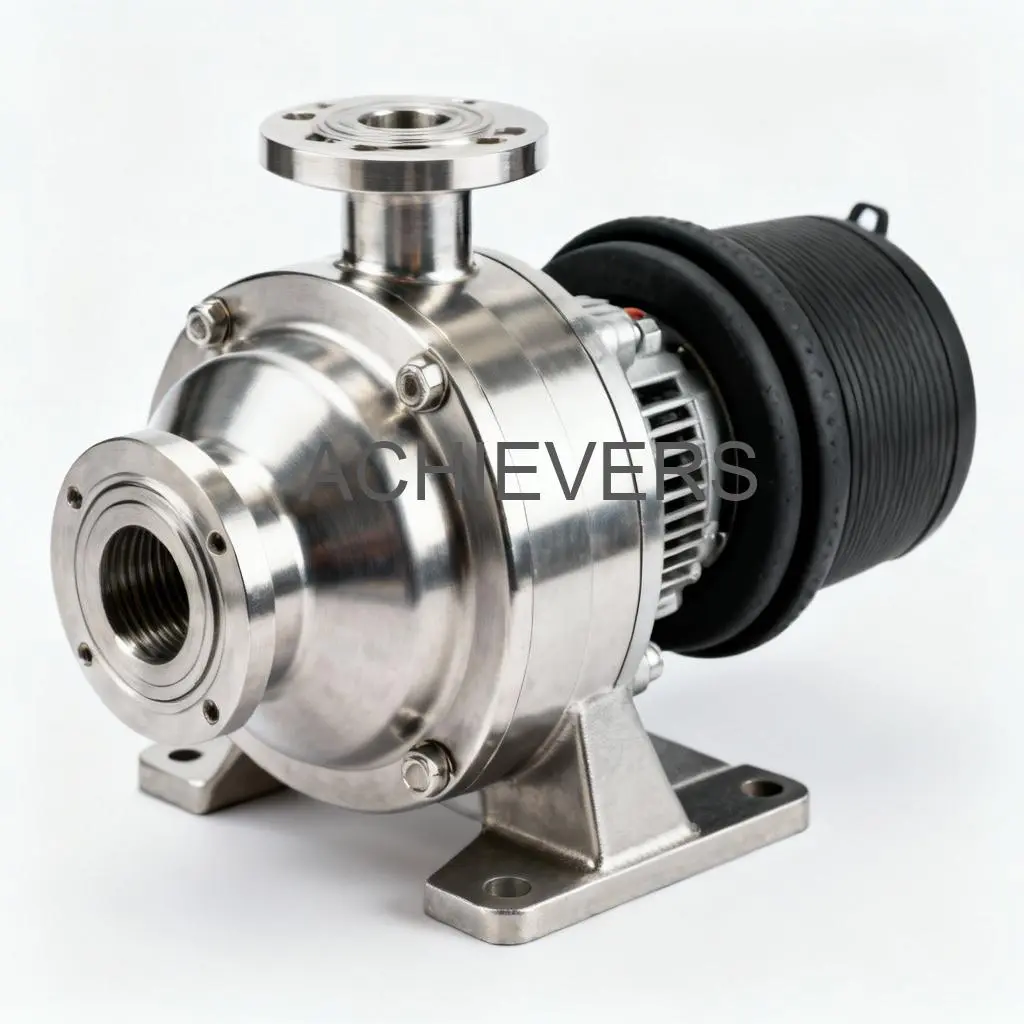
The SS Pumps manufactured by Chintan Engineers are engineered to deliver high-performance fluid handling solutions in demanding environments. These pumps are designed specifically to handle a wide range of industrial fluids, offering a balance of precision, mechanical strength, and chemical resistance.
Unlike standard cast iron pumps, these units are constructed from high-grade stainless steel, making them the industry standard for applications where hygiene, corrosion resistance, or fluid purity is paramount. Based on our engineering standards, these pumps are built to perform under accurate calibration and rigorous testing protocols.
Key Features and Capabilities:
- Robust Material Construction: Built with high-quality stainless steel to resist corrosion from aggressive chemicals, acids, and alkalis.
- Precision Engineering: Designed for consistent flow rates and pressure management, ensuring accurate fluid delivery for batching or transfer systems.
- Durability: Engineered to withstand the mechanical stresses of continuous industrial operation, reducing the frequency of unexpected breakdowns.
- Versatility: Suitable for a variety of media, ranging from low-viscosity solvents to heavier industrial liquids, depending on the specific model configuration.
- Operational Efficiency: Optimized hydraulic design to minimize energy consumption while maximizing flow output.
2. Maintenance Best Practices for Industrial Stainless Steel Pumps
This section focuses on essential maintenance strategies for maximizing the lifespan and efficiency of SS Pumps used in Indian industrial environments. It will guide maintenance engineers and plant managers on routine checks, wear part replacements, and preventive measures to ensure reliable performance in sectors like chemical processing, water supply, and irrigation.
For SS pump manufacturers in India, the primary challenge observed in the field is not the failure of the pump itself, but rather preventable issues caused by lack of maintenance or improper operation. Implementing a robust stainless steel pumps maintenance guide is critical for avoiding costly downtime.
Routine Inspection Protocols
Preventive maintenance begins with daily and weekly observations. In many Indian plants, pumps are often tucked away in corners and ignored until they fail. A proactive schedule should include:
- Vibration Analysis: Excessive vibration often indicates misalignment between the motor and the pump, or imbalance in the impeller. Regular monitoring can detect these issues before they damage the bearings.
- Seal Integrity Checks: The mechanical seal is often the most vulnerable component. Look for signs of leakage at the gland. For chemical applications, even a minor leak can be hazardous and indicates that the seal faces may be worn or damaged by dry running.
- Temperature Monitoring: Overheating bearings or casings can indicate lubrication failure or blocked suction lines. Using thermal imaging or simple contact thermometers during rounds can save a motor from burning out.
Managing Wear Parts
Even the most durable SS pumps have consumable components. Recognizing when to replace these parts is key to maintaining hydraulic efficiency.
- Impellers: In abrasive applications (like slurries or untreated water), the impeller vanes can erode, leading to a drop in discharge pressure. Periodic internal inspection is necessary to verify the impeller's condition.
- O-Rings and Gaskets: Chemical compatibility is crucial here. Over time, elastomers can degrade or swell depending on the fluid being pumped. Routine replacement during annual overhauls prevents sudden seal failures.
- Bearings: These should be lubricated according to the manufacturer's schedule. In dusty Indian industrial environments, ensuring the bearing housing is sealed against contaminants is as important as the lubrication itself.
Addressing Common Failure Modes
To ensure pump reliability in Indian industries, operators must be trained to spot the early warning signs of common issues:
- Cavitation: Often sounding like gravel rattling inside the pump, cavitation occurs when the Net Positive Suction Head Available (NPSHa) is lower than required (NPSHr). This pits the stainless steel surface and destroys impellers. Check suction strainers for blockages regularly.
- Dry Running: Running a pump without fluid is a primary cause of mechanical seal failure. Installing dry-run protection sensors is a highly recommended preventive measure.
- Voltage Fluctuations: Electrical instability is common in certain industrial zones. Ensure that the pump motors are protected with proper overload relays and single-phase preventers to avoid winding damage.
The Importance of Alignment
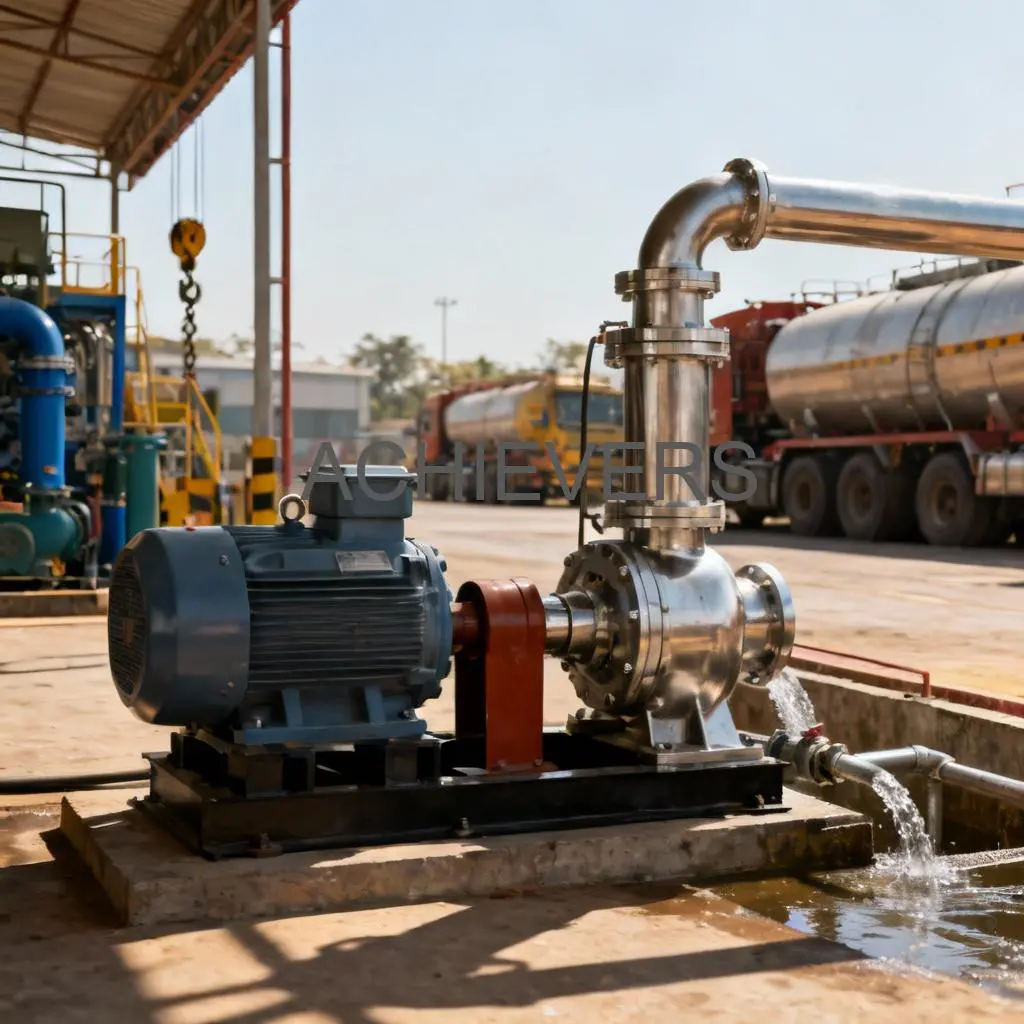
Misalignment is a silent killer of rotating equipment. Whenever a pump is decoupled for maintenance or motor repair, it must be laser-aligned or dial-indicator aligned upon reassembly. Poor alignment places immense radial loads on the bearings and shafts, significantly shortening the life of the unit.
3. Selection and Configuration Guide
Choosing the correct SS Pumps for your specific application is the first step toward reducing maintenance overhead. An undersized pump will run at excessive speeds to meet demand, leading to wear, while an oversized pump may suffer from recirculation issues.
Key Selection Criteria
When evaluating options, industrial buyers should focus on the following parameters:
- Fluid Characteristics:
- Corrosiveness: Determine if SS 304 is sufficient or if the higher molybdenum content of SS 316 is required for acidic environments.
- Viscosity & Specific Gravity: Heavier fluids require more horsepower. Ensuring the motor is sized correctly prevents tripping and overheating.
- Temperature: High-temperature fluids may require specialized mechanical seals and cooling jackets.
- Hydraulic Requirements:
- Flow Rate (LPM/m³/hr): Define the continuous and peak flow requirements.
- Total Dynamic Head (TDH): Calculate not just the vertical lift but also friction losses in the piping, elbows, and valves.
Configuration Checklist for Buyers
When sending an enquiry to industrial SS pumps Ahmedabad based suppliers, providing clear data ensures you get the right system:
- Mounting Type: Horizontal foot-mounted (standard) vs. Vertical inline (space-saving).
- Seal Type: Single mechanical seal for water/mild chemicals vs. Double mechanical seal for hazardous or expensive fluids.
- Motor Specs: Standard AC induction motors, Flame-proof (FLP) motors for explosive zones, or VFD-compatible motors for variable speed control.
- Connection Standards: ANSI flanges, DIN standards, or threaded BSP connections based on existing site piping.
4. Typical Applications
The versatility of stainless steel allows these pumps to serve a vast array of sectors. Based on Chintan Engineers' expertise in fluid management, these products are integral to several critical workflows.
- Chemical Processing: Used extensively for the transfer of solvents, acids, alkalis, and reactive agents where cast iron would corrode immediately. The material purity of stainless steel prevents contamination of the chemical batch.
- Water Supply and Treatment: From raw water intake to reverse osmosis (RO) feed pumps, stainless steel is preferred for its resistance to oxidation and its ability to handle treated water without leaching contaminants.
- Food and Beverage (Industrial): While specific sanitary pumps exist, industrial SS pumps are often used for wash-down systems, waste water transfer, and utility fluids within food plants due to their cleanability.
- Irrigation and Agriculture: In large-scale drip irrigation or fertilizer injection systems, the resistance to agrochemicals makes stainless steel a cost-effective long-term choice compared to mild steel.
- Fuel and Solvents: For industrial dispensing systems, these pumps handle low-viscosity fuels and solvents safely, often integrated with flow meters for precise batching.
5. Service, Installation, and Support
Even the best hardware requires expert backing. Chintan Engineers emphasizes end-to-end solutions, encompassing not just manufacturing but also installation and Annual Maintenance Contracts (AMC).
Installation Best Practices
Correct installation is the baseline for future reliability.
- Foundation: The pump baseplate must be grouted correctly on a flat, rigid foundation to absorb vibration.
- Piping Support: Piping should never strain the pump casing. Pipe stress can distort the pump volute, leading to rubbing of internal parts.
- Suction Design: Ensure straight pipe runs entering the suction side to promote laminar flow and reduce turbulence.
The Role of AMC and Genuine Spares
Engaging in an AMC with the Original Equipment Manufacturer (OEM) ensures that your chemical process pump maintenance tips are actually implemented. Trained technicians can spot issues that general plant mechanics might miss. Furthermore, using genuine spare parts ensures that tolerances are maintained. Third-party spares often have slight dimensional variances that can reduce efficiency or cause leakage.
By relying on Chintan Engineers' 15+ years of expertise and nationwide reach, clients benefit from transparent communication and enduring support, ensuring that their critical pumping systems remain operational year-round.
Call to Action
Maximizing the uptime of your facility starts with selecting the right equipment and maintaining it correctly. Don't leave your process efficiency to chance.
Contact Chintan Engineers today to discuss your specific fluid handling requirements. To help us configure the perfect solution for you, please have the following details ready:
- Product: SS Pump
- Required Flow Rate & Head: (e.g., 200 LPM at 30 meters)
- Fluid Details: (Name, Viscosity, Temperature)
- Site Location: (For installation/support logistics)
Reach out to our technical team for a consultation and ensure your operations are powered by engineering precision.
