
















Efficient fuel management is the backbone of operational success for logistics fleets, construction sites, and mining operations across India. In industries where downtime equates to significant financial loss, the ability to refuel vehicles and machinery on-site—rather than transporting them to a fuel station—is a game-changer. This necessity has driven the rising demand for robust, precision-engineered dispensing solutions that can withstand harsh environmental conditions while delivering accurate flow measurement.
At the heart of these mobile operations is the Mobile Fuel Dispenser. Designed for rugged versatility, these units allow fleet managers to bring the fuel station to the vehicle, ensuring continuous uptime and tighter control over fuel inventory. However, deploying these systems requires careful planning regarding installation mechanics and power supply stability. Whether you are outfitting a service truck or setting up a temporary dispensing point at a remote infrastructure project, understanding the technical nuances of these dispensers is critical for safety and longevity.
1. What this product does
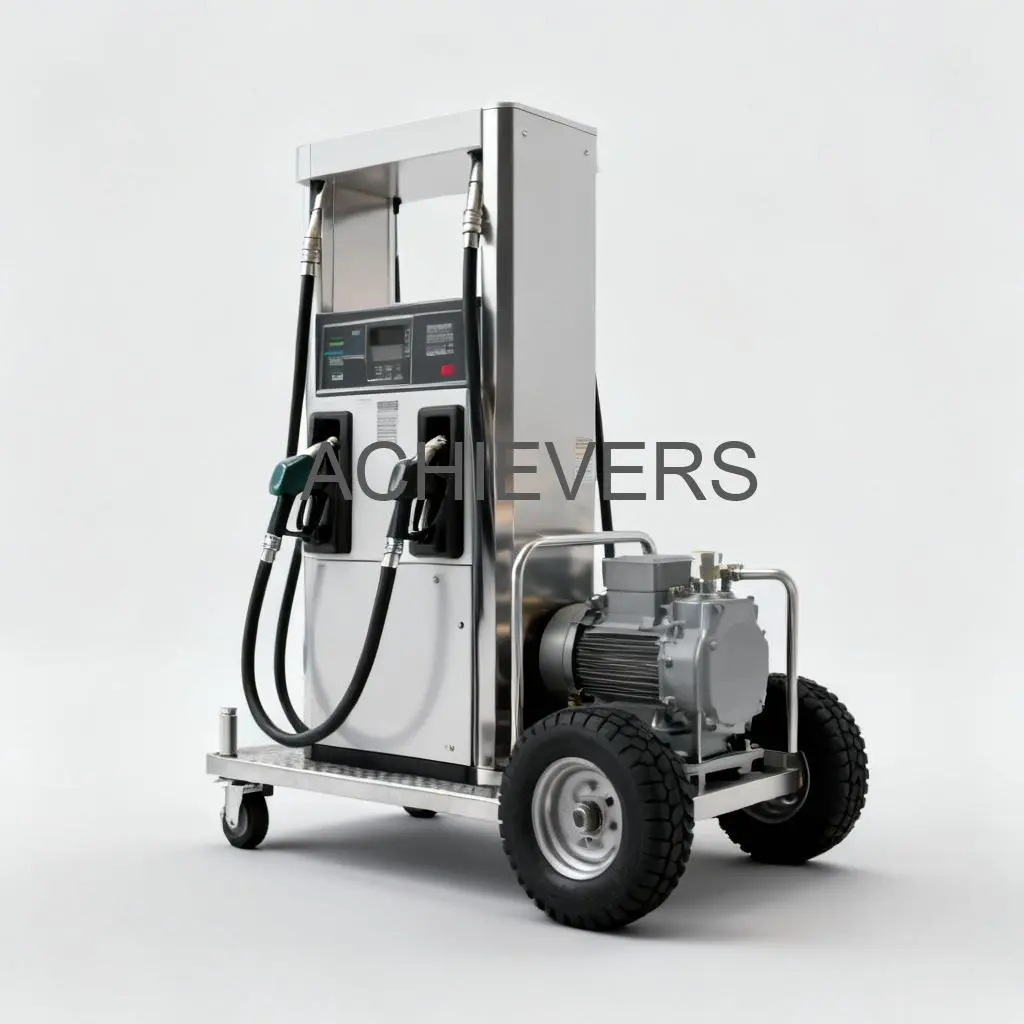
The Mobile Fuel Dispenser is a compact, integrated fluid transfer system engineered specifically for the accurate dispensing and monitoring of diesel in non-retail industrial environments. Unlike large, static pumps found at commercial petrol pumps, this product is designed for portability and flexibility without sacrificing metering accuracy.
Based on Chintan Engineers’ engineering standards, this system typically integrates several core components into a durable, weather-resistant enclosure:
- High-Performance Pump: Capable of generating sufficient suction lift to draw fuel from mobile tanker barrels or temporary storage tanks.
- Precision Flow Meter: A calibrated positive displacement or turbine meter that ensures every liter dispensed is accounted for, crucial for auditing fuel usage.
- Dispensing Nozzle: Usually an automatic shut-off nozzle to prevent spillage and waste during rapid refueling.
- Filtration: Integrated strainers or filters to protect the meter and fleet engines from particulate contamination.
The unit is built to handle the rigorous demands of the Indian industrial landscape. It supports varying flow rates tailored to fleet size—ranging from standard flow for light commercial vehicles to high-flow options for heavy earthmovers. Crucially, these dispensers are available in different power configurations to suit the available energy source, be it a vehicle battery (DC) or a mains connection (AC).
2. Installation and Power Supply Guidelines for Mobile Fuel Dispensers
Proper installation is the primary determinant of the equipment’s lifespan and accuracy. This section serves as a mobile fuel dispenser installation guide, focusing on the unique challenges faced by Indian operators running service vehicles or remote depots.
Vehicle-Mounted Installation (Service Trucks and Bowsers)
For a vehicle-mounted diesel dispenser setup, vibration and stability are the main concerns. When mounting the Mobile Fuel Dispenser onto a mobile bowser or service truck:
- Vibration Dampening: The chassis of a truck subjects the dispenser to constant high-frequency vibration. The unit must be bolted securely to a rigid frame, ideally using rubber anti-vibration mounts. This prevents the internal meter calibration from drifting and protects electrical connections from loosening over time.
- Suction Line Geometry: Keep the suction hose as short and straight as possible. Excessive bends or long horizontal runs between the tank and the pump can cause cavitation, reducing the life of the pump vanes.
- Filtration Access: Ensure the unit is mounted in a way that allows easy access to the internal strainer. In mobile applications, tank sediment is stirred up while driving, making frequent filter cleaning necessary.
DC Power Supply Considerations (12V/24V)
Most vehicle-mounted systems rely on the truck’s battery. This is where most installation errors occur.
- Cable Gauge: DC motors are sensitive to voltage drop. If the dispenser is mounted at the rear of the truck but powered by the battery at the front, using thin wires will result in the motor running slow and overheating. Always use heavy-gauge marine or industrial-grade wiring.
- Duty Cycle: Be aware of the pump’s duty cycle. DC motors generate heat. If you are filling large tanks, ensure the Mobile Fuel Dispenser is rated for continuous duty or allow for cooling breaks as per the technical manual.
- Circuit Protection: Always install a fuse or circuit breaker close to the battery source to prevent electrical fires in case of a short circuit in the chassis wiring.
Trolley and Remote Site Installation (AC Power)
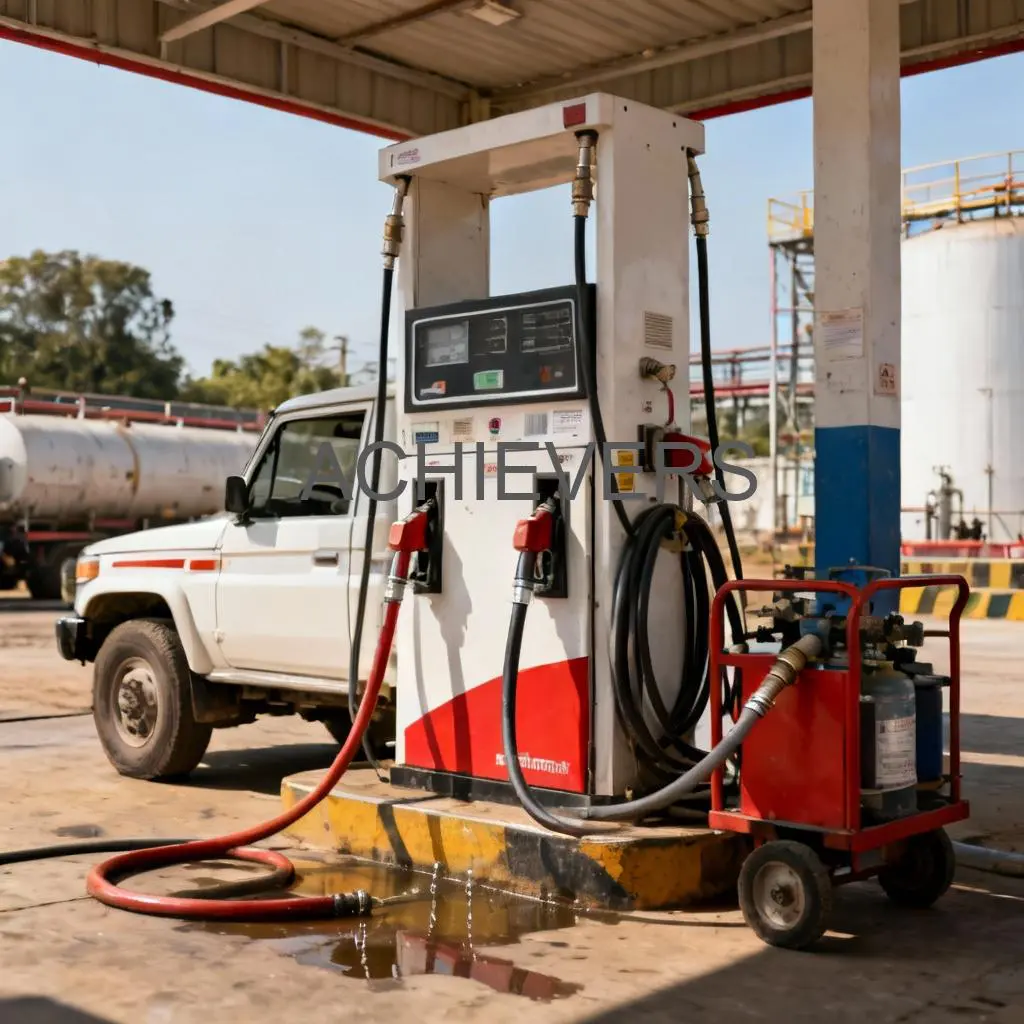
For diesel dispenser for remote fleet fueling where the unit is mounted on a skid or trolley:
- Grounding (Earthing): Static electricity is a significant hazard when pumping diesel. Ensure the dispenser chassis and the storage tank are properly bonded and earthed to a copper rod driven into the ground, especially in dry, dusty Indian summers.
- Voltage Fluctuations: Remote sites often rely on diesel generators (DG sets) or unstable rural grids. AC motors can burn out due to voltage spikes. We recommend installing a stabilizer or a high-quality contactor with overload protection to safeguard the electronics.
3. Selection and Configuration Guide
Choosing the right Mobile Fuel Dispenser involves more than just picking a pump; it requires matching the specifications to your operational reality. As leading mobile fuel dispenser manufacturers in India, Chintan Engineers recommends evaluating the following parameters before procurement.
Determining Flow Rate and Capacity
- Standard Flow (40–60 LPM): Ideal for refueling cars, light commercial vehicles (LCVs), and small generators. High accuracy is prioritized here.
- High Flow (70–100+ LPM): Required for heavy trucks, mining dumpers, and large excavators. A lower flow rate here would waste valuable man-hours during refueling shifts.
Power Source Selection
- 12V/24V DC: Essential for mobile bowsers where no external power is available. Choose based on your vehicle's electrical system (e.g., a small pickup may differ from a large truck).
- 230V AC: Best for skid-mounted units at construction yards or factory gates where mains power or a large generator is accessible. AC motors generally offer longer continuous operation times.
Metering and Data Requirements
- Mechanical Counters: Simple, robust, and easy to repair. Best for harsh, dusty environments where digital screens might get damaged.
- Digital/Electronic Meters: Necessary if you require higher precision or need to integrate with fuel management systems. Ensure the electronics are rated for the temperature extremes of your specific region.
Checklist for Enquiry
When contacting a supplier, have this information ready to ensure you get the correct configuration:
- Fluid: (Almost always Diesel, but specify if Biodiesel blends are used).
- Power Available: (Voltage and Phase).
- Mounting Type: (Wall, Trolley, or Tanker).
- Required Hose Length: (Longer hoses require pumps with higher head pressure).
4. Typical Applications
The versatility of the Mobile Fuel Dispenser makes it a staple across various sectors in India.
- Infrastructure and Construction: At highway projects or remote building sites, heavy earthmoving equipment (JCBs, excavators) cannot travel to fuel stations. A service truck equipped with this dispenser visits the machinery, minimizing downtime.
- Mining and Quarrying: In deep mines, fleet fueling equipment India standards require robust, explosion-proof, or safe-zone compliant dispensers to refuel dumpers and crushers on-site.
- Logistics and Transport Hubs: Large transport companies use trolley-mounted units to refuel fleets within their yards overnight, ensuring vehicles are ready for dispatch at dawn without queuing at public petrol pumps.
- Agriculture: Large farm holdings use these dispensers for tractors and harvesters, often powered by 12V batteries in the field.
- Power Generation: Facilities with multiple backup generators use mobile trolleys to top up day tanks during extended power outages.
5. Service, Installation, and Support
Even the most robust equipment requires maintenance to retain accuracy. Learning how to install mobile fuel dispensers is step one; maintaining them is step two.
Calibration and Accuracy
Over time, mechanical wear or changes in fluid viscosity can affect meter accuracy. It is vital to periodically check the dispenser against a calibrated volumetric measure jar (5L or 10L). Chintan Engineers ensures that every unit leaving the factory is rigorously tested and calibrated, but on-site recalibration should be part of your Annual Maintenance Contract (AMC).
Maintenance Best Practices
- Filter Cleaning: The number one cause of low flow rate is a clogged suction strainer. establishing a weekly cleaning schedule can prevent pump strain.
- Hose Inspection: Check delivery hoses for cracks or abrasions. A burst hose under pressure is a safety and environmental hazard.
- Winter Care: In colder northern regions, diesel waxing can clog systems. Ensure your lines are drained or insulated if temperatures drop significantly.
The Chintan Promise
With over 15 years of expertise, Chintan Engineers provides end-to-end support, from selecting the right mobile unit to installation guidance and after-sales service. Using genuine components ensures that your dispenser delivers consistent value, avoiding the "false economy" of cheap spares that lead to downtime.
Call to Action
Do not compromise on the efficiency of your fleet or the accuracy of your fuel accounting. Ensure your mobile refueling setup is powered correctly and built to last.
Contact Chintan Engineers today to configure the ideal solution for your site. Please provide our technical team with the following details for a rapid quote:
- Product: Mobile Fuel Dispenser
- Flow Rate Required: (e.g., 40 LPM or 80 LPM)
- Power Source: (12V DC, 24V DC, or 220V AC)
- Application: (e.g., Mining Truck, Generator Filling, Transport Fleet)
Optimize your fuel logistics with engineering you can trust.
