
















In the high-stakes environment of Indian industrial manufacturing, fluid handling systems are the lifelines of production. Whether you are managing a chemical processing plant in Gujarat or a dairy facility in Maharashtra, the reliability of your pumping equipment determines your operational uptime. Unexpected failures leading to downtime can result in significant production losses and safety hazards. Among the various equipment types used, stainless steel pumps are favored for their corrosion resistance and hygiene standards, but they are not immune to operational challenges.
For plant engineers and maintenance managers, understanding the root causes of pump failure is just as critical as selecting the right equipment. Issues like cavitation, mechanical seal leakage, and unexplained drops in flow rate are common, yet often misdiagnosed. This guide focuses on the technical nuances of operating and maintaining SS Pumps to ensure maximum efficiency and longevity in demanding Indian industrial conditions.
1. What Are SS Pumps and How Do They Perform?
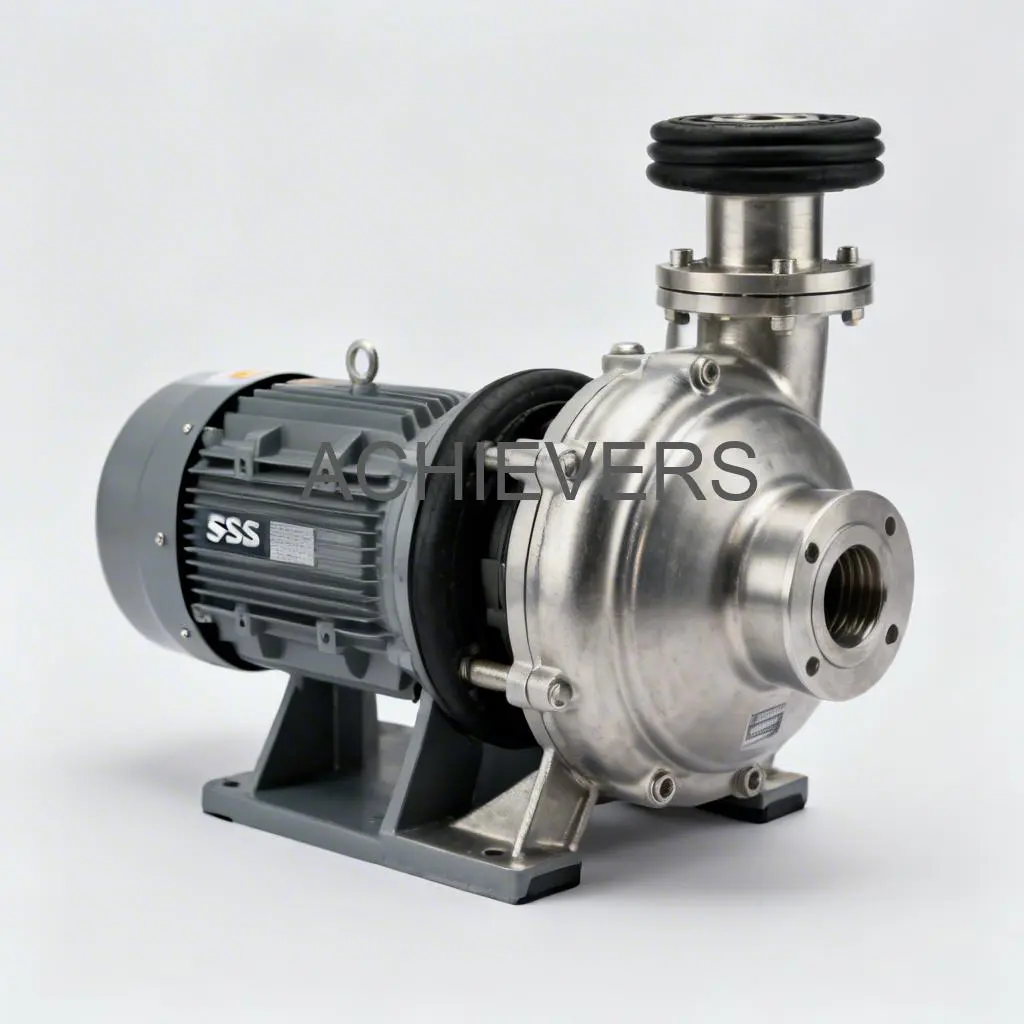
Chintan Engineers specializes in engineering precision solutions for fluid management, and our range of SS Pumps is designed to meet the rigorous demands of modern industry. These pumps are constructed primarily from high-grade stainless steel (typically SS 304 or SS 316), making them the ideal choice for handling aggressive chemicals, corrosive liquids, and food-grade fluids where purity is non-negotiable.
Unlike standard cast iron pumps, SS Pumps offer superior resistance to oxidation and chemical attack. This durability is essential for industries where the fluid media can degrade standard materials rapidly. Based on our manufacturing expertise, these pumps are engineered to deliver consistent flow rates and maintain pressure even under continuous duty cycles.
Key Technical Features:
- Material Construction: High-quality Stainless Steel chassis and wetted parts ensure long-term durability against rust and chemical corrosion.
- Design Efficiency: Optimized impeller and casing designs minimize energy consumption while maximizing hydraulic efficiency.
- Versatility: Suitable for a wide range of viscosities, from thin solvents to moderately viscous oils and syrups.
- Sealing Options: Equipped with robust mechanical seals to prevent leakage of hazardous or expensive fluids.
- Drive Compatibility: Designed to couple seamlessly with standard electric motors commonly used in Indian industrial setups.
Our manufacturing process involves precision calibration and rigorous testing to ensure that every unit meets strict performance benchmarks before it leaves our facility. This commitment to quality ensures that when you install one of our pumps, you are investing in a system built to perform under Indian site conditions.
2. Troubleshooting Workflow: Cavitation, Leakage, and Low Flow
For plant engineers, a practical troubleshooting workflow is essential to minimize mean time to repair (MTTR). When SS Pumps fail or underperform, the root cause often lies in system dynamics rather than the pump itself. This section outlines a systematic approach to identifying and resolving the three most common issues: cavitation, leakage, and low flow.
A. Diagnosing and Solving Cavitation
Cavitation is arguably the most destructive force a pump can experience. It occurs when the absolute pressure of the liquid at the pump suction falls below the vapor pressure of the liquid, causing bubbles to form. When these bubbles move to higher-pressure areas within the impeller, they collapse implosively, causing pitting and severe vibration.
Symptoms:
- Loud noise resembling gravel or marbles rattling inside the pump casing.
- Excessive vibration.
- Fluctuating discharge pressure.
Root Causes & Solutions:
- NPSH Mismatch: This is the most common culprit. If the Net Positive Suction Head Available (NPSHa) is lower than the Net Positive Suction Head Required (NPSHr) by the pump, cavitation is inevitable.
- Corrective Action: Increase the liquid level in the suction tank, raise the suction tank, or lower the pump installation level. Reducing friction losses in suction piping by increasing pipe diameter or reducing the number of elbows also helps.
- Suction Blockage: clogged strainers or partially closed valves on the suction side restrict flow and drop pressure.
- Corrective Action: Implement a routine inspection schedule for suction strainers. Ensure suction valves are fully open during operation.
- High Temperature: As fluid temperature rises, vapor pressure increases, reducing the margin for cavitation.
- Corrective Action: Check if the process temperature exceeds the pump’s design limits. You may need to cool the fluid or pressurize the suction vessel.
B. Troubleshooting Mechanical Seal Leakage
In SS pump mechanical seal leakage troubleshooting, understanding the failure mode of the seal faces is critical. The mechanical seal is the primary barrier preventing fluid from entering the atmosphere or the motor bearings.
Symptoms:
- Visible dripping or spraying of fluid from the seal area.
- Crystallization or buildup around the shaft.
Root Causes & Solutions:
- Dry Running: Running the pump without fluid creates immense heat, destroying the seal faces in seconds.
- Corrective Action: Install dry-run protection sensors or flow switches. Ensure the pump is primed before every start.
- Chemical Incompatibility: Using a seal material (like Carbon/Ceramic) that reacts with the process fluid.
- Corrective Action: Consult with Chintan Engineers to select the correct seal face materials (e.g., Silicon Carbide, Viton, or PTFE) suited for SS pumps for chemical process plants India.
- Vibration and Misalignment: Excessive shaft deflection due to misalignment between the pump and motor causes seal faces to open.
- Corrective Action: Check coupling alignment using laser tools or dial indicators during installation and periodically thereafter.
C. Addressing Low Flow and Low Pressure
When a pump is running but not delivering the required output, it disrupts the entire production line. Stainless steel pump low flow low pressure troubleshooting starts with checking the hydraulic conditions.
Symptoms:
- Flow meter readings are below setpoints.
- Downstream tanks take longer to fill.
- Discharge pressure gauges show low values.
Root Causes & Solutions:
- Air Ingress: Air entering the suction line takes up volume meant for liquid.
- Corrective Action: Check all suction line flanges and gaskets for tightness. Even a pinhole leak on a suction line under vacuum can introduce significant air.
- Worn Impeller: In abrasive applications, the impeller vanes may wear down, reducing their ability to impart energy to the fluid.
- Corrective Action: Inspect the impeller during maintenance shutdowns. Replace if the clearance between the impeller and casing exceeds manufacturer specifications.
- Wrong Direction of Rotation: This is common after motor maintenance or re-wiring.
- Corrective Action: bump-start the motor to verify rotation matches the arrow on the pump casing.
3. Selection and Configuration Guide
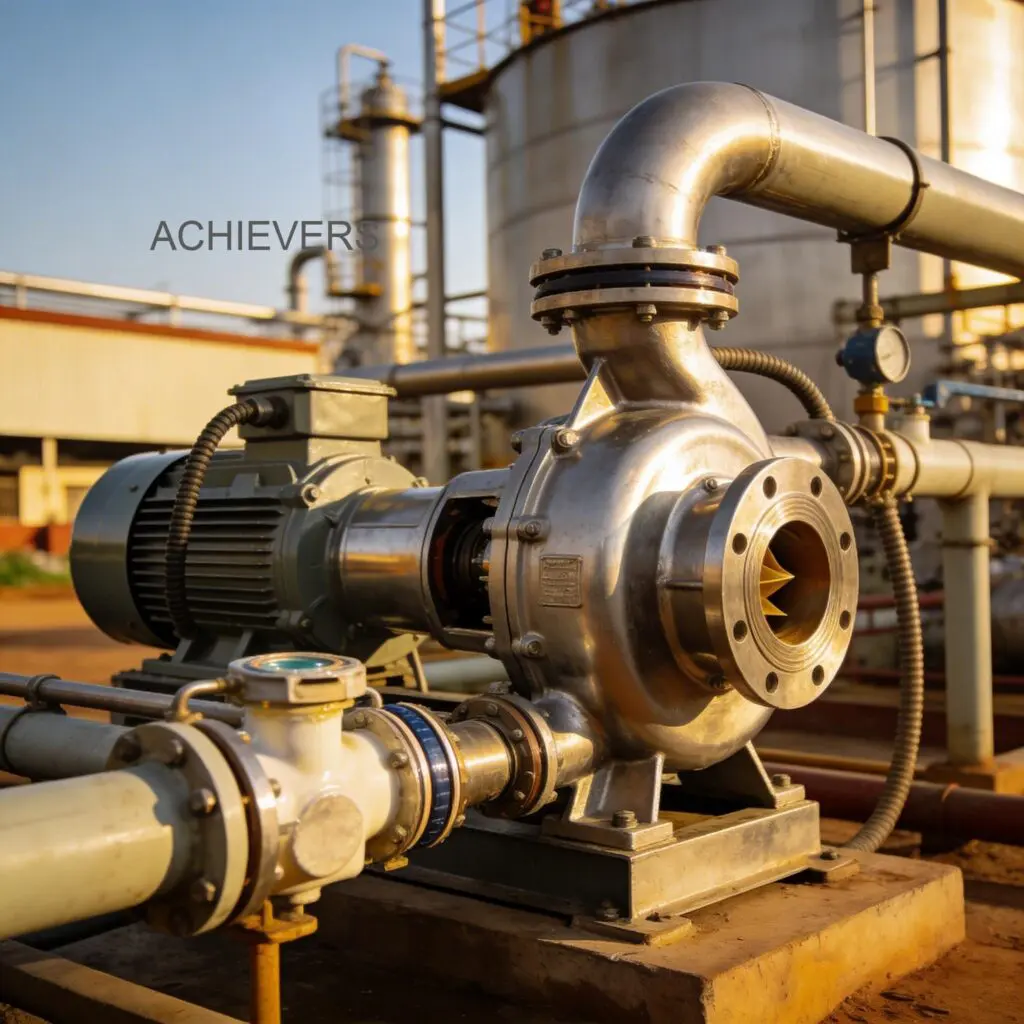
Selecting the right stainless steel pump is not just about picking a model off a shelf; it requires careful consideration of your specific process parameters. As leading SS pump manufacturers in India, we recommend a detailed evaluation phase to ensure the equipment matches the application.
Key Selection Criteria
1. Hydraulic Requirements
- Flow Rate (Q): Determine the volume of fluid needed per hour. Over-sizing a pump can be as damaging as under-sizing due to operation far to the left of the Best Efficiency Point (BEP).
- Head (H): Calculate the total dynamic head, which includes the static vertical lift and friction losses in the piping.
2. Fluid Properties
- Viscosity: Stainless steel centrifugal pumps handle low viscosity fluids well. For higher viscosity, you may need specific impeller designs or lower RPMs.
- Specific Gravity: Heavier fluids require more motor power (BHP). Ensure the motor is rated for the fluid's density, not just water.
- Temperature: High temperatures affect seal selection and may require jacketed casings for temperature maintenance.
3. Material Grade
- SS 304: Suitable for water, mild chemicals, and general dairy applications.
- SS 316/316L: Required for more aggressive acids, pharmaceutical ingredients, and highly saline environments due to its molybdenum content which offers better pitting resistance.
Configuration Checklist for Buyers
When sending an enquiry, providing the following details ensures you get an accurate quotation:
- Liquid Name & Concentration: (e.g., 20% Sulfuric Acid, Potable Water).
- Operating Temperature: Minimum and Maximum.
- Suction Conditions: Flooded suction or suction lift?
- Duty Cycle: Continuous (24/7) or intermittent?
- Motor Specs: Preferred voltage (415V/3Ph or 230V/1Ph) and enclosure type (Flameproof vs. Non-flameproof).
4. Typical Applications in Indian Industry
The versatility of SS Pumps allows them to be deployed across a wide spectrum of sectors. Our experience serving clients across India highlights several key application areas where these pumps deliver exceptional value.
Chemical and Petrochemical Plants
Handling aggressive solvents, acids, and alkalis requires the inert properties of stainless steel. In these environments, safety is paramount, and the leak-free performance of our pumps ensures hazardous fluids are contained.
Food, Dairy, and Beverage
Hygiene is the top priority here. The polished stainless steel surfaces prevent bacterial growth and allow for effective Clean-In-Place (CIP) procedures. Typical uses include milk transfer, syrup pumping, and beverage bottling lines.
Water and Wastewater Treatment
For RO plants and industrial effluent treatment, pumps must withstand continuous operation and exposure to treated water which can sometimes be aggressive to cast iron. SS pumps provide the longevity needed for municipal and industrial water supply systems.
Pharmaceutical Manufacturing
The pharma industry demands zero contamination. High-purity SS pumps are used to transfer purified water (PW), water for injection (WFI), and various liquid formulations, ensuring compliance with strict GMP standards.
5. Service, Installation, and Support
Even the best-engineered pump requires proper installation and maintenance to function correctly. At Chintan Engineers, we believe in end-to-end solutions, from manufacturing to AMC (Annual Maintenance Contracts).
Installation Best Practices:
- Foundation: Ensure the pump baseplate is grouted firmly to a level concrete foundation to absorb vibration.
- Piping Support: Piping should be independently supported. Never force the piping to align with the pump flanges, as this introduces stress that leads to casing cracks or misalignment.
- Electrical Safety: Ensure all electrical connections are done by certified electricians, using proper overload relays and starters.
The Importance of Genuine Spares
Using non-OEM spares for impellers or seals can compromise the pump’s hydraulic performance and efficiency. We maintain a stock of genuine components to support our industrial SS pump maintenance checklist protocols.
AMC and Calibration
Regular maintenance prevents catastrophic failures. Our AMC services include periodic vibration analysis, seal inspection, and calibration of associated flow meters to ensure your system remains accurate and reliable. With over 15 years of expertise, our technical support team is equipped to handle on-site troubleshooting across India.
To ensure you select the correct SS pump configuration for your specific flow and pressure requirements, contact our engineering team. Please have your fluid details, required flow rate, and site layout information ready so we can engineer the perfect solution for your facility.
