
















In modern industrial facilities across India, precision in fluid management is non-negotiable. Whether a plant is handling high-value lubricants, aggressive chemicals, or bulk diesel, the inability to control precise fluid volumes directly impacts profitability. Inconsistent batching leads to product waste, extensive rework, quality control failures, and disrupted production schedules. For industries demanding stringent accuracy and high uptime, relying on manual filling or basic timed flow is no longer viable.
To overcome these operational bottlenecks, facilities are upgrading to automated solutions designed specifically for industrial fluid handling. Specifying the correct equipment requires a deep understanding of fluid dynamics, valve actuation logic, and control system integration. A properly engineered Liquid Batching System eliminates human error by utilizing highly calibrated flow meters combined with intelligent programmable logic controllers (PLCs). By ensuring that every drop is accounted for, plants can maintain exacting standards while operating in the demanding environments typical of the manufacturing, logistics, and energy sectors. This guide explores the technical parameters necessary to specify and deploy a highly accurate batching solution tailored for Indian industrial site conditions.
1. What this product does
At its core, a Liquid Batching System is an engineered assembly that automates the precise dispensing of a predefined volume of fluid into a container, mixing vessel, or process line. Driven by innovation and powered by rigorous engineering, these systems replace manual estimation with verified, repeatable flow measurement. The architecture of the equipment typically includes a high-accuracy flow meter (such as a positive displacement or turbine meter depending on fluid viscosity), a heavy-duty pump, a control unit, and automated flow-control valves.
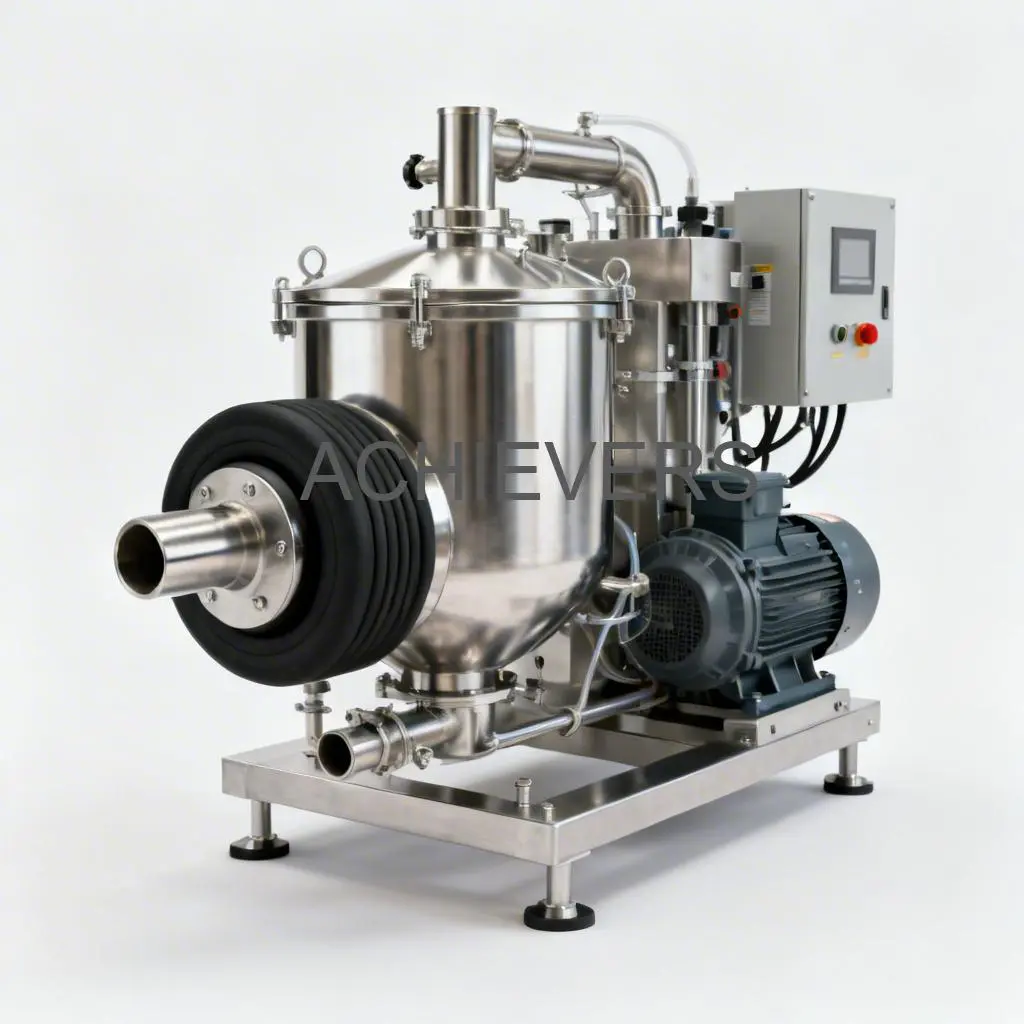
Designed to deliver long-term value in demanding environments, the Liquid Batching System is built for reliability. It integrates seamlessly into existing plant infrastructure to manage everything from low-viscosity fuels to high-viscosity lubricants. The system continuously monitors the flow rate and total volume passing through the meter. Once the pre-set batch quantity is reached, the controller automatically triggers the valve closure and stops the pump, ensuring an exact fill without operator intervention. Backed by over 15 years of trusted expertise in flow and dispensing, these systems offer enduring support, accurate calibration, and rugged durability to withstand harsh operating conditions across India.
2. Explain how Indian plants should define accuracy class, fast/slow fill logic, PLC/HMI recipe handling, and pneumatic valve selection to avoid overshoot, rework, and inconsistent batches. Include a practical specification checklist for drum/tote filling, additive dosing, and fuel/lube blending skids.
When evaluating automated fluid transfer, plant engineers must look beyond basic flow rates and focus strictly on control mechanisms. The failure to properly specify valve actuation and control intelligence often results in batch overshoot—where the system dispenses more fluid than intended due to mechanical lag or fluid momentum. To prevent this, specifying a PLC based liquid batching system with recipe control is critical.
A PLC (Programmable Logic Controller) paired with an HMI (Human-Machine Interface) allows operators to store multiple fluid "recipes." In facilities handling different grades of oils or chemicals, the PLC remembers the specific gravity, flow parameters, and required volumes for each product. Operators simply select the recipe on the touch screen, and the PLC automatically adjusts the batch parameters. This eliminates manual calculation errors and ensures consistent product formulation.
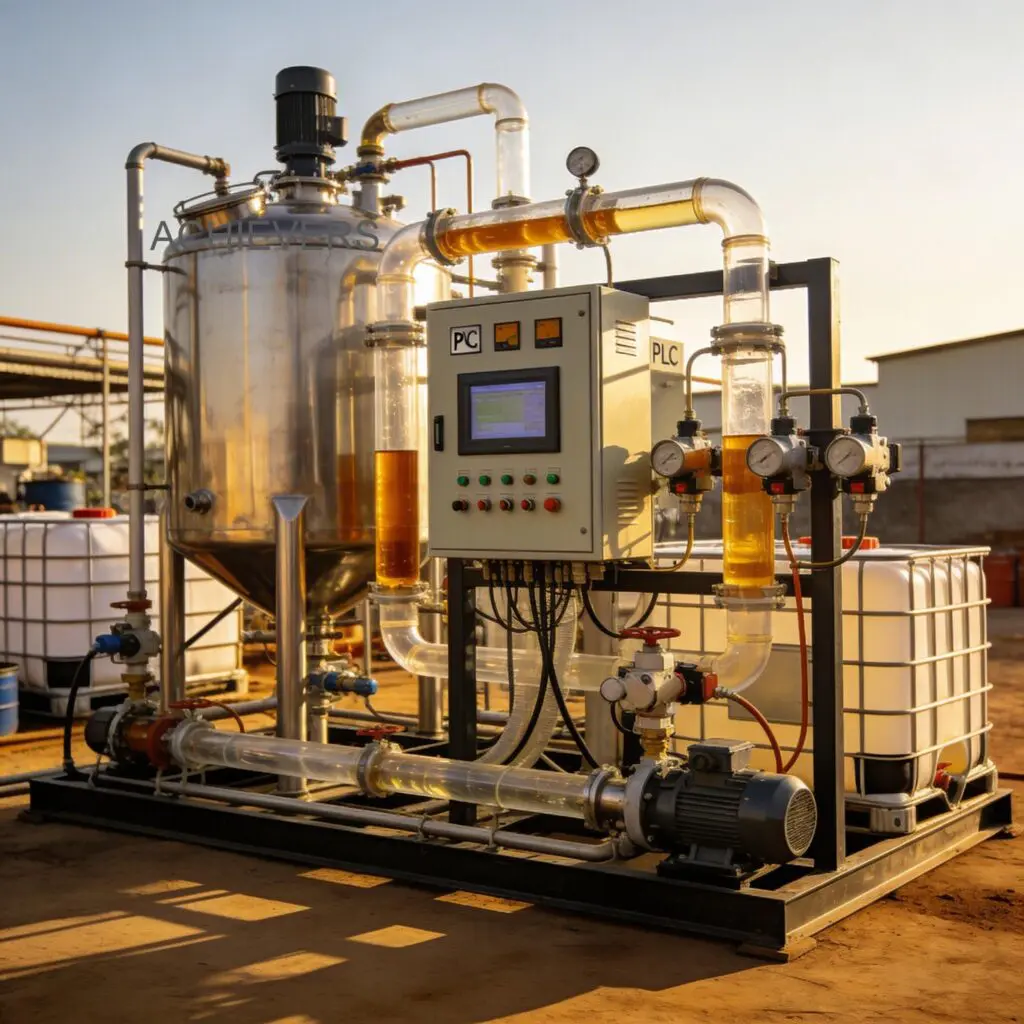
To physically execute this precise control and avoid overshoot, the system must utilize pneumatic valve fast slow filling for liquid batching system operations. In a standard single-stage valve setup, the valve snaps shut when the target volume is reached. However, the fluid already in motion within the pipe (kinetic energy) continues to push forward, causing overfills and potential water hammer. A dual-stage pneumatic valve solves this by operating in two distinct phases. For the majority of the batch, the valve remains 100% open for a "fast fill," maximizing production speed. As the batch approaches 90% to 95% of the target volume, the PLC signals the pneumatic actuator to partially close the valve to a "slow fill" (dribble) position. This drastically reduces the flow rate for the final few liters, allowing the valve to snap completely shut at the exact target volume with zero overshoot.
Defining the accuracy class is equally important. Indian plants must specify whether they require commercial accuracy (e.g., ±0.5%) for standard water or base oil transfers, or high precision (±0.1%) for custody transfer, high-value additive dosing, and stringent chemical blending.
To ensure all parameters are captured during the procurement phase, plant managers should utilize the following liquid batching system specification checklist:
- Accuracy Class Requirement: Determine the acceptable tolerance (±0.1%, ±0.5%, or ±1.0%) based on the cost of the fluid and process requirements.
- Valve Logic: Confirm the inclusion of dual-stage pneumatic valves for fast/slow fill capabilities to eliminate batch overshoot.
- Control Architecture: Ensure the system features a PLC/HMI setup capable of storing multiple recipes for varying batch sizes and fluid types.
- Fluid Characteristics: Document the specific gravity, viscosity range (in cSt), operating temperature, and chemical compatibility to dictate wetted part materials (e.g., SS316 vs. Carbon Steel).
- Hazardous Area Classification: Identify if the installation zone requires flameproof (PESO/ATEX certified) enclosures and intrinsic safety barriers.
- Throughput Rate: Define the required flow rate (LPM or M3/Hr) to optimize drum/tote filling cycle times without causing splashing or foaming.
3. Selection / configuration guide
Selecting the right configuration requires aligning the mechanical components of the Liquid Batching System with the specific fluid properties and site conditions. As a leading liquid batching system manufacturer in India, it is understood that off-the-shelf solutions rarely fit complex industrial applications perfectly. Buyers must carefully match the pump capacity, flow meter technology, and material of construction to their unique operational needs.
For instance, highly viscous fluids like heavy gear oils require positive displacement flow meters (like oval gear meters) and gear pumps, whereas thin fluids like diesel or solvents are better suited to turbine meters and centrifugal pumps. The power supply also matters; stationary plant setups typically utilize standard 3-phase AC power, while mobile skids or remote fuel management sites might require 12V/24V DC configurations.
When engineers are evaluating their options, they should consider the following configuration criteria:
- Flow Meter Technology: Choose positive displacement for high viscosity or fluctuating flow profiles, and turbine/magnetic meters for thinner, conductive, or non-lubricating liquids.
- Material of Construction (MOC): Specify Stainless Steel (SS304/SS316) for corrosive chemicals or food-grade applications, and Cast Iron or Carbon Steel for standard fuels and lubricants.
- Mounting and Form Factor: Decide between a compact wall-mounted unit, a dedicated stationary skid, or a mobile trolley-mounted system for flexible plant utilization.
- Automation Level: Choose between a standalone preset controller for single-fluid applications or a comprehensive PLC/SCADA integrated panel for plant-wide data logging.
To ensure the system is engineered correctly from the start, buyers must communicate specific details to the manufacturer during the initial enquiry. Be prepared to share:
- The exact name, viscosity, and temperature of the fluid being handled.
- The minimum, maximum, and average batch quantities required per cycle.
- The preferred filling container (e.g., 20L pails, 200L drums, or 1000L IBC totes).
- Details of the operating environment, including indoor/outdoor placement and any explosive gas/dust presence.
4. Typical applications
The versatility of a well-engineered Liquid Batching System allows it to be deployed across a wide spectrum of industrial environments. These systems are highly sought after in sectors where fluid accountability translates directly to the bottom line, such as logistics, heavy manufacturing, energy, and chemical processing.
One of the most frequent applications is the liquid batching system for drum and tote filling. In lubricant manufacturing and packaging plants, these systems ensure that every 200-liter drum or 1000-liter IBC tote receives the exact net volume, ensuring compliance with legal metrology standards and preventing costly product give-away. The automated fast/slow fill logic is particularly beneficial here, as it prevents foaming and splashing during the high-speed filling of narrow-neck drums.
Furthermore, an industrial liquid batching skid for diesel and lubricants India is a staple in large-scale logistics hubs, mining operations, and commercial transport yards. Here, they are used to dispense precise quantities of fuel or engine oil into fleet vehicles or heavy earth-moving equipment, maintaining strict inventory control and preventing pilferage. Additionally, these systems are heavily utilized in additive dosing and fuel/lube blending operations, where multiple fluids must be proportioned accurately into a single mixing vessel to achieve a specific chemical formulation.
5. Service, installation, and support
The physical deployment of a batching system is only the first step in achieving fluid control. Proper installation, rigorous commissioning, and ongoing maintenance are vital to ensure the system performs exactly as designed over its lifecycle. Every system should be subjected to accurate calibration at the factory, verified, and certified for consistency before it ever reaches the customer's site.
During installation at Indian plant sites, best practices dictate ensuring stable power supplies free from voltage spikes, proper grounding of all electronic components, and the installation of upstream Y-strainers or filters. Debris in the fluid line is a primary cause of flow meter inaccuracy and pneumatic valve failure, making pre-filtration essential.
Enduring support is a cornerstone of operational uptime. Facilities should rely on transparent communication from their manufacturer, securing comprehensive Annual Maintenance Contracts (AMCs) that guarantee regular on-site recalibration and immediate access to genuine local spare parts. Having expert technical support available ensures that any deviations in batch accuracy are swiftly diagnosed and corrected, keeping industrial operations efficient, precise, and highly profitable.
For a solution built to perform under your exact site conditions, reach out to our technical engineering team today. Please share the details of your desired flow rates, specific application needs, fluid characteristics, and site environment so we can help you configure the perfect Liquid Batching System for your facility.
