
















Managing corrosive fluids is one of the most persistent challenges in the Indian processing sector. From textile dyeing units in Gujarat to steel pickling lines in Odisha, plant managers constantly face the issue of equipment degradation caused by aggressive acids and alkalis. Using standard metallic pumps for these applications often leads to rapid corrosion, frequent downtime, and costly replacements.
To ensure operational continuity and safety, selecting the correct non-metallic pumping solution is critical. For many of these applications, PP Pumps (Polypropylene Pumps) have emerged as the industry standard due to their exceptional chemical inertness and cost-effectiveness. However, not all PP pumps are engineered equally. Choosing the right configuration requires a deep understanding of fluid properties, operating temperatures, and hydraulic requirements.
1. Engineered for Chemical Resistance
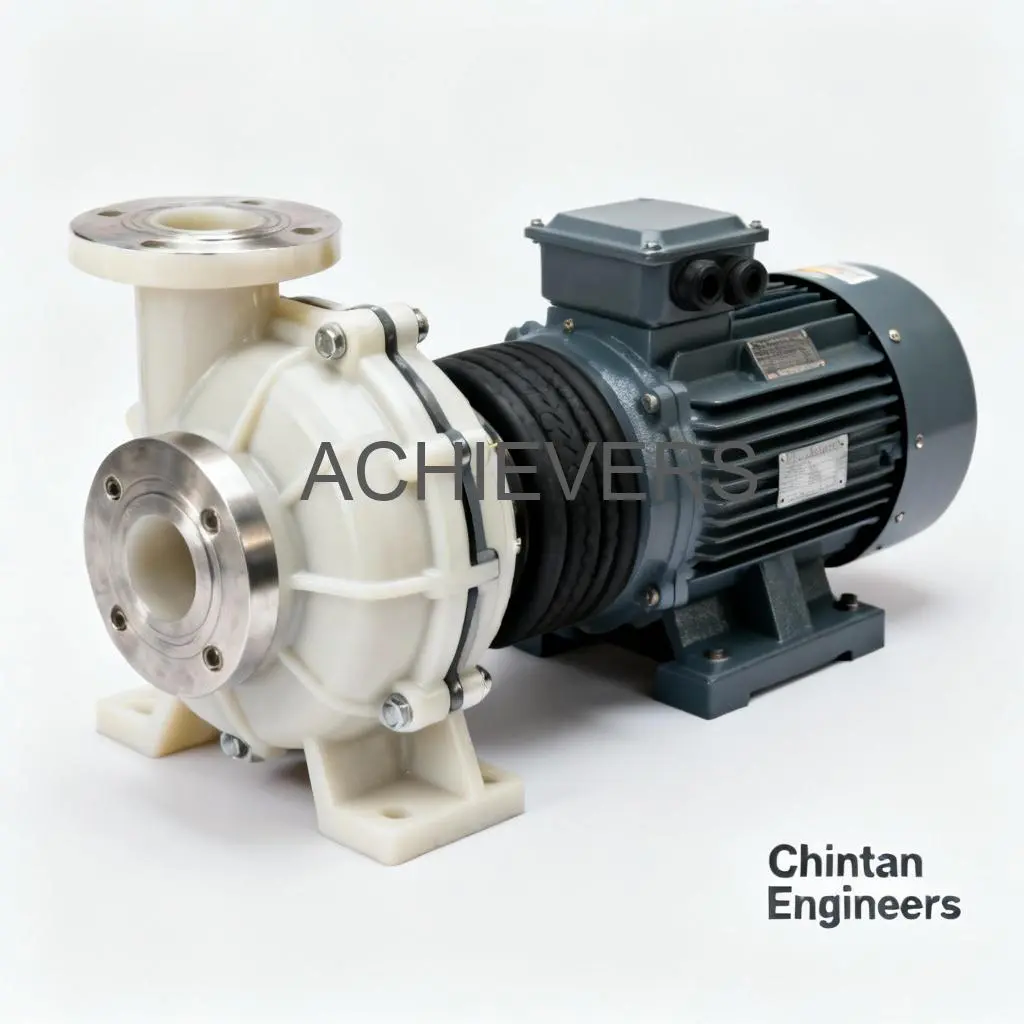
PP Pumps are specialized centrifugal pumps designed specifically to handle corrosive liquids that would destroy cast iron or stainless steel components. The core advantage lies in the material construction. Polypropylene (PP) is a thermoplastic polymer that offers outstanding resistance to a wide spectrum of aggressive chemicals, including Hydrochloric Acid (HCL), Sulphuric Acid, caustic soda, and various effluent mixtures.
Unlike lined pumps where a coating can peel off, these pumps are typically molded from solid polypropylene, ensuring consistent protection throughout the pump casing and impeller. Based on the engineering standards maintained at Chintan Engineers, these pumps are built to deliver high-performance flow handling while maintaining structural integrity under pressure.
Key technical characteristics include:
- Corrosion Resistance: The wetted parts are fully non-metallic, eliminating the risk of galvanic corrosion or chemical attack.
- Impeller Design: Typically features semi-open or closed impellers designed to handle fluids with specific gravity variations without clogging.
- Shaft Protection: The metal shaft is usually shielded by a high-grade sleeve (often ceramic or compatible alloy), ensuring the fluid never contacts the metal drive components.
- Construction: Available in coupled or monoblock designs to suit available space and alignment requirements in the facility.
2. Critical Selection Criteria for Indian Process Industries
While the base material is robust, selecting the right PP Pumps for your specific plant requires analyzing several operational variables. This chemical handling pump selection guide is designed to help industrial buyers navigate the complexities of aggressive fluid transfer, particularly for applications like acid transfer, pickling lines, and Effluent Treatment Plants (ETP).
Material Compatibility and Concentration
While industrial PP pumps India are versatile, they have specific limits. PP is excellent for acids and alkalis but may not be suitable for strong oxidizing agents or certain organic solvents. You must verify the concentration of the chemical. For example, PP handles HCL at almost all concentrations well, but for highly concentrated Sulphuric Acid at elevated temperatures, the material stress must be calculated carefully.
Temperature Handling
In the Indian industrial context, ambient temperatures can be high, and process fluids often retain heat. Polypropylene generally performs reliably up to 60°C–70°C. If your process involves liquids exceeding 80°C, the mechanical strength of PP decreases, leading to potential deformation or failure. For higher temperature applications, engineers often recommend upgrading to PVDF, but for the vast majority of cold to warm acid transfer tasks, PP remains the most economic and efficient choice.
Sealing Options
The seal is the most critical component in a chemical pump. Leakage in an acid transfer pump for steel plants or chemical units is a major safety hazard.
- Mechanical Seals: Most PP pumps utilize internal or external mechanical seals. For abrasive fluids (common in ETPs where sludge is present), a Silicon Carbide vs. Ceramic face combination is often preferred over Carbon.
- Gland Packing: Generally avoided in corrosive chemical pumps due to leakage requirements.
- Seal Cooling: Ensure the design allows for adequate lubrication of the seal faces, either by the process fluid or an external flush, to prevent dry running which is the number one cause of pump failure.
3. Configuration and Sizing Guide
Once the material suitability is confirmed, the mechanical configuration must be matched to the hydraulic duty point. Over-sizing a pump can lead to cavitation and energy wastage, while under-sizing results in poor process efficiency.
Determining Flow and Head
- Flow Rate (Capacity): Calculate the required volume in Liters Per Minute (LPM) or Cubic Meters per Hour (m³/hr).
- Total Dynamic Head: This is not just the vertical height. You must account for friction losses in the piping, bends, and valves. Since PP piping has different friction coefficients compared to steel, accurate calculation is vital.
Motor and Power Selection
- Specific Gravity (SG): Water has an SG of 1.0. Acids like Sulphuric Acid are much heavier (SG > 1.8). A standard motor selected for water will trip or burn out if used for heavy acids. You must select a motor with higher horsepower (HP) to compensate for the fluid's density.
- Efficiency: Opt for IE2 or IE3 efficiency motors to reduce long-term operational costs.
- Enclosure: In corrosive environments, ensure the motor has an IP55 or higher rating to protect against fumes and dust.
Mounting and Connections
- Flanges: Check if the existing piping follows ANSI, DIN, or BS standards to ensure the pump flanges match without needing costly adapters.
- Base Frame: For coupled pumps, a rigid, vibration-absorbing base frame (often epoxy coated) is essential to maintain alignment between the motor and pump shaft.
4. Typical Applications in Indian Manufacturing
PP pumps are the workhorses of the chemical handling sector. Their deployment spans across various industries where fluid purity and corrosion prevention are paramount.
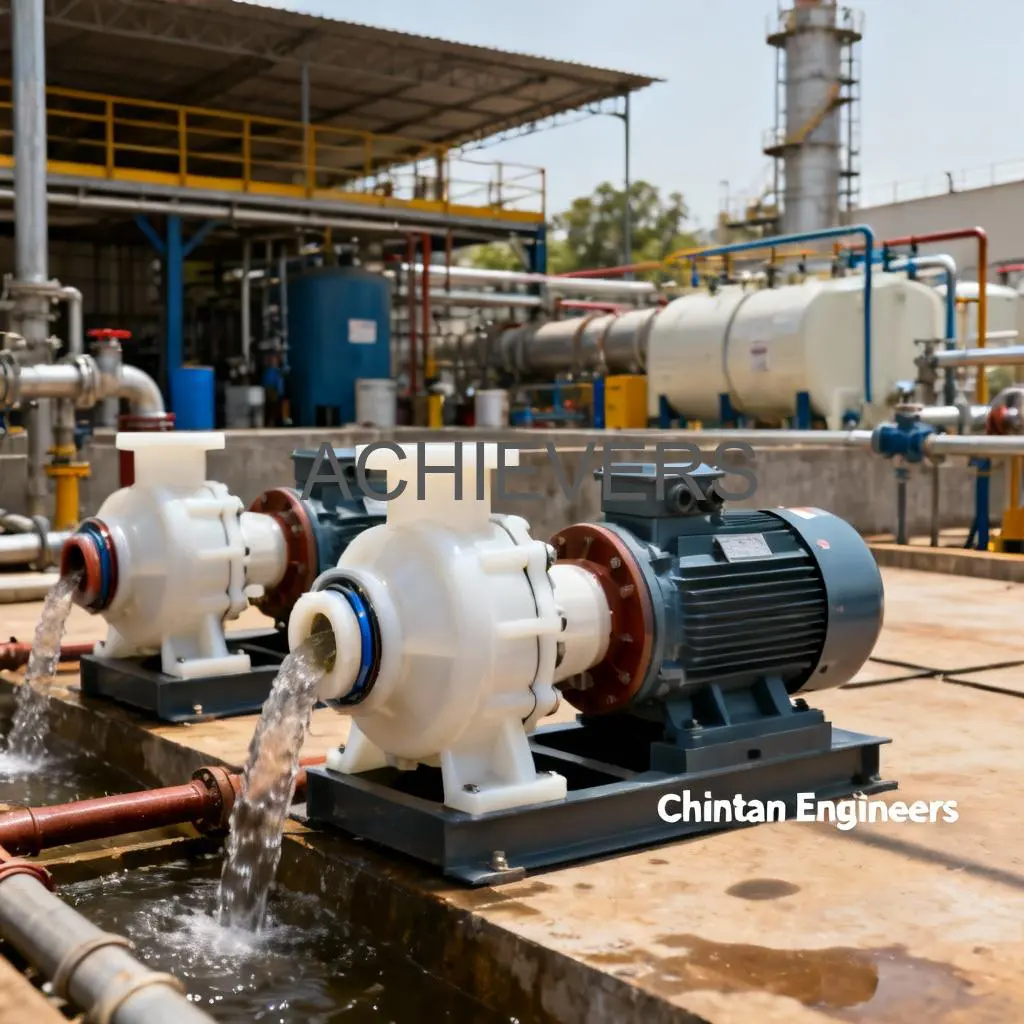
- Effluent Treatment Plants (ETP): As corrosion resistant pumps for ETP, they are used for transferring acidic or alkaline wastewater to neutralization tanks. They are also used in filter press feeding applications where moderate pressure is required.
- Steel and Metal Finishing: Serving as a primary acid transfer pump for steel plants, these units handle pickling liquors (HCL/H2SO4) used to remove rust and scale from steel coils and sheets.
- Electroplating and Anodizing: Used for circulating electrolytes and refilling plating baths. The non-metallic nature ensures no stray currents interfere with the plating process and no metal contamination enters the bath.
- Chemical Logistics: Loading and unloading tankers containing bulk chemicals.
- Scrubbing Systems: Recirculating scrubbing liquids in fume extraction systems to neutralize exhaust gases.
5. Service, Installation, and Support
Even the best-engineered PP pumps for chemical transfer require proper installation to ensure longevity. At Chintan Engineers, we emphasize that "Enduring Support" is as important as the product itself.
Installation Best Practices
- Foundation: Ensure the pump is grouted or bolted to a level concrete foundation to prevent vibration.
- Suction Piping: Keep suction lines short and straight. Ensure there are no air pockets, as air entrainment can damage the impeller and seal.
- Strainers: Always install a PP strainer on the suction side to prevent solid debris from entering the volute casing and shattering the impeller or damaging the mechanical seal.
Maintenance and Spares
One of the advantages of sourcing from established polypropylene pump manufacturers in India is the availability of spares. Imported pumps often face long lead times for simple components like impellers or seal kits. We recommend keeping a spare mechanical seal kit and an impeller in stock for critical process pumps. Regular inspection of the seal area for drips and monitoring motor amperage can prevent catastrophic failures.
Call to Action
Selecting the right pump for corrosive chemicals is a balance of chemistry, physics, and engineering. Don't leave your critical fluid handling to guesswork.
For a precise configuration that matches your specific chemical concentration, temperature, and head requirements, consult the experts at Chintan Engineers.
Contact us today with your:
- Fluid name and concentration
- Operating temperature
- Required Flow (LPM/m3hr) and Head (Meters)
We will engineer the exact solution to keep your plant running safely and efficiently.
