
















Managing fuel inventory effectively is one of the most critical challenges for industrial operations in India. Whether running a logistics fleet, a construction site, or a manufacturing plant, diesel is a significant operating expense. Inaccurate measurement, spillage, and unauthorized usage can lead to substantial financial losses. To mitigate these risks, industrial buyers must move beyond rudimentary refueling methods and invest in engineered dispensing solutions.
The right equipment does more than just pump fuel; it provides accountability, ensures safety, and maintains the purity of the fluid. For plant engineers and fleet managers, selecting a robust Fuel Dispenser is the first step toward operational efficiency. This article explores the technical considerations for choosing a dispenser that withstands the demanding environments of Indian industry while delivering precise flow measurement and reliable performance.
1. What This Product Does
A Fuel Dispenser is a comprehensive system designed to transfer liquid fuels—primarily diesel in industrial contexts—from a storage tank to a receiving vehicle or machinery. Unlike simple transfer pumps, these units are engineered for high-accuracy measurement and controlled dispensing.
Based on the engineering expertise at Chintan Engineers, these dispensers are built to perform under rigorous conditions. They integrate several critical components into a single functioning unit:
- Pumping Unit: A high-performance pump designed to handle industrial fluids efficiently, ensuring steady flow even in continuous duty cycles.
- Flow Measurement: Precision flow meters that are calibrated to track exactly how much fuel is dispensed, essential for inventory reconciliation.
- Filtration: Integrated measuring and filtration systems that protect engines from contaminants often found in bulk storage.
- Control Interface: Options ranging from mechanical counters to digital displays that allow operators to monitor fueling in real-time.
These systems are known for reliability and long-term value. Whether installed in a fixed location or mounted on a mobile vehicle, the equipment is designed to support "End-to-End Solutions," ensuring that every drop of fuel is accounted for.
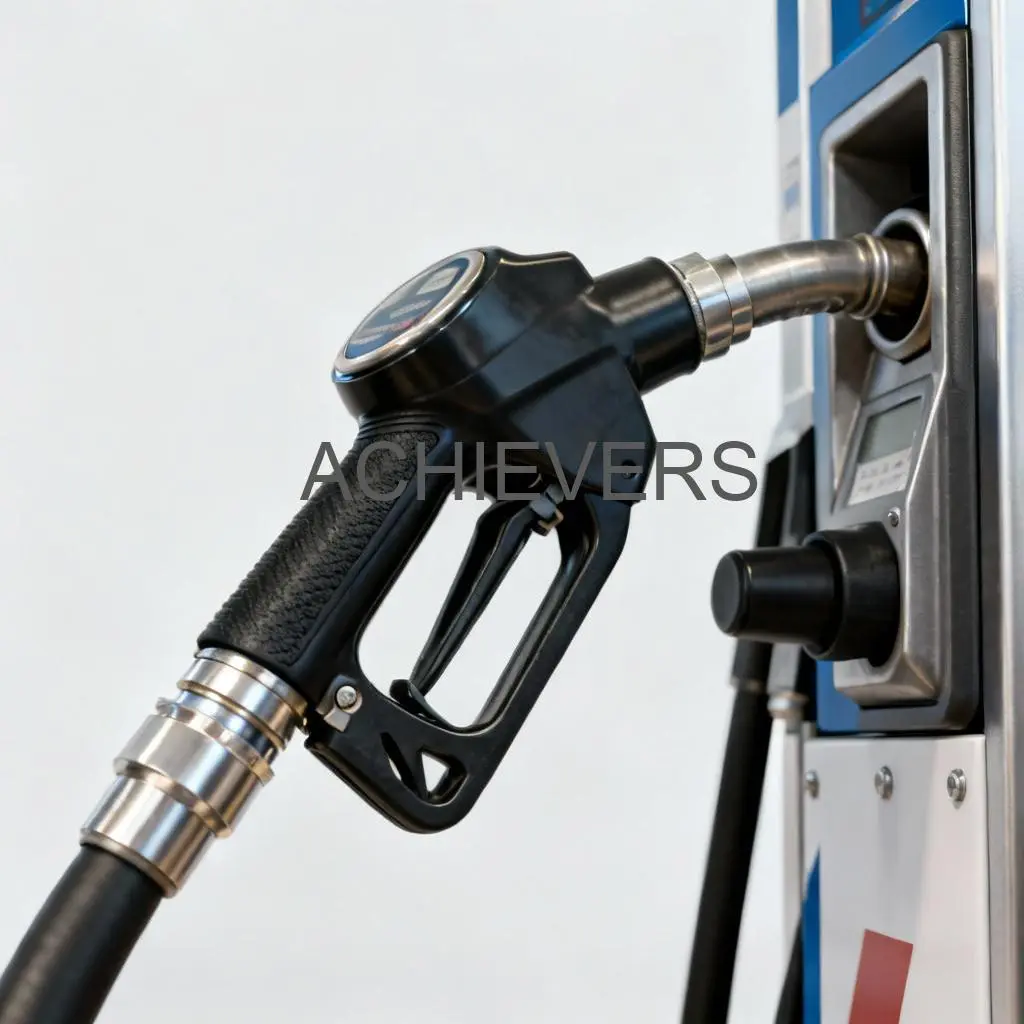
2. How to Select the Right Fuel Dispenser Model for Industrial Refueling Needs in India
Selecting the correct Fuel Dispenser is not a one-size-fits-all process. Industrial sites in India vary wildly, from dusty mining quarries to organized factory floors. Buyers must evaluate their specific operational parameters—specifically flow rate, power availability, accuracy requirements, and the refueling environment—to ensure the selected model delivers maximum efficiency.
Flow Rate Requirements
The speed at which fuel is dispensed directly impacts operational downtime.
- Standard Flow: For smaller vehicles, forklifts, or diesel generators (DG sets), a standard flow rate is often sufficient. It prevents splash-back and allows for safe filling of smaller tanks.
- High Flow: For large heavy commercial vehicles (HCVs), mining dumpers, or locomotives, a high-flow configuration is essential. A dispenser with a higher liters-per-minute (LPM) capacity reduces the time a vehicle spends idling at the fuel island, thereby increasing fleet utilization.
Power Options: AC vs. DC
The power source available at the installation site dictates the internal motor configuration of the fuel dispenser.
- AC Power (230V/415V): For stationary setups within factory premises or designated fuel yards, mains-operated dispensers offer consistent, high-power performance. These are ideal for permanent installations where electricity is stable.
- DC Power (12V/24V): For mobile refueling—such as bowsers or service trucks visiting remote construction sites—DC-powered units are necessary. These run directly off the vehicle’s battery, providing flexibility for "diesel fuel dispenser India" applications where grid power is inaccessible.
Accuracy and Calibration
In an industrial environment, accuracy is the difference between profit and loss. Industrial buyers should prioritize dispensers that feature "Accurate Calibration." A Fuel Dispenser must be verified and certified for consistency. Digital flow meters often offer higher granularity in reading, while mechanical counters provide robust, fail-safe operation in extreme environments where electronics might struggle.
Environmental Considerations
The physical environment determines the ruggedness required. Indoor factory use allows for standard enclosures, whereas outdoor sites exposed to rain, dust, and heat require weather-proof cabinets and corrosion-resistant materials.
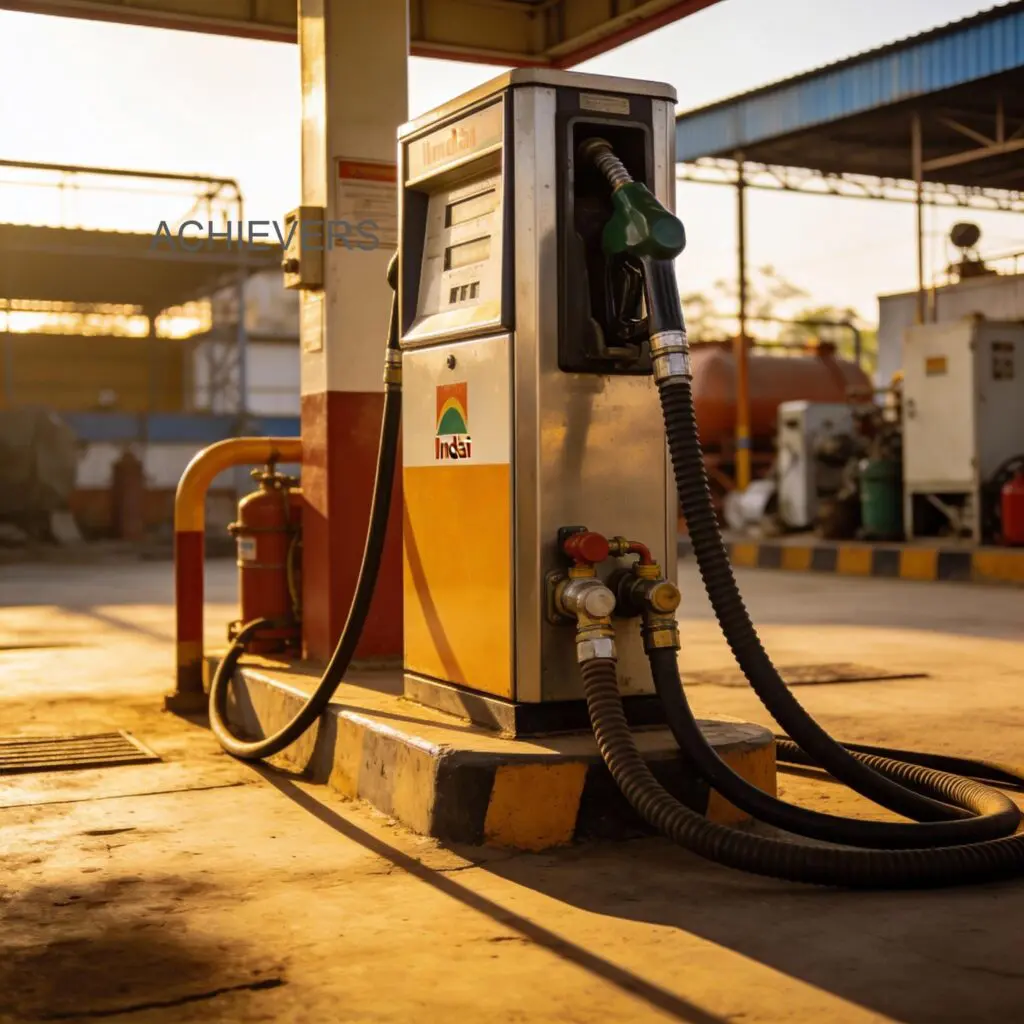
3. Selection and Configuration Guide
When configuring a fuel dispenser for industrial use, engineers and procurement managers should follow a systematic approach. A well-configured system reduces maintenance headaches and ensures compatibility with existing infrastructure.
Step 1: Determine the Fluid and Material Compatibility
While diesel is the primary fuel, some industries handle other fluids. Ensure the wetted parts (seals, gaskets, pump vanes) of the fuel dispenser are compatible with the specific specific gravity and viscosity of the fluid. Chintan Engineers focuses on durability, ensuring components do not degrade over time due to chemical incompatibility.
Step 2: Choose the Mounting and Form Factor
- Pedestal/Stationary: Best for established depots. These units are bolted to a concrete plinth and connected to underground or above-ground storage tanks.
- Wall/Tank Mounted: Ideal for compact spaces or direct mounting onto skid tanks.
- Mobile/Bowser Kits: essential for "best fuel dispenser for fleet refueling" scenarios where the pump goes to the machine.
Step 3: Select the Metering Technology
- Mechanical Registers: Preferred in remote areas where power fluctuations occur or simplicity is valued. They are incredibly durable and easy to service.
- Digital/Electronic Controllers: Necessary if you require integration with fuel management systems (FMS). Digital fuel dispensers for factories allow for data logging, user authentication, and automated reporting.
Step 4: Define Accessories and Safety Features
- Nozzles: Automatic shut-off nozzles prevent overfilling and spillage, a crucial environmental compliance factor.
- Filtration: High-quality filters prevent particulate matter from entering expensive common-rail diesel engines.
- Hose Length: Ensure the hose reach is adequate for the fueling lane layout.
4. Typical Applications
The versatility of a properly specified fuel dispenser makes it the backbone of fluid management across various sectors. Based on the product profile and industrial needs in India, these systems are typically deployed in:
- Logistics and Transportation: Fleet yards use stationary dispensers to refuel trucks rapidly between shifts, utilizing high-flow options to minimize turnaround time.
- Manufacturing Plants: Factories use dispensers for filling forklifts, backup generators, and internal transport vehicles. Precision measurement helps in allocating fuel costs to specific cost centers.
- Infrastructure and Construction: Mobile dispensers mounted on service trucks traverse highway projects and building sites to refuel excavators and cranes that cannot travel to a fuel station.
- Energy and Power Generation: Large-scale diesel generator setups require reliable dispensing systems to ensure fuel is transferred safely from bulk storage to day tanks.
- Mining: Heavy-duty, high-capacity dispensers are critical here, where equipment has massive fuel tanks and harsh operating conditions demand "Quality Workmanship."
5. Service, Installation, and Support
Even the most robust fuel dispenser manufacturers in India will emphasize that equipment life depends on proper installation and maintenance. Industrial refueling equipment is a long-term investment, and its reliability is directly tied to the support ecosystem.
Installation Best Practices
Installation should always be performed by technical experts. This ensures that suction lines are leak-free, electrical connections are grounded (critical for handling flammable fuels), and the unit is securely anchored. Improper installation can lead to air locks, reduced flow accuracy, or safety hazards.
Calibration and AMC
Over time, mechanical wear can affect meter accuracy. Regular "Accurate Calibration" is necessary to ensure that the display matches the actual output. Chintan Engineers emphasizes "Enduring Support – From installation to maintenance and AMC." An Annual Maintenance Contract (AMC) is highly recommended for industrial users. It ensures that seals are replaced, filters are cleaned, and calibration is verified periodically, preventing sudden breakdowns.
Genuine Components
Using genuine spares is vital for maintaining the "Trusted Expertise" promise. Generic parts often fail under pressure or leak, compromising the safety of the entire dispensing skid. Buyers should ensure their supplier commits to transparent communication regarding spare part availability.
By prioritizing these factors—flow dynamics, power supply, and measuring technology—industrial buyers can secure a fuel dispensing solution that enhances productivity and provides accurate data for years to come.
To ensure you select the correct configuration for your site, contact our technical team with your specific requirements, including preferred flow rates, available power supply, and intended application. We are here to engineer a solution that fits your operations perfectly.
