
















Managing high-viscosity fluids is a daily challenge for plant engineers and procurement teams across India’s manufacturing and logistics sectors. Whether you are handling heavy gear oil, hydraulic fluid, or conducting lube oil transfer operations, the accuracy of your measurement equipment directly impacts your operational efficiency and bottom line. Inaccurate readings can lead to inventory shrinkage, inconsistent batching, and costly mechanical failures. For industries operating under tight margins, selecting the right measurement solution is not just a technical detail—it is a business necessity.
The diverse climatic conditions in India, ranging from extreme heat to freezing winters, further complicate fluid handling. Viscosity fluctuates with temperature, making standard flow measurement techniques unreliable if the wrong technology is chosen. This guide explores how to select robust Oil Flow Meters specifically designed for these demanding conditions, ensuring your facility maintains high uptime and precise control over valuable fluid assets.
1. What This Product Does: Precision in Fluid Handling
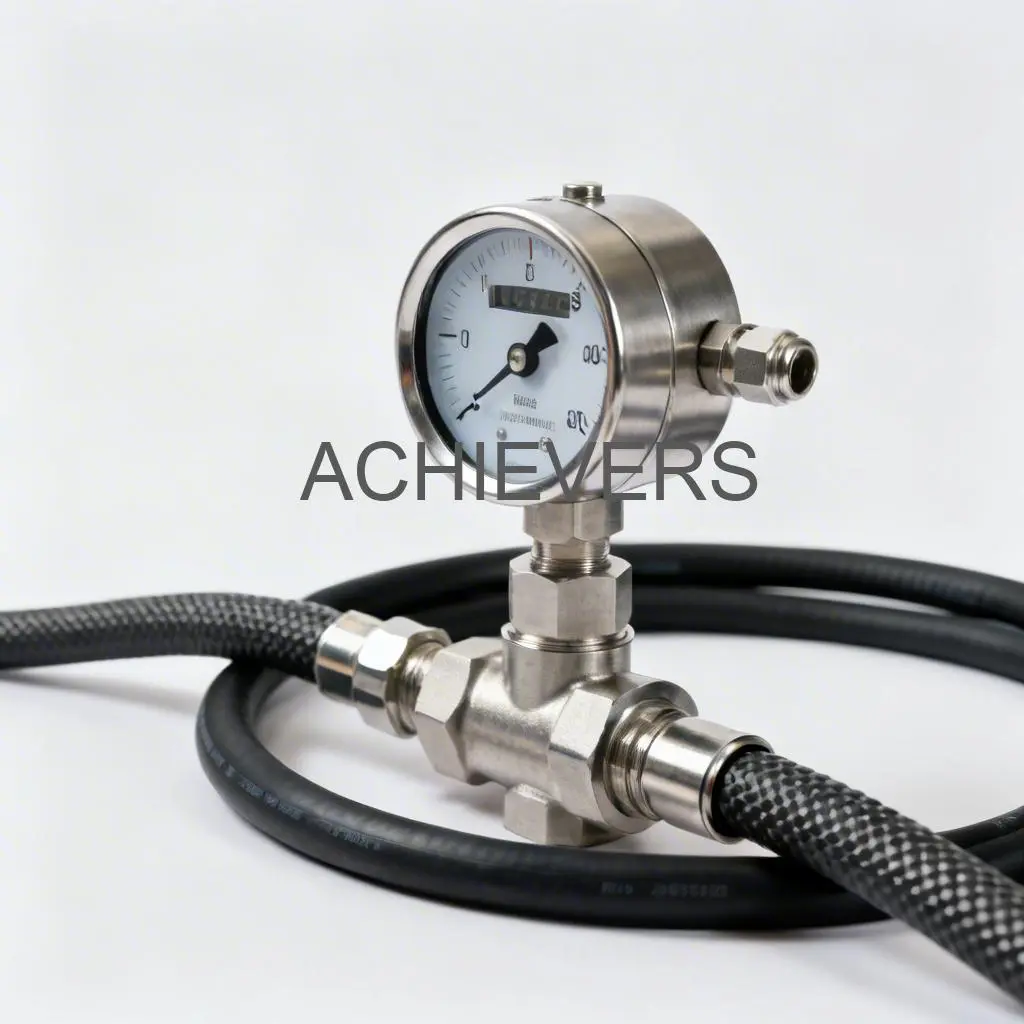
At Chintan Engineers, our Oil Flow Meters are engineered to deliver reliable volumetric measurement for a wide range of industrial oils. Unlike standard water meters which may fail or provide erratic readings when subjected to thick, viscous fluids, these meters are built to handle the resistance and drag characteristics of heavy hydrocarbons.
Based on the robust Positive Displacement (PD) and Oval Gear principles, these meters function by trapping a fixed volume of fluid between precision-engineered gears and the metering chamber. As the fluid flows, the gears rotate, and the rotation count is converted into a readable volume output. This mechanical precision ensures that the measurement remains consistent even when fluid properties change slightly.
Key capabilities and features include:
- High-Viscosity Performance: Designed specifically to maintain accuracy even when measuring thick fluids like gear oil, engine oil, and hydraulic fluids.
- Robust Construction: Built with durable materials to withstand industrial environments and the internal pressure generated by pumping viscous liquids.
- Versatile Readouts: Available with mechanical registers or digital displays, allowing for easy integration into various batching or transfer systems.
- Flow Range Versatility: Engineered to accommodate various flow rates, preventing the common issue of pressure drop spikes during high-speed transfers.
These instruments are not just passive gauges; they are critical process control tools. By providing verified data on fluid movement, they allow plant managers to audit consumption, detect leaks, and ensure that machinery receives the exact lubrication or fuel required for optimal performance.
2. Selecting the Right Meter for High-Viscosity Applications
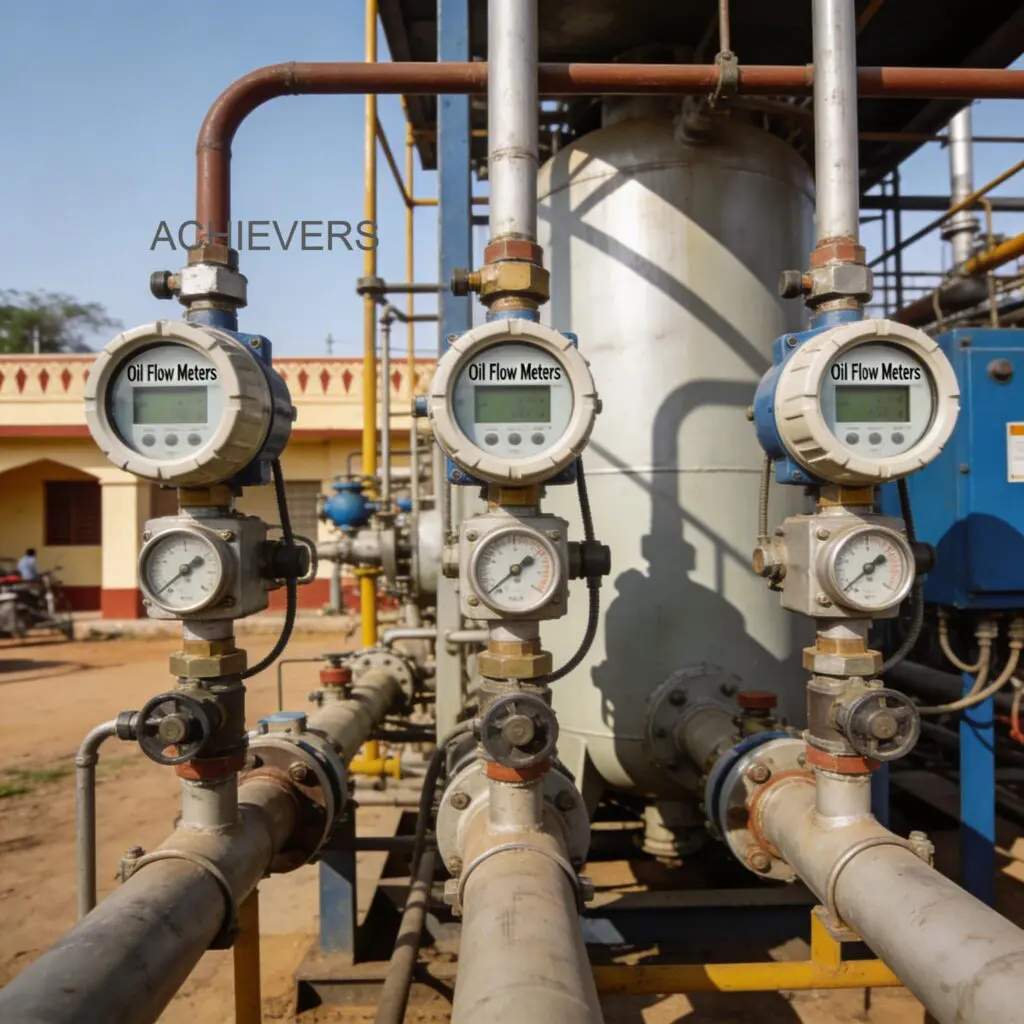
Choosing the correct metering technology is the most critical step in system design. This section helps plant engineers and purchase teams choose the right oil flow meters for viscous fluids by comparing PD/oval gear vs turbine options, sizing for flow range and pressure drop, and ensuring material-seal compatibility. It also covers India-relevant factors like temperature variation, contamination risk, installation orientation, and serviceability to reduce measurement errors and downtime.
PD/Oval Gear vs. Turbine Meters
For low-viscosity fluids like water or petrol, turbine meters are often sufficient. They rely on the velocity of the fluid to spin a rotor. However, when dealing with an oil flow meter for high viscosity oil, turbine meters often struggle. Thick oil causes "drag" on the turbine blades, leading to under-reading. Furthermore, at low flow rates, viscous fluid can flow past the turbine blades without spinning them effectively (slippage).
In contrast, Positive Displacement (PD) meters, particularly oval gear oil flow meters for hydraulic oil, excel in these conditions. The high viscosity of the fluid actually helps seal the tiny gaps between the gears and the chamber wall, minimizing slippage. This means that as the oil gets thicker, a PD meter often becomes more accurate, especially at the lower end of the flow range. For Indian industries handling lube oils or heavy fuel oils, the Oval Gear design is widely considered the gold standard for repeatability.
Sizing for Flow Range and Pressure Drop
A common mistake in industrial oil flow meter sizing and installation is selecting a meter based solely on the pipe size (e.g., buying a 1-inch meter because the pipe is 1 inch). High-viscosity fluids generate significant pressure drop as they pass through the metering chamber.
If you select a meter that is too small for your required flow rate, the thick oil will struggle to pass through, causing a massive spike in back-pressure. This can damage your pumps, blow seals, or reduce the flow rate to a trickle. Conversely, oversizing the meter might reduce accuracy at low flow rates. The goal is to select a meter size where your nominal flow rate falls comfortably within the meter's linear range, ensuring the pressure drop remains within acceptable limits (typically below 1 bar).
Addressing India-Specific Challenges
Operating in India presents unique environmental variables that must be factored into your selection:
- Temperature Variation: In many parts of India, ambient temperatures can swing from 5°C in winter to 45°C in summer. Since oil viscosity is inversely proportional to temperature, the same oil that flows easily in May might resemble honey in January. An oil flow meter supplier India trusts will recommend a PD meter because it is less sensitive to these viscosity changes than velocity-based meters.
- Contamination Risk: Industrial oil supplies can sometimes contain particulate matter or sludge. PD meters have tight tolerances; debris can jam the gears. It is mandatory to install a suitable mesh strainer or filter upstream of the meter to protect the internal components.
- Serviceability: Downtime is expensive. Selecting a meter with a simple mechanical design allows for easier maintenance. Oval gear meters generally have few moving parts, making them easier to service onsite compared to complex Coriolis or ultrasonic setups.
3. Selection and Configuration Guide
To ensure you procure the exact Oil Flow Meters required for your facility, it is essential to move beyond generic specifications. Here is a guide on how to configure your request and what to evaluate during the purchase process.
Step 1: Define the Fluid Properties
Before contacting a supplier, gather the specific data for your fluid. "Oil" is too generic.
- Viscosity: Measured in Centistokes (cSt) or Centipoise (cP). You need the viscosity at your operating temperature.
- Temperature Range: Minimum and maximum operating temperatures.
- Chemical Compatibility: Is the oil acidic or corrosive? This determines if you need an aluminum body, stainless steel, or specific elastomers for the seals (e.g., Viton vs. Nitrile).
Step 2: Determine Flow Parameters
- Flow Rate: Identify the minimum and maximum flow in Liters Per Minute (LPM) or Cubic Meters per Hour.
- Operating Pressure: Ensure the meter housing is rated for your pump's discharge pressure.
- Line Size: While not the primary sizing factor, it helps in selecting adapters or flanges.
Step 3: Installation & Output Requirements
- Orientation: Can the meter be installed vertically or horizontally? (Most oval gear meters are flexible, but air elimination must be considered).
- Readout: Do you need a mechanical totalizer for a remote site without power, or a pulse output (4-20mA) to connect to a PLC or SCADA system?
Communication Checklist for Enquiries:
When sending an enquiry for a positive displacement oil flow meter selection guide, provide the following to get a precise quote:
- Fluid Name and Viscosity.
- Min/Max Flow Rate.
- Operating Pressure and Temperature.
- Desired Accuracy (e.g., ±0.5% or ±1%).
- Connection Type (Threaded or Flanged).
4. Typical Applications in Indian Industry
Our heavy-duty flow meters are utilized across a broad spectrum of sectors. Their versatility makes them suitable for various stages of the fluid management lifecycle.
Lube Oil Transfer and Dispensing
Service centers for heavy vehicles, mining trucks, and railway locomotives require precise oil flow meter for lube oil transfer in India. These meters ensure that the exact quantity of engine or transmission oil is dispensed during maintenance, preventing overfilling (wastage) or underfilling (mechanical risk).
Hydraulic System Monitoring
In large manufacturing plants with hydraulic presses or injection molding machines, monitoring the recirculation of hydraulic fluid is vital. Oval gear meters track the flow rate to detect pump efficiency drops or filter blockages before they cause system failure.
Fuel Management and Unloading
While primarily discussed for viscous oils, these meters are also effective for diesel and furnace oil (LDO/FO) unloading applications. They provide a "check meter" function to verify the quantity received from tanker trucks, ensuring that you pay only for the fuel that actually enters your storage tanks.
Industrial Batching Systems
Paint, chemical, and pharmaceutical industries often use oils as raw material bases. Our meters can be integrated into batching controllers to automatically shut off pumps once a specific volume has been dispensed, ensuring consistent product quality.
5. Service, Installation, and Support
Even the best hardware requires correct installation to perform optimally. At Chintan Engineers, we believe that support extends far beyond the sale. As a leading oil flow meter supplier India, we emphasize the importance of correct commissioning.
Installation Best Practices:
- Filtration: Always install a Y-strainer before the flow meter. For high-viscosity oils, a 40-mesh or 60-mesh screen is typically sufficient to stop damaging debris without restricting flow excessively.
- Air Elimination: Air pockets in the line can spin the meter gears at high speed, causing "over-speeding" damage and false readings. Ensure the line is primed and, if possible, install an air eliminator.
- Pulsation: If using reciprocating pumps, the flow can be pulsating. A dampener may be required to protect the meter internals from shock waves.
Maintenance and Calibration:
Over time, mechanical wear can affect accuracy. We recommend periodic calibration verification. This can often be done using a master meter or a proving can. Our team provides support for AMC and spares, ensuring that consumables like seals and gaskets are readily available to keep your operations running smoothly.
Trusted expertise means backing every product with technical know-how. From initial sizing to long-term maintenance, reliable flow measurement is a partnership between the manufacturer and the user. By understanding the nuances of high-viscosity fluids and selecting the appropriate oval gear technology, you ensure that every drop counts.
For a precise configuration tailored to your specific plant needs—whether you need a mechanical unit for a remote depot or a digital system for a smart factory—reach out to our technical team. Share your flow rates, fluid details, and site conditions, and let us engineer the right solution for you.
