
















For industrial operations in India, fuel is often the single largest operating expense. Whether you are managing a fleet of logistics trucks, running large diesel generator (DG) sets for backup power, or handling bulk transfers at a depot, every drop of diesel, petrol, or biodiesel represents liquid cash. In an environment where fuel prices fluctuate and operational efficiency is paramount, relying on estimates or dipsticks is no longer sufficient.
To secure your bottom line, precise measurement is non-negotiable. This is where a high-quality Fuel Flow Meter becomes an essential asset. However, selecting the correct metering technology is not a "one-size-fits-all" decision. Industrial buyers must navigate various specifications—from viscosity and flow range to data output capabilities—to ensure the device performs reliably under harsh Indian site conditions. This guide explores the critical factors in choosing the right flow metering solution for your facility.
1. Understanding the Fuel Flow Meter
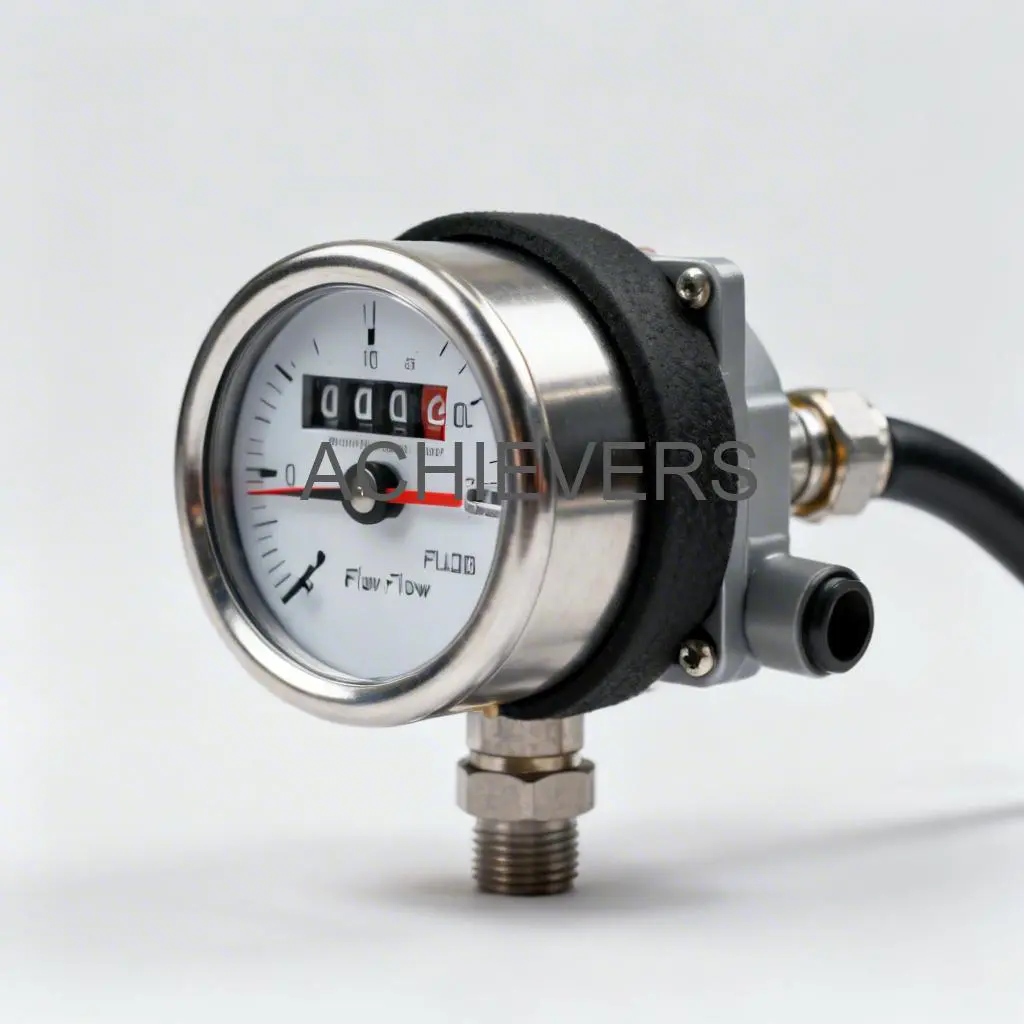
At its core, a Fuel Flow Meter is a precision instrument designed to measure the volumetric quantity of liquid fuel moving through a pipe. Unlike water meters, these devices are engineered to handle the specific chemical properties, lubricity, and viscosity of hydrocarbons like high-speed diesel (HSD), petrol, kerosene, and biodiesel blends.
Based on standard industrial configurations, these meters generally fall into positive displacement (such as oval gear) or turbine categories, designed to deliver high accuracy even in varying flow conditions.
Key Technical Capabilities:
- Volumetric Precision: These meters typically offer high accuracy (often ranging from ±0.5% to ±1% depending on the model), ensuring that the volume dispensed matches the volume recorded.
- Material Compatibility: Constructed with robust materials like aluminum, stainless steel, or cast iron to resist corrosion and wear caused by fuel additives or biodiesel.
- Versatile Flow Ranges: Available in various line sizes (e.g., 1 inch to 4 inches) to accommodate everything from low-flow generator consumption to high-speed bulk offloading.
- Pressure Ratings: Engineered to withstand the operating pressures of standard transfer pumps and gravity-feed systems common in Indian industrial setups.
The device serves as the auditor of your fluid handling system, providing the data necessary to detect leaks, theft, or equipment inefficiencies.
2. Strategic Selection Guide for Indian Industrial Applications
Selecting the right Fuel Flow Meter requires more than just matching pipe sizes. To ensure longevity and data integrity, buyers must evaluate the meter against specific operational parameters.
Assessing Fuel Type and Viscosity
The behavior of the fluid dictates the measuring principle.
- Diesel (HSD): Diesel has a moderate viscosity that changes with temperature. Positive displacement meters (like oval gear types) are often preferred here because they are less affected by viscosity changes and flow profile disturbances compared to turbine meters.
- Petrol: Being lower viscosity and highly flammable, petrol requires meters with specific seal compatibility and often explosion-proof certification if used in hazardous zones.
- Biodiesel: As India moves toward higher biodiesel blends, viscosity increases. A meter calibrated strictly for thin fuels may under-read or suffer pressure drops with thicker biodiesel.
Defining the Flow Range
One of the most common errors is oversizing the meter. A fuel flow meter for bulk diesel transfer accuracy works best within a specific "sweet spot" of its flow curve.
- Low Flow (Consumption Monitoring): If monitoring a DG set that consumes 20 liters per hour, using a 2-inch meter designed for 300 liters per minute will result in zero or inaccurate readings because the fluid may slip past the gears without registering.
- High Flow (Depot Transfer): For unloading tankers, you need a meter capable of handling high throughput without creating a bottleneck (high pressure drop).
Output Requirements: Mechanical vs. Smart Data
How do you intend to use the data?
- Mechanical Output: Ideal for remote sites or mobile tankers where power supply is unreliable. These feature a resettable counter and a non-resettable totalizer. They are rugged and simple to maintain.
- Pulse & 4-20 mA Output: For modern industrial fuel flow meter for fleet and depot transfer applications, automation is key. A fuel flow meter with pulse output and 4-20 mA integration allows the device to talk to PLCs, fuel management systems, or remote dashboards. This enables real-time monitoring of consumption trends and immediate alerts for abnormal usage.
Critical Checks for Indian Site Conditions
Operating in India presents unique challenges that must be factored into your selection:
- Temperature Swings: Ambient temperatures can range from 5°C to 45°C. Since fuel expands with heat, understanding whether your application requires temperature-compensated readings is vital for custody transfer.
- Dirty Fuel: Diesel stored in site tanks often contains rust, sludge, or dust. A precision meter with tight tolerances can jam if the fuel isn't filtered. Always inspect the strainer requirements of the meter.
- Maintenance Access: In remote project sites, expert technicians are scarce. Selecting a meter with a simple mechanism and locally available spares reduces downtime significantly.
3. Configuration and Sizing Checklist
To configure the correct solution, engineering teams and procurement managers should follow a systematic approach. This ensures the selected Fuel Flow Meter meets the hydraulic and data needs of the facility.
Primary Selection Criteria:
- Line Size vs. Flow Rate: Do not select based on pipe size alone. A 2-inch pipe might only carry 50 LPM. Select the meter size where your nominal flow rate falls in the middle of the meter’s range (e.g., if you pump at 100 LPM, choose a meter rated for 20-150 LPM).
- Pressure Head: Ensure the pump has enough head to push fuel through the meter, especially if adding fine filters upstream.
- Display Orientation: Can the dial or digital display be rotated? This is crucial for vertical pipe installations.
Communicating with Suppliers:
When sending an enquiry to fuel flow meter suppliers in India, provide the following details to get an accurate quote:
- Fluid Name: (e.g., Diesel, LDO, Biodiesel B20).
- Min/Max Flow Rate: (e.g., 20 LPM to 120 LPM).
- Operating Temperature & Pressure: (e.g., Ambient, 3 Bar).
- Required Accuracy: (e.g., ±0.5% for custody transfer or ±1% for internal monitoring).
- Output Signal: (None/Mechanical, Pulse, or 4-20 mA).
- Process Connection: (Flanged, Threaded BSP/NPT).
4. Typical Industrial Applications
The versatility of the Fuel Flow Meter makes it a staple across various sectors in the Indian economy.
- Fleet Fueling Stations: Transport companies use these meters on dispensing pumps to track exactly how much fuel goes into each truck or bus, preventing pilferage at the pump.
- Depot and Terminal Transfer: For bulk loading and unloading from tankers to storage silos, high-capacity meters ensure that the Bill of Lading matches the actual receipt.
- Generator (DG) Consumption: In manufacturing plants and commercial complexes, meters installed on the fuel return and supply lines (differential measurement) or single supply lines monitor generator efficiency and detect engine anomalies.
- Construction & Mining: Mobile bowsers refuelling excavators and dumpers onsite rely on mechanical flow meters to log fuel distribution against specific assets.
- Batching Systems: Chemical and process industries use meters with pulse outputs to automate batching processes, stopping the pump exactly when the desired volume is reached.
5. Service, Installation, and Support
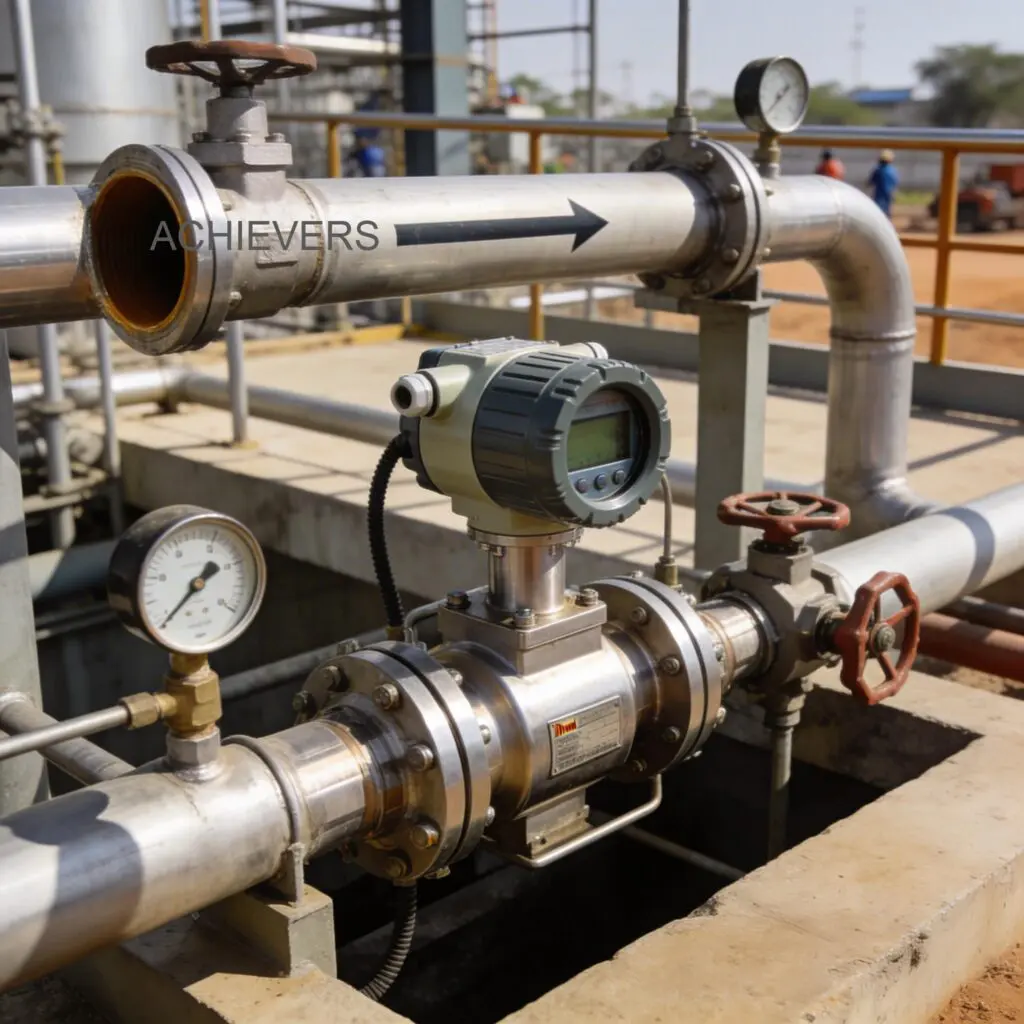
Even the most robust Fuel Flow Meter requires correct installation to perform accurately. A poor installation is the leading cause of measurement error.
Best Practices for Installation:
- Filtration is Mandatory: Always install a mesh strainer or filter upstream of the meter. A single piece of welding slag or debris can jam the rotors of a positive displacement meter.
- Air Elimination: Air pockets spinning the meter will register as fuel, leading to "air metering" and inflated costs. Air eliminators should be used in bulk transfer applications.
- Straight Runs: While positive displacement meters are forgiving, turbine meters generally require 10 diameters of straight pipe before the meter and 5 after to condition the flow.
The Importance of Local Support:
Industrial equipment requires calibration validation. Over time, mechanical wear can cause slight drift. Partnering with suppliers who offer calibration services and stock genuine spares ensures your metering remains legally and operationally compliant. Regular Annual Maintenance Contracts (AMC) can prevent sudden failures during critical operation periods.
Reliability in fuel measurement translates directly to profitability. By choosing a meter that matches your specific fluid properties and site conditions, you turn fuel management from a headache into a precise science.
