
















For industrial operations across India, diesel fuel represents a massive daily operational expense. Whether powering heavy machinery in remote mining sites, maintaining extensive logistics fleets, or running high-capacity backup generator (DG) sets during grid outages, ensuring every drop of fuel is accounted for is a critical business imperative. Inaccurate measurement and undetected pilferage quickly erode profit margins, leading to hidden losses that compound over time. To combat these invisible leaks, procurement teams, plant managers, and facility engineers need highly accurate fluid dispensing and monitoring systems. Investing in a robust, precisely calibrated Diesel Flow Meter is the foundational step toward tightening overall fuel management. It ensures operational uptime, enforces accountability, and achieves absolute transparency in fluid handling under some of the most challenging and harsh site conditions found in the subcontinent.
What this product does
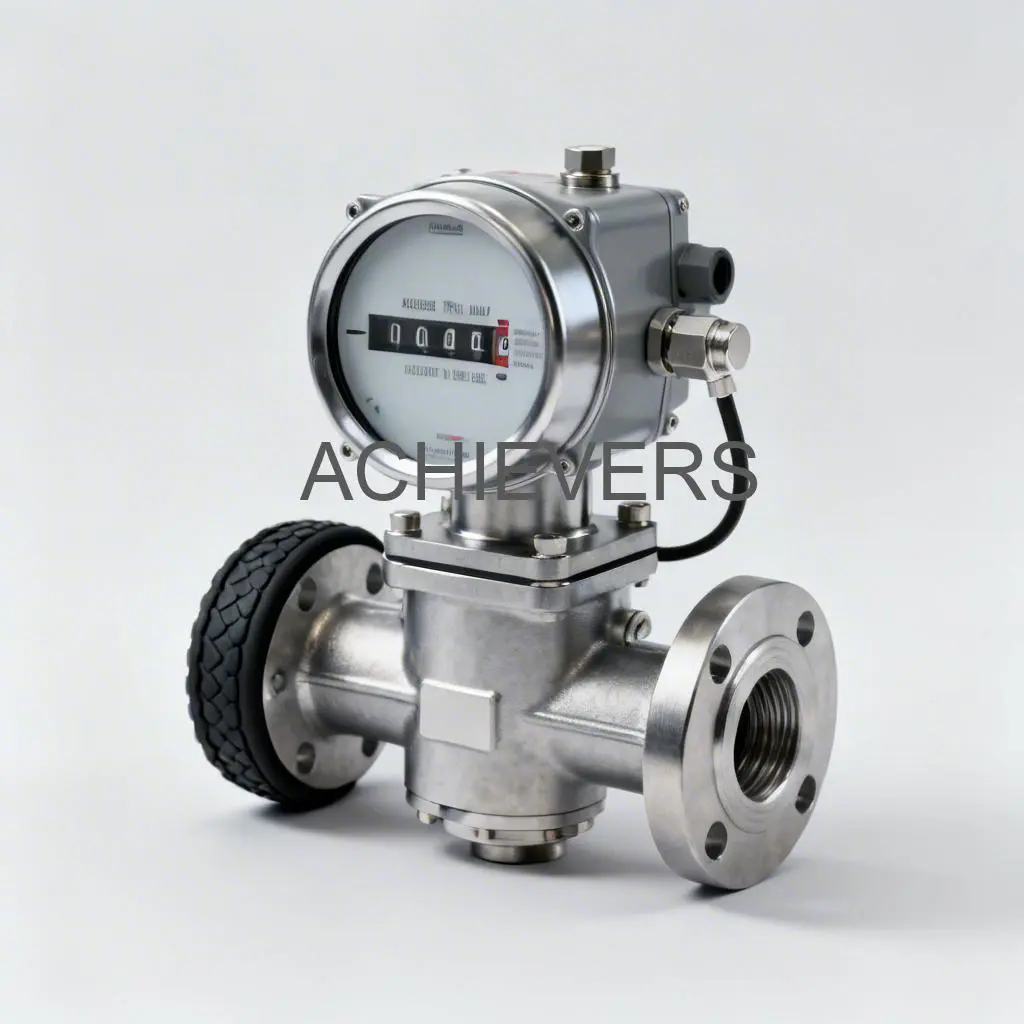
An industrial Diesel Flow Meter is a highly specialized instrument engineered to accurately measure, monitor, and record the exact volume of diesel fuel passing through a pipeline or dispensing system. Built specifically for demanding industrial environments, these meters utilize precision internal mechanisms—most commonly positive displacement (PD), oval gear, or helical rotor technologies—to deliver highly accurate volumetric readings. This ensures precision regardless of minor fluctuations in flow rate, fluid viscosity, or line pressure.
Key features and specifications typically revolve around rugged durability and exacting accuracy. These meters are constructed with heavy-duty metallic housings, such as cast aluminum, stainless steel, or cast iron, to withstand high operational pressures and harsh external environments without structural degradation. They offer remarkably wide flow ranges, accommodating everything from slow, low-flow boiler feeds and localized day-tank transfers to high-speed truck loading operations where flow rates can exceed hundreds of liters per minute. Accuracy is paramount in industrial fluid handling, with standard models boasting impressive accuracies of ±0.5% or better, while specialized models offer even tighter tolerances for critical batching.
Depending on the specific operational requirements, a Diesel Flow Meter can be equipped with various display and output configurations. For remote sites lacking reliable electrical grids, traditional mechanical registers with resettable and cumulative totalizers provide fail-safe manual tracking. Conversely, highly automated plants utilize advanced digital electronic displays. Power options range from intrinsic battery-operated local LCD displays to fully hardwired AC/DC systems designed to integrate directly with sophisticated plant networks. Furthermore, these units are frequently paired with critical line accessories—including high-capacity air eliminators, fine-mesh strainers, and non-return valves—to maintain the utmost metering integrity over decades of continuous use.
Selecting the Right Meter for Theft Control and Accurate Reconciliation
When the ultimate goal is to eliminate pilferage, enforce accountability, and secure your bottom line, simply installing any generic, off-the-shelf meter is insufficient. You need a dedicated diesel flow meter for fuel theft control that is specifically engineered to withstand tampering while capturing precise, incorruptible data. The first and most critical checkpoint is matching the internal metering mechanism to the realities of your site conditions.
Positive Displacement (PD) meters are universally recognized for handling clean fuels and maintain exceptionally high accuracy across highly variable flow rates, making them the gold standard for commercial dispensing. However, if the operational site experiences heavy mechanical vibration, pulsation from certain pump types, or slight viscosity changes due to extreme ambient temperature fluctuations, helical rotor variants often provide superior long-term durability and more consistent volumetric measurement.
Another critical factor in loss prevention is handling air entrainment. Introducing air into the fluid line is a common method where fuel volume is artificially inflated during transfer, causing the meter to register higher volumes than the actual liquid delivered. By pairing your Diesel Flow Meter with an integrated air eliminator, you ensure the system only measures liquid fuel, effectively closing a major loophole in fuel accounting.
Furthermore, choosing a diesel flow meter for fuel reconciliation and accountability requires evaluating the physical and electronic anti-tamper mechanisms. Mechanical meters should feature tamper-proof physical wire seals on the calibration screws to prevent unauthorized adjustments. Digital variants require multi-tiered password-protected parameter settings to prevent operators from resetting cumulative totalizers or altering the K-factor calibration variables.
For advanced, airtight tracking, upgrading to a diesel flow meter with pulse output for GPS and fuel monitoring is a complete game-changer. These intelligent meters send continuous, real-time volumetric data directly to centralized fleet management software, Programmable Logic Controllers (PLCs), or SCADA systems via high-frequency pulse or standardized 4-20 mA outputs. This deep automation allows for instant reconciliation between the exact fuel dispensed from the tank and the fuel actually received by the vehicle or storage vessel, instantly flagging any volume discrepancies, unauthorized usage, or sudden drops in flow.
Industrial Diesel Flow Meter Selection Guide
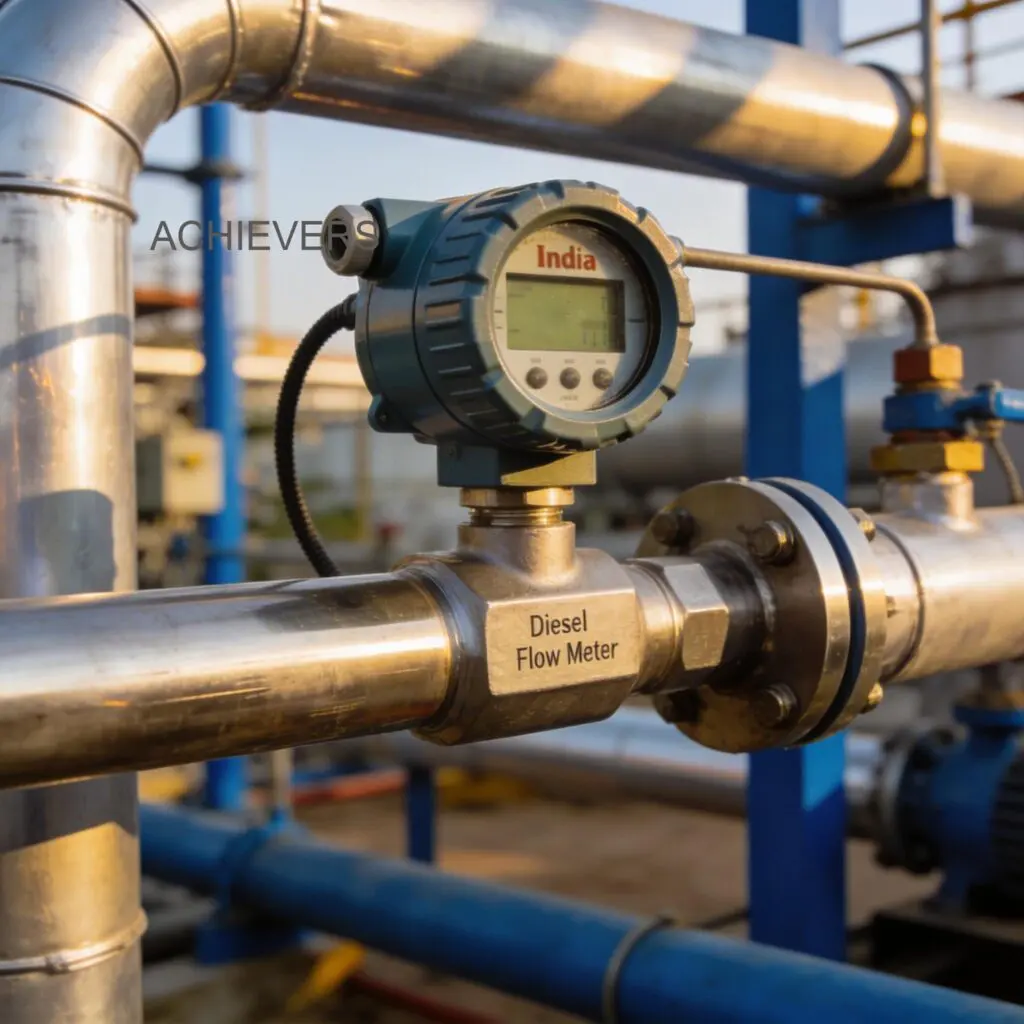
When preparing to deploy a fluid measurement system across your facility, referring to an industrial diesel flow meter selection guide helps streamline the engineering and procurement process. Industrial buyers and procurement officers must carefully evaluate their specific pipeline infrastructure, fluid dynamics, and backend data logging requirements before finalizing a technical specification.
Consider the following mechanical and electrical checkpoints when building your configuration:
- Flow Rate and Pipe Size Compatibility: Ensure the meter's minimum and maximum flow capacity matches your transfer pump's output curve. Undersizing the meter will cause severe pressure drops and potential equipment damage, while oversizing it reduces measurement accuracy at lower flow rates.
- Internal Mechanism Type: Choose between rotary vane, oval gear, or helical rotor designs based on whether your process involves continuous transfer cycles or highly repetitive start-stop batching.
- Signal and Output Requirements: Decide if a local mechanical register is sufficient for your accounting team, or if electronic communication outputs (pulse, 4-20mA, RS485 Modbus) are required for integration into an automated digital dashboard.
- Power and Deployment Constraints: Select from mechanical configurations (requiring zero external power), long-life battery-powered LCD models, or wired power configurations based on the meter's physical location on the site.
- Material Compatibility: Verify that the wetted parts, internal seals, and external housing materials are fully compatible with commercial-grade diesel to prevent long-term degradation and fluid bypass.
To receive a highly accurate quote and precise configuration from diesel flow meter suppliers in India, ensure you communicate the following essential details during your initial technical enquiry:
- The exact fluid type, grade, and the expected operating temperature range at your site.
- The minimum, normal operating, and maximum peak flow rates (measured in LPM or M3/hr).
- The maximum operating pressure and design pressure of the existing pipeline system.
- Preferred mechanical connection type (flanged, threaded, ANSI, DIN) and the installation orientation (vertical or horizontal piping).
- The necessary environmental protection ratings (e.g., IP65, IP68, or ATEX explosion-proof certifications if deployed in hazardous zones).
- Any need for supplementary protective accessories such as upstream strainers, air eliminators, or electronic flow computers.
Typical Applications
The inherent versatility, structural ruggedness, and exceptional accuracy of a Diesel Flow Meter allow it to be seamlessly deployed across a vast spectrum of industrial and commercial settings. One of the most standard high-volume applications includes bulk fuel transfer at depots and terminals, where large quantities of diesel are moved from primary storage tanks to transport road tankers or rail wagons.
In the fast-paced logistics and transportation sector, these meters serve as the critical measuring components inside commercial fleet fueling dispensers. They ensure exact dispensing records for hundreds of trucks and buses daily, making sure that every transit company can optimize its cost-per-kilometer tracking. Manufacturing plants, large corporate IT parks, and heavy commercial facilities rely heavily on these meters for continuously monitoring fuel consumption in large capacity Diesel Generator (DG) sets. Tracking this data is essential for accurately calculating power generation costs during grid failures.
Additionally, these robust flow meters are heavily utilized in the rugged environments of the mining, quarrying, and construction industries. Here, mobile fuel bowsers equipped with compact, vibration-resistant flow meters travel across uneven, unpaved terrain to directly refuel excavators, dump trucks, and heavy earth-moving equipment on-site. In maritime port operations and large-scale agricultural settings, they ensure accurate batching, smooth transfer, and precise inventory control, thereby preventing critical, operations-halting fuel stock-outs during peak seasonal demand periods.
Service, Installation, and Support
Even the most technologically advanced and robust metering equipment requires correct mechanical installation and consistent ongoing maintenance to sustain its high accuracy over years of operation. As one of the premier diesel flow meter manufacturers in Gujarat, we deeply understand that Indian industrial environments present highly unique operational challenges. From heavy particulate dust and intense monsoon moisture to wildly fluctuating power grids, your equipment must be supported properly to survive and perform.
Proper deployment begins with strictly adhering to correct installation practices. This includes verifying the need for upstream and downstream straight-pipe runs (if required by the specific meter's fluid dynamic profile) and the mandatory installation of an inline fine-mesh strainer. The strainer acts as the primary defense, protecting the precision internal measuring rotors from welding slag, pipe scale, and suspended debris.
Every Diesel Flow Meter dispatched from our facility undergoes rigorous, multi-point factory calibration. Each unit is tested, verified, and certified to guarantee baseline volumetric consistency right out of the box. However, long-term precision depends heavily on enduring post-sale support. We pride ourselves on providing comprehensive end-to-end solutions, ranging from professional on-site commissioning guidance to full-coverage Annual Maintenance Contracts (AMC). Having direct, immediate access to genuine factory spare parts locally ensures absolute minimal downtime in the event of wear and tear. Regular on-site calibration checks, transparent technical communication, and dedicated engineering support help plant managers maintain absolute confidence in their fluid measurement and theft-prevention systems year after year.
Protect your operational margins and eliminate costly fuel discrepancies with a precision-engineered measurement solution tailored for your facility. To secure the perfect configuration designed specifically for your challenging site conditions, contact our technical team today. Please share your required flow rates, pipe sizes, specific industrial application details, and backend automation requirements so our experts can engineer and recommend the ideal Diesel Flow Meter for your operations.
