
















For industrial fleet managers and plant engineers in India, the efficiency of fuel management is directly tied to operational profitability. Diesel is often one of the largest operating expenses for logistics companies, construction sites, and manufacturing units running heavy machinery or DG sets. However, simply purchasing a high-quality pump is not enough. The physical layout, safety integration, and fluid handling architecture determine whether your system performs reliably or becomes a source of daily headaches.
A poorly planned installation can lead to slow fueling times, frequent pump cavitation, premature meter failure, and safety hazards like static discharge or ground contamination. Whether you are setting up a private consumer pump (PCP) for a transport fleet or a mobile refueling bowser for a mining site, the infrastructure supporting the Diesel Dispenser is just as critical as the machine itself.
This article details the engineering best practices for planning a dispenser layout, specifically tailored for Indian industrial conditions where dust, heat, and grid fluctuations are common challenges.
1. What is the Diesel Dispenser?
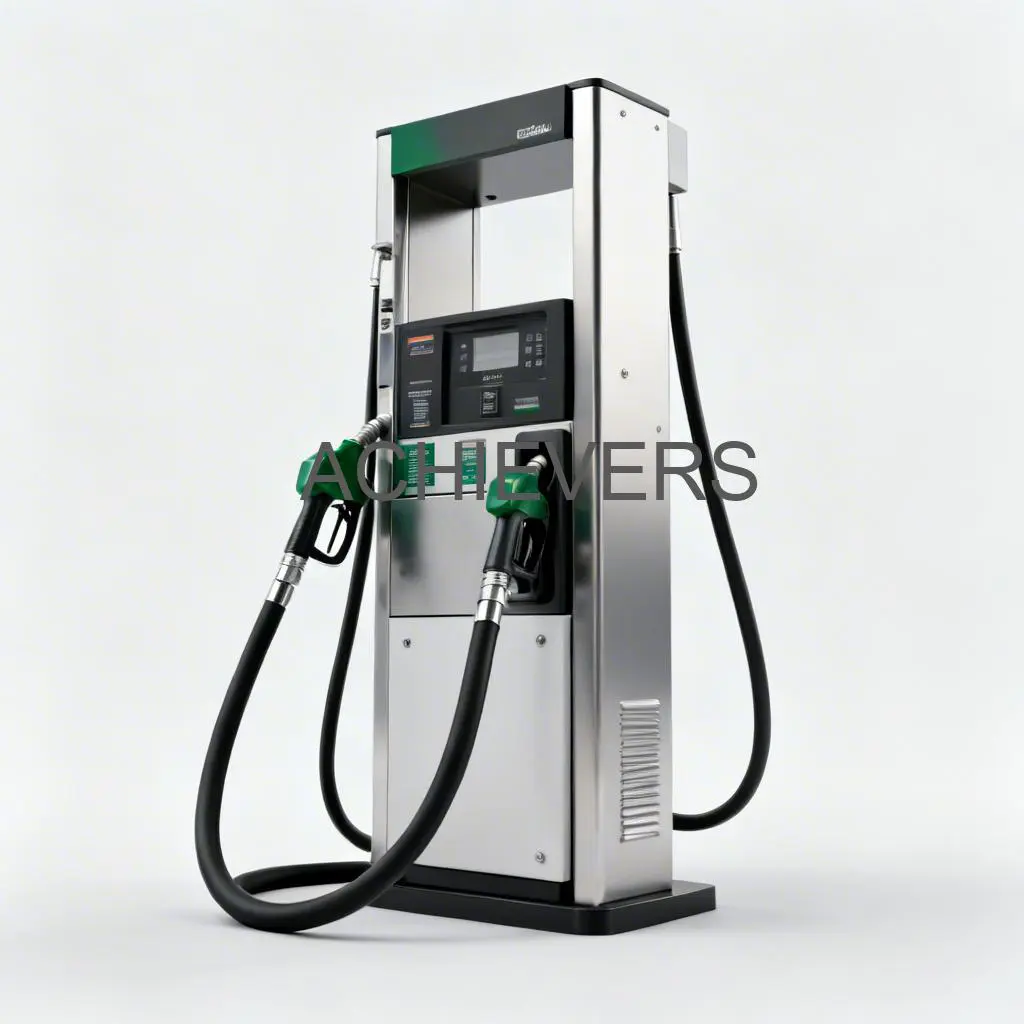
Before diving into the layout, it is essential to understand the core capabilities of the equipment. A Diesel Dispenser by Chintan Engineers is an integrated fluid handling system designed to transfer, measure, and control diesel fuel with high precision. Unlike simple transfer pumps, a dedicated dispenser combines suction or submersible pumping technology with accurate flow metering and robust dispensing hardware.
These units are engineered to withstand the rigors of industrial environments. They typically feature heavy-duty casings to protect internal components from harsh weather and impact. The core function is to deliver fuel from a storage tank (underground or above-ground) to a vehicle or equipment tank while providing an accurate readout of the volume dispensed.
Key technical characteristics generally include:
- High-Accuracy Flow Metering: Essential for inventory reconciliation and preventing pilferage.
- Robust Pumping Unit: Designed to handle specific head and suction lift requirements suitable for diesel viscosity.
- Filtration Integration: Built-in strainers or external filter adaptability to protect the meter and vehicle engines.
- User-Friendly Display: Mechanical or digital counters that provide clear visibility of liters dispensed.
- Durable Construction: Materials selected to resist corrosion and wear, ensuring long-term value as highlighted in our company’s commitment to quality workmanship.
2. Planning the Installation Layout: A Guide for Indian Sites
Designing a safe, efficient diesel dispenser installation layout guide requires balancing hydraulic efficiency with site safety. This section breaks down the critical factors—hose length, earthing, filtration, and spill control—that must be defined before the concrete is poured or the skid is welded.
Optimizing Hose Length and Flow Rate
One of the most common mistakes in fleet yard design is underestimating the impact of hose length on flow rate. Operators often request extra-long hoses (10 meters or more) to reach vehicles parked awkwardly. However, excessive hose length increases friction head loss.
If the diesel dispenser pump is rated for 60 LPM (Liters Per Minute), adding a restrictive, overly long hose can drop the actual output to 40 LPM or less. This increases fueling time and puts extra strain on the pump motor, potentially leading to overheating.
- Recommendation: Keep dispensing hoses as short as practically possible (typically 3 to 5 meters). If a long reach is required, increase the hose diameter (e.g., move from ¾” to 1”) to reduce friction loss, or utilize a hose reel system that prevents kinks.
Earthing and Bonding Requirements
Static electricity is a silent hazard in fuel handling, especially in dry, dusty environments common in parts of India like Gujarat or Rajasthan. Flowing diesel generates static charge. If the Diesel Dispenser is not correctly earthed, a spark could occur at the nozzle tip, igniting vapors.
Diesel dispenser earthing and bonding requirements are non-negotiable:
- System Earthing: The dispenser chassis, motor, and pump base must be connected to a dedicated earth pit with low resistance (typically < 5 Ohms).
- Bonding: The delivery hose must be electrically conductive (usually with an embedded copper wire) to ensure continuity between the nozzle and the dispenser body.
- Verification: During installation, continuity should be tested with a multimeter to ensure the path to ground is unbroken.
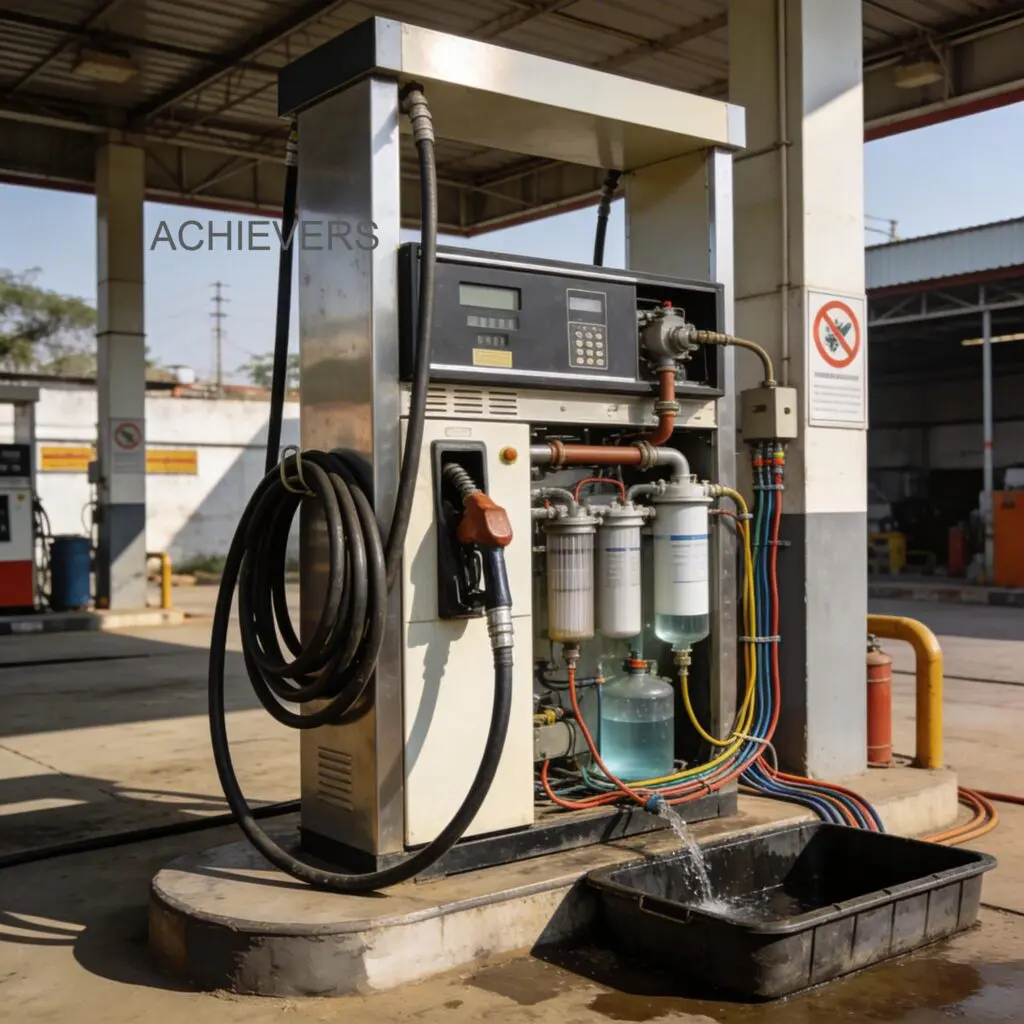
Filtration and Water Separation
Modern BS-VI diesel engines utilize high-pressure common rail (CRDI) injection systems that are extremely intolerant of contaminants. Even microscopic dust or trace amounts of water can destroy injectors.
When selecting a diesel dispenser filter water separator, consider the source of your fuel. If you are receiving bulk deliveries in an area with high humidity or monsoon rains, condensation inside storage tanks is inevitable.
- Pre-Pump Filtration: A strainer (typically 100 mesh) should be installed on the suction side to protect the pump gears/vanes from large debris.
- Post-Pump Filtration: A fine micron filter (10 or 30 microns) with water absorption capabilities should be installed on the discharge side before the nozzle. This ensures that the fuel entering the vehicle is clean and dry.
Spill Containment and Environmental Safety
Leaks and drips are inevitable during disconnection, but they should not contaminate the soil. Regulatory bodies are increasingly strict about soil pollution. A diesel dispenser spill containment and drip tray system should be integrated into the civil foundation.
- Drip Trays: Install a metal or polymer drip tray directly under the nozzle holster to catch the few drops that fall after fueling.
- Concrete Apron: The fueling island should have an impermeable concrete apron sloped towards an oil-water separator trench. This prevents diesel from washing into storm drains during rain.
3. Selection and Configuration Guide
Choosing the right diesel dispenser involves more than just picking a model off the shelf. It requires matching the equipment specs to your specific operational needs. Industrial buyers should evaluate the following parameters to ensure they get a system that lasts.
Flow Rate Capacity
- Standard Flow (40–50 LPM): Ideal for cars, light commercial vehicles (LCVs), and small generators. This offers better control for smaller tanks to prevent splash-back.
- High Flow (70–90 LPM): Necessary for heavy trucks, buses, and earthmovers. High flow reduces downtime significantly when filling 300+ liter tanks.
- Ultra-High Flow (120+ LPM): Used primarily in mining and locomotive applications. Note that special large-bore nozzles are required for these rates.
Power Supply Options
Reliability of power is a major factor in India.
- AC Versions (230V Single Phase / 415V Three Phase): Standard for fixed installations in factories or depots. Three-phase motors generally offer higher torque and longevity for continuous duty cycles.
- DC Versions (12V / 24V): Essential for mobile browser trucks. These allow the dispenser to run off the vehicle battery, making them perfect for refueling excavators at remote construction sites where grid power is unavailable.
Metering Technology
- Mechanical Flow Meters: Rugged, easy to repair, and require no power to read. They are excellent for harsh environments where simplicity is preferred.
- Digital Flow Meters: Offer higher precision and often come with features like resettable totals and backlit displays. They are preferred where strict inventory accounting is required.
4. Typical Industrial Applications
The versatility of the diesel dispenser makes it a staple across various sectors in the Indian economy. Chintan Engineers typically sees these units deployed in the following critical roles:
- Fleet Depots and Transport Yards:
Private consumer pumps allow logistics companies to buy fuel in bulk, saving cost per liter and reducing time wasted at retail petrol pumps. An industrial diesel dispenser for fleet depot India must be rugged enough to handle 24/7 operations.
- Construction and Infrastructure Projects:
Earthmoving equipment like excavators, loaders, and pavers consume massive amounts of fuel. Mobile dispensers mounted on service trucks ensure these machines are refueled on-site, maximizing uptime.
- Manufacturing Plants and DG Sets:
Industries rely on Diesel Generator (DG) sets for backup power. A fixed dispenser setup ensures safe transfer from day tanks to the generator, eliminating the dangerous practice of manual bucket filling.
- Mining and Quarrying:
The harshest environment for any equipment. Dispensers here must deal with abrasive dust and vibration. High-flow systems are standard to minimize the downtime of massive haul trucks.
5. Service, Installation, and Support
Even the best-engineered diesel dispenser manufacturers in India cannot guarantee performance if the installation and maintenance are neglected. At Chintan Engineers, we emphasize that the product lifecycle extends far beyond the sale.
Installation Best Practices
- Suction Line Design: Keep suction lines as short and straight as possible. Ensure all joints are air-tight; even a pinhole air leak can prevent the pump from priming or cause erratic meter readings.
- Check Valves: Install a high-quality non-return valve (foot valve) at the bottom of the suction line to maintain prime, especially for underground tanks.
- Vibration Isolation: pumps should be securely bolted to a level concrete pad or skid to prevent vibration from loosening pipe fittings over time.
Calibration and Accuracy
Over time, mechanical wear or changes in fuel viscosity can cause slight drift in meter accuracy. Regular calibration is essential.
- Volumetric Testing: Use a certified 10-liter or 20-liter proving can to verify the dispenser output.
- Adjustment: Most dispensers feature an adjustment screw or digital calibration factor that allows technicians to fine-tune the accuracy to within ±0.5% or better.
Annual Maintenance Contracts (AMC)
For critical infrastructure, rely on enduring support. Routine checks of strainers, belt tension (if applicable), and seal integrity prevent sudden breakdowns. An AMC ensures that your fuel management system remains accurate and reliable year after year.
Summary
Planning a diesel dispenser layout involves understanding the interplay between flow dynamics, safety regulations, and environmental protection. By selecting the correct hose length, ensuring proper earthing, integrating effective water separators, and planning for spill containment, you protect both your machinery and your bottom line.
Whether you are upgrading an existing yard or building a new facility, technical precision in the planning stage prevents costly rework later.
Ready to configure your site?
To get a system tailored to your specific flow rate and site conditions, contact the technical team at Chintan Engineers. Be prepared to share your required flow rate (LPM), power source preference (AC/DC), and application details for the most accurate recommendation.
