
















Handling corrosive fluids is one of the most persistent challenges in Indian manufacturing and processing sectors. From steel pickling lines to Effluent Treatment Plants (ETP), the failure of a single pump due to chemical attack can halt operations, leading to costly downtime and safety hazards. For plant engineers and maintenance heads, the priority is clear: implementing fluid handling systems that combine high chemical resistance with operational efficiency.
This is where PP Pumps prove their value. Designed specifically to withstand aggressive acids, alkalis, and solvents, Polypropylene (PP) pumps offer a robust solution for industries requiring durability without the excessive cost of exotic alloys. By selecting the right pump configuration and adhering to proper maintenance protocols, facilities can ensure continuous uptime and safe chemical transfer, even in the harshest industrial environments.
1. What this product does
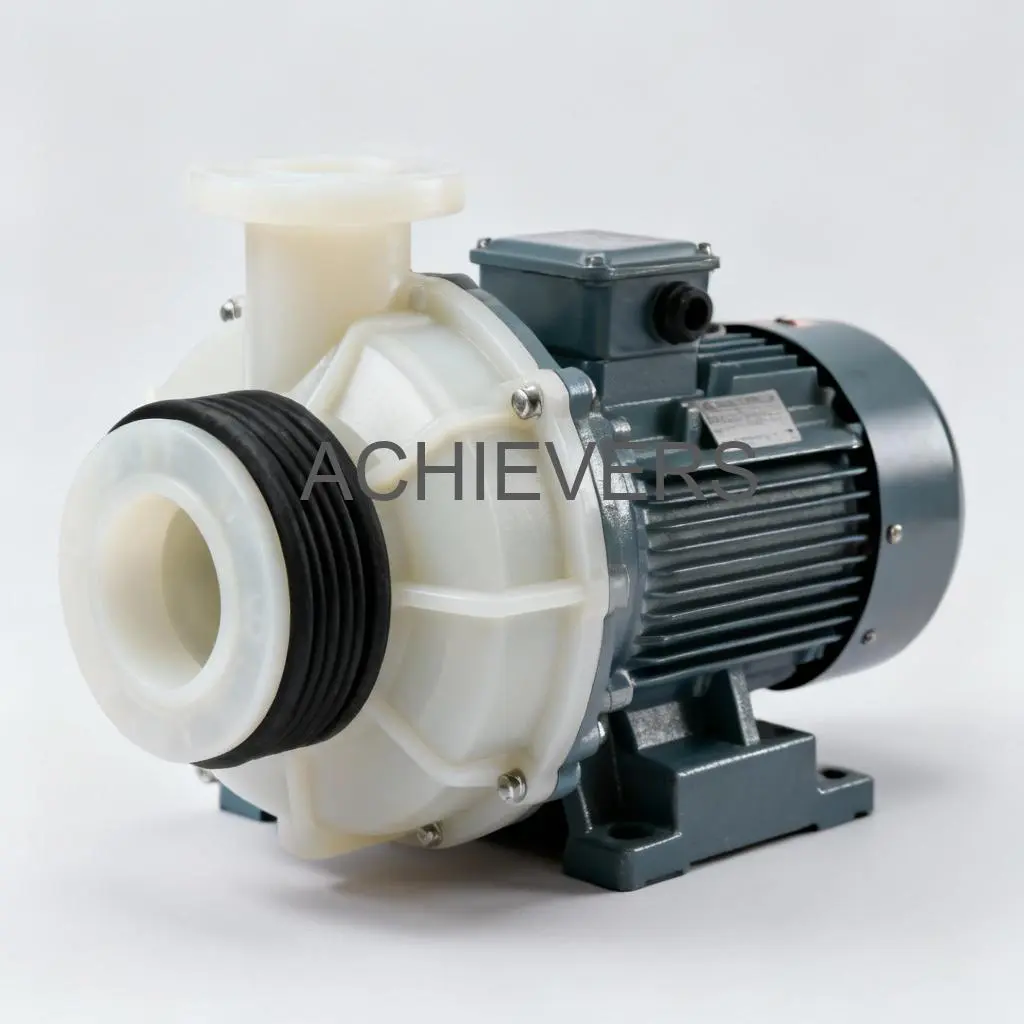
PP Pumps are specialized centrifugal pumps engineered for the safe and efficient transfer of corrosive chemicals and industrial fluids. Unlike standard metallic pumps that degrade rapidly when exposed to acidic or alkaline media, these pumps utilize high-grade molded polypropylene for their wetted parts. This construction provides exceptional resistance to a wide spectrum of aggressive chemicals, making them the standard choice for industrial PP pumps for chemical transfer.
These pumps typically feature a sturdy design that integrates a corrosion-resistant casing with a precision-engineered impeller. The primary function is to move fluids—ranging from clear liquids to effluents containing minor suspended solids—while maintaining structural integrity against chemical attack. As one of the leading PP pump manufacturers in India, Chintan Engineers ensures these units are built for reliability, offering a seamless balance between hydraulic performance and material durability.
Key features generally include:
- Solid Injection Molded Construction: Eliminates lining peeling issues often found in lined pumps.
- Chemical Compatibility: Excellent resistance to Hydrochloric Acid (HCl), Sulfuric Acid (H2SO4), caustic soda, and other industrial solvents.
- Mechanical Reliability: Designed to minimize vibration and withstand continuous duty cycles.
- Leak-Proof Options: Available with advanced sealing arrangements to prevent hazardous leaks.
2. Maximizing Efficiency and Chemical Resistance
Selecting and operating PP Pumps requires more than just matching flow rates; it demands a deep understanding of fluid dynamics and material science. This section serves as a guide for plant engineers and OEM buyers on optimizing pump performance for long-term value.
Impeller Design and Hydraulic Efficiency
The heart of any pump is its impeller. In chemical resistant pumps for Indian industries, the impeller design dictates not only the flow and head but also how well the pump handles fluids with specific gravities or viscosities different from water.
- Semi-Open Impellers: Often preferred in chemical processing because they can handle fluids with small amounts of suspended solids or sludge without clogging. They are easier to clean and maintain.
- Closed Impellers: Best suited for clear, clean chemicals where maximum efficiency and higher discharge pressures are required.
Seal Options for Harsh Environments
Seal failure is the most common cause of pump downtime. Choosing the right sealing mechanism is critical:
- Internal Mechanical Seals: Suitable for clean chemicals. These seals require the fluid to be free of abrasive particles to prevent face damage.
- Gland Packing: A traditional, cost-effective method, though it may allow slight leakage for lubrication.
- Double Mechanical Seals: Essential for highly toxic or volatile fluids where zero leakage is non-negotiable.
Material Selection Strategy
While the pump body is Polypropylene, internal components like the shaft (often sleeved in ceramic or Hastelloy) and O-rings (Viton, EPDM, or PTFE) must be compatible with the specific chemical being pumped. For example, while standard PP is excellent for acids up to roughly 70°C, higher temperature applications might require specialized considerations or alternative fluoropolymers.
3. Selection and Configuration Guide
For a comprehensive corrosion resistant pumps selection guide, engineers must evaluate several parameters beyond the basic duty point. Correct sizing prevents cavitation, overheating, and premature wear.
Key Selection Criteria:
- Chemical Nature: Identify the concentration and temperature of the fluid. A pump handling 30% HCl at ambient temperature has different requirements than one handling hot caustic soda.
- Specific Gravity (SG): Industrial chemicals are often heavier than water. Ensure the motor power is rated for the fluid’s SG to prevent tripping or burnout.
- Head and Flow Requirements: accurately calculate the Total Dynamic Head (TDH), including friction losses in pipework, to select the correct impeller diameter.
Configuration Checklist for Buyers:
- Mounting: Determine if a horizontal back-pull-out design is needed for ease of maintenance.
- Connection Type: Flanged connections (ANSI/DIN standards) are preferred for secure, leak-free installation in industrial piping systems.
- Motor Specifications: Specify the correct voltage (typically 415V, 3-phase for industrial use) and enclosure type (TEFC) for corrosive atmospheres.
4. Typical Applications
PP pumps are versatile workhorses found across a wide range of sectors. Their ability to handle corrosive media makes them indispensable in the following areas:
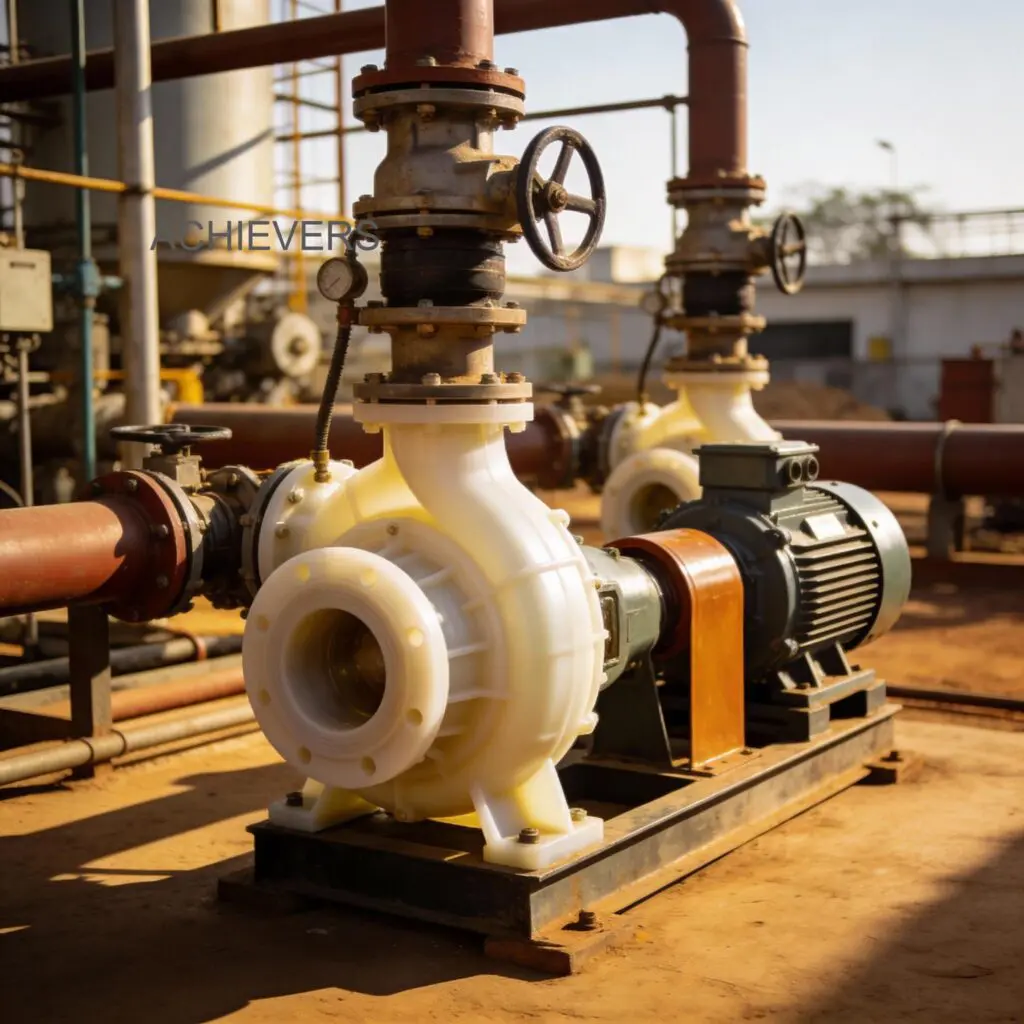
- Effluent Treatment Plants (ETP): Polypropylene pumps for ETP plants are standard for transferring acidic or alkaline wastewater to neutralization tanks. They resist the corrosive nature of untreated effluents effectively.
- Steel and Metal Processing: PP pumps for steel plant applications include pickling line circulation (handling HCl or H2SO4) and scrubber systems where acid fumes are neutralized.
- Chemical Manufacturing: Safe loading and unloading of tankers, reactor feed pumps, and transfer of solvents in batch processes.
- Electroplating and Anodizing: Recirculation of electrolytes and filtration of plating baths where metal contamination must be avoided.
- Pharmaceuticals and Textiles: Handling dyes, bleaches, and intermediate chemicals that would corrode cast iron or stainless steel pumps.
5. Service, Installation, and Support
Even the highest quality pump requires proper installation and maintenance to perform effectively. Chintan Engineers emphasizes a "customer-first" approach, ensuring that every unit is supported by technical expertise.
Installation Best Practices:
- Baseplate Alignment: Ensure the pump and motor are perfectly aligned on a rigid baseplate to prevent vibration and coupling wear.
- Suction Piping: Keep suction lines short and straight to minimize pressure drop and prevent cavitation.
- Dry Run Protection: PP pumps should generally not be run dry. Installing a dry-run protection device is recommended for tank unloading applications.
Maintenance and AMC:
Regular inspection of mechanical seals and impellers extends the asset's life. Utilizing genuine spares and factory calibration services ensures consistency. With nationwide reach, support is available to assist with commissioning and troubleshooting, ensuring your operations remain efficient and compliant.
By choosing robust equipment backed by engineering expertise, industries can achieve safe, leak-free, and efficient chemical handling for years to come.
