
















Managing fuel costs effectively is one of the most critical challenges for fleet operators, construction site managers, and logistics companies across India. In remote project sites or busy transport yards, fuel is often referred to as "liquid gold" due to its high value and susceptibility to theft. For industries relying on diesel bowsers and utility vehicles to refuel heavy machinery, the risk of pilferage is constant. Implementing a robust, technology-driven Mobile Fuel Dispenser setup is no longer a luxury—it is an operational necessity.
Moving away from rudimentary gravity-fed methods or hand pumps toward automated, metered dispensing ensures that every drop of fuel is accounted for. By integrating precise flow measurement with access control, Indian industries can significantly reduce financial losses caused by unauthorized dispensing and manual logging errors.
1. What This Product Does
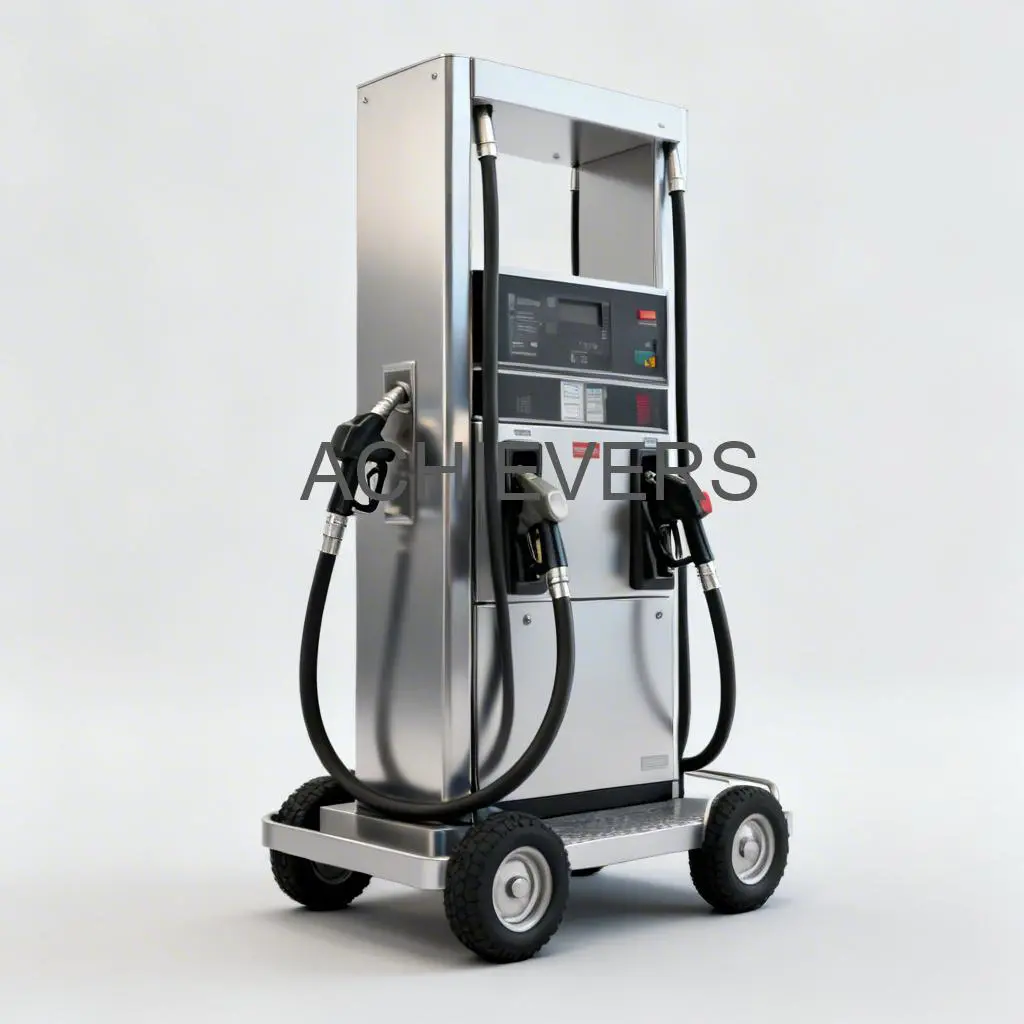
The Mobile Fuel Dispenser is a specialized, compact pumping and metering unit designed to be mounted on diesel bowsers, mobile trolley skids, or service pickup trucks. Unlike stationary pumps found at retail petrol pumps, these units are engineered to operate on vehicle battery power (12V or 24V DC) or standard AC power, making them ideal for mobile refueling applications where grid electricity is unavailable.
At its core, the system integrates a self-priming vane or gear pump, a high-precision flow meter, and a dispensing nozzle into a rugged metal housing. Advanced models feature preset controllers that allow operators to input a specific volume or currency amount before fueling begins. Once the target is reached, the dispenser automatically shuts off, preventing overfilling and spillage.
Key Technical Specifications:
- Flow Rate: Typically available in ranges from 40 LPM to 80 LPM (High Flow) to suit various tank sizes.
- Power Options: 12V DC, 24V DC (vehicle battery driven), or 230V AC.
- Metering Accuracy: Precision positive displacement or oval gear meters offering accuracy within ±0.5% to ±1.0%.
- Display: Digital LCD or LED display showing Volume, Amount, and Unit Price.
- Construction: Heavy-duty steel cabinetry, weather-resistant coating for harsh Indian site conditions.
- Fluids Handled: Diesel, Biodiesel, and Kerosene.
2. Designing a Theft-Resistant Setup for Fleet Refueling
Pilferage often occurs during the "last mile" of fuel delivery—when the diesel is transferred from the mobile bowser to the receiving equipment (excavator, truck, or generator). A standard pump alone cannot prevent theft if it lacks control mechanisms. To secure your operations, you need to design a Mobile Fuel Dispenser system that layers physical security with digital accountability.
Here is how to configure a theft-prevention setup for mobile diesel dispensers in India:
1. Access Control and Digital Security
The most effective way to stop unauthorized usage is to limit who can activate the pump. A mobile fuel dispenser with preset controller and transaction log requires an operator to enter a password or use a secure tag before the pump motor engages. This prevents drivers or unauthorized personnel from dispensing fuel when the site manager is not present.
2. Precise Preset Batching
Manual fueling often leads to "rounding up" errors or deliberate over-dispensing that is siphoned off later. With a preset system, the operator keys in the exact allowance (e.g., 50 Liters). The system dispenses exactly 50 Liters and cuts off. This feature is crucial for theft prevention in mobile fuel dispenser bowser applications, as it removes human discretion from the dispensing process.
3. Mechanical Sealing and Tamper-Proofing
A high-tech controller is useless if the physical lines are compromised. Ensure that the inlet and outlet flanges of the flow meter are mechanically sealed with lead or wire seals. Additionally, all calibration ports on the mobile fuel dispenser should be sealed after a certified calibration. Any broken seal immediately indicates an attempt to tamper with the measurement mechanism.
4. Transaction Logging and Audit Trails
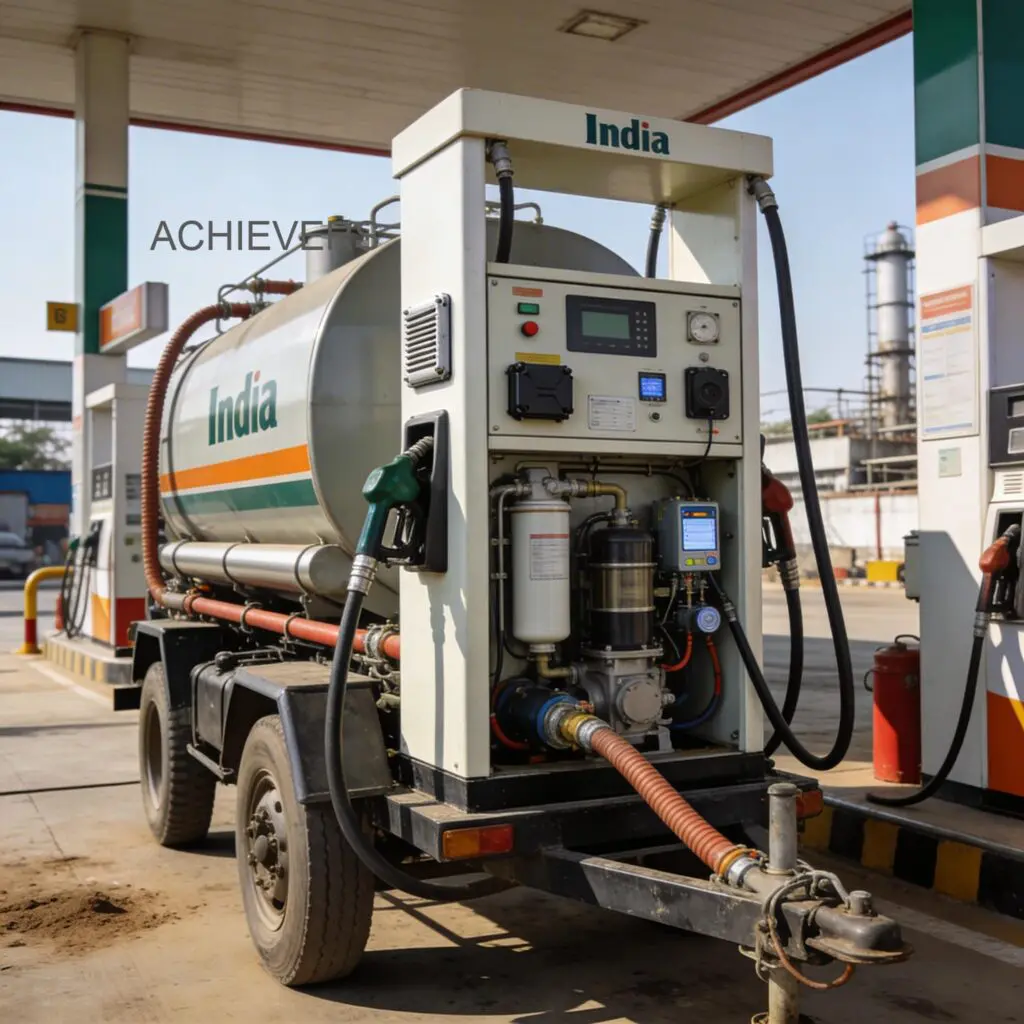
Modern dispensers come equipped with non-volatile memory that records the last 100 to 1,000 transactions. This data includes the date, time, and volume dispensed. For mobile fuel dispenser telemetry and fuel tracking, these logs can often be downloaded via USB or connected to a GPRS modem to transmit data to a cloud dashboard. This allows fleet managers to reconcile the fuel dispensed by the bowser against the fuel claimed by the receiving vehicle.
5. Filtration as a Deterrent
While primarily for engine health, filtration also deters theft. Installing a clear-bowl filter before the meter ensures that air or water isn't being pumped to inflate readings. Thieves sometimes pump air to register volume on the meter without dispensing fuel; a proper air eliminator and filter setup prevents this manipulation.
3. Selection and Configuration Guide
Choosing the right mobile fuel dispenser requires analyzing your specific fleet requirements and site infrastructure. Mobile fuel dispenser manufacturers in India offer various configurations, so buyers must specify their needs clearly to get the most value.
Key Selection Criteria:
- Power Source:
- 12V/24V DC: Essential for bowsers and pickups where the pump runs off the vehicle’s battery.
- 230V AC: Suitable for skid-mounted trolleys that stay parked near a site office or generator shed with grid power.
- Flow Rate Requirements:
- 40-50 LPM: Adequate for small commercial vehicles, cars, and small gensets.
- 70-90 LPM: Recommended for heavy earthmovers (excavators, dumpers) and large trucks to minimize downtime during refueling.
- Automation Level:
- Basic Mechanical: Simple counter, no memory. Good for owner-driven trucks.
- Digital Preset: Keypad entry, auto-shutoff. Essential for hired fleets.
- Smart/Telemetry Ready: Printer output, data logging, and remote communication capability. Best for large corporate fleets.
Buying Checklist:
- Confirm the IP rating (weather protection) of the electronic enclosure.
- Ensure the meter type (Gear vs. Vane) matches your accuracy requirements.
- Request a built-in printer if physical receipts are required for driver sign-offs.
4. Typical Applications
The versatility of these dispensers makes them the standard solution for various industries requiring a mobile diesel dispenser for construction site refueling India.
- Construction and Infrastructure: Refueling excavators, cranes, and backhoes that cannot leave the job site to visit a petrol pump.
- Mining Operations: High-capacity dispensing for dumpers and mining shovels in deep pits where safety and speed are paramount.
- Logistics and Transport Yards: "Wet hose" fueling where a mobile tanker moves down a line of parked trucks at night to top them up for the next day's route.
- Agriculture: Tractor refueling in remote fields during harvest season.
- Power Generation: Filling base tanks of remote diesel generators (DG sets) at telecom towers or industrial plants.
5. Service, Installation, and Support
To maintain fleet mobile fueling best practices, the installation of the dispenser must be technically sound. The unit should be vibration-damped when mounted on a chassis to prevent electronic failure from road shocks.
Maintenance and AMC:
- Calibration: Over time, mechanical wear can cause meter drift. Regular calibration (every 6–12 months) ensures the dispensed volume matches the displayed volume.
- Filter Changes: Clogged strainers reduce flow rate and strain the DC motor. Regular cleaning is mandatory.
- Spares Availability: Ensure your supplier stocks essential spares like keypad membranes, pump vanes, and seal kits locally to minimize downtime.
Investing in a high-quality mobile dispensing system is not just about buying a pump—it is about securing your fuel inventory. Professional installation and periodic maintenance ensure that your anti-theft measures remain effective year after year.
Ready to secure your fuel assets? Contact us to configure a dispensing solution tailored to your fleet size and site conditions.
