
















In the fast-paced landscape of Indian manufacturing, precision is not just a metric—it is the difference between profit and loss. Whether you are blending lubricants, dosing chemical additives, or filling drums with diesel, manual volume measurement is no longer viable. The human margin for error leads to spillage, inconsistent blends, and significant "product giveaway" (overfilling) that bleeds revenue unnoticed. This is where a robustly engineered Liquid Batching System becomes critical.
For plant managers and process engineers, the goal is simple: repeatability. You need a system that delivers exactly 200 liters into a drum or injects exactly 0.5% additive into a pipeline, regardless of temperature fluctuations or operator fatigue. However, achieving this requires more than just buying a flow meter and a valve. It requires a holistic design approach that considers fluid dynamics, control logic, and system integration.
As one of the leading liquid batching system manufacturers in India, we understand that local site conditions—varying from extreme heat to fluctuating power supplies—demand rugged, customized solutions. This guide explores the engineering principles behind designing a reliable batching architecture that ensures uptime, safety, and absolute accuracy.
1. Understanding the Liquid Batching System Architecture
At its core, a Liquid Batching System is an automated control loop designed to dispense a specific volume of fluid. Unlike simple flow measurement, which only tells you how much has passed, a batching system actively manages the flow to stop at a precise preset value.
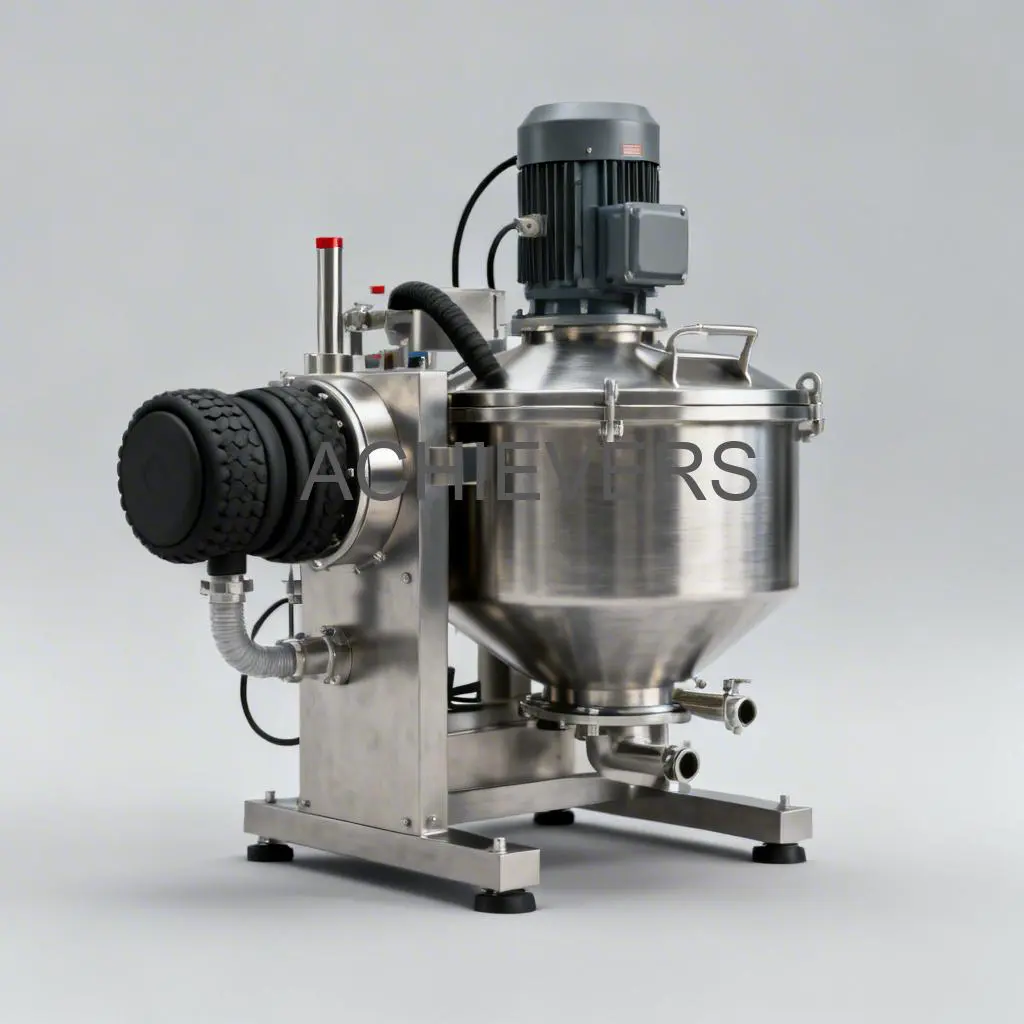
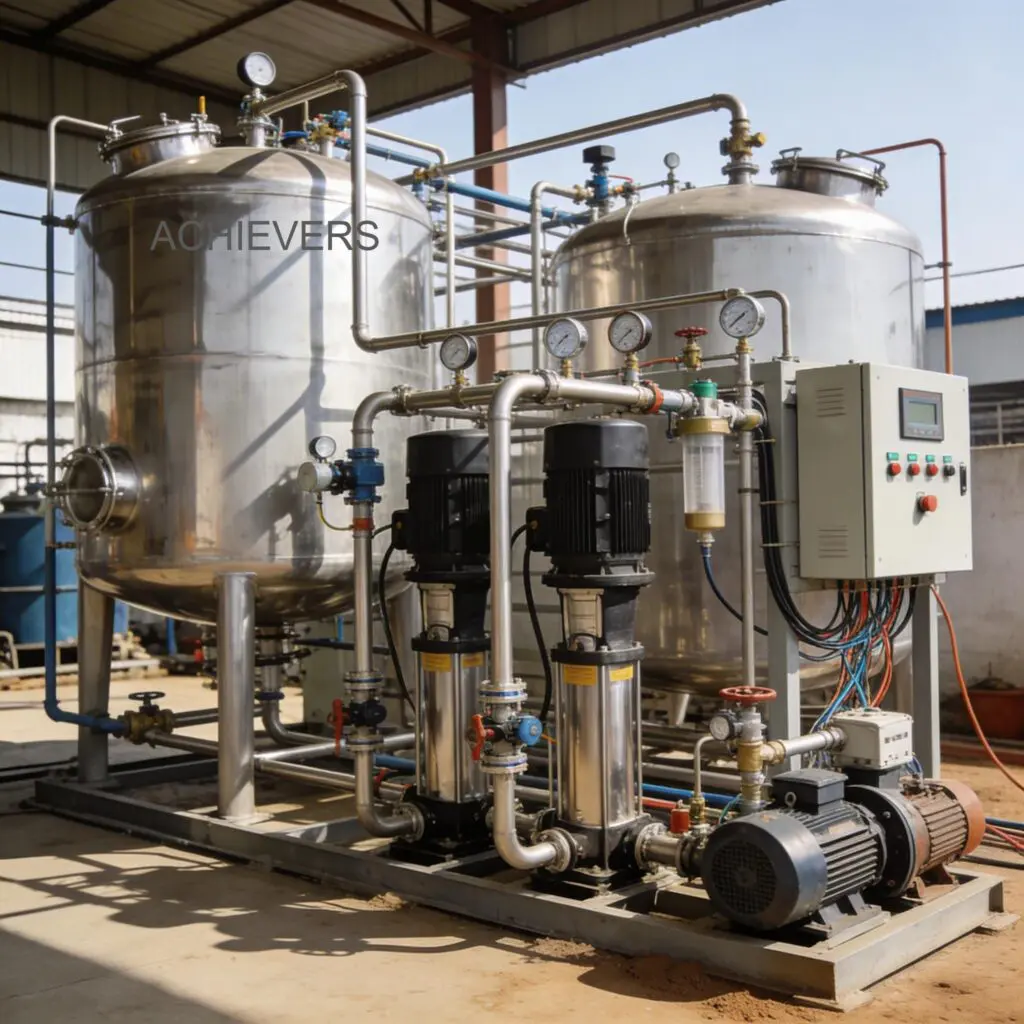
Based on our engineering specifications, a complete batching skid typically integrates four critical subsystems:
- Flow Measurement Device: The "eyes" of the system. Depending on the fluid (diesel, solvent, resin), this could be a Positive Displacement (PD) meter, a Turbine meter, or a Mass Flow meter.
- Batch Controller / PLC: The "brain." It receives pulses from the flow meter, calculates the accumulated volume, and triggers the shut-off signal.
- Control Element (Valves/Pumps): The "muscle." Solenoid valves or pneumatic actuated valves that open to allow flow and close instantly upon reaching the target.
- Fluid Handling Hardware: Pumps, strainers, and air eliminators that ensure the fluid is delivered smoothly to the meter.
Our systems are designed to handle a wide range of viscosities and flow rates, making them adaptable for everything from thin solvents to viscous gear oils. The system allows operators to enter a preset quantity (e.g., 50 kg or 200 liters) via a keypad or HMI. The controller then automates the pump start and valve operations, ensuring the process is hands-free and safe.
2. Engineering for Accuracy: Design Logic and Best Practices
When you look at how to design a liquid batching system for industrial applications, the hardware is only half the battle. The logic governing that hardware determines whether you hit your target within ±0.1% or miss it by a liter.
Fast and Slow Dosing Logic (Two-Stage Shutoff)
One of the most common issues in drum filling liquid batching system with PLC and preset controller setups is "overshoot." If you are pumping diesel at 300 liters per minute (LPM) and the valve tries to slam shut exactly at 200 liters, the hydraulic momentum will force extra liquid through before the valve fully seats. This results in overfilling.
To solve this, we engineer a Two-Stage Dosing Logic:
- Coarse Fill (Fast Flow): The system opens the valve fully (or runs the VFD pump at high speed) to deliver 90-95% of the batch quickly.
- Fine Fill (Slow Flow): As the target approaches (e.g., the last 5-10 liters), the PLC throttles the valve or slows the pump. This reduces the flow rate significantly, allowing the valve to close precisely at the target volume without hydraulic shock or overshoot.
Handling Viscosity and Temperature
In India, ambient temperatures can swing from 5°C to 45°C. For fluids like lube oils or furnace oil, this temperature change drastically alters viscosity and volume. A liquid batching system for additive blending and ratio dosing must account for this.
- Viscosity Compensation: If using turbine meters, viscosity changes can affect the K-factor (pulses per liter). For variable viscosity fluids, we often recommend Positive Displacement (PD) meters or Coriolis Mass Flow meters, which remain accurate despite viscosity shifts.
- Temperature Correction: Liquids expand with heat. A drum filled to 200 liters at 40°C contains less actual mass than one filled at 20°C. Advanced batch controllers can accept temperature inputs (RTD probes) and calculate Volume Corrected to 15°C (standard reference), ensuring you are selling mass, not just expanded volume.
Air Elimination is Non-Negotiable
You cannot batch accurately if you are measuring air. When a tanker is emptying or a pump creates cavitation, air pockets enter the line. If these pass through the flow meter, the meter spins, registering "flow" that is actually just air. This is a primary cause of inventory discrepancies. A properly designed turnkey liquid batching skid for diesel and lube oil must include a high-efficiency Air Eliminator upstream of the meter to separate entrained air before measurement occurs.
PLC and SCADA Integration
Modern manufacturing demands data. A standalone controller is good, but a connected system is better. Our systems often integrate with plant SCADA or DCS via Modbus or TCP/IP. This allows:
- Recipe Management: Store presets for different drum sizes or blend ratios.
- Audit Trails: Log every batch ID, time, volume, and operator name for quality control.
- Interlocks: Prevent the batch from starting if the grounding clamp isn't connected (static safety) or if the downstream tank is full (level sensor integration).
3. Selection and Configuration Guide
Choosing the right configuration for a Liquid Batching System requires a detailed analysis of your process parameters. A mismatch between the meter type and the fluid can lead to premature wear or drift in accuracy.
When specifying your system, consider the following selection criteria:
1. Fluid Characteristics
- Corrosivity: For acidic additives or aggressive chemicals, the wetted parts (meter body, valve internals) must be SS316 or specialized alloys like Hastelloy. For diesel and lube oil, standard Carbon Steel or Aluminum is often sufficient and cost-effective.
- Viscosity:
- Low Viscosity (Water, Diesel, Solvents): Turbine meters are excellent—cost-effective and accurate.
- High Viscosity (Gear Oil, Resins, Molasses): Positive Displacement (Oval Gear) meters are mandatory to prevent "slippage" of fluid past the rotors.
2. Flow Rate and Line Size
Do not size the system based on the pipe size alone; size it based on the flow rate.
- Minimum Flow: Every meter has a minimum flow rate below which it is inaccurate. Ensure your "slow fill" stage does not drop below this limit.
- Maximum Flow: Sizing for the absolute maximum capacity of the meter can cause high pressure drop and wear. We recommend sizing the meter so your normal operating flow is about 60-70% of the meter’s maximum range.
3. Automation Level
- Stand-Alone Controller: Best for simple drum filling stations where the operator manually positions the lance and presses "Start."
- Integrated Batching Skid: Ideal for additive injection or blending lines. Here, the batch controller communicates with the main plant PLC to inject precise ratios of additive into a moving stream of main product.
4. Safety and Area Classification
For flammable liquids like solvents, petrol, or ethanol, the electronic components (batch controller, solenoids, pump motors) must be Flameproof (Ex d) certified suitable for Zone 1 or Zone 2 areas. Non-sparking mechanical components are also required.
4. Typical Applications in Indian Industry
The versatility of the liquid batching system makes it indispensable across various sectors. Based on our engineering experience, here are the most common high-value applications:
- Lube Oil Blending Plants:
Precise dosing of base oils and performance additives. In ratio dosing, the system ensures that for every 1000 liters of base oil, exactly 5 liters of additive are injected. This prevents "giveaway" of expensive additives which can ruin profit margins.
- Drum and IBC Filling:
Automated filling of 200L drums or 1000L IBC totes. The system utilizes the two-stage shutoff logic to ensure every drum is filled to the exact legal metrology limit, avoiding under-fill penalties or over-fill losses.
- Diesel Dispensing for Fleets:
Internal consumption monitoring for mining, construction, and logistics companies. The batching system dispenses fuel to trucks and logs the data against the vehicle ID, preventing pilferage and unauthorized fueling.
- Chemical Reactor Charging:
Instead of manually dumping buckets of chemicals into a reactor (which is unsafe and inaccurate), a batching system pumps precise quantities of solvents or reactants directly into the vessel, improving batch consistency and worker safety.
- Food and Pharma:
Batching potable water, syrups, or edible oils using Sanitary (Tri-clamp) fittings and food-grade materials to meet hygiene standards while ensuring consistent recipe formulation.
5. Service, Installation, and Support
Even the best engineered liquid batching system requires proper installation to function correctly. In our experience, 80% of accuracy issues stem from poor installation, such as insufficient straight run piping before the meter or vibration from unsupported pipes.
Best Practices for Deployment:
- Filtration: Always install a strainer (typically 40-80 mesh depending on viscosity) before the meter. A single piece of welding slag or debris can jam a PD meter rotor.
- Calibration: Over time, mechanical wear can cause meter drift. We recommend a calibration check every 6 to 12 months using a certified master prover or a standard weight measure.
- Power Stability: In many Indian industrial zones, voltage spikes can damage sensitive batch controllers. We recommend using a dedicated UPS or stabilizer for the electronic control stack.
At Chintan Engineers, we don't just ship a crate of parts. We provide end-to-end support, from the initial hydraulic calculation to the final site commissioning. Our systems are pre-calibrated and tested at our facility to ensure that when they arrive at your site, they are ready to perform. We also offer Annual Maintenance Contracts (AMC) to ensure your dosing logic remains sharp and your sensors remain accurate year after year.
Conclusion
Designing a batching system is about more than hardware; it is about control. It is about ensuring that the fluid dynamics of your process match the logic of your controller. Whether you are filling drums for retail or blending additives for a proprietary formula, a custom-engineered solution is the only way to guarantee consistency.
If you are looking to upgrade your manual filling process or install a new automated line, contact us to discuss your specific fluid properties and accuracy targets. Let us help you engineer a solution that stops product giveaway and secures your bottom line.
