
















Managing fuel inventory effectively is one of the most critical challenges for industrial operations, fleet management, and construction projects across India. For logistics companies and infrastructure contractors, diesel is often the second largest operating expense after payroll. Inaccurate dispensing, theft, and equipment downtime caused by poor-quality fueling systems can lead to significant financial losses.
In the harsh environmental conditions typical of Indian worksites—ranging from dusty mining zones to humid coastal refineries—standard fueling equipment often fails to deliver consistent performance. This is where a purpose-built industrial Fuel Dispenser becomes an essential asset. Unlike standard retail pumps seen at gas stations, industrial dispensers are engineered for "captive consumption"—refueling own-fleet vehicles, heavy machinery, and diesel generators (DG sets) within private premises.
Selecting the right dispensing system ensures that every drop of fuel is accounted for, maintenance downtime is minimized, and refueling operations remain safe and efficient. This article explores the technical considerations for selecting the ideal configuration for your specific operational needs.
1. What this product does
Based on the engineering expertise of Chintan Engineers, the Fuel Dispenser is a robust fluid handling solution designed specifically for the rigorous demands of industrial sectors. It is not merely a pump; it is an integrated system that combines pumping, metering, and dispensing capabilities into a single, cohesive unit.
The core function of this product is to transfer fuel—primarily diesel—from a storage tank (underground or above-ground) to a receiving vehicle or equipment with high precision. These units are manufactured to provide reliability, accuracy, and long-term value, ensuring that the dispensed volume matches the recorded data exactly.
Key Technical Features and Capabilities:
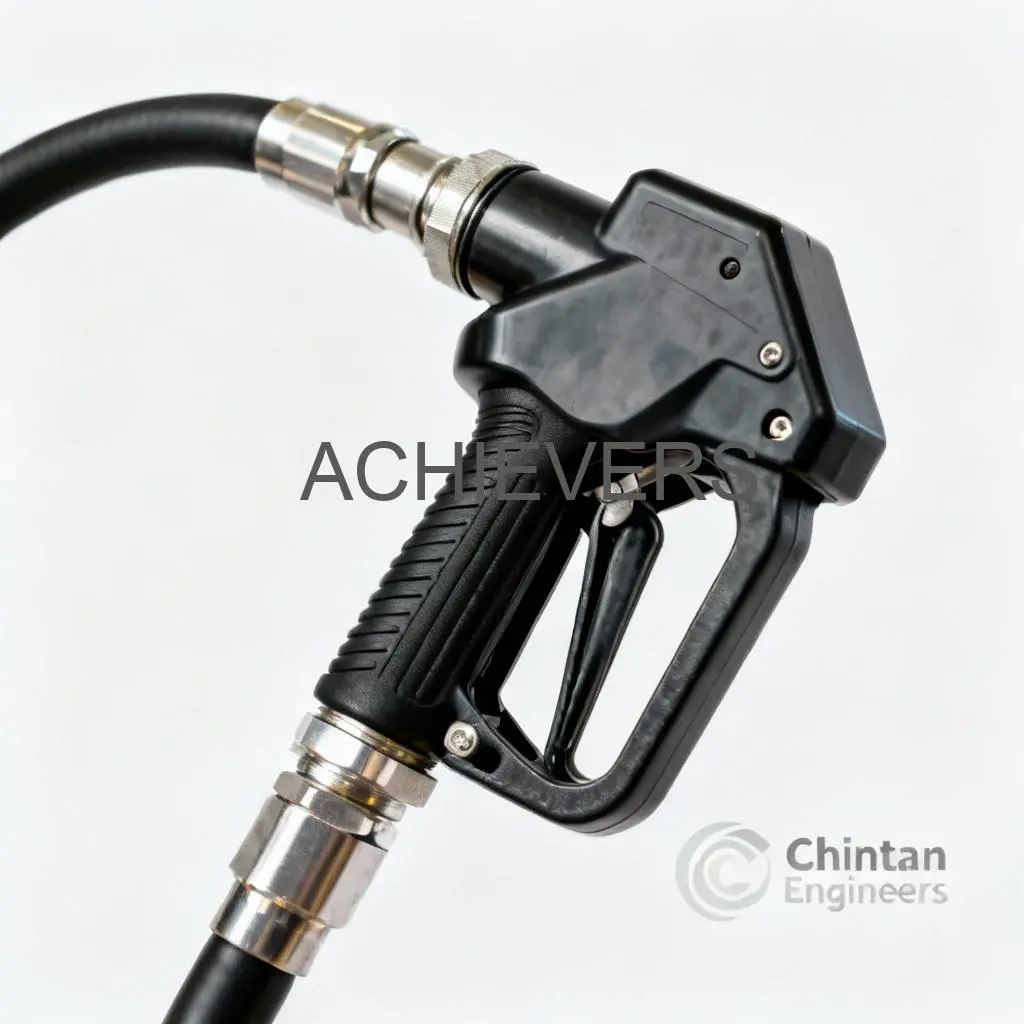
- Integrated System: The unit typically houses the pump, flow meter, and nozzle assembly, functioning as a complete batching or continuous dispensing system.
- Precision Metering: Utilizing high-performance flow meters, these dispensers are calibrated to ensure accurate measurement, which is critical for audit trails and inventory reconciliation.
- Durability: As highlighted in the company's manufacturing philosophy, these units are built with quality workmanship to perform under demanding conditions found in logistics, manufacturing, and energy sectors.
- Versatility: The dispensers are engineered to handle industrial fluid handling requirements, making them suitable for varied applications beyond simple refueling.
- Calibration: Every unit undergoes rigorous testing and accurate calibration verification before leaving the factory to ensure consistency from the first day of operation.
Whether used for a stationary fueling bay or mounted on a mobile skid, this product serves as the checkpoint for your fuel inventory.
2. Choosing the Right Configuration for Fleet and Industrial Needs
When sourcing a Fuel Dispenser for industrial applications in India, there is no "one-size-fits-all" solution. The configuration must be tailored to the specific operational workflow of the site. Industrial buyers, fleet operators, and project engineers must weigh several factors including mobility, power availability, and the volume of fuel being moved daily.
This section guides you through the critical trade-offs between different setups to help you select a system that balances accuracy, efficiency, and site compliance.
Mobile Trolley Kits vs. Heavy-Duty Stationary Units
One of the primary decisions is whether the dispenser needs to travel to the machinery or if the machinery will travel to the dispenser.
Stationary Heavy-Duty Units:
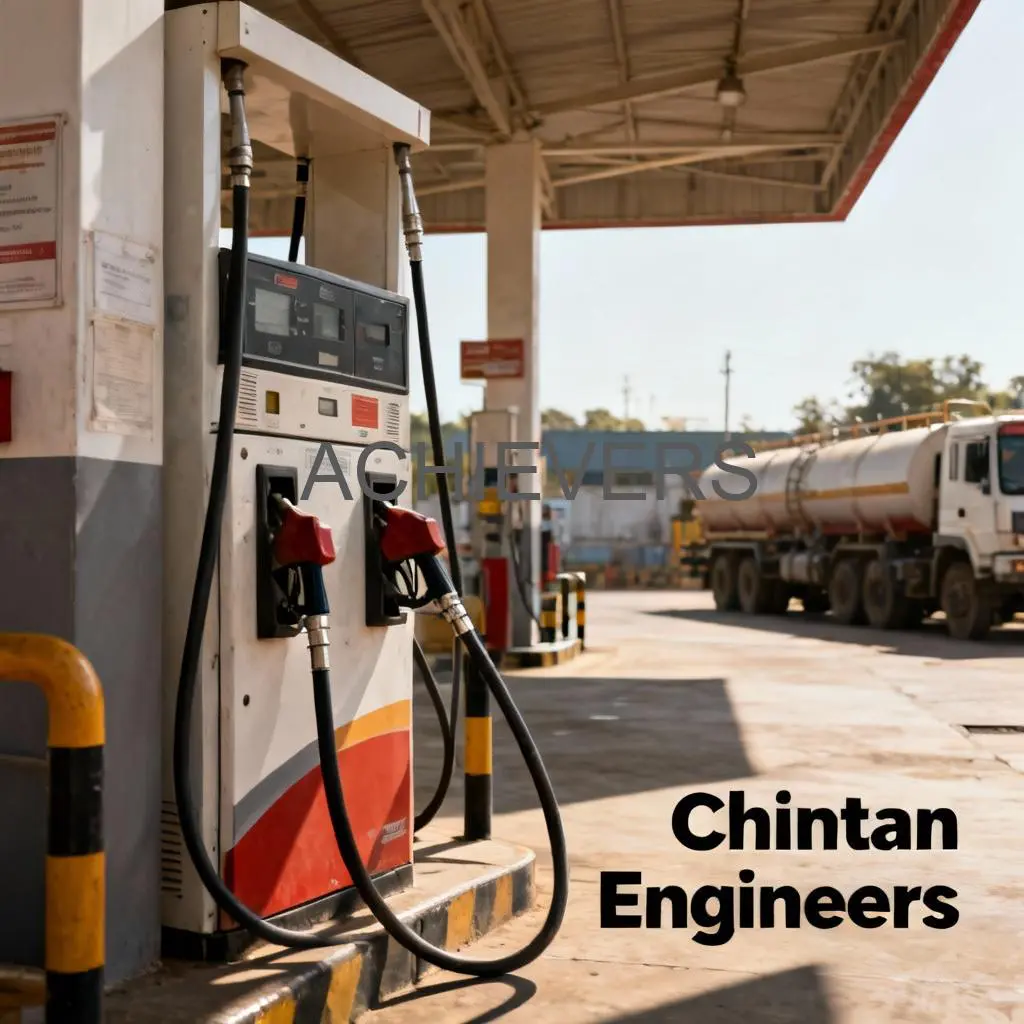
For logistics hubs, transport depots, and manufacturing plants where vehicles return to a central yard, a stationary unit is ideal. These are typically hard-piped to large bulk storage tanks. They offer higher durability for high-frequency use (e.g., refueling 50 trucks in a shift). Because they are fixed, they can be integrated with permanent electrical supplies and advanced fuel management systems more easily.
Mobile and Skid-Mounted Systems:
In contrast, fuel dispensing systems for contractors working on highways, mining sites, or remote infrastructure projects often require mobility. Heavy earthmovers like excavators and bulldozers cannot travel long distances just to refuel. Here, a dispenser mounted on a mobile trolley or a service truck skid is superior. These configurations bring the fuel to the asset, drastically reducing equipment downtime.
Flow Rate Requirements
The speed of dispensing impacts operational efficiency.
- Standard Flow: Suitable for smaller vehicles, light commercial vehicles (LCVs), and filling DG set day tanks.
- High Flow: Essential for fuel dispenser for fleet refueling involving heavy trucks or mining dumpers with large tank capacities (300+ liters). A high-flow configuration reduces the time a vehicle spends idling at the pump, thereby improving the turnaround time of the fleet.
Power Options and Site Conditions
The power source available at the installation site dictates the motor selection.
- AC Power: Common for factories and established depots.
- DC Power (12V/24V): Crucial for mobile dispensers mounted on service vehicles, running directly off the vehicle battery.
- Mechanical vs. Digital Displays: In remote areas with unreliable power or extreme weather, mechanical counters offer robust reliability. However, for precise data logging and integration with fuel management software, digital interfaces are preferred.
By understanding these distinctions, buyers can avoid over-specifying (wasting budget) or under-specifying (causing operational bottlenecks).
3. Selection and Configuration Guide
To ensure you receive a Fuel Dispenser that meets your exact requirements, it is vital to approach the selection process methodically. Industrial fluid handling requires compatibility between the fluid, the pump materials, and the flow meter technology.
When configuring your system or sending an enquiry to manufacturers, consider the following technical parameters:
Step 1: Define the Fluid and Environment
- Fluid Type: confirm it is for diesel or other industrial fluids to ensure seal and gasket compatibility.
- Environment: Is the area hazardous? Does it require flame-proof motors? Is it a dusty outdoor site requiring high IP-rated enclosures?
- Temperature: Indian summers can be extreme; ensure the electronics and display are rated for high ambient temperatures.
Step 2: Operational Parameters
- Flow Rate: Determine the liters per minute (LPM) required. High flow is efficient but requires larger hoses and nozzles.
- Suction Head: If the pump is pulling from an underground tank, ensure the dispenser has adequate suction lift capabilities.
- Duty Cycle: Will the pump run continuously for hours (continuous duty) or intermittently (30-minute cycles)?
Checklist for Communicating with Suppliers:
When contacting fuel dispenser manufacturers in India, provide these details to get an accurate quote:
- Application: (e.g., "Refueling a fleet of 20 trucks" or "Filling backup generators").
- Mounting: Wall-mounted, pedestal/floor-mounted, or mobile trolley.
- Metering Preference: Mechanical analog counter or digital display with totalizer.
- Power Supply: 230V AC, 415V AC (3-phase), or 12V/24V DC.
- Accessories: Length of delivery hose, type of nozzle (automatic shut-off vs. manual).
Selecting the right combination ensures that the system handles the workload without premature wear on internal components like vanes or seals.
4. Typical Applications
The versatility of a high-quality Fuel Dispenser allows it to serve various sectors. Based on the engineering capabilities of Chintan Engineers, these units are trusted in demanding environments where reliability is non-negotiable.
Logistics and Fleet Management
This is the most common application. Transport companies establish private "consumer pumps" in their yards to refuel trucks. This creates an industrial fuel dispenser India use case that focuses on preventing pilferage and monitoring consumption per kilometer.
Construction and Infrastructure
Diesel dispenser for worksites is critical for keeping projects on schedule. Mobile dispensers refuel cranes, pavers, and excavators right on the track or building site, eliminating the need to move heavy machinery to a fuel station.
Manufacturing and Industrial Plants
Factories often use these dispensers for filling forklifts, shunting locos, or transferring fluids between processing tanks. The precision of the flow meter allows for batching applications where specific volumes of fluid need to be added to a process.
Energy and Power Generation
Large facilities, hospitals, and data centers rely on massive diesel generators for backup power. A dedicated dispenser ensures that day tanks are filled safely and accurately from bulk storage, ensuring readiness during power outages.
5. Service, Installation, and Support
Even the most robust hardware requires correct installation and maintenance to retain its accuracy. "End-to-End Solutions" implies that the relationship with the manufacturer does not end at delivery.
Installation Best Practices
For stationary units, proper grounding (earthing) is essential for safety to prevent static buildup. The suction lines must be sized correctly to prevent cavitation, which can damage the pump and skew meter readings. For mobile units, vibration dampening is important to protect the internal components during transit.
The Importance of Calibration and AMC
Over time, mechanical wear or electronic drift can affect the accuracy of any measuring device.
- Accurate Calibration: Regular verification ensures that the meter reading matches the actual volume dispensed. This is crucial for internal auditing.
- Annual Maintenance Contracts (AMC): Engaging in an AMC with the manufacturer ensures that filters are cleaned, vanes are checked, and seals are replaced proactively.
Chintan Engineers emphasizes "Enduring Support" and "Transparent Communication." Utilizing genuine components and factory-trained technical experts for maintenance extends the lifecycle of the equipment significantly. In the Indian market, where spare parts availability can sometimes be an issue with imported brands, choosing a domestic manufacturer with a nationwide reach ensures that support is always accessible.
Call to Action
Stop losing fuel to inefficiency and inaccuracy. Whether you are managing a logistics fleet or running a remote construction site, the right dispensing setup saves money and time.
Don't settle for generic pumps. Contact Chintan Engineers today to configure a Fuel Dispenser tailored to your site conditions.
Tell us your requirements:
- Fluid & Flow Rate: What are you pumping and how fast?
- Power Source: AC or DC?
- Application: Static depot or mobile refueler?
Reach out to our technical experts for a transparent, no-obligation consultation and ensure your operations are powered by engineering precision.
