
















Handling fuel in industrial environments is a critical operation that demands more than just basic pumping equipment. For plant managers, procurement teams, and safety officers in India, the stakes are incredibly high. A single spark in a fuel storage depot or a mining site can lead to catastrophic consequences. Therefore, ensuring uptime, operational efficiency, and, most importantly, safety, hinges on selecting the right equipment. When dealing with volatile substances like diesel or kerosene in hazardous environments, standard dispensing units often fall short of the rigorous safety standards required by Indian regulations.
Finding reliable fuel dispenser manufacturers in India who understand the nuances of hazardous area classification is the first step toward a safe operation. Whether you are managing a fleet of trucks, operating a mining site, or maintaining large-scale diesel generator (DG) sets, the reliability of your dispensing infrastructure directly impacts your bottom line. Investing in a high-quality Fuel Dispenser ensures that your fuel management is precise, your inventory is accounted for, and your personnel are protected against the risks inherent in handling flammable liquids.
1. What This Product Does
At its core, the industrial Fuel Dispenser is a comprehensive solution engineered for the transfer, measurement, and management of liquid fuels. Unlike standard retail pumps seen at gas stations, industrial units are built to withstand the harsh realities of fleet yards, construction sites, and manufacturing plants.
Based on the engineering standards of Chintan Engineers, this product integrates several critical subsystems into a singular, robust enclosure. It typically features a high-performance pumping unit capable of handling various viscosities, a precision flow meter for accurate volumetric measurement, and a filtration system to ensure clean fuel delivery. The unit is designed to operate seamlessly in demanding environments where dust, vibration, and temperature fluctuations are common.
Key technical characteristics often include:
- Precision Metering: Utilizing positive displacement or turbine flow meters to ensure high accuracy in fuel accounting, minimizing inventory losses.
- Robust Construction: Heavy-duty metal casing powder-coated to resist corrosion and harsh weather typical of Indian industrial sites.
- Flexible Power Options: Availability in different voltage configurations (AC mains or DC for mobile applications) to suit site infrastructure.
- Integrated Filtration: Built-in strainers or filters to protect vehicle engines from particulate contamination.
- User-Friendly Interface: Mechanical counters for fail-safe readability or electronic displays for advanced fleet management integration.
These dispensers are not just pumps; they are custody transfer units that provide accountability. By delivering precise quantities, they help industries monitor fuel consumption trends, detect pilferage, and optimize operational costs.
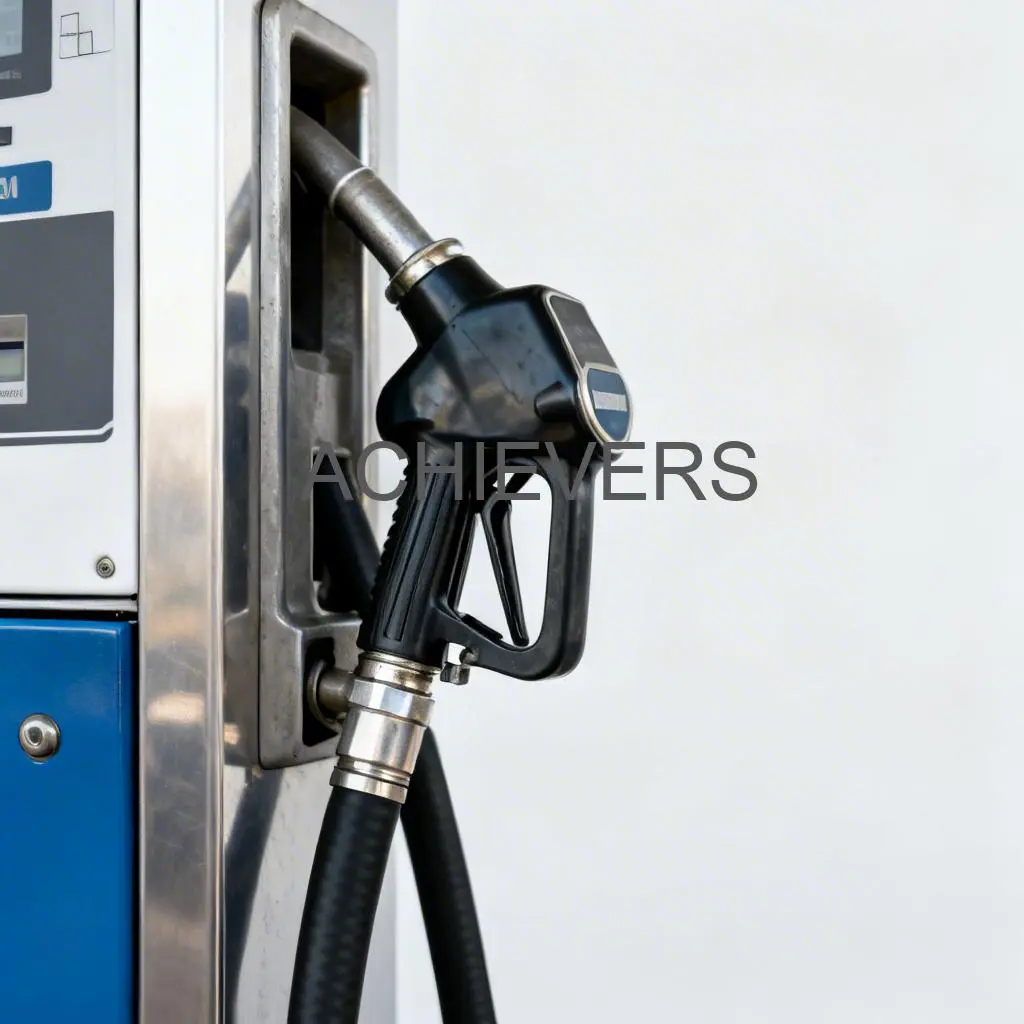
2. Evaluating Flameproof Fuel Dispensers for Hazardous Areas
When installing a Fuel Dispenser in an industrial facility, the most critical question is often related to safety zoning. In India, industrial sites handling petroleum products are classified into zones based on the probability of an explosive atmosphere being present. Selecting a dispenser that does not match the zone classification is a severe safety violation and a financial risk.
Here is how EHS (Environment, Health, and Safety) and purchase teams should evaluate a flameproof fuel dispenser for use in hazardous zones like depots, chemical plants, or refinery loading bays.
Understanding Area Classification (Zone 1 vs. Zone 2)
An explosion proof diesel dispenser for industrial site applications must be specified according to the zone it operates in.
- Zone 1: An area where an explosive gas atmosphere is likely to occur in normal operation.
- Zone 2: An area where an explosive atmosphere is not likely to occur in normal operation and, if it occurs, will only exist for a short time.
For most dedicated fuel storage and dispensing areas, equipment is typically required to meet Zone 1 standards to ensure maximum safety. This means every electrical component within the Fuel Dispenser—from the motor to the switchgear—must be enclosed in flameproof (Ex d) housing that can contain an internal explosion without igniting the external atmosphere.
Electrical and Power Requirements
A standard motor can generate sparks during startup or operation. For a fuel dispenser for hazardous area Zone 1 Zone 2, you must verify that:
- Motors: Are certified flameproof (Ex d) with appropriate temperature class ratings (e.g., T3 or T4) relevant to the fuel's flashpoint.
- Cable Glands: All cable entries into the dispenser must use double-compression flameproof glands to maintain the integrity of the enclosure.
- Switches and Displays: Electronic counters or start/stop buttons must be intrinsically safe (Ex i) or housed in flameproof enclosures.
Safety Interlocks and Earthing
Static electricity is a silent killer in fuel transfer operations. A proper flameproof fuel dispenser installation checklist must include verification of earthing continuity. The dispenser should have dedicated earthing bosses on the chassis. Additionally, the nozzle and hose assembly must be electrically conductive. Standard rubber hoses can accumulate static charge; safe installations require hoses with braided copper continuity wires to discharge static back to the earth point, preventing spark generation at the nozzle tip.
Regulatory Documentation (PESO)
In India, the Petroleum and Explosives Safety Organization (PESO) is the governing body for hazardous area safety. A generic "explosion-proof" certificate from a foreign agency is often insufficient for local compliance audits. Buyers must demand:
- PESO Certification: For all major electrical components (motor, junction box, switchgear).
- CCOE Approval: Ensure the design meets the Chief Controller of Explosives standards.
- Test Certificates: For hydrostatic pressure testing of the manifold and calibration certificates for the flow meter.
Purchasing a PESO compliant fuel dispenser India ensures that your facility will pass safety audits and insurance inspections without issue.
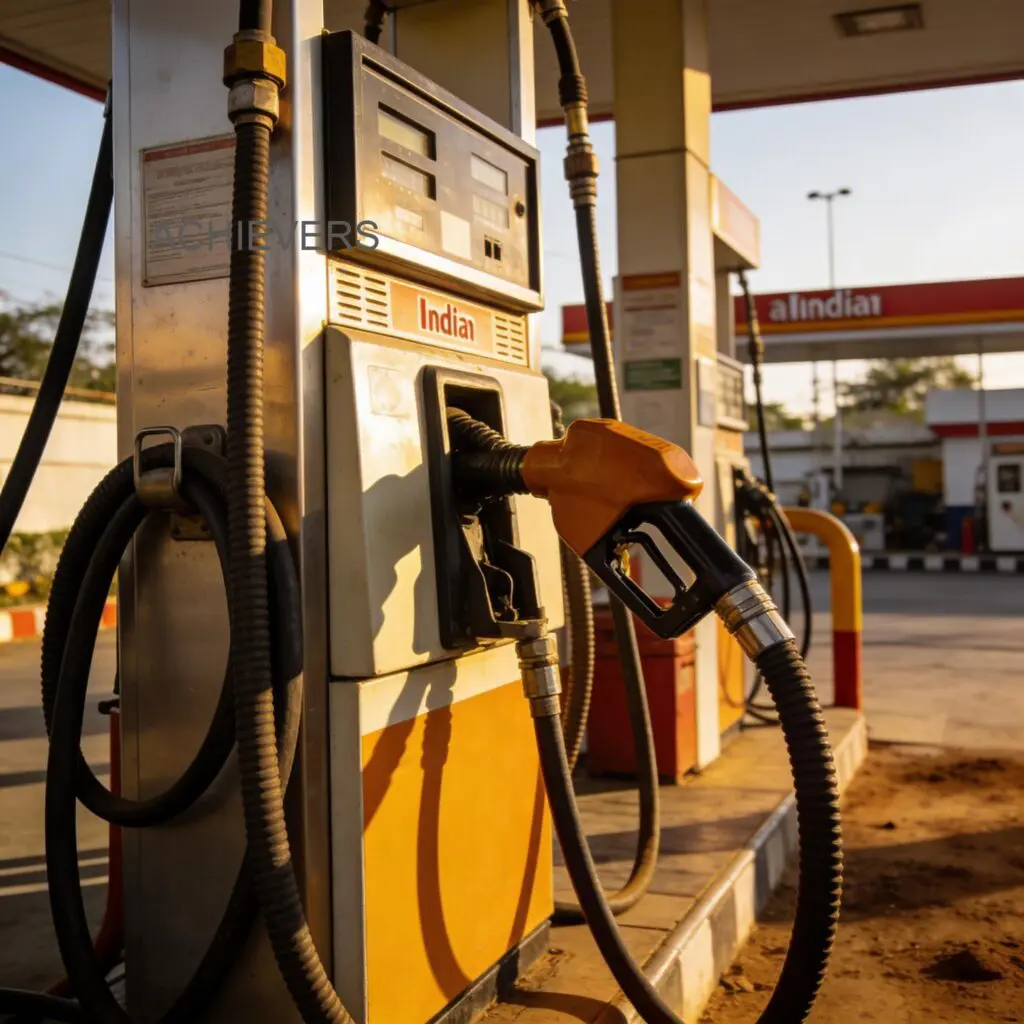
3. Selection and Configuration Guide
Choosing the right Fuel Dispenser involves balancing operational needs with site constraints. Industrial buyers should move beyond "standard specs" and configure units that deliver long-term value.
Flow Rate and Capacity
The flow rate should match the equipment being refueled.
- Standard Flow (40–50 LPM): Ideal for cars, light commercial vehicles (LCVs), and small generators.
- High Flow (80–120 LPM): Essential for heavy earthmovers, mining dump trucks, and large buses to reduce downtime during refueling breaks.
- Ultra-High Flow: For locomotive or marine applications, specialized setups may be required.
Metering and Display Type
- Mechanical Counter: Best for remote sites with unstable power or extreme weather. They are rugged, easy to repair, and require no power backup to read totals.
- Electronic/Digital: Necessary if you need "Preset" functionality (e.g., "fill exactly 50 liters") or integration with fuel management systems (FMS) for automated data logging.
Mounting and Form Factor
- Skid-Mounted: Ideal for temporary sites or integration into mobile bowsers.
- Pedestal/Cabinet: The standard fixed installation for fleet yards and depot islands.
- Wall/Tank Mounted: Space-saving options for compact sites where the dispenser attaches directly to the storage tank.
Checklist for Enquiry
When contacting the supplier, provide the following details to get an accurate quote:
- Fluid Type: Diesel, Bio-diesel, Kerosene, or Solvents.
- Power Supply: 230V AC (Single Phase), 415V AC (Three Phase), or 12V/24V DC.
- Suction Type: Do you need a built-in suction pump (to pull fuel from an underground tank) or a pressure-type dispenser (receiving fuel from a submersible turbine pump)?
4. Typical Applications
The versatility of the Fuel Dispenser makes it indispensable across various sectors in the Indian industrial landscape. Based on the robust design capabilities of Chintan Engineers, these units are frequently deployed in:
- Transport & Logistics: Private fleet yards use these dispensers to refuel trucks rapidly, ensuring quick turnaround times and monitoring fuel efficiency per vehicle.
- Construction & Infrastructure: Remote construction sites rely on rugged, mechanical-counter dispensers to refuel cranes, excavators, and pavers where grid power might be unreliable.
- Mining & Quarrying: In these harsh, dusty environments, heavy-duty high-flow dispensers are used to fill massive dump trucks, often requiring flameproof configurations due to the presence of other volatile gases or coal dust.
- Manufacturing Plants: For filling diesel into backup generators (DG sets) or fueling material handling equipment like forklifts within the factory premises.
- Agriculture: Large farm estates and cooperatives utilize simple, robust dispensers for tractors and harvesters.
5. Service, Installation, and Support
Even the best-engineered Fuel Dispenser requires correct installation and regular maintenance to retain its accuracy and safety certification. In India, environmental conditions—ranging from high humidity in coastal areas to extreme heat in the north—can degrade equipment if not maintained.
Installation Best Practices:
- Foundation: Ensure a level concrete base to prevent vibration, which can affect meter accuracy over time.
- Suction Lines: Use correct pipe sizing to prevent cavitation (air bubbles), which damages pumps and causes measurement errors.
- Filtration: Install a pre-filter or Y-strainer on the suction line to catch welding slag or tank debris before it enters the dispenser hydraulics.
Calibration and AMC:
Over time, mechanical wear can cause slight drifts in metering accuracy. Periodic calibration using a standard volumetric measure (e.g., a certified 20L can) is essential. Chintan Engineers supports this with rigorous testing protocols before dispatch. For long-term reliability, opting for an Annual Maintenance Contract (AMC) ensures that seals, gaskets, and filters are replaced proactively, and that the unit remains compliant with weights and measures regulations.
Furthermore, readily available spare parts are a crucial factor. Importing spares for foreign dispensers can lead to weeks of downtime. Choosing a domestic manufacturer ensures that components like keypad membranes, display boards, or pump vanes are available off-the-shelf, keeping your operations running smoothly.
Get the Right Configuration for Your Site
Selecting the correct dispensing system requires a clear understanding of your flow requirements and safety zones. Don't leave safety to chance.
Contact Chintan Engineers today to discuss your specific requirements. Whether you need a standard high-flow unit or a custom Fuel Dispenser certified for hazardous areas, our technical team can guide you toward the safest and most efficient solution for your plant or fleet.
Share your details with us:
- Fluid to be dispensed
- Required flow rate (LPM)
- Area classification (Safe Area vs. Zone 1/2)
- Power availability
