
















Managing fuel on remote construction sites, expansive mining operations, and large-scale agricultural projects across India poses a unique logistical challenge. Moving heavy earthmoving equipment or stationary generators to a centralized fuel pump is not only inefficient but results in massive losses of operational uptime. To solve this, industrial fleet managers and project engineers turn to mobile refueling solutions. By installing a high-quality mobile fuel dispenser kit for bowser conversion or outfitting a light commercial vehicle, operations can bring the fuel directly to the machinery.
However, transferring diesel in harsh, dusty, or rugged environments requires more than just a basic pump and a hose. It demands precision, safety, and accountability to prevent pilferage, fuel contamination, and inaccurate consumption tracking. For engineers looking to optimize their on-site fluid management, selecting the right Mobile Fuel Dispenser is a critical decision that directly impacts the bottom line. This article will explore the technical nuances of these systems, detailing how to evaluate, configure, and install a reliable diesel dispensing kit for pickup and service truck applications to ensure maximum efficiency in demanding Indian industrial environments.
1. What is a Mobile Fuel Dispenser?
A Mobile Fuel Dispenser is a compact, fully integrated fluid transfer skid designed specifically for dispensing diesel fuel directly from mobile tanks, bowsers, or utility vehicles. Unlike heavy, stationary petrol pump dispensers, these units are engineered for high vibration, varying power supplies, and outdoor industrial use. They provide the same core functionality—pumping, metering, and dispensing—in a ruggedized, portable form factor.
At its core, a Mobile Fuel Dispenser assembly typically comprises several heavy-duty components mounted onto a secure mild steel (MS) or stainless steel (SS) bracket. The system is driven by a self-priming rotary vane pump equipped with an internal bypass valve, which prevents motor overloading when the dispensing nozzle is closed. The fluid is passed through a high-precision flow meter—available in either mechanical nutating disc variants or digital turbine/oval gear models—that tracks dispensed volumes with high accuracy (often ±1% or better, depending on the configuration).
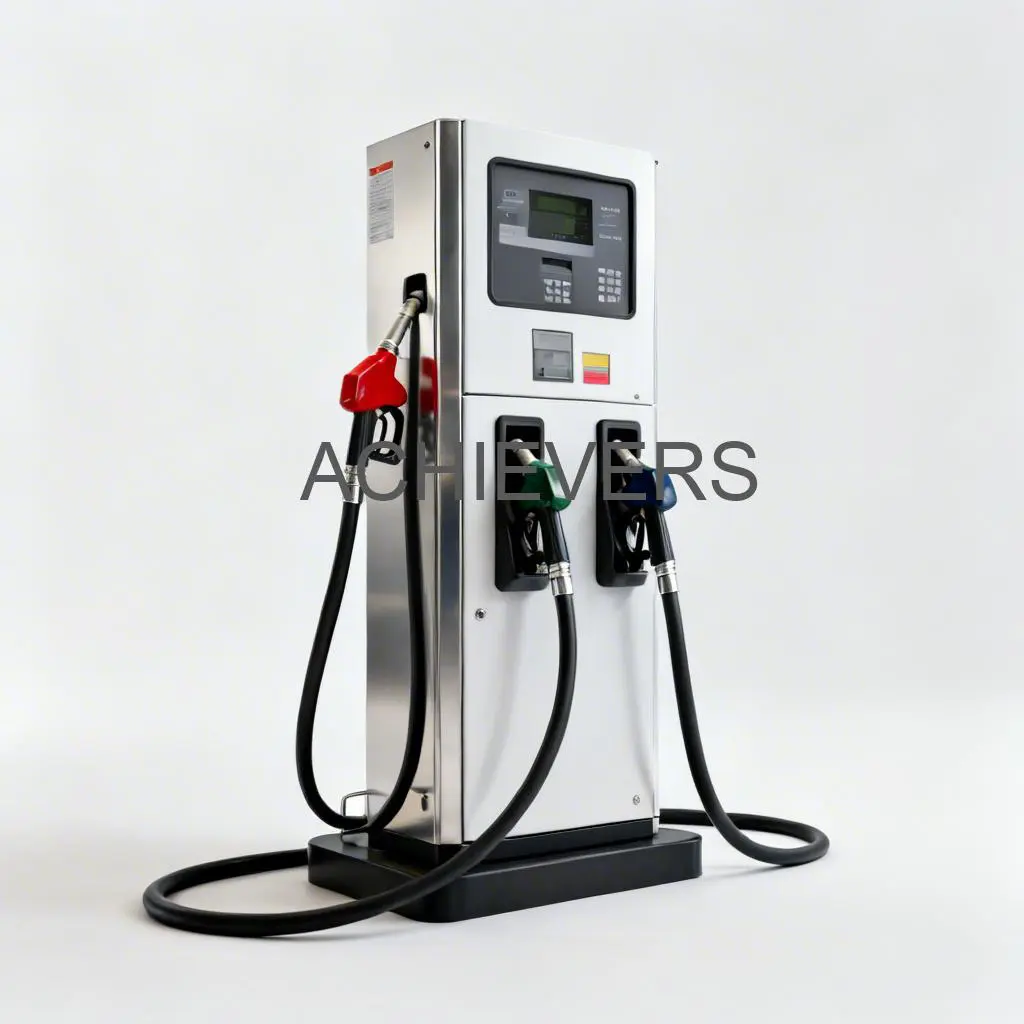
To accommodate different deployment scenarios, the Mobile Fuel Dispenser is offered in various power configurations, including 12V DC, 24V DC, and standard 220V AC. Flow capacities generally range from standard 40 LPM (Liters Per Minute) up to high-flow 80 LPM variants, allowing users to match the dispensing speed to the size of the equipment being fueled. Standard accessories include a heavy-duty anti-static delivery hose (typically 4 meters or longer), a suction hose with a foot valve and strainer, and a dispensing nozzle. Depending on client requirements, the nozzle can be a manual aluminum type or an automatic shut-off nozzle that prevents tank overflow.
2. Evaluating a Mobile Dispenser Kit for Retrofits
When Indian fleet owners and project engineers set out to convert a standard liquid transport tank into an active refueling asset, careful evaluation is required. Selecting the right components for your fleet ensures reliable refueling records, minimizes maintenance, and protects expensive diesel engines from contamination. Here is how you should evaluate a 12V 24V DC mobile diesel dispenser for fleet refueling.
Required Flow Rate (LPM)
The flow rate dictates how long your service truck will spend at each machine. A standard 40 LPM pump is sufficient for refueling smaller equipment, agricultural tractors, or backup generators. However, if you are refueling large mining excavators, dump trucks, or heavy construction machinery with tank capacities exceeding 300 liters, an 80 LPM high-flow system is highly recommended. Choosing an underpowered pump leads to long idling times for the service truck, while an overpowered pump on a small tank can cause excessive foaming and dangerous splash-back.
DC vs. AC Power Options
The power source is dictated by the mounting vehicle. If the unit is mounted on a pickup truck, tractor, or mobile bowser, DC power is mandatory. A 12V DC system is ideal for smaller pickups and tractors, running directly off the vehicle’s standard battery. For larger service trucks and commercial chassis, a 24V DC pump offers better continuous duty cycles and lower amperage draw, reducing the risk of overheating during long refueling routes. If the bowser is stationary but movable (like a skid tank dropped at a site with grid power), a 220V AC system provides the highest continuous duty rating.
Filtration Requirements
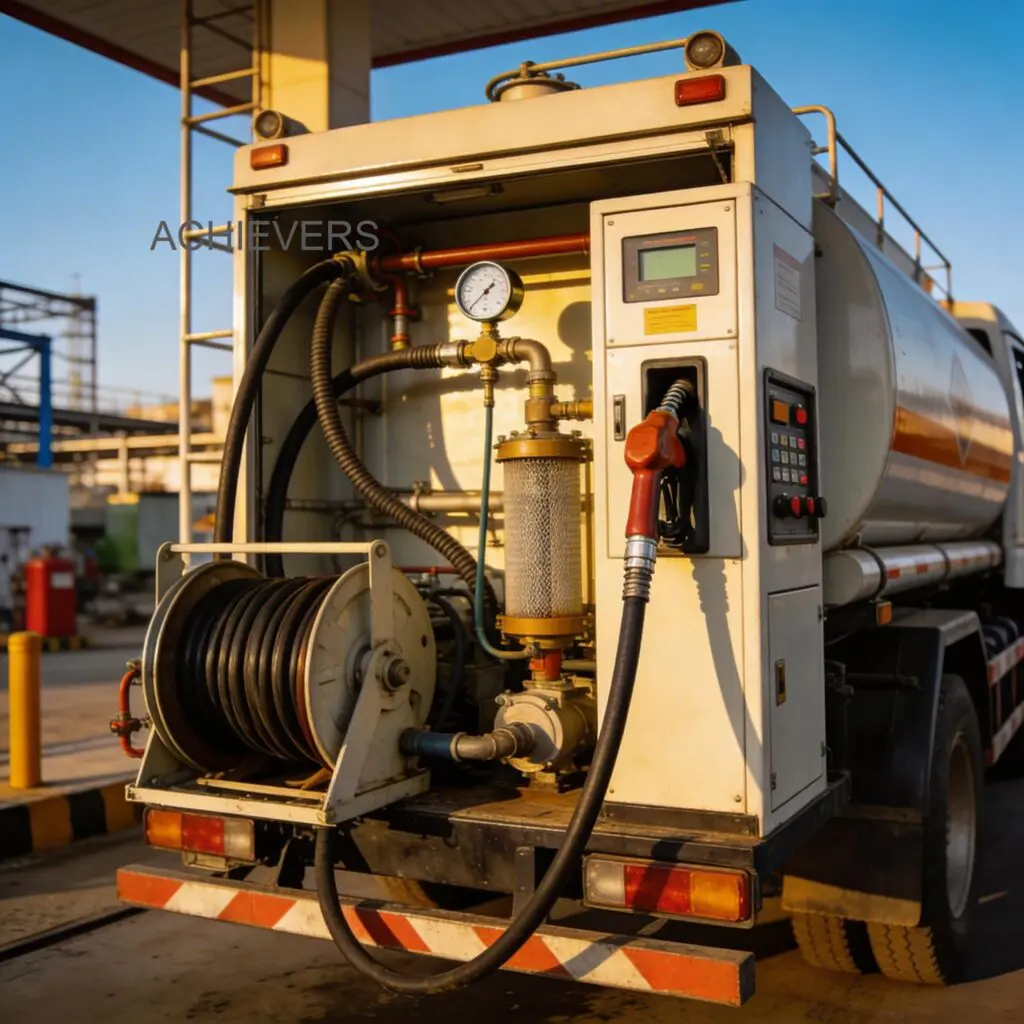
Modern heavy machinery utilizes High-Pressure Common Rail (HPCR) diesel engines, which are incredibly sensitive to particulate contamination and water ingress. A high-quality bowser mounted mobile fuel dispenser with preset and filtration capabilities is essential for Indian sites where dust and condensation in mobile tanks are prevalent. Integrating an inline water-absorbing and particulate filter (typically 10 to 30 microns) before the flow meter ensures that only clean diesel reaches your expensive machinery, preventing costly injector failures.
Hose Reel and Nozzle Choice
For service truck retrofits, loose hoses become a tripping hazard and degrade quickly when run over or dragged through mud. A heavy-duty, spring-retractable hose reel keeps the delivery hose protected and organized. Furthermore, investing in an automatic shut-off nozzle rather than a manual one is critical. Automatic nozzles sense the fluid level in the receiving tank and click off automatically, preventing expensive diesel spills and environmental contamination on the job site.
Preset, Batching Controls, and Accuracy Needs
Fuel pilferage and inaccurate manual logging are significant issues in fleet management. For reliable fueling records, engineers should look for models that offer high-accuracy digital metering. Advanced setups can include preset batching controls, allowing the operator to input a specific volume (e.g., 50 liters), and the pump will automatically stop once that volume is dispensed. This removes human error, tightly controls inventory, and ensures that reconciliation between the bowser’s bulk tank and the machinery's consumption is mathematically sound.
3. Mobile Fuel Dispenser Selection Guide
As one of the leading mobile fuel dispenser manufacturers in India, our engineering team advises procurement managers and project heads to follow a structured approach when specifying a dispensing system. A mismatch in specifications can lead to motor burnout, inaccurate readings, or operational bottlenecks. Use this mobile fuel dispenser selection guide to ensure you configure the correct unit for your specific industrial application.
Key Technical Specifications to Determine:
- Operating Voltage: Confirm the electrical architecture of the carrying vehicle (12V battery, 24V commercial truck system, or 220V on-site generator power).
- Target Flow Rate: Calculate the average fuel tank size of the receiving machinery. Opt for 40-60 LPM for standard vehicles and 80+ LPM for heavy earthmoving equipment.
- Metering Technology: Choose a mechanical meter for rugged simplicity and ease of field repair, or a digital meter if higher precision and preset batching are required.
- Hose Length and Storage: Determine the required reach from the service truck to the machinery. If the hose exceeds 5 meters, strongly consider adding a hose reel to prevent kinking and damage.
- Filtration Integration: Decide if standard particulate filtration is enough, or if water-separating filters are necessary based on the humidity and fuel storage conditions at the site.
Information to Provide Your Supplier During Enquiry:
- The exact type of vehicle or tank the dispenser will be mounted on (e.g., Bolero pickup, Tata commercial truck, custom skid tank).
- The fluid being transferred (while designed for diesel, confirming the fluid prevents seal incompatibility).
- The expected daily dispensing volume to help determine the required duty cycle of the pump motor.
- Environmental conditions of the site (e.g., highly dusty mining site, high-humidity coastal area) so the supplier can recommend appropriate enclosures and filtration.
- Any specific safety, calibration, or regulatory compliance requirements mandated by your project consultants.
4. Typical Applications for Mobile Dispensing Units
Mobile Fuel Dispensers are engineered for versatility, making them an indispensable asset across a wide range of industrial and commercial sectors in India.
Construction and Infrastructure Development:
Road building, tunneling, and bridge construction require fleets of excavators, graders, and compactors that operate miles away from standard roads. A dispensing kit mounted on a 4×4 pickup allows the refueling team to navigate tough terrain and fuel equipment right where it is working, eliminating travel time.
Mining and Quarrying Operations:
In open-cast mines, haul trucks and loaders consume massive amounts of diesel. Heavy-duty dispensing units paired with high-flow pumps ensure rapid fuel transfer, keeping these massive machines operating with minimal downtime. The robust enclosures protect the metering equipment from abrasive rock dust.
Logistics and Transport Yards:
Large transport companies often maintain their own bulk diesel storage to secure better pricing. A bowser equipped with a dispensing unit allows yard managers to refuel trucks as they are parked or loaded, speeding up dispatch times.
Telecommunications and Data Centers:
Remote telecom towers and critical data centers rely on diesel generator backups. Mobile dispensing units are frequently used by facility management companies to run scheduled refueling routes, ensuring generators are always topped up with accurately metered diesel.
5. Service, Installation, and After-Sales Support
A mobile dispensing unit is only as reliable as its installation and the support backing it up. Proper commissioning is essential for safety and accuracy. When installing these systems on a vehicle, it is critical to ensure proper electrical grounding to prevent static buildup, especially since fluid transfer generates static electricity. The suction lines must be completely airtight; even a minor leak can cause the self-priming pump to lose suction, leading to dry running and eventual vane damage.
Accurate calibration is another vital factor. Reputable manufacturers provide factory-calibrated meters, but it is a best practice to verify calibration on-site using a certified proving measure, particularly after the unit has been transported over rough roads. Regular recalibration ensures that the volume displayed matches the actual volume delivered, maintaining the integrity of your fuel audits.
For long-term reliability in Indian industrial sites, engaging with a manufacturer that offers comprehensive Annual Maintenance Contracts (AMC) and prompt access to local spare parts is crucial. From replacing worn pump vanes and clogged filters to servicing mechanical meter gears, enduring support ensures your mobile refueling operations never experience prolonged downtime. Reliable suppliers ensure transparent communication, offering authentic components without false claims about duty cycles or accuracy limits.
Ready to Optimize Your On-Site Refueling?
Configuring the exact right equipment saves time, prevents fuel theft, and protects your heavy machinery. If you are planning a bowser retrofit or upgrading your service fleet, contact our engineering team today. Please share the product name (Mobile Fuel Dispenser), your required flow rate, the specific application, and your site conditions. We will provide a technically accurate, durable, and highly precise fluid management solution tailored to your operational needs.
