
















Mining and construction sites in India operate on tight schedules where equipment uptime is the primary currency. A delayed refuel means idle excavators, dumpers, and loaders, directly impacting project timelines and profitability. To maintain continuous operations in these remote, harsh environments, relying on static fuel stations is often impractical because heavy machinery cannot easily travel to a central pump. This is where a robust Mobile Fuel Dispenser becomes an essential asset for efficient on-site fuel management.
1. What this product does
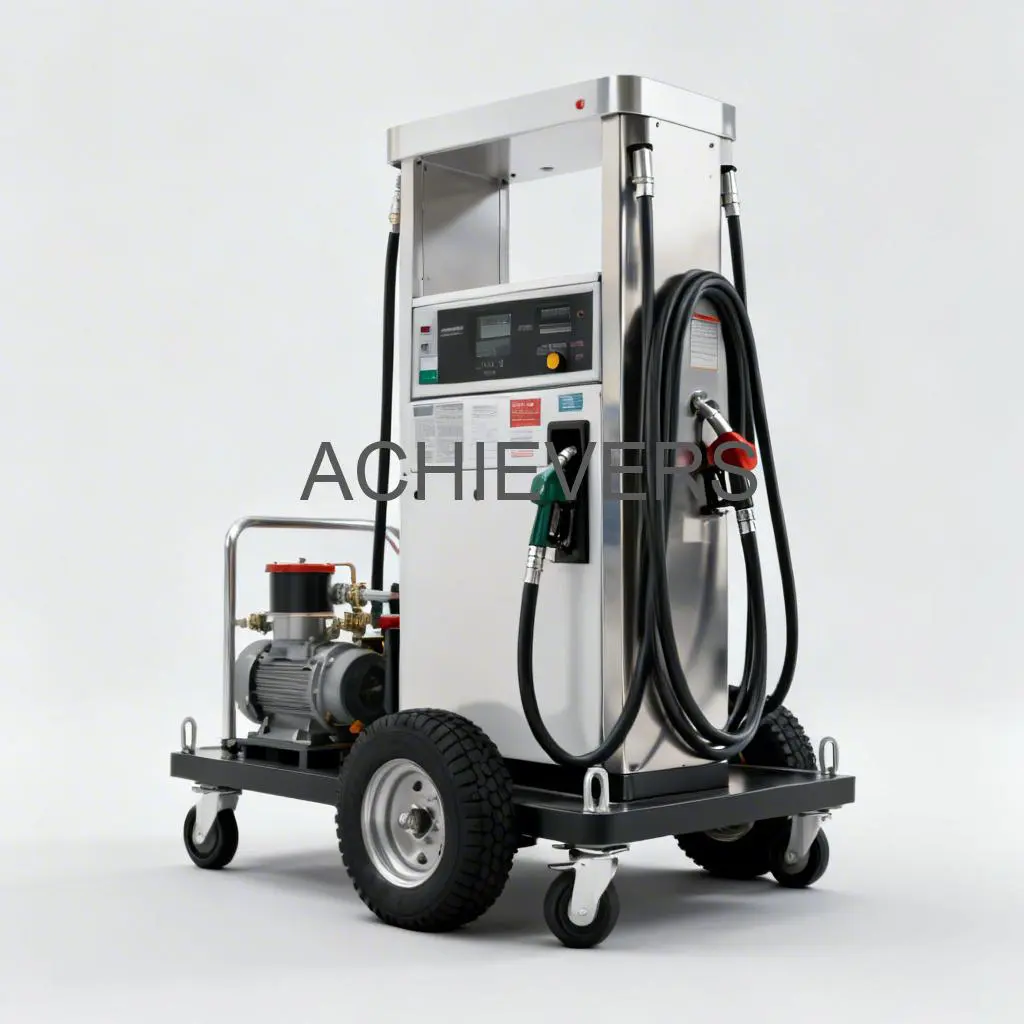
A Mobile Fuel Dispenser is a compact, integrated system designed to dispense and meter diesel and other industrial fluids directly from mobile tanks, bowsers, or service trucks. Unlike stationary pumps, these units are engineered to withstand the vibration, dust, and environmental stress of moving vehicles while delivering precise measurements.
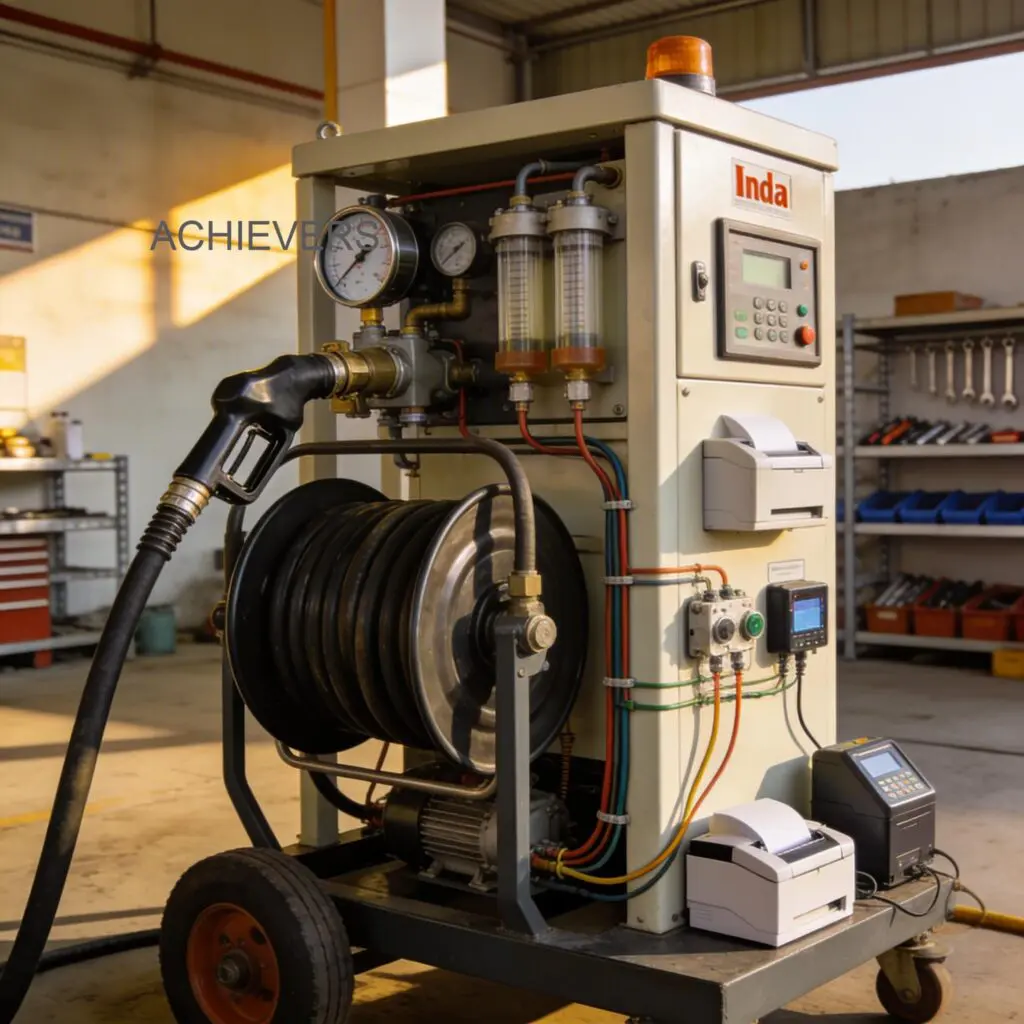
Based on high-performance engineering standards, this system typically combines a transfer pump, a high-accuracy flow meter, a filtration unit, and a dispensing nozzle into a single, user-friendly assembly.
- DC Power Configurations: These units are purpose-built for mobility, typically operating on 12V or 24V DC power drawn directly from the vehicle’s battery. This eliminates the need for mains electricity or separate generators during refueling operations.
- Metering and Control: Advanced models move beyond simple pumping; they feature digital counters and preset controllers that allow operators to define the exact volume to be dispensed. This ensures the pump stops automatically once the target volume is reached, preventing spillage.
- Data and Accountability: Integrated printers are often available as add-ons, providing immediate physical tickets for inventory reconciliation and audit trails.
2. Choosing the Right Mobile Fuel Dispenser for Harsh Sites
Selecting the correct Mobile Fuel Dispenser configuration requires a deep understanding of the specific demands of Indian mining and construction sites. A unit that works well in a clean warehouse may fail quickly in an open-cast mine.
Flow Rate and Duty Cycle
The flow rate must match the equipment being refueled. For large mining dumpers with massive fuel tanks, a high-flow system is non-negotiable to reduce pit-stop times. However, for smaller gensets or light commercial vehicles, a standard flow rate is safer to prevent splash-back.
Filtration and Safety Requirements
In dusty environments, fuel contamination is a major cause of engine failure. Mobile fuel dispenser filtration and safety requirements are critical considerations. The dispenser should be equipped with high-efficiency filters (often with water separators) to ensure that the fuel entering the machinery is clean. Furthermore, proper earthing and bonding points are essential to dissipate static electricity generated during high-speed refueling.
Automation and Theft Prevention
Fuel pilferage is a common challenge in remote operations. Opting for a mobile fuel dispenser with preset controller and printer converts a simple pump into a secure auditing station. The preset function prevents over-dispensing, while the printer generates a hard copy record for every litre dispensed, making it easier for fleet managers to track consumption.
Buyer Checklist for Diesel Bowser Mobile Fuel Dispenser Kit Selection
To reduce downtime and financial losses, use this checklist when configuring your kit:
- Voltage Match: Does the mobile diesel dispenser 12V 24V DC for fleet refueling match your vehicle's electrical system?
- Mounting: Is the unit mounted in a protective box or frame that can handle the chassis vibration of a moving bowser?
- Usage Frequency: Is the pump rated for the continuous duty cycle required during peak shift changes?
3. Selection and Configuration Guide
When sourcing a Mobile Fuel Dispenser, industrial buyers should focus on the following parameters to ensure compatibility with their existing infrastructure and operational goals.
Critical Specifications
- Power Source: Verify if your mobile bowser or pickup truck runs on a 12V or 24V system. Using a 12V pump on a 24V system can cause immediate failure, while the reverse results in poor performance.
- Meter Type:
- Mechanical: Robust, simple to repair, and ideal for sites with extreme temperatures.
- Digital: Necessary for higher accuracy (+/- 0.5% range) and integration with preset controllers.
- Material Construction: Ensure the internal seals, pump vanes, and casing are compatible with the specific fuel type (usually diesel or biodiesel blends) to prevent swelling and leaks over time.
Communicating with Suppliers
To get the best solution from mobile fuel dispenser manufacturers in India, be prepared to share:
- The estimated daily throughput (litres per day).
- The distance the hose must reach (determines hose reel requirements).
- Whether the unit will be exposed to direct rain/monsoon conditions (requires IP-rated enclosures).
4. Typical Applications
The versatility of the Mobile Fuel Dispenser makes it indispensable across various sectors in India:
- Mining Excavation: Refueling excavators, dozers, and drill rigs right at the pit face, eliminating the fuel burn and time loss associated with moving slow machinery to a fuel farm.
- Infrastructure Construction: Service trucks dispensing diesel to pavers, rollers, and concrete mixers along extended stretches of highway or remote building sites.
- Fleet Management: Mobile refueling for logistics trucks and agricultural tractor fleets during peak operational seasons.
- Remote Power Generation: Filling diesel generators (DG sets) at telecom towers or off-grid industrial plants where grid power is unavailable for stationary pumps.
5. Service, Installation, and Support
Even the most rugged mobile fuel dispenser for mining and construction sites requires proper installation and maintenance to ensure longevity.
- Vibration Isolation: When installing on a truck or trolley, the unit should be securely mounted with vibration dampeners to protect the internal electronics and mechanical seals.
- Calibration: Regular calibration of the flow meter is vital. Over time, wear and tear or changes in fuel viscosity can affect accuracy. Periodic verification ensures you are not giving away fuel or short-changing your equipment.
- AMC and Spares: Relying on manufacturers who provide genuine components and Annual Maintenance Contracts (AMC) ensures that filters are changed and pump vanes are inspected before failure occurs. This proactive approach is key to maintaining the reliability of your mobile refueling operations.
For a configuration that meets your specific site requirements—whether it is high-flow capability, advanced filtration, or precise data logging—reach out to our technical team. Please specify your vehicle voltage (12V/24V), expected flow rate, and application environment to receive a tailored solution.
