
















Accurate fuel management is the backbone of operational efficiency for manufacturing plants, logistics hubs, and energy facilities across India. With fluctuating fuel prices and the sheer volume of hydrocarbons consumed daily, even a minor miscalculation in your transfer lines can lead to significant financial losses over a year. Fleet operators and plant managers face harsh site conditions, varying ambient temperatures, and diverse fluid properties that challenge standard measurement equipment. To maintain absolute control over inventory, prevent pilferage, and ensure machinery receives the exact amount of required fuel, industrial users must rely on precision-engineered solutions.
Deploying a heavy-duty Fuel Flow Meter is essential for operators who demand unwavering reliability. A properly configured meter guarantees accurate accounting during bulk unloading, inter-tank transfers, and day-tank refueling. This guide explores the critical engineering principles behind fluid measurement and helps you select the right configuration to maximize uptime, maintain calibration, and streamline your industrial fluid handling operations.
1. What this product does
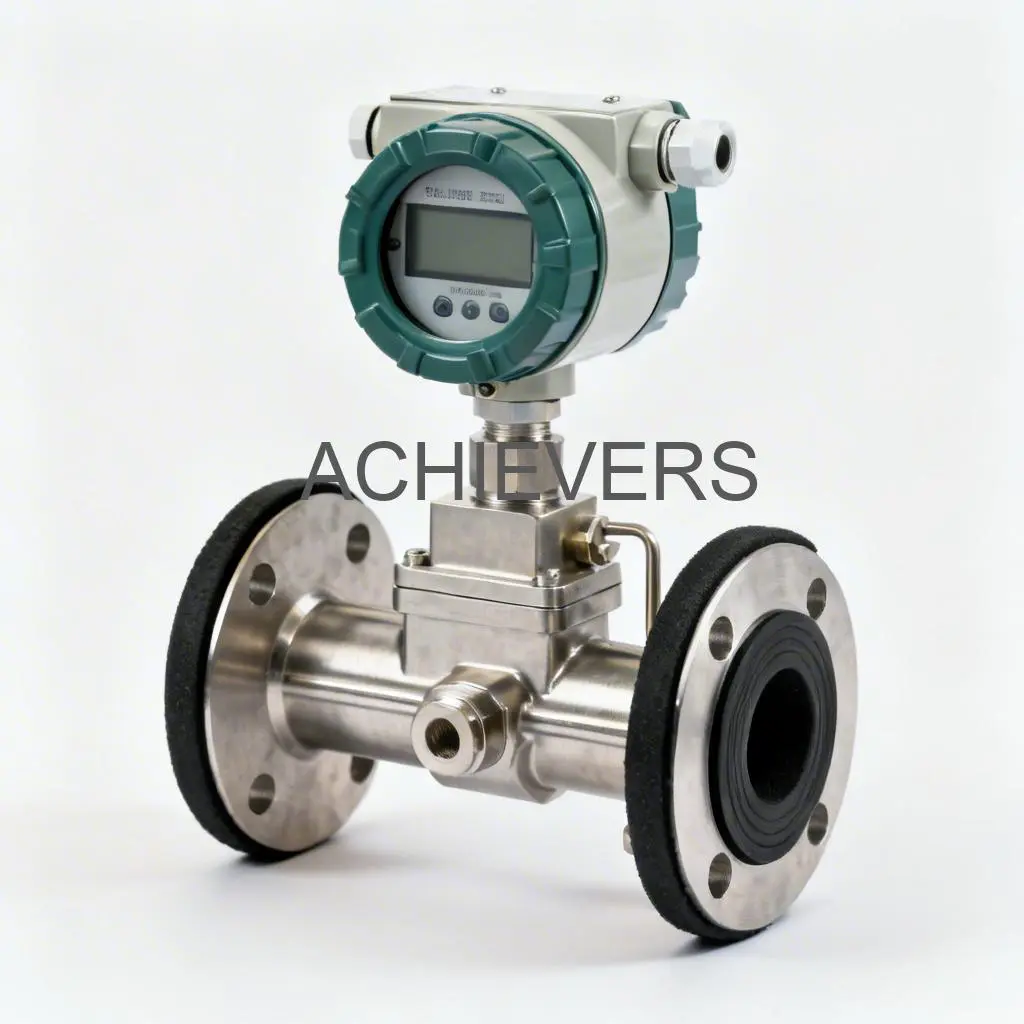
At its core, a Fuel Flow Meter is an industrial-grade precision instrument designed to measure, record, and control the volumetric flow rate of liquid hydrocarbons passing through a pipeline. Built to perform flawlessly under demanding industrial conditions, these meters provide real-time data on fuel consumption and transfer volumes, ensuring that every drop of diesel, oil, or blended fuel is accurately accounted for.
These meters are engineered using robust materials—such as cast iron, lightweight aluminum, or stainless steel—to withstand the corrosive nature of industrial fluids and high operating pressures. Depending on the specific application, they operate via distinct mechanical principles (such as positive displacement or turbine mechanisms) to capture fluid flow with exceptional accuracy, often boasting an accuracy rate of ±0.5% or better.
Industrial flow meters offer a range of versatile features to suit different operational setups. They can be equipped with mechanical registers for straightforward, power-free readouts in remote locations, or digital displays that integrate with centralized plant automation systems. Available in various line sizes to accommodate low-flow dispensing or high-capacity bulk transfers, these units can be powered by 12V/24V DC for mobile bowsers or standard AC power for stationary skids. With built-in options for pulse outputs, reset mechanisms, and totalizers, a high-quality Fuel Flow Meter provides operators with transparent, verifiable data that eliminates the guesswork from fuel management.
2. Navigating Viscosity Changes: Selecting Meters for Diesel, Biodiesel, and Lubricants
Indian industries are increasingly diversifying their fuel sources to include standard high-speed diesel, heavy furnace oils, lubricants, and eco-friendly biodiesel blends. However, as fluid viscosity changes, so does the behavior of the fluid inside the pipeline. Selecting the right metering technology is critical to avoid misreading, slow flow, and repeat calibration issues.
When evaluating a positive displacement fuel flow meter vs turbine meter, the primary consideration is fluid thickness. Turbine meters utilize a bladed rotor that spins as fluid passes through. While highly effective for thin, consistent liquids like water or very light diesel, turbine meters struggle when viscosity increases. Thicker fluids create drag on the blades, leading to severe under-registration and pressure drops.
Conversely, Positive Displacement (PD) meters—such as oval gear, rotary vane, or nutating disc designs—operate by trapping a fixed volume of fluid in a precisely machined measuring chamber and passing it downstream. Because they rely on the physical displacement of fluid rather than fluid velocity, PD meters are exceptionally accurate across a wide range of viscosities. In fact, as fluid becomes thicker, the "slip" (internal leakage) inside a PD meter decreases, making a positive displacement model the ideal fuel flow meter for high viscosity oil and heavy lubricants.
Fleet operators must also pay close attention when sourcing a fuel flow meter for biodiesel blends India. Biodiesel (such as B20 or B100) possesses different flow characteristics, varying viscosities, and aggressive solvent properties compared to conventional petroleum diesel. Biodiesel can also clean existing sludge from pipes, sending debris directly into the measuring chamber. Therefore, the chosen meter must feature chemically compatible seals (like Viton or Teflon) and be protected by heavy-duty upstream filtration.
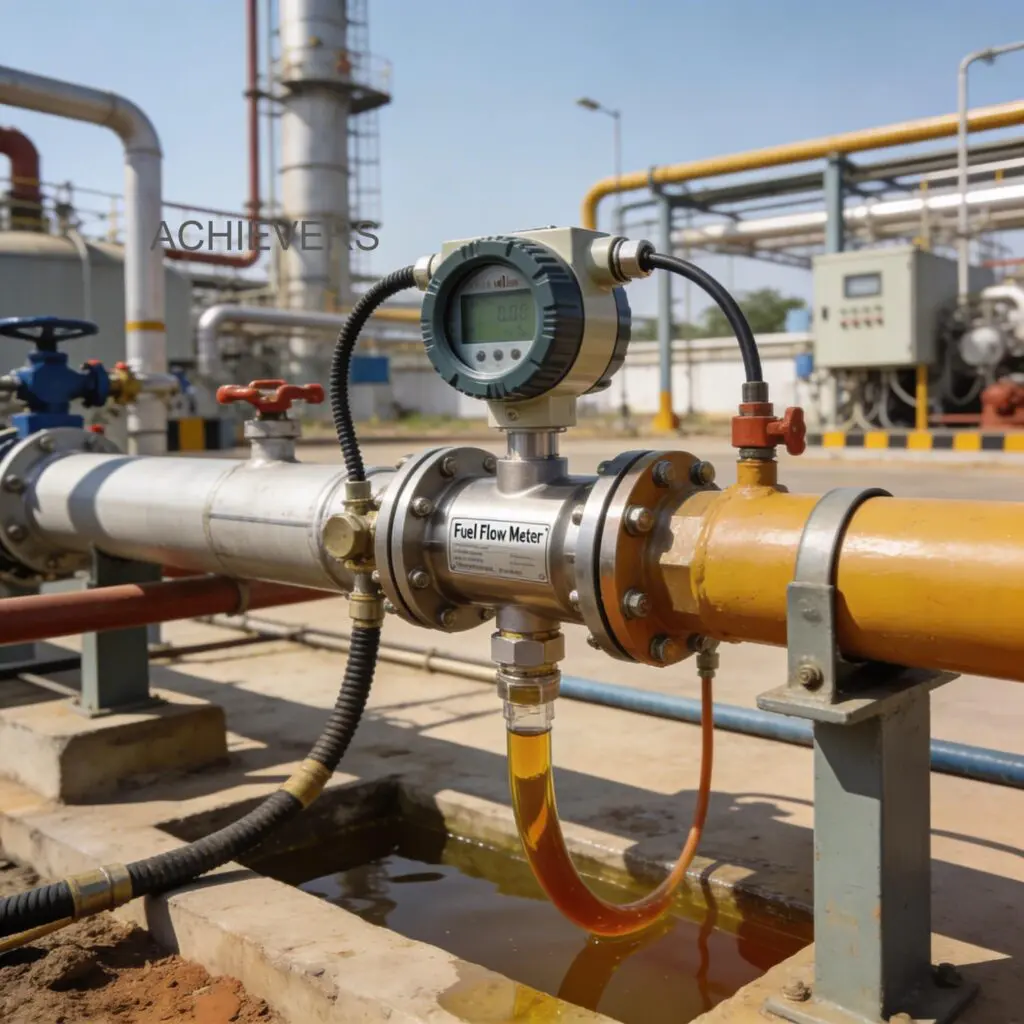
To ensure long-term accuracy on real transfer and refueling lines, operators must implement proper air elimination and filtration. Bulk unloading often introduces entrained air into the line. If this air passes through the meter, it is registered as liquid, meaning you end up paying for empty air. Installing an air eliminator alongside a Y-strainer ensures that only pure, debris-free liquid enters the measuring chamber, maintaining strict accuracy expectations and protecting the meter's internal gears from premature wear.
3. Selection / configuration guide
Configuring the correct Fuel Flow Meter requires a detailed understanding of your specific process parameters. Purchasing an undersized meter will lead to restrictive pressure drops and slow refueling times, while an oversized meter may fail to accurately capture low-flow transfer rates. By carefully matching the meter to your plant's operational profile, you can avoid costly inefficiencies.
This fuel flow meter selection guide for diesel transfer and industrial oils highlights the exact specifications you need to evaluate. When consulting with a supplier, industrial buyers should determine their requirements across two main categories:
Core Hydraulic and Mechanical Sizing:
- Flow Rate Range (LPM): Determine both the minimum and maximum liters per minute your pump will deliver. The meter must be accurate across this entire spectrum.
- Operating Pressure: Verify the maximum system pressure. Bulk transfer lines require meters with heavy-duty pressure ratings compared to simple gravity-fed dispensers.
- Fluid Viscosity and Type: Clearly identify if the meter will handle light diesel, heavy gear oil, or varying biodiesel blends, as this dictates the choice between PD and turbine mechanisms.
- Line Size and Connection Type: Match the meter’s inlet/outlet dimensions (e.g., 1-inch, 2-inch, or larger) and flange/thread types to your existing piping to avoid flow restrictions.
Instrumentation, Power, and Controls:
- Display Preferences: Choose between robust mechanical registers (ideal for harsh, dusty environments without reliable power) or digital LCD displays for precise batching.
- Output Requirements: If you are integrating the meter into a PLC, SCADA, or fleet management software, select a meter equipped with pulse output or 4-20mA signals.
- Power Supply: Specify 12V/24V DC for truck-mounted mobile dispensing setups, or 220V AC for stationary plant installations.
- Accessories: Always configure the unit with a compatible upstream strainer and, if transferring from mobile tankers, a high-capacity air eliminator.
Communicating these exact details to your supplier ensures you receive a customized, perfectly calibrated unit that integrates seamlessly into your infrastructure.
4. Typical applications
A highly accurate Fuel Flow Meter is an indispensable asset across a multitude of industrial sectors. One of the most common applications is in commercial fleet refueling and logistics hubs, where operators dispense thousands of liters of diesel daily into heavy commercial vehicles. Here, meters track every transaction, preventing unauthorized fuel usage and ensuring precise billing.
In manufacturing facilities and IT parks, these meters are heavily utilized for standby power generation. By installing them on the supply and return lines of large Diesel Generator (DG) sets, facility managers can monitor the exact real-time fuel consumption of their backup power infrastructure, optimizing maintenance schedules and identifying engine inefficiencies.
Beyond standard diesel applications, robust industrial meters are essential in process plants for lubricant batching and bulk oil transfers. Whether moving high-viscosity hydraulic oils from storage tanks to production lines, or unloading heavy furnace oils from railcars, positive displacement flow meters provide the reliable volumetric data required to maintain strict inventory control and regulatory compliance.
5. Service, installation, and support
Even the most precisely engineered instrument requires proper installation and lifecycle management to maintain its accuracy. As one of the trusted fuel flow meter manufacturers in India, Chintan Engineers leverages over 15 years of expertise in industrial flow and dispensing systems to provide end-to-end solutions. This commitment extends far beyond manufacturing; it encompasses expert installation, rigorous testing, and comprehensive after-sales support.
Proper site deployment is critical. Meters should be installed with appropriate straight pipe runs to stabilize flow dynamics, and Y-strainers must be mounted upstream to block pipeline scale and debris. Furthermore, factory calibration is essential. Every meter must be verified and certified for consistency before deployment, ensuring that your system reads accurately from day one under actual site conditions.
To secure long-term value, partner with a supplier that offers transparent communication, genuine spare parts, and enduring support. Engaging in an Annual Maintenance Contract (AMC) guarantees that your flow meters receive regular health checks, recalibration, and preventive maintenance. This proactive approach eliminates repeat calibration issues, prevents unexpected downtime, and guarantees that your fuel management system performs reliably year after year.
*
To optimize your fluid handling systems and eliminate costly inaccuracies, it is crucial to install equipment that is specifically tailored to your operational demands. Contact our technical team today to configure the perfect solution for your facility. Please share your required product name, your target flow rate and line size, the specific industrial application, and any unique site conditions (such as high temperatures or changing fluid viscosities). Our engineers will guide you step-by-step to ensure you receive a robust, accurately calibrated system built to perform.
