
















Managing fuel inventory in India’s industrial landscape is no longer just about pumping liquid from a storage tank to a vehicle. With diesel prices fluctuating and operational costs rising, every litre unaccounted for represents a direct hit to the bottom line. For fleet managers, construction site supervisors, and plant engineers, the challenge lies in balancing speed with accountability. A standard pump might move fuel, but it won't tell you exactly where it went, who took it, or if the quantity dispensed matches the book stock. This is where a high-precision, automated Fuel Dispenser becomes a critical asset rather than just a utility.
In harsh industrial environments—ranging from dusty mining sites in Rajasthan to humid manufacturing zones in Gujarat—equipment reliability is paramount. However, reliability alone isn't enough; you need data. The shift from mechanical, manual dispensing to digital, preset-enabled systems is transforming how Indian industries audit their fuel consumption. Whether you are refueling a fleet of logistics trucks or topping up DG sets for backup power, the configuration of your dispensing unit determines your control over inventory. This article explores the technical nuances of selecting a system that offers not just flow, but intelligent fuel management through presets, printers, and automation integration.
1. What This Product Does: Engineering and Specifications
The Fuel Dispenser manufactured by Chintan Engineers is a fully integrated fluid handling system designed for the accurate transfer and metering of diesel and similar industrial fuels. Unlike simple transfer pumps that rely on operator estimation, this engineered solution combines a high-performance pump, a precision flow meter, a digital controller, and filtration into a unified skid or cabinet.
At its core, the unit is built to deliver fuel at specific flow rates while maintaining strict accuracy classes suitable for custody transfer or internal audit purposes. The system typically features a positive displacement or gear-type pumping mechanism that ensures consistent flow even under varying pressure conditions.
Key Technical Features and Specifications:
- Flow Measurement: The heart of the dispenser is its flow meter, calibrated to ensure high repeatability and linearity. This ensures that the reading on the display matches the physical volume delivered to the nozzle.
- Digital Controller: The unit is equipped with an electronic control head featuring an LED or LCD display. This controller handles preset batching (allowing the operator to set a fixed volume or currency amount) and drives the solenoid valves for precise cutoff.
- Power Options: Recognizing the diverse power availability at Indian sites, these dispensers are available in both AC (230V single-phase / 415V three-phase) for fixed depots and DC (12V / 24V) for mobile bowsers and service trucks.
- Filtration: Integrated filtration systems are standard, often including water separators to protect modern common-rail diesel engines from contaminated fuel.
- Peripherals: The system supports integrated thermal receipt printers for physical ticketing and communication ports for external data logging.
The robust casing is designed to withstand industrial wear and tear, protecting the internal electronics and hydraulics from dust, moisture, and vibration. Whether mounted on a mobile tanker or a fixed concrete island, the Fuel Dispenser serves as the primary checkpoint for fuel accountability.
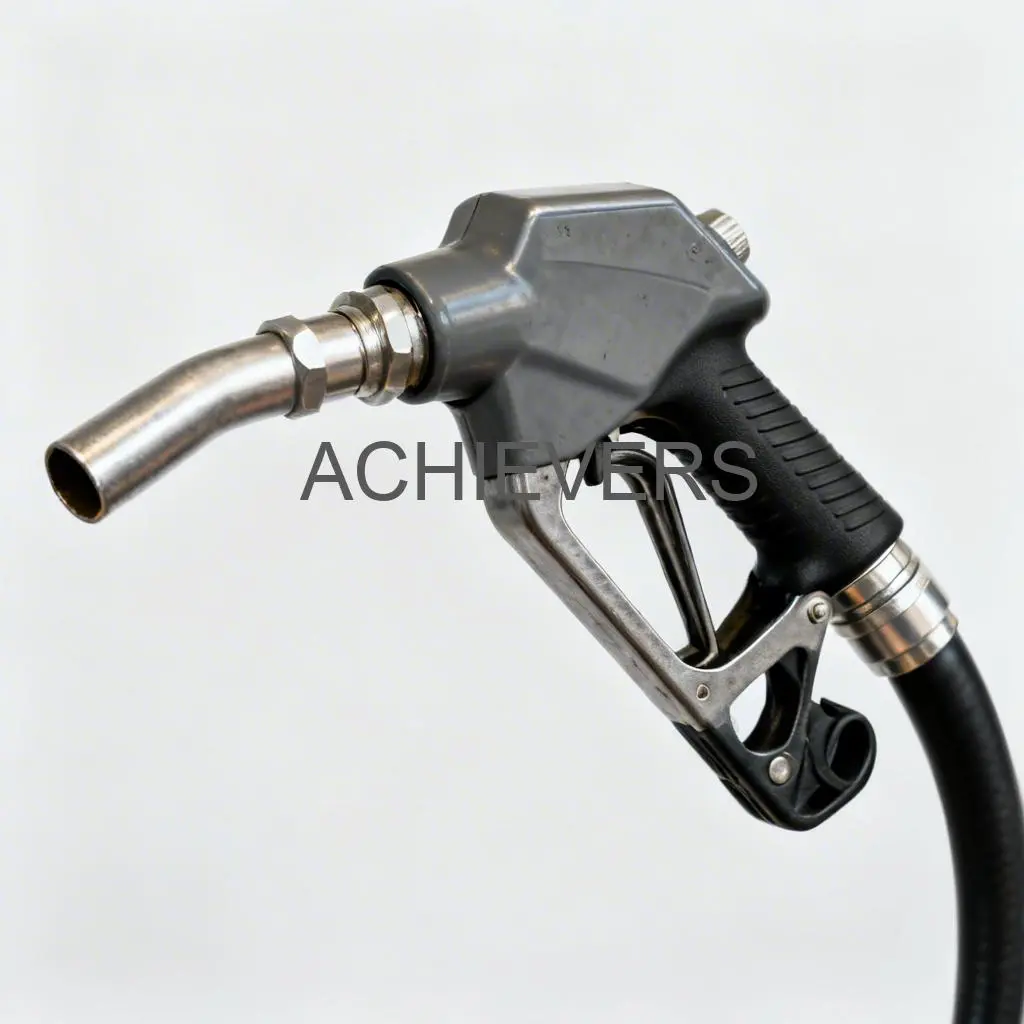
2. Configuring for Control: Presets, Printers, and Automation
Selecting the right industrial fuel dispenser is not a "one-size-fits-all" process. The configuration you choose directly impacts your ability to prevent pilferage and integrate with Enterprise Resource Planning (ERP) systems. This section helps Indian industrial buyers navigate the critical choices between basic dispensing and advanced automation-ready units.
The Power of Preset Batching
The most significant upgrade from a manual pump is the Preset Batching Controller. In a manual setup, the operator squeezes the nozzle trigger and releases it when they "think" the tank is full or when the meter hits a round number. This leads to overfilling, spillage, and human error.
A fuel dispenser with preset batching and printer eliminates this variable. The operator inputs the exact quantity required (e.g., "50 Litres" or "2000 Rupees") via a rugged keypad. The controller opens the solenoid valve, starts the pump, and automatically shuts off flow exactly when the target is reached. This "set-it-and-forget-it" capability ensures that:
- Spillage is zero: The pump stops automatically, preventing overflow.
- Allocation is precise: If a vehicle is allocated 100 litres per trip, the operator cannot dispense 105 litres without authorization.
- Speed is improved: Operators can perform other checks (tyres, oil) while the fuel dispenses, as the system monitors itself.
The Necessity of Receipt Printers
In many Indian fleet yards, the digital record is not enough; a physical signature is legally or procedurally required. An integrated thermal receipt printer provides an immediate, tamper-proof ticket containing:
- Date and Time of fueling.
- Batch Number.
- Volume dispensed (Litres).
- Totalizer reading (Cumulative).
For a fuel dispenser for diesel depot and fleet yard applications, this ticket is stapled to the driver's logbook. It acts as a physical handshake between the fuel yard manager and the driver, reducing disputes regarding how much fuel was actually pumped versus what was claimed.
Pulse Output and SCADA Integration
For large-scale operations, manual data entry from printed receipts is too slow. This is where the fuel dispenser pulse output for automation comes into play. Industrial buyers looking to modernize must ask for:
- Pulse Output: The flow meter generates a digital pulse for every fraction of a litre (e.g., 10 pulses per litre). This signal can be fed into a local GPS tracker, a Fuel Management System (FMS), or a third-party controller.
- 4–20 mA Analog Output: For process industries integrating the dispenser into a larger plant SCADA system, a 4–20 mA flow rate signal allows the control room to monitor filling speeds in real-time.
- RS-485 / Modbus: Advanced controllers offer serial communication, allowing the dispenser to "talk" directly to PC software, enabling a fully digital fuel dispenser for fleet fuel management. This allows the head office to see live stock levels and dispensing history without visiting the site.
AC vs. DC Power Selection
The choice between AC and DC power defines the dispenser’s mobility.
- AC Versions (230V/415V): Ideal for fixed installations at factory gates, transport hubs, and mining depots. They offer higher continuous duty cycles and higher flow rates.
- DC Versions (12V/24V): essential for mobile fuel bowsers (refueling trucks) that travel to heavy earthmovers or generators scattered across a site. These units run off the vehicle's battery but must maintain the same accuracy and preset logic as their fixed counterparts.
3. Selection and Configuration Guide
When sending an enquiry to fuel dispenser manufacturers in India, clarity on your operational parameters ensures you get a machine that lasts. A generic request for a "diesel pump" often leads to under-specified equipment. Use the following guide to shortlist the correct Fuel Dispenser configuration.
A. Flow Rate and Capacity
The speed of dispensing must match the tank size of the receiving asset.
- Standard Flow (40–50 LPM): Suitable for cars, light commercial vehicles (LCVs), and small generators.
- High Flow (70–90 LPM): Recommended for buses, heavy trucks, and large DG sets to reduce downtime.
- Ultra-High Flow (120+ LPM): Necessary for mining dump trucks, locomotives, or rapid bulk transfer.
- Tip: Do not oversize the pump unnecessarily, as throttling a high-flow pump for small tanks can cause cavitation and wear.
B. Material Compatibility and Filtration
While diesel is the primary medium, many industries handle bio-diesel blends or kerosene. Ensure the seals (Viton/Nitrile) and wetted parts are compatible.
- Filtration: Indian industrial fuel often contains suspended particulate matter or moisture due to storage conditions. Specify a dual-stage filtration system: a mesh strainer for coarse particles and a fine micron filter (5 or 10 micron) with water absorption capabilities. This protects the dispenser's meter and the engine of the vehicle being fueled.
C. Mounting and Form Factor
- Skid Mounted: A complete plug-and-play frame including the pump, motor, and meter. Best for new installations where civil work is minimal.
- Cabinet / Box Type: Enclosed unit protecting components from rain and sun. Essential for outdoor fleet yards.
- Tank Mounted: Compact units designed to sit directly on top of the storage tank.
D. Checklist for Buyers
Before finalizing your order, verify these points:
- [ ] Voltage: Is 230V AC stable at the site, or do you need a DC option?
- [ ] Automation: Do you need a Pulse Output now, or just the capability for future upgrades?
- [ ] Printer: Is a thermal printer required for driver accountability?
- [ ] Hose Length: Is the standard 4-meter hose sufficient, or do you need a retractable hose reel for long-reach filling?
- [ ] Nozzle Type: Automatic shut-off nozzle (standard) or manual nozzle (economy)?
4. Typical Applications in Indian Industry
The versatility of the Fuel Dispenser allows it to serve various sectors, each with unique demands for accuracy and durability.
1. Logistics and Transport Fleet Yards
For trucking companies, fuel is the largest operating expense. Installing a fuel dispenser for diesel depot and fleet yard use allows centralization of inventory. The preset batching ensures trucks are not overfilled, and the printer provides data for calculating Litres Per Kilometre (KMPL) performance for each vehicle.
2. Construction and Infrastructure Projects
Remote sites cannot rely on petrol pumps. Mobile bowsers equipped with 12V/24V DC dispensers travel to excavators and cranes. The durability of the keypad and the vibration resistance of the internal components are critical here. The digital totalizer helps site managers reconcile the diesel brought in by the tanker versus the diesel consumed by the machinery.
3. Manufacturing and Backup Power
Factories with large Diesel Generator (DG) sets require precise fueling to monitor efficiency. A fuel dispenser selection guide for this sector often recommends integration with the Building Management System (BMS) via 4–20 mA outputs, allowing facility managers to track fuel consumption relative to power generation.
4. Mining and Earthmoving
Mining environments are notoriously dusty. The dispensers used here feature heavy-duty filtration and high-flow rates to fill 500+ litre tanks rapidly during shift changes, minimizing equipment downtime.
5. Service, Installation, and Support
Investing in quality hardware is only half the equation. The longevity of a Fuel Dispenser depends heavily on correct installation and ongoing maintenance.
Installation Best Practices
- Suction Lift: Ensure the pump is not placed too high above the minimum tank level. Excessive suction lift causes cavitation, which damages the flow meter and reduces accuracy.
- Electrical Earthing: Static electricity is a major hazard in fuel handling. Proper earthing of the dispenser chassis and the nozzle is non-negotiable for safety.
- Bypassing: Ensure the internal bypass valve is calibrated correctly. If the nozzle snaps shut, the pump must recirculate fluid internally without overheating the motor.
Calibration and Accuracy
Over time, mechanical wear or changes in fuel density can cause slight drift in measurement accuracy. It is vital to choose a dispenser that allows for easy field calibration. Periodic verification using a standard 5-litre or 10-litre checking measure ensures that the industrial fuel dispenser remains within the acceptable error margin (typically ±0.5% or better).
After-Sales Support
For Indian buyers, local support is crucial. Importing a dispenser often leads to downtime due to lack of spares like keypads, display boards, or printer rolls. Manufacturers like Chintan Engineers prioritize the availability of genuine components and technical support. From troubleshooting error codes on the batch controller to replacing worn-out hoses, access to knowledgeable technicians ensures your fuel management system remains operational year-round.
Summary
Upgrading to a modern dispensing system is a strategic move to plug revenue leaks and digitize operations. Whether you require a simple preset unit with a printer or a fully automated pulse-output system for your ERP, the technology is available to turn fuel dispensing from a blind spot into a managed process. By focusing on specs like filtration, flow rate accuracy, and robust electronics, you ensure that every drop of fuel purchased is a drop of fuel productively used.
