
















Managing fuel consumption accurately is critical for industrial sites, logistics hubs, and manufacturing plants across India. Diesel is often one of the largest continuous operational expenses, making its precise dispensing, recording, and tracking absolutely essential. Unreliable fluid handling equipment can lead to rampant fuel pilferage, inaccurate batching, environmental hazards, and prolonged vehicle downtime. A high-quality fuel dispenser for industrial use ensures that every drop of diesel transferred to fleet vehicles, backup generators, or heavy earth-moving machinery is accurately metered and securely recorded.
By investing in robust, intelligently designed dispensing systems built to withstand harsh Indian site conditions—ranging from highly dusty mining environments to humid coastal manufacturing plants—facility managers can maximize operational uptime. Transitioning from manual or gravity-fed fueling to engineered precision systems helps facilities ensure strict safety compliance, eliminate manual data entry errors, and significantly reduce long-term operational overhead.
1. What this product does
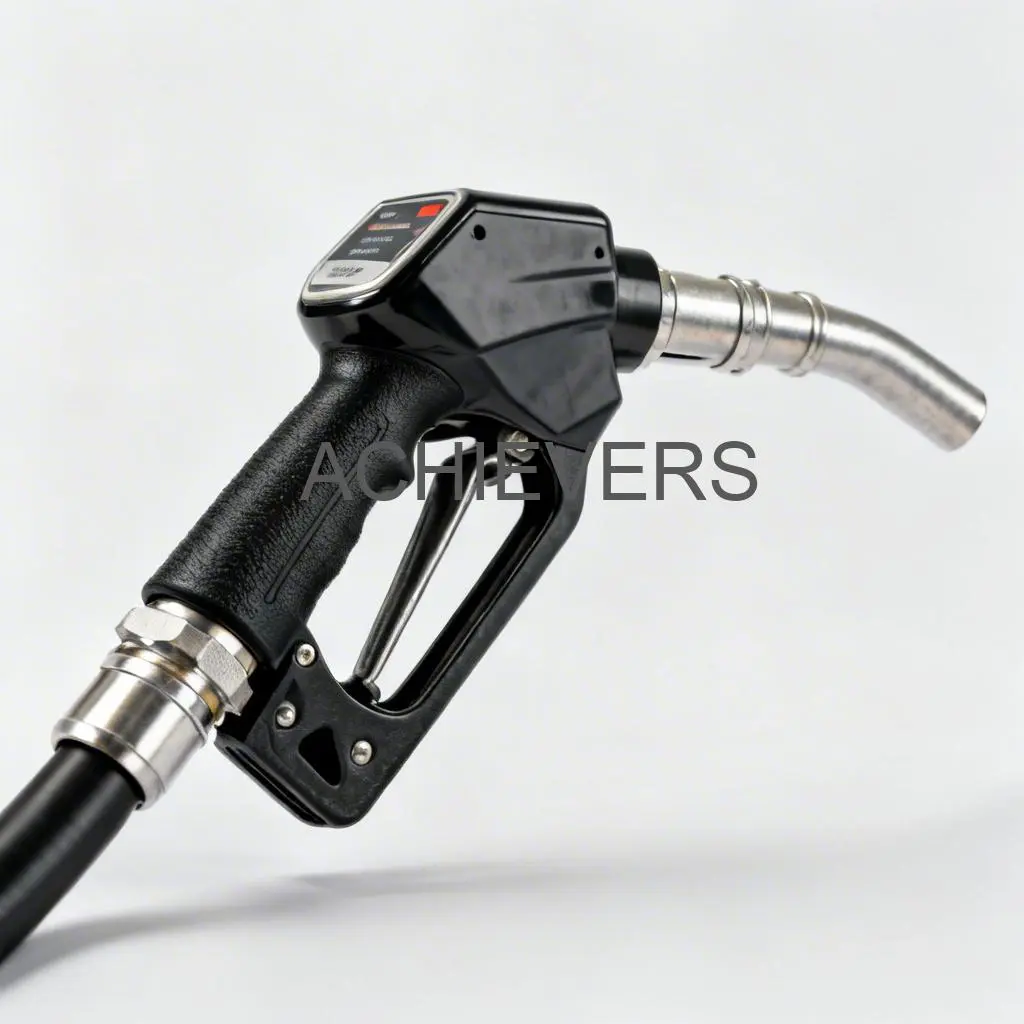
A Fuel Dispenser is a comprehensive, integrated system comprising pumping, metering, and electronic control units designed to safely transfer diesel and other industrial fuels from bulk storage tanks into vehicles or machinery. Unlike standard retail petrol pumps, an industrial Fuel Dispenser is engineered specifically for heavy-duty, repetitive operations like fleet fueling and captive power plant management. It typically combines a continuous-duty internal motor, a high-accuracy positive displacement flow meter, and a digital or mechanical controller into a single, weather-resistant enclosure.
These dispensing solutions are available in multiple flow capacities to suit different operational demands, ranging from standard flow (40-60 Liters Per Minute) for light commercial vehicles to high-flow variants (80-150 LPM) for the rapid refueling of heavy commercial vehicles and mining dumpers. Power configurations usually include standard 220V/415V AC for stationary plant setups or 12V/24V DC for mobile bowser tanks that operate off-grid. Advanced configurations of the Fuel Dispenser feature integrated preset keypads, receipt printers, and automated Fuel Management System (FMS) connectivity. The physical construction utilizes powder-coated mild steel or stainless steel enclosures to prevent corrosion, alongside internal seals and vanes engineered to handle continuous diesel flow without premature degradation.
2. Explain how Indian plants and fleet yards should evaluate a fuel dispenser by flow rate (LPM), metering accuracy, preset/print/automation controls, filtration and hose management, and hazardous-area safety features. Include a practical checklist to compare configurations and estimate total cost of ownership (spares, calibration, AMC, downtime) before purchase.
Understanding how to select a fuel dispenser for fleet fueling requires a rigorous engineering and logistical evaluation. The primary performance metric is the flow rate (LPM). Selecting the wrong flow rate drastically impacts operational efficiency. A standard 40-60 LPM unit is adequate for forklifts and light trucks, but heavy earthmovers with 500-liter tanks demand high-flow models (120+ LPM) to minimize vehicle idling and reduce queue times at the fueling island.
Metering accuracy directly impacts the bottom line. Industrial users must insist on positive displacement meters that provide tight tolerances (often ±0.2% to ±0.5%). This high level of volumetric precision prevents "giveaways" and ensures that monthly stock reconciliations between bulk storage and dispensed volumes are mathematically sound.
Furthermore, modern fleet yards benefit immensely from a fuel dispenser with preset and printer for diesel dispensing. Preset functionality allows an operator to input a predetermined volume or rupee value; the pump automatically stops dispensing once the target is reached, eliminating human error and costly tank overfills. Built-in thermal printers generate immediate physical receipts for driver logs, while automation capabilities allow seamless integration with centralized software, enabling real-time remote tracking of consumption by vehicle ID or driver.
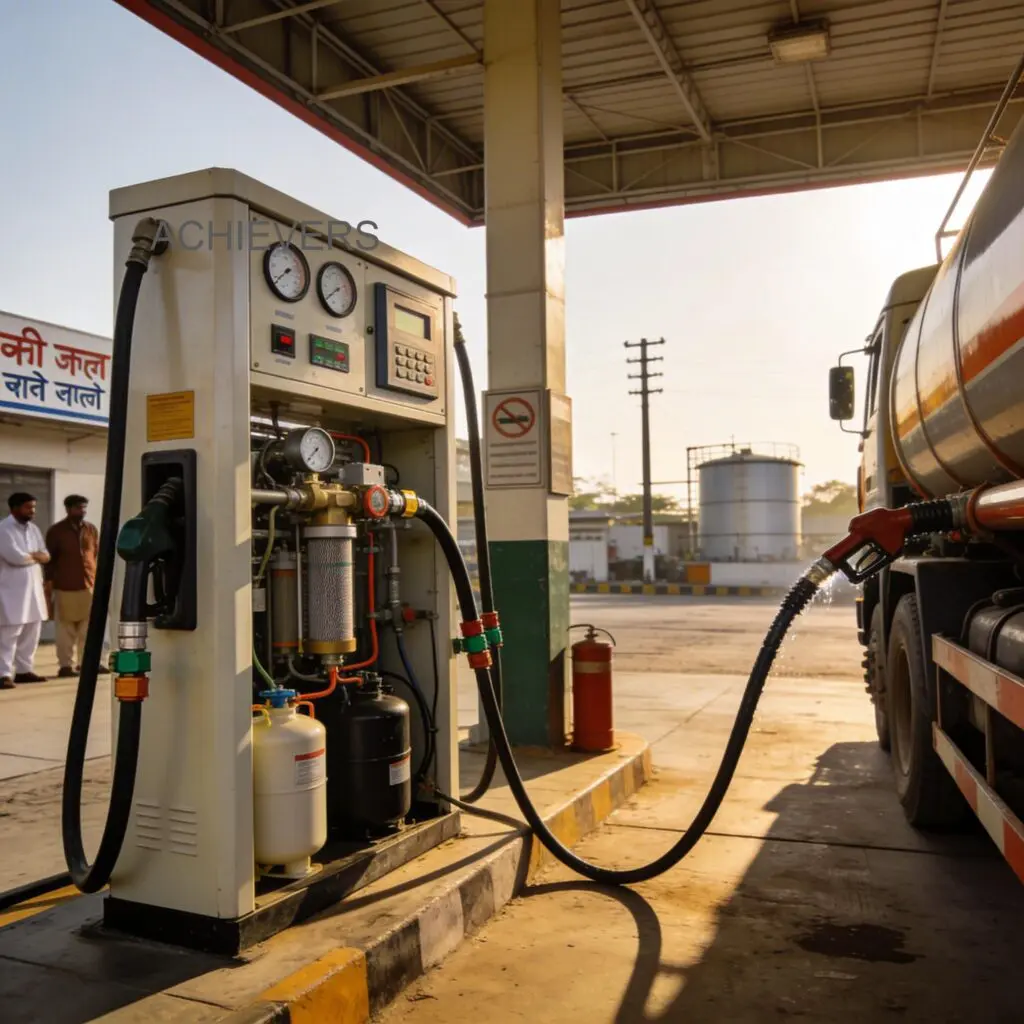
In volatile environments, prioritizing industrial fuel dispenser safety features flameproof earthing spill control is a strict regulatory necessity. Indian plants handling Class B petroleum products must utilize systems with flameproof, ATEX/PESO-compliant electrical enclosures to eliminate the risk of sparks igniting fuel vapors. Proper earthing mechanisms prevent static charge buildup during high-speed fluid transfer. Spill control is achieved through automatic shut-off nozzles and breakaway couplings on the hose, ensuring that accidental drive-offs do not result in catastrophic tank ruptures or environmental contamination.
Filtration and hose management also dictate equipment lifespan. Inline water separators and particulate filters protect both the dispenser’s internal meter and the receiving vehicle’s engine from sludge and rust. Meanwhile, self-retracting hose reels prevent heavy delivery hoses from being run over or degraded by UV exposure and ground debris.
Total Cost of Ownership (TCO) Evaluation Checklist
When analyzing fuel dispenser price and specification in India, procurement teams must look far beyond the initial capital expenditure. Use this practical checklist to accurately estimate TCO and compare configurations before issuing a purchase order:
- Capital Cost vs. Included Configuration: Does the quoted price include essential accessories like the delivery hose, automatic nozzle, preset keypad, and printer, or are these expensive add-ons?
- Spares and Consumables: Are genuine components (rotary vanes, O-rings, particulate filters) locally stocked by the manufacturer? What is the annual cost of replacing internal strainers and filters?
- Calibration Frequency and Costs: How often does the meter require recalibration to maintain strict accuracy standards? Factor in the cost of certified technicians performing this routine service.
- Maintenance & AMC Options: Does the supplier offer a comprehensive Annual Maintenance Contract (AMC)? Regular factory-supported maintenance dramatically minimizes costly emergency downtime.
- Downtime Risks: If the dispenser breaks down, what is the cost of idle fleet vehicles or generator outages? Investing slightly more upfront in a robust, reliable brand mitigates immense downtime losses.
3. Selection / configuration guide
Selecting the ideal equipment configuration guarantees long-term performance and seamless integration into your existing infrastructure. Industrial buyers must match the mechanical and electronic capabilities of the Fuel Dispenser to their site-specific fluid handling architecture.
How to select capacity, flow, and materials:
- Identify Tank Sizes: Calculate the average fuel tank capacity of the vehicles you are servicing. If most vehicles require over 200 liters, prioritize high-flow models.
- Choose the Right Power Supply: Select 220V AC or 415V AC for fixed plant installations. For mobile refueling tanks mounted on truck chassis, select 12V or 24V DC battery-operated units.
- Determine Metering and Display Types: Choose heavy-duty mechanical registers for highly rugged, remote sites where digital displays might suffer from extreme heat or vandalism. Opt for digital preset displays when data tracking and automation are required.
- Select Mounting Infrastructure: Decide between pedestal-mounted units (ideal for dedicated concrete fueling islands), wall-mounted cabinets (for space-constrained setups), or skid-mounted systems (integrated directly with the bulk storage tank).
What details to communicate to your fuel dispenser manufacturer in India during an enquiry:
- The exact type of fluid to be handled (e.g., High-Speed Diesel, Biodiesel blends, Kerosene).
- Expected daily dispensing volume and peak hourly usage patterns.
- Required length for the delivery hose and whether a heavy-duty, spring-rewind hose reel is needed for safety.
- Site environmental conditions (e.g., highly dusty mining zones, high-humidity coastal areas, extreme temperature fluctuations).
- Any specific safety compliance certificates required for hazardous area classifications.
4. Typical applications
The inherent versatility of this dispensing equipment allows it to be deployed effectively across a wide spectrum of demanding industrial environments:
- Commercial Fleet Yards and Logistics Hubs: Operating as dedicated refueling stations for transport trucks, buses, and delivery vehicles, ensuring that fleet managers have highly accurate route cost calculations and fuel logs.
- Construction and Mining Sites: Supplying high-volume diesel to excavators, wheel loaders, and heavy dump trucks in remote, off-grid environments using mobile bowser-mounted or skid-mounted units.
- Manufacturing and Processing Facilities: Providing captive fueling for internal material handling equipment, such as diesel forklifts, and ensuring large-scale backup Diesel Generator (DG) sets are kept perfectly topped up to prevent power outages.
- Railways and Maritime Ports: Utilizing ultra-high-flow dispensing systems for refueling marine vessels, diesel locomotives, and massive portside container handling equipment efficiently.
- Large-Scale Agriculture: Supplying fuel safely to tractors, combine harvesters, and processing equipment on extensive agricultural estates without relying on hazardous manual pouring methods.
5. Service, installation, and support
Even the most accurately engineered industrial equipment requires professional installation and ongoing support to maintain its performance over time. Proper site commissioning is vital; suction lines must be correctly sized and installed to prevent air ingress and cavitation, which can severely damage the internal pump and skew meter readings. Utilizing authorized technicians for installation guarantees that all electrical connections strictly meet flameproof standards and that static earthing protocols are properly implemented.
Continuous operational reliability relies heavily on scheduled preventative maintenance. Implementing a strict fuel dispenser maintenance and calibration checklist is essential for plant managers. Routine tasks should include cleaning internal strainers, checking drive belts, inspecting hoses for micro-leaks, and testing the automatic nozzle shut-off mechanism.
Furthermore, the metering unit must be recalibrated periodically to maintain its certified accuracy. Over months of heavy use, mechanical wear within the flow meter can cause slight drift. Routine calibration prevents the facility from inadvertently dispensing more fuel than is recorded, protecting profit margins. Partnering with a trusted manufacturer ensures that your equipment is backed by precise factory calibration, readily available local spares, and a dedicated Annual Maintenance Contract (AMC) to safeguard your investment.
Ensure your industrial operations are supported by reliable, highly accurate fluid management systems. To get a precise quote and technical recommendation, contact our engineering team with your specific requirements. Please share your required flow rate, intended application, daily usage volumes, and site conditions so we can configure the exact system for your facility's long-term success.
