
















Efficient fuel management is the backbone of operational success for industries ranging from logistics and construction to manufacturing and mining. In the Indian industrial landscape, where fuel costs constitute a significant portion of operating expenses, the ability to dispense, monitor, and manage fuel with absolute precision is not just a convenience—it is a financial necessity. For maintenance managers and fleet operators, the challenge lies in selecting equipment that withstands harsh site conditions while delivering consistent data. This starts with the core piece of hardware: the Fuel Dispenser.
Unlike commercial retail pumps found at petrol stations, industrial dispensing units are designed for rugged, internal consumption use. They must handle high volumes, varying power supplies, and aggressive environments while maintaining tight accuracy tolerances. Choosing the right fuel dispenser manufacturers in India is the first step, but understanding how to configure the equipment for industrial fuel dispenser efficiency is where the real operational gains are made. This guide explores the technical nuances of selecting and operating these systems to maximize uptime and minimize inventory losses.
1. What This Product Does: Technical Specifications and Features
At its core, the Chintan Engineers Fuel Dispenser is an integrated system engineered for the safe transfer and measurement of hydrocarbon fuels, primarily diesel, kerosene, and light oils. It is designed to act as the custody transfer point between your bulk storage (such as an underground or above-ground tank) and your mobile assets or machinery.
The system is not merely a pump; it is a calibrated instrument that combines several critical subsystems into a unified, weather-proof housing. Based on standard industrial configurations, the unit typically includes:
- Pumping Unit: A high-suction, heavy-duty pump capable of lifting fuel from storage tanks. These pumps are designed to be self-priming and equipped with internal bypass valves to prevent over-pressurization when the nozzle is closed.
- Metering Assembly: The heart of the dispenser, ensuring volumetric accuracy. This component measures the exact amount of fluid passing through the system, often utilizing positive displacement technology or high-precision flow sensors to ensure repeatability.
- Filtration System: Given that industrial fuel storage often accumulates sediment or moisture, the dispenser includes integrated filtration to protect vehicle engines and ensure that the meter reading is not skewed by particulates.
- Display and Control: Options generally range from mechanical analog counters (known for durability in remote areas without stable power) to sophisticated digital electronic displays that allow for preset dispensing and data integration.
The build quality focuses on longevity. The outer casing is typically fabricated from powder-coated steel or stainless steel to resist corrosion from humidity and fuel exposure. The internal components are compatible with diesel and petrol, ensuring that seals and gaskets do not degrade over time, which is a common failure point in inferior systems.
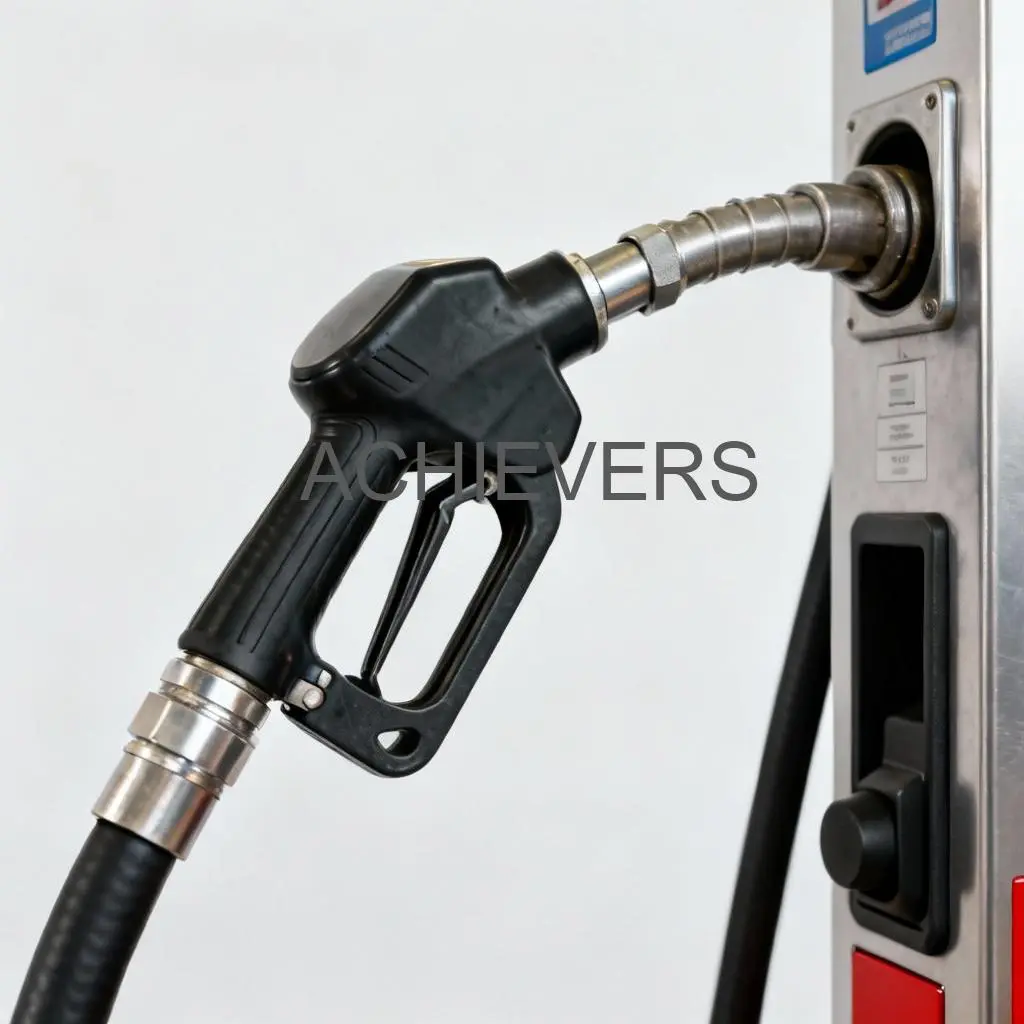
2. Optimizing Efficiency: Balancing Flow Rate and Accuracy
This section guides industrial buyers in India on how to balance flow rate, accuracy, and configuration when selecting and operating fuel dispensers for diesel, petrol, or kerosene. It will help maintenance managers and fleet operators understand how to optimize fuel dispenser accuracy while ensuring compliance and minimizing downtime.
The Flow Rate vs. Accuracy Trade-off
One of the most critical decisions a facility manager must make is determining the appropriate diesel dispenser flow rate. There is often a misconception that "faster is better." While high-flow dispensers (e.g., 80 to 120 Liters Per Minute) are excellent for reducing the turnaround time of large trucks or earthmoving equipment with massive fuel tanks, they may not be suitable for all applications.
If a high-flow Fuel Dispenser is used to fill smaller vessels or equipment with complex filler necks, two issues arise:
- Foaming and Splash-back: High velocity causes diesel to foam, which can prematurely trigger the nozzle's automatic shut-off feature. This results in "short fills," where the tank appears full but is actually partially filled with air bubbles, leading to more frequent refueling stops and operational inefficiency.
- Metering Accuracy at Low Speeds: If an operator throttles a high-flow nozzle down to a trickle to top off a tank, the flow meter may drop below its minimum linear range. While Chintan Engineers’ products are calibrated for wide turndown ratios, consistently operating a high-capacity pump at minimum output can stress the bypass valve and slightly degrade measurement precision over time.
Configuration for Compliance and Uptime
For fleet operators, industrial fuel dispenser efficiency isn't just about speed; it's about reliable data. Electronic configurations offer "Preset" capabilities, allowing the operator to input exactly 50 or 100 liters. The dispenser slows down the flow automatically as it reaches the target, ensuring the final drop is precise. This prevents overfilling and spillage, which is both an environmental hazard and a financial loss.
Furthermore, integrating the dispenser with a Fuel Management System (FMS) allows for automated authorization. In this setup, the dispenser will not activate until a valid vehicle tag or driver ID is scanned. This eliminates unauthorized usage—a common source of fuel shrinkage in large industrial yards.
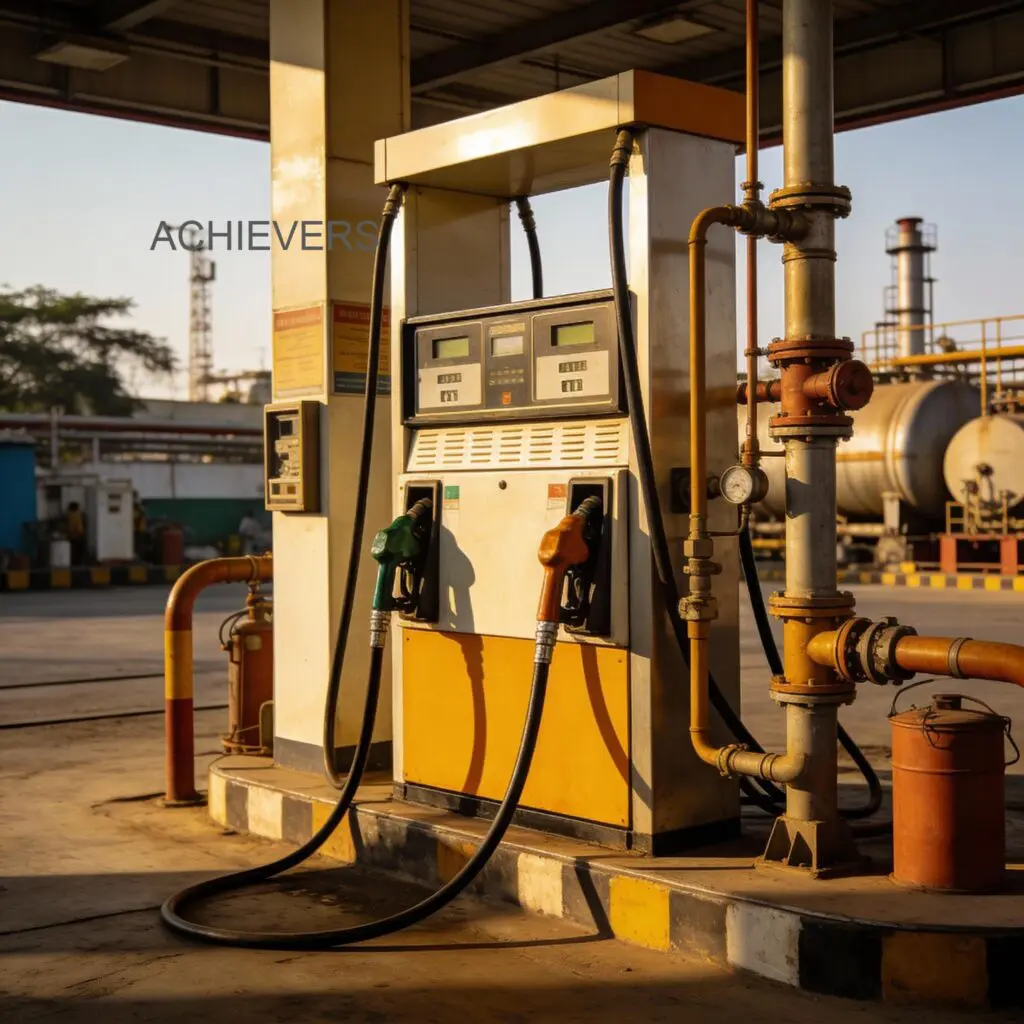
3. Selection and Configuration Guide
Selecting the correct Fuel Dispenser requires a detailed audit of your site conditions and operational goals. A "one size fits all" approach often leads to premature equipment failure or operational bottlenecks. Here is how industrial buyers should approach the specification process.
Assessing Capacity and Fluid Type
- Standard Speed (40-50 LPM): Ideal for cars, light commercial vehicles (LCVs), and small generators. This flow rate allows for easy handling and minimizes splash-back in smaller tanks.
- High Speed (70-90 LPM): The standard for heavy trucks, buses, and standard construction machinery. It strikes a balance between speed and control.
- Ultra-High Speed (120+ LPM): Necessary for mining dump trucks, locomotives, and massive gensets where tank sizes exceed 500 liters.
Power Supply and Mounting Options
Industrial sites in India often face power challenges. You must communicate your available power infrastructure to the manufacturer:
- AC Versions (220V Single Phase / 415V Three Phase): Standard for fixed installations in depots or factories. Three-phase motors generally offer better longevity for continuous duty cycles.
- DC Versions (12V / 24V): Crucial for mobile bowsers or service trucks. These allow the dispenser to run off the vehicle's battery, providing fuel dispensing solutions for industrial use in remote locations where grid power is unavailable.
Buyer Checklist for Enquiries
When contacting a supplier, having the following information ready will ensure you receive an accurate quotation and configuration:
- Fluid to be dispensed: Diesel, Petrol, Kerosene, or Bio-diesel blends? (This affects seal materials).
- Suction Type: Do you need a built-in suction pump (for underground/above-ground tanks), or is the fuel being fed by a submersible turbine pump (pressure type)?
- Display Preference: Mechanical register (analog) for simplicity, or Digital for FMS integration?
- Filtration Needs: Standard mesh strainers or additional water separators (recommended for humid climates)?
- Mounting: Wall-mounted, pedestal/skid-mounted, or tank-mounted?
4. Typical Applications
The versatility of the Fuel Dispenser makes it a staple across various sectors in the Indian economy. By utilizing high-quality components and precision engineering, these units serve critical roles in:
Fleet Logistics and Transport
The most common application is a private consumer pump for logistics companies. By installing an on-site dispenser, transport companies can purchase fuel at bulk wholesale rates rather than retail prices. A fuel dispenser for fleet refueling allows for centralized tracking of consumption per vehicle, helping managers identify trucks with poor mileage or potential theft issues.
Construction and Infrastructure Projects
Remote construction sites for highways or dams cannot send excavators to the nearest petrol pump. Mobile fuel bowsers equipped with DC-powered dispensers travel to the machinery. These dispensers must handle high vibration and dust exposure while delivering accurate fueling logs to project managers.
Manufacturing and Backup Power
Factories with large diesel generators (DG sets) require reliable fueling systems. Dispensers are used to transfer fuel from bulk storage yards to day tanks or directly to the generator belly tanks. In these applications, reliability is paramount; a failure in the fueling system during a power outage can halt production lines.
Mining and Earthmoving
In the mining sector, downtime costs are calculated in lakhs per hour. Heavy-duty dispensers with high flow rates are deployed to refill massive dumpers and excavators during short shift breaks, ensuring maximum equipment utilization.
5. Service, Installation, and Support
Even the most robustly engineered Fuel Dispenser requires proper installation and maintenance to retain its accuracy and reliability. Chintan Engineers emphasizes a lifecycle approach to product support.
Installation Best Practices
For fixed installations, the dispenser should be mounted on a raised concrete plinth to protect it from water accumulation during monsoons. The suction lines must be correctly sized; an undersized pipe will cause cavitation, damaging the pump and causing air locks. Additionally, using a check valve (foot valve) in the tank is essential to maintain prime, ensuring the pump doesn't run dry on startup.
Calibration and AMC
Over time, mechanical wear or electronic drift can slightly alter the measurement accuracy. To maintain industrial fuel dispenser efficiency, regular calibration checks using a certified standard 5-liter or 10-liter measure are recommended.
- Verification: Periodic testing ensures the display matches the actual output.
- Adjustment: If a drift is detected, the metering unit can be recalibrated by a technician to return it to factory tolerances.
Engaging in an Annual Maintenance Contract (AMC) ensures that filters are cleaned, belts are tensioned (for belt-driven pumps), and seals are inspected before they fail. Using genuine spares is critical; generic aftermarket parts often lack the precise tolerances required for fuel handling, leading to leaks or metering errors.
Conclusion
Investing in a high-quality Fuel Dispenser is an investment in operational control. Whether you are managing a fleet of trucks or ensuring uninterrupted power for a manufacturing plant, the right equipment configuration prevents fuel theft, reduces downtime, and ensures every drop purchased is accounted for. By balancing flow rate requirements with metering accuracy and choosing a partner known for engineering precision, industrial buyers can secure long-term value and efficiency.
Contact Chintan Engineers today to discuss the optimal configuration for your site requirements.
