
















For industrial operations across India, diesel is not just a fuel source; it is a significant operational expense that directly impacts the bottom line. Whether managing a logistics fleet in Mumbai, a mining operation in Odisha, or a manufacturing plant in Gujarat, the precise measurement of fuel intake and consumption is critical for controlling costs and preventing pilferage. In high-volume transfer applications, even a small percentage of measurement error can translate into substantial financial losses over time. This makes the role of a high-precision Diesel Flow Meter indispensable.
Industrial environments demand equipment that goes beyond basic functionality. The equipment must withstand harsh operating conditions, varying flow rates, and the rigorous demands of continuous duty cycles. For plant managers and engineers, selecting the right measurement tool is about balancing accuracy with durability. This article provides an in-depth look at flow measurement technology, specifically tailored for the demanding requirements of the Indian industrial sector.
1. What This Product Does
A Diesel Flow Meter is a specialized precision instrument designed to measure the volumetric flow rate of diesel fuel moving through a pipeline. Unlike standard water meters, these devices are engineered to handle the specific viscosity and chemical properties of hydrocarbon fuels. They serve as the "cash register" for fuel transfers, providing verified data on exactly how much fuel has been offloaded from a tanker, dispensed into a vehicle, or consumed by a generator.
At its core, the product functions by converting the kinetic energy of the flowing fluid into measurable mechanical or electrical signals. The internal mechanism—often based on positive displacement or turbine technology depending on the specific model configuration—captures discrete volumes of fluid. This data is then displayed via a mechanical counter or a digital display, offering users immediate visibility into flow totals.
Key Technical Capabilities:
- Volumetric Measurement: Accurately tracks total liters dispensed with high repeatability.
- Flow Range Versatility: Engineered to handle both low-flow trickles and high-volume bulk transfers, ensuring flexibility across different stages of the fuel supply chain.
- Robust Construction: Built with industrial-grade materials to resist corrosion, vibration, and mechanical shock common in industrial depots.
- Readout Options: Available with cumulative totalizers (non-resettable) for lifetime tracking and batch counters (resettable) for individual transaction monitoring.
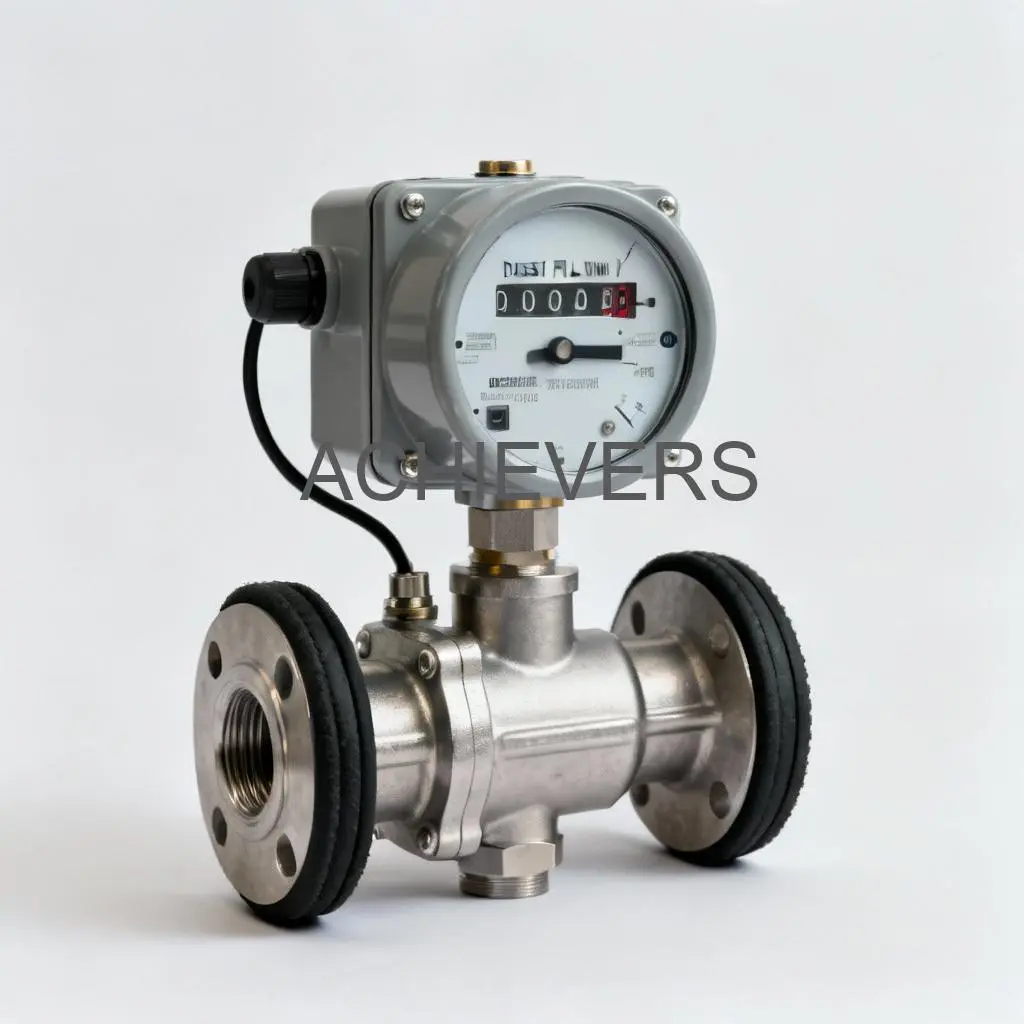
As leading diesel flow meter manufacturers in India, the focus is on delivering instrumentation that maintains linearity across a specified flow range. This ensures that whether the pump is running at full capacity or throttling down, the measurement remains trustworthy.
2. High-Volume Performance in Industrial Applications
When moving fuel in bulk—such as at loading gantries, railway sidings, or large fleet depots—standard metering equipment often falls short. This blog explores how diesel flow meters perform under demanding high-flow conditions in Indian industrial environments, such as bulk fuel depots, loading gantries, and large fleet operations. It highlights accuracy, calibration, output options, and considerations for selecting the right flow meter model based on flow rate, viscosity, and installation requirements.
High-volume transfer creates unique hydraulic challenges. As flow rates increase, so does the potential for pressure drop and cavitation. A robust Diesel Flow Meter is designed to minimize pressure loss while maintaining high accuracy. For high accuracy diesel flow meter for bulk transfer applications, positive displacement (PD) technology is often preferred. PD meters segment the flow into precise pockets of liquid, ensuring that viscosity changes (common with diesel at different temperatures) do not significantly impact the measurement accuracy.
Accuracy and Calibration:
In high-volume applications, an error of 0.5% can represent hundreds of liters of unaccounted fuel per week. Industrial diesel flow meters are subjected to rigorous calibration processes to ensure they meet strict accuracy standards (typically ±0.5% or better depending on the model). In India, where ambient temperatures can vary drastically between day and night, the meter’s ability to handle thermal expansion and viscosity shifts is vital.
- Repeatability: This is the meter's ability to provide the same reading for the same flow conditions multiple times. In high-frequency loading operations, repeatability is often more critical than absolute accuracy.
- Linearity: The meter maintains its accuracy curve across the minimum and maximum flow ratings, ensuring reliable data during pump startup and shutdown phases.
Output and Automation Options:
Modern industrial operations are increasingly moving toward automation. While mechanical registers are excellent for durability and ease of use in remote areas, many high-volume facilities require integration with Fuel Management Systems (FMS).
- Pulse Output: The diesel flow meter can be equipped with pulse transmitters that send digital signals to a PLC or remote computer.
- 4-20mA Signals: For continuous flow rate monitoring and process control.
- Local Display: Large, easy-to-read digits are essential for operators working in outdoor gantries where visibility might be compromised by glare or dust.
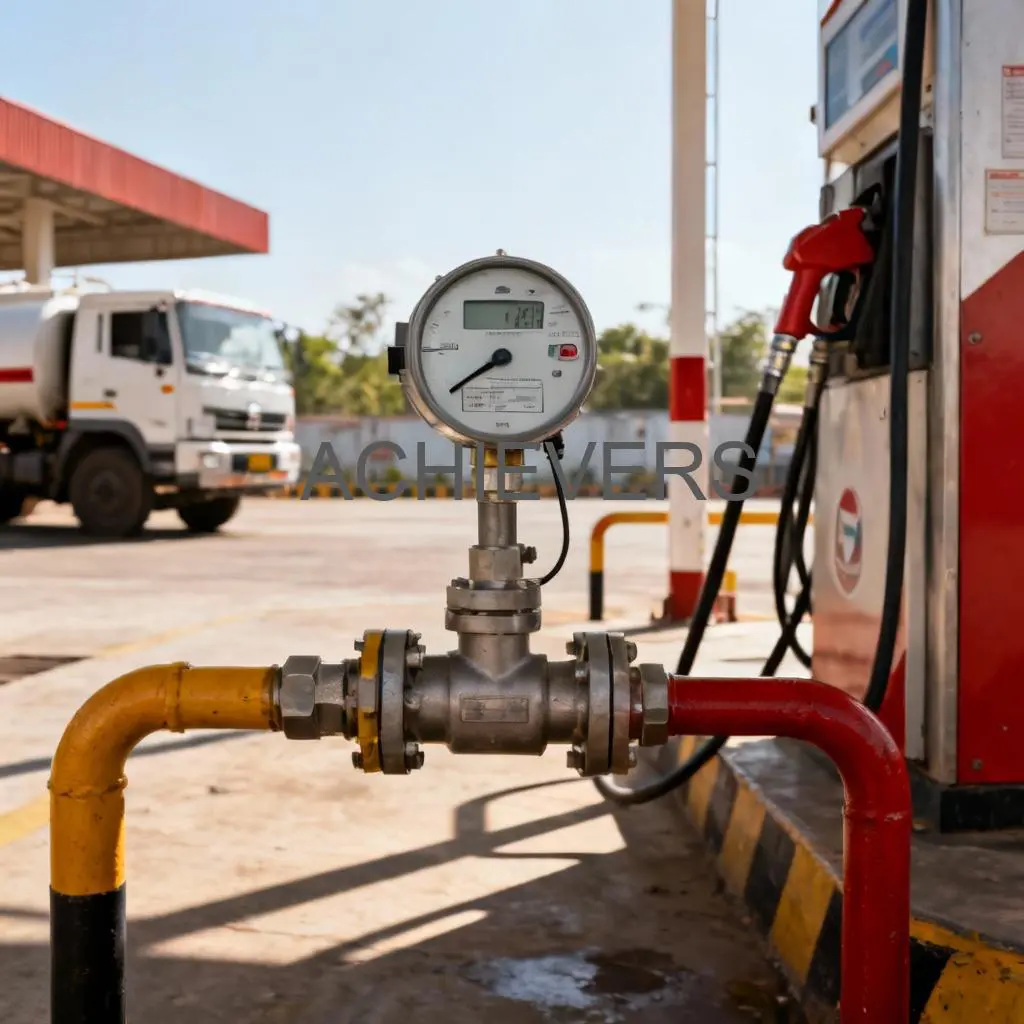
For diesel flow meter for fleet fueling, the equipment must handle the start-stop nature of dispensing fuel to trucks and buses. The meter must respond instantly to nozzle closure to prevent "over-spin" or counting air, which would lead to billing discrepancies.
3. Selection and Configuration Guide
Selecting the correct diesel flow meter is not a "one size fits all" process. Engineers and procurement managers must evaluate several technical parameters to ensure the chosen device offers long-term reliability. A positive displacement diesel flow meter India sourcing strategy should prioritize the specific hydraulic conditions of the site.
Key Selection Criteria:
- Flow Rate Range:
- Do not just look at the maximum flow rate; consider the minimum. If a meter is rated for 20–120 LPM but your application frequently runs at 10 LPM, accuracy will suffer.
- Select a meter size where your normal operating flow rate falls within 40% to 80% of the meter’s maximum capacity. This reduces wear on internal components (gears, discs, or rotors).
- Fluid Viscosity and Temperature:
- Diesel viscosity changes with temperature. In colder regions of Northern India, diesel thickens, which actually improves the performance of positive displacement meters (less slippage). However, in high-heat environments, lower viscosity might require tighter internal tolerances.
- Ensure the seal materials (Viton, Buna-N, or Teflon) are compatible with the specific fuel grade and additives used.
- System Pressure:
- Check the maximum operating pressure of the line. A meter installed on a gravity-feed system has different requirements than one installed downstream of a high-pressure centrifugal pump.
Configuration Checklist for Buyers:
- Line Size: Match the meter connection (1”, 1.5”, 2”, etc.) to your piping, but prioritize flow capacity over pipe diameter. Reducers can be used if the ideal meter has a smaller port than the pipe.
- Register Type:
- Mechanical: Best for remote sites, mobile bowsers, and hazardous areas where power is unavailable.
- Digital: Best for indoor plants, precise batching, and integration with SCADA systems.
- Orientation: Determine if the meter needs to be installed horizontally or vertically. Some measuring chambers are position-sensitive.
- Filtration: Fuel flow measurement for industrial applications invariably requires protection. Always specify a strainer or filter upstream of the meter to prevent debris from damaging the measuring chamber.
4. Typical Applications
The versatility of the diesel flow meter allows it to be deployed across a wide spectrum of Indian industries. While the primary function remains the same—measuring fuel—the operational context varies significantly.
Logistics and Transportation:
Fleet operators managing trucks, buses, or construction equipment utilize these meters in "home-base" refueling stations. Accurate metering here prevents theft and allows managers to calculate the exact Kilometers Per Liter (KPL) for each vehicle, identifying inefficiencies or engine issues early.
Manufacturing and Power Generation:
Diesel Generators (DG sets) are the lifeline of Indian manufacturing during power outages. Installing a flow meter on the fuel supply line to a DG set allows facility managers to monitor consumption rates versus power output. This is crucial for verifying the efficiency of the generator and detecting fuel return line irregularities.
Mobile Bowsers and Refueling Trucks:
For construction sites and mines, fuel is often delivered via mobile bowsers. A rugged, mechanical diesel flow meter is standard equipment on these vehicles, allowing for custody transfer at the point of delivery—often in the middle of a dusty excavation site.
Bulk Fuel Depots:
At the top of the supply chain, depots use large-capacity meters for loading tanker trucks. These applications require high-throughput capability to minimize turnaround time for logistics partners.
5. Service, Installation, and Support
Even the highest quality industrial diesel flow meter selection guide is useless without proper installation and maintenance. The longevity of the equipment is directly tied to how it is commissioned and maintained.
Installation Best Practices:
- Air Elimination: Air pockets in the fuel line are the enemy of accuracy. As the air passes through the meter, it spins the mechanism, registering as fuel. This leads to "phantom" readings. Installing an air eliminator upstream is highly recommended for high-accuracy applications.
- Strainers: Industrial diesel often contains particulate matter, rust, or tank sludge. A strainer mesh (typically 40 to 80 mesh) must be installed before the meter inlet. If a solid particle jams the rotor or gear, the meter will stop, potentially blocking the flow entirely.
- Straight Run Piping: While PD meters are generally less sensitive to turbulence than turbine meters, maintaining 5-10 pipe diameters of straight pipe before the meter inlet helps stabilize the flow profile.
Calibration and AMC:
Over time, mechanical wear can cause a slight drift in accuracy. Periodic calibration verification—using a proving can or a master meter—is essential. Reliable manufacturers provide calibration certificates traceable to national standards. Furthermore, engaging in an Annual Maintenance Contract (AMC) ensures that seals, gaskets, and bearings are inspected and replaced proactively, preventing sudden downtime.
Call to Action
Achieving precision in fuel management requires more than just buying a product; it requires engineering the right solution for your specific flow conditions. Whether you are outfitting a new fuel gantry or upgrading a fleet refueling yard, accuracy is your greatest asset.
Contact Chintan Engineers today to configure the ideal metering solution for your facility.
When requesting a quote, please have the following details ready to ensure our engineers select the perfect model for you:
- Fluid Type: (e.g., Diesel, Biodiesel, Kerosene)
- Flow Rate: (Min and Max in LPM or m³/hr)
- Line Size & Pressure: (Pipe diameter and pump pressure)
- Display Preference: (Mechanical or Digital)
- Application: (Gravity feed, Pump transfer, DG set, etc.)
Invest in precision. Invest in reliability. Choose the diesel flow meter trusted by Indian industry.
