
















Managing fleet operations in India’s demanding industrial landscape requires more than just vehicles and drivers; it requires efficient, reliable support infrastructure. One of the most critical aspects of fleet management is fuel logistics. For industries ranging from logistics and transport to construction and mining, the ability to refuel vehicles and machinery on-site can significantly reduce downtime and operational costs. This is where a high-quality Mobile Fuel Dispenser becomes an indispensable asset.
However, selecting the right dispensing equipment is not always straightforward. Industrial buyers and fleet managers often face challenges arising from mismatched specifications, environmental incompatibility, or a lack of understanding regarding flow dynamics. In a market flooded with generic options, identifying a solution that offers precise calibration, rugged durability, and reliable after-sales support is essential.
This guide explores the nuances of selecting a mobile diesel dispenser for trucks and heavy machinery. By understanding the technical parameters and avoiding common pitfalls, businesses can ensure they invest in equipment that enhances efficiency and maintains compliance with safety standards.
1. What This Product Does
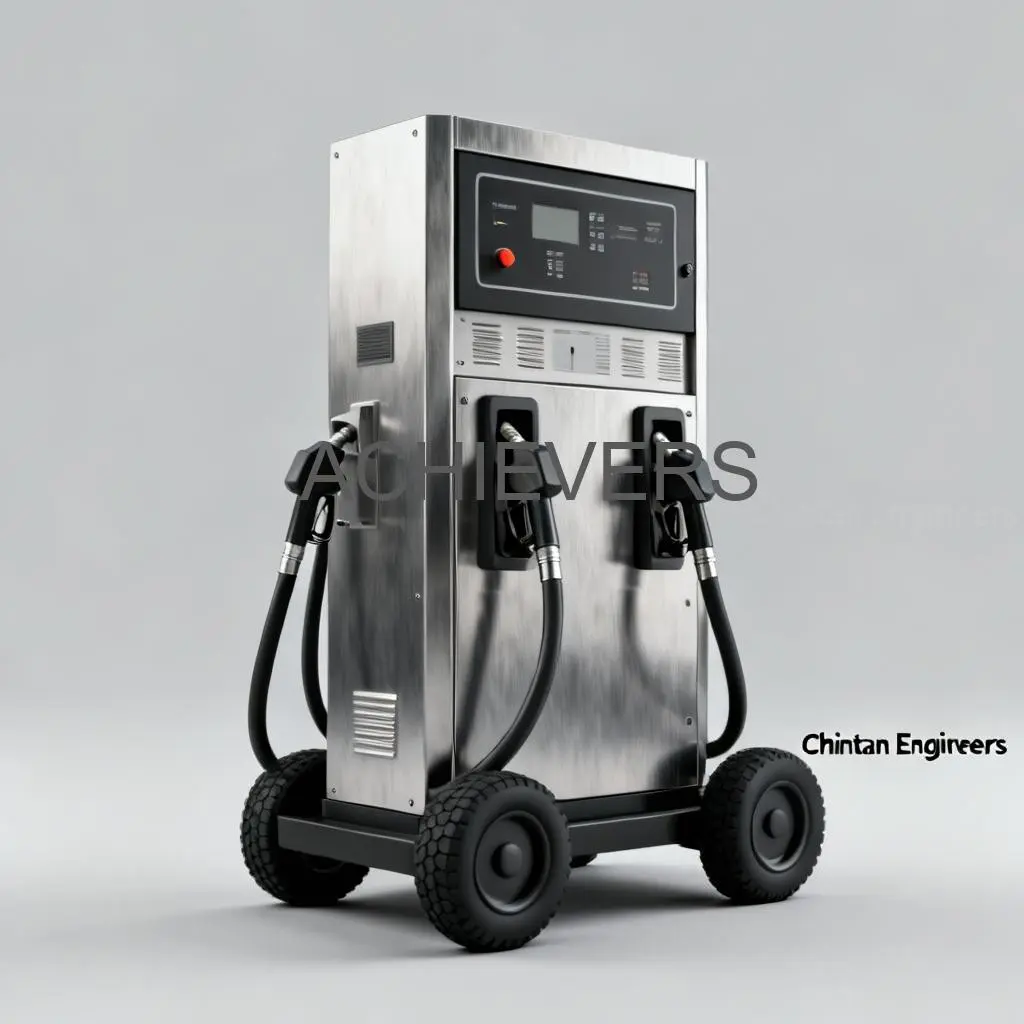
A Mobile Fuel Dispenser is a specialized engineering solution designed to transfer, measure, and manage fuel—primarily diesel—in non-retail, industrial environments. Unlike stationary petrol pump units seen at public filling stations, these dispensers are engineered for mobility and flexibility. They are typically mounted on skids, trolleys, or directly onto mobile tanker vehicles to bring fuel to the equipment, rather than requiring equipment to travel to a fuel station.
Based on the core competencies of Chintan Engineers, these units are manufactured with a focus on high-performance fluid handling. Key functional attributes include:
- Precision Flow Measurement: Integrated flow meters ensure that every drop of fuel dispensed is accounted for. This is crucial for inventory management and preventing pilferage.
- Robust Pumping Systems: The units are equipped with industrial-grade pumps capable of handling diesel transfer duties efficiently.
- Flexible Power Options: These dispensers are designed to operate in varied field conditions, often supporting different power configurations suited for remote sites or vehicle-battery operation.
- Durability: Built to withstand the harsh operating environments of Indian industries, from dusty construction sites to humid coastal logistics hubs.
- Integrated Nozzle and Hose Assembly: Ergonomically designed for ease of use by operators, ensuring safe and spill-free refueling.
The primary goal of this equipment is to provide accurate, reliable, and safe fuel dispensing for fleets, generators (DG sets), and heavy earthmoving machinery.
2. Common Mistakes to Avoid When Choosing a Mobile Fuel Dispenser for Fleet Operations
Selecting the wrong equipment can lead to operational bottlenecks, frequent breakdowns, and inaccurate fuel accounting. When evaluating a Mobile Fuel Dispenser, industrial buyers often overlook critical technical factors. Below are the most frequent errors made during the selection process and how they impact long-term reliability.
Overlooking Power Source Compatibility
One of the most common mistakes is failing to align the dispenser’s power requirements with the available power source at the site.
- AC vs. DC Configuration: Mobile dispensers can be configured for AC power (mains electricity) or DC power (battery operated, typically 12V or 24V).
- The Pitfall: A fleet manager might purchase an AC-powered unit for a remote mining site where no reliable mains electricity exists, necessitating the use of a generator just to run the pump. Conversely, choosing a DC unit for a fixed yard with ample mains power might limit the pumping speed compared to a robust AC motor.
- The Fix: Always verify whether the dispenser will be mounted on a vehicle (requiring DC power from the truck battery) or used at a fixed depot (where AC power is preferable).
Ignoring Flow Rate Requirements
Flow rate, measured in Liters Per Minute (LPM), determines how fast a vehicle can be refueled.
- The Pitfall: Selecting a standard flow rate dispenser for large-capacity fuel tanks (such as those on mining dump trucks or long-haul trailers) results in excessive downtime while waiting for the tank to fill. On the other hand, using a high-flow dispenser for smaller vehicles or gensets can cause fuel splash-back, frothing, and spillage due to excessive pressure.
- The Fix: Calculate the average tank size of your fleet. For heavy trucks, a higher flow rate is essential for efficiency. For mixed fleets, a variable or moderate flow rate ensures safety and versatility.
Neglecting Meter Type and Accuracy
Accuracy is the cornerstone of fuel management. The type of meter integrated into the dispenser dictates how data is read and recorded.
- The Pitfall: Opting for a basic mechanical meter when digital integration is required for fleet management software. While mechanical meters are rugged, they may lack the precision or data output capabilities needed for modern audit trails. Conversely, choosing a delicate digital meter for a site with extreme vibration and no weather protection can lead to electronic failure.
- The Fix: Evaluate whether you need visual verification (mechanical) or data logging capabilities (digital). Ensure the manufacturer provides accurate calibration certificates to guarantee consistency.
Underestimating Environmental Conditions
Indian industrial sites are often dusty, hot, and humid.
- The Pitfall: Buying a generic, light-duty dispenser that is not rated for outdoor or industrial use. Plastic components or non-weatherproof housings can degrade rapidly under UV exposure or corrode in coastal areas.
- The Fix: Look for dispensers built with high-quality materials and protective casings. The "quality workmanship" promised by Chintan Engineers ensures the unit is built to perform under any condition.
3. Selection and Configuration Guide
To ensure you acquire the ideal mobile fuel dispensing solutions for your operations, follow this structured selection guide. Communicating these details to the manufacturer will help in customizing the unit to your exact needs.
Step 1: Define the Operational Mode
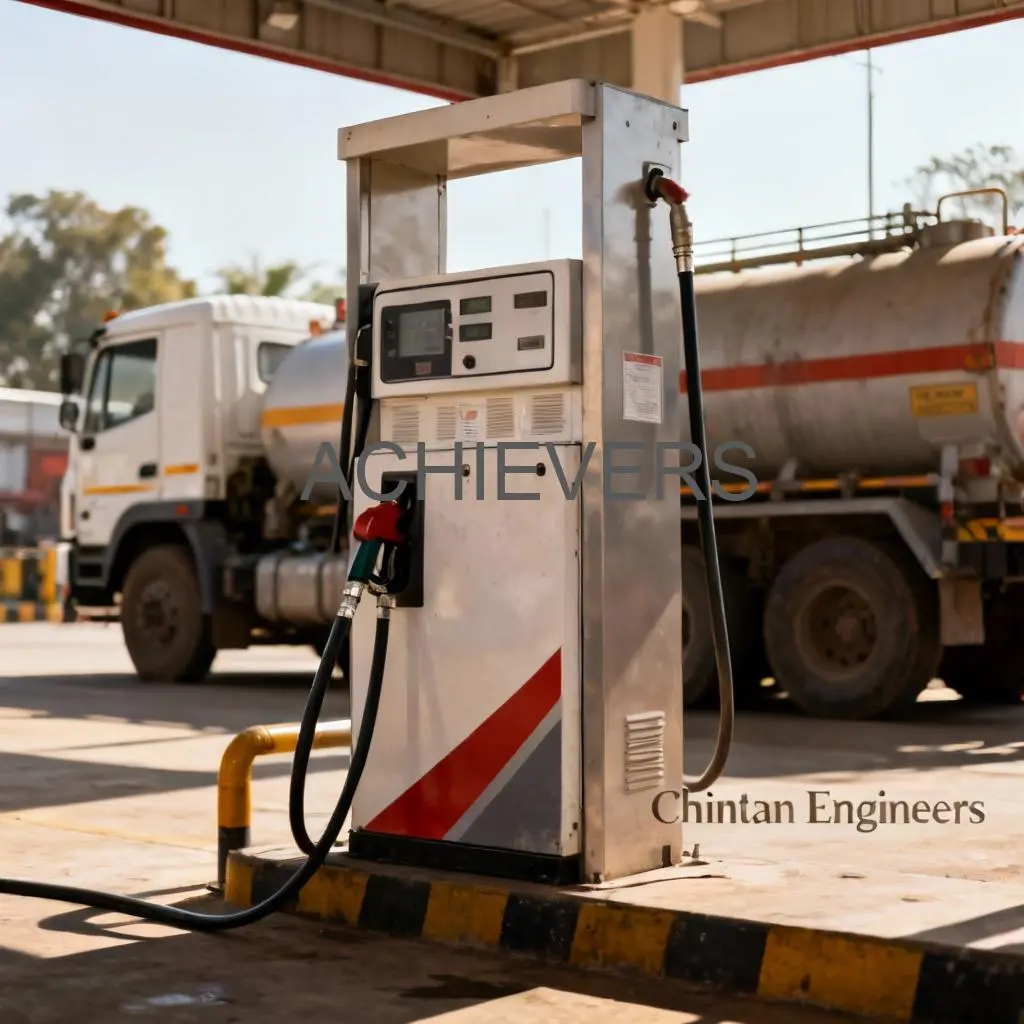
- Stationary vs. Mobile: Will the unit be mounted on a wall/skid at a depot, or will it be installed on a mobile service truck?
- Mounting Style: Mobile fuel dispensers can be trolley-mounted for portability within a yard or fixed-mounted onto a tanker chassis.
Step 2: Determine Technical Specifications
- Fluid Type: confirm the medium is diesel (standard for these units) to ensure seal and gasket compatibility.
- Power Supply: Specify 12V DC, 24V DC, or 230V AC based on availability.
- Required Flow Rate: Estimate the desired LPM based on your largest tank size.
- Metering Preference: Decide between Mechanical (analog counter) or Digital (electronic display) based on your record-keeping needs.
Step 3: Verify Manufacturing Standards
When engaging with diesel dispenser manufacturers in India, ensure they offer:
- In-house Calibration: To guarantee that the meter reading matches the actual dispensed volume.
- Quality Components: Pumps and nozzles should be sourced from reputable lines or manufactured in-house with strict quality control.
- Testing Protocols: Every unit should be tested before dispatch to prevent "dead on arrival" issues.
4. Typical Applications
The versatility of the Mobile Fuel Dispenser makes it suitable for a wide array of industrial sectors in India. Because these units are engineered for reliability and ease of transport, they are the preferred choice for applications where taking the vehicle to a petrol pump is impractical or impossible.
1. Logistics and Transport Fleets
For companies managing hundreds of trucks, downtime is expensive. Installing mobile dispensers at transshipment hubs allows trucks to refuel while loading or unloading, optimizing turnaround times.
2. Construction and Infrastructure Projects
Excavators, cranes, and bulldozers often operate in remote locations far from fuel stations. A mobile diesel dispenser mounted on a service truck can visit each machine on-site, refueling them efficiently without halting work for long periods.
3. Mining and Quarrying
The rugged terrain of mines requires robust equipment. Mobile dispensers are used to refuel heavy earthmovers right at the pit, ensuring continuous operation in harsh, dusty environments.
4. Agriculture and DG Sets
Large farms and industrial facilities with backup diesel generators (DG sets) rely on these dispensers for periodic refueling. The precision metering ensures that fuel consumption data for generators is accurate, helping in cost analysis.
5. Service, Installation, and Support
Even the best-engineered fuel dispensing systems for Indian industries require proper installation and maintenance to sustain their performance. As a manufacturer committed to end-to-end solutions, Chintan Engineers emphasizes the importance of the post-purchase phase.
Installation Best Practices
- Suction Line Integrity: Ensure the suction hose is airtight. Air leaks on the suction side are the #1 cause of pump performance issues and inaccurate meter readings.
- Filtration: Always install a high-quality strainer or filter before the pump inlet. Diesel in field conditions often contains particulate matter that can damage the internal vanes of the pump or jam the flow meter.
- Secure Mounting: Whether on a truck or a wall, the dispenser must be securely bolted to prevent vibration damage during operation.
Calibration and Maintenance (AMC)
Over time, mechanical wear or electronic drift can affect accuracy.
- Periodic Calibration: It is vital to periodically verify the dispenser’s accuracy using a standard measure can.
- Preventive Maintenance: Regular checks of hoses for cracks, cleaning of filters, and inspection of electrical connections prevent unexpected failures.
- Manufacturer Support: Opting for a supplier that offers Annual Maintenance Contracts (AMC) ensures that technical experts are available to service the equipment. Chintan Engineers supports every order with technical expertise, ensuring genuine spares and transparent service communication.
Call to Action
Choosing the right dispensing system is critical for the efficiency and profitability of your fleet. Don't leave your fuel management to chance or generic, ill-fitting equipment.
Get the Right Configuration for Your Site
Contact the technical experts at Chintan Engineers today. To help us configure the perfect Mobile Fuel Dispenser for your needs, please have the following details ready:
- Your preferred power source (12V/24V DC or 220V AC).
- The type of vehicles or machinery you are refueling.
- Your required flow rate preference.
Reach out now for a precision-engineered solution backed by over 15 years of industry trust.
