
















Efficient and precise fluid management is the backbone of many industrial operations in India. Whether you are managing a fleet of transport vehicles, running a chemical processing plant, or overseeing an automotive assembly line, the accuracy of fluid dispensing directly impacts your bottom line. Manual handling of diesel, lubricants, or specialty chemicals often leads to spillage, theft, and inventory discrepancies. To combat these challenges, deploying a robust automation solution is essential.
A high-quality Liquid Batching System eliminates human error by automating the dispensing process. However, purchasing the equipment is only half the battle. ensuring it is commissioned correctly determines whether you achieve 99.9% accuracy or struggle with constant calibration errors. In the harsh and varied site conditions found across India—from dusty logistics yards to humid manufacturing floors—proper installation and commissioning are critical for equipment longevity and operational safety.
1. What this product does
The Liquid Batching System engineered by Chintan Engineers is a precision solution designed for the controlled dispensing of industrial fluids. At its core, this system integrates high-performance flow measurement technology with automated control valves and pumps to deliver exact quantities of fluid, such as diesel, oil, or solvents, into a receiving container or vehicle.
Based on the engineering expertise of Chintan Engineers, these systems are built to withstand demanding environments like logistics hubs, manufacturing plants, and energy sectors. The system typically functions by allowing an operator to preset a specific volume. The batch controller then opens the valve or starts the pump, monitors the flow meter pulses, and shuts off the flow exactly when the target volume is reached.
Key Features and Capabilities:
- Precision Dispensing: Utilizing advanced flow measurement technology, the system ensures accurate calibration and consistency, minimizing giveaway and waste.
- Robust Construction: Designed for industrial durability, these systems are built to perform reliably under tough conditions, suitable for fluids ranging from diesel fuel to viscous lubricants.
- End-to-End Integration: As part of a complete fluid management ecosystem, the batching system can be integrated with pumps, strainers, and existing plant infrastructure.
- Versatile Applications: Capable of handling various flow ranges and fluid types, making it ideal for batching applications in automotive, chemical, and transport industries.
- User-Friendly Control: Features intuitive interfaces for setting batch quantities, ensuring ease of use for operators on the floor.
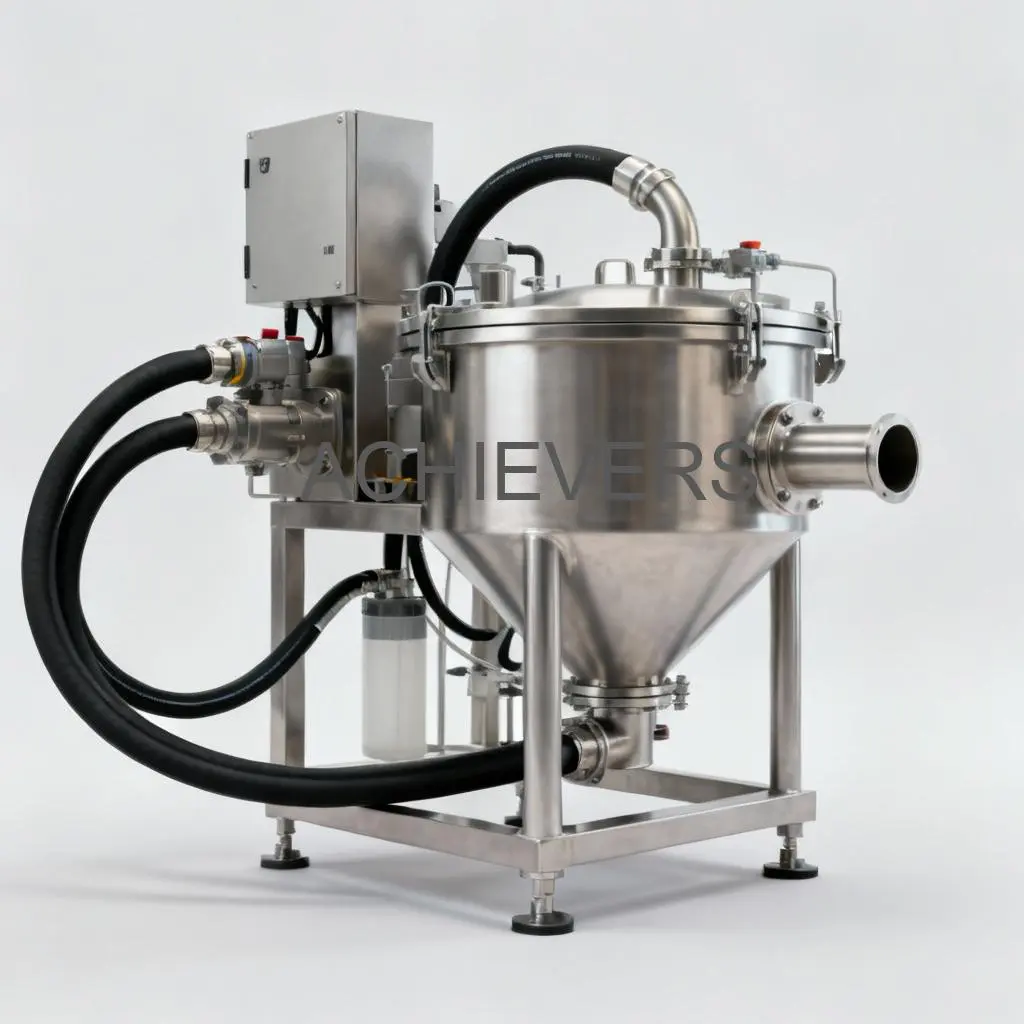
2. This post guides industrial engineers and plant managers through the critical steps to successfully install and commission liquid batching systems used for dispensing diesel, lubricants, and specialty fluids. It covers setup, calibration, output integration, and safety compliance to help ensure accuracy and productivity from day one.
Commissioning a liquid batching system is not a "plug and play" operation; it requires a systematic approach to ensure safety and accuracy. For industrial engineers and plant managers, following a strict liquid batching system commissioning checklist is the best way to prevent startup failures. Below is a comprehensive guide to getting your system online.
Phase 1: Mechanical Installation and Piping
Before the system is powered on, the mechanical setup must be verified. Improper piping is the leading cause of flow meter inaccuracy and pump cavitation.
- Filtration is Mandatory: Ensure a high-quality strainer or filter is installed upstream of the flow meter. Debris, welding slag, or tank rust can instantly damage the precision rotors or pistons inside the meter.
- Air Elimination: Air pockets in the line will be counted as fluid by most flow meters, leading to "air cutting" and false readings. Ensure an air eliminator is present if the supply tank runs empty frequently.
- Straight Run Requirements: Depending on the type of flow meter used (turbine, oval gear, etc.), ensure there is sufficient straight piping before and after the meter to stabilize flow turbulence.
- Leak Testing: Pressure test the entire skid to ensure there are no leaks at flanges or joints. This is critical for industrial batching systems for diesel and lubricants where leaks pose fire hazards.
Phase 2: Electrical and Control Setup
Electronic batch controllers require stable power and proper grounding to function correctly.
- Stable Power Supply: Industrial environments often have "dirty" power with voltage spikes. Use a stabilizer or UPS for the batch controller to preventing memory loss or logic errors.
- Proper Grounding: Static electricity is a major risk, especially with hydrocarbon fuels. Ensure the skid, piping, and electronic enclosure are properly earthed.
- Signal Integrity: Use shielded cables for the connection between the flow meter sensor and the batch controller to prevent electromagnetic interference from nearby motors or VFDs from adding "ghost pulses."
Phase 3: Calibration and Verification
This is the heart of the Liquid Batching System. Even the best factory-calibrated system needs on-site verification due to differences in fluid viscosity and installation conditions.
- Master Measure Check: Use a certified proving tank (master can) to verify the output. Dispense a known volume (e.g., 20 liters) and compare it with the batch controller's reading.
- K-Factor Adjustment: If there is a discrepancy, adjust the K-factor (pulses per liter) in the controller settings. Repeat the test at least three times to ensure repeatability.
- Flow Rate Verification: Ensure the system is operating within the minimum and maximum flow rates specified for the meter. Operating below the minimum flow rate often results in non-linear inaccuracy.
Phase 4: Safety and Automation Integration
For flow batching systems for automotive plants or large depots, safety interlocks are vital.
- Emergency Stop (E-Stop): Test the E-Stop button. It must immediately cut power to the pump and close the solenoid valve.
- Overfill Protection: If filling tanks, integrate a high-level sensor that overrides the batch controller to prevent spills.
- Slow-Down Configuration: Configure the system for two-stage shutoff if available. The valve should throttle down (slow flow) near the end of the batch to prevent hydraulic shock (water hammer) and ensure precise shutoff.
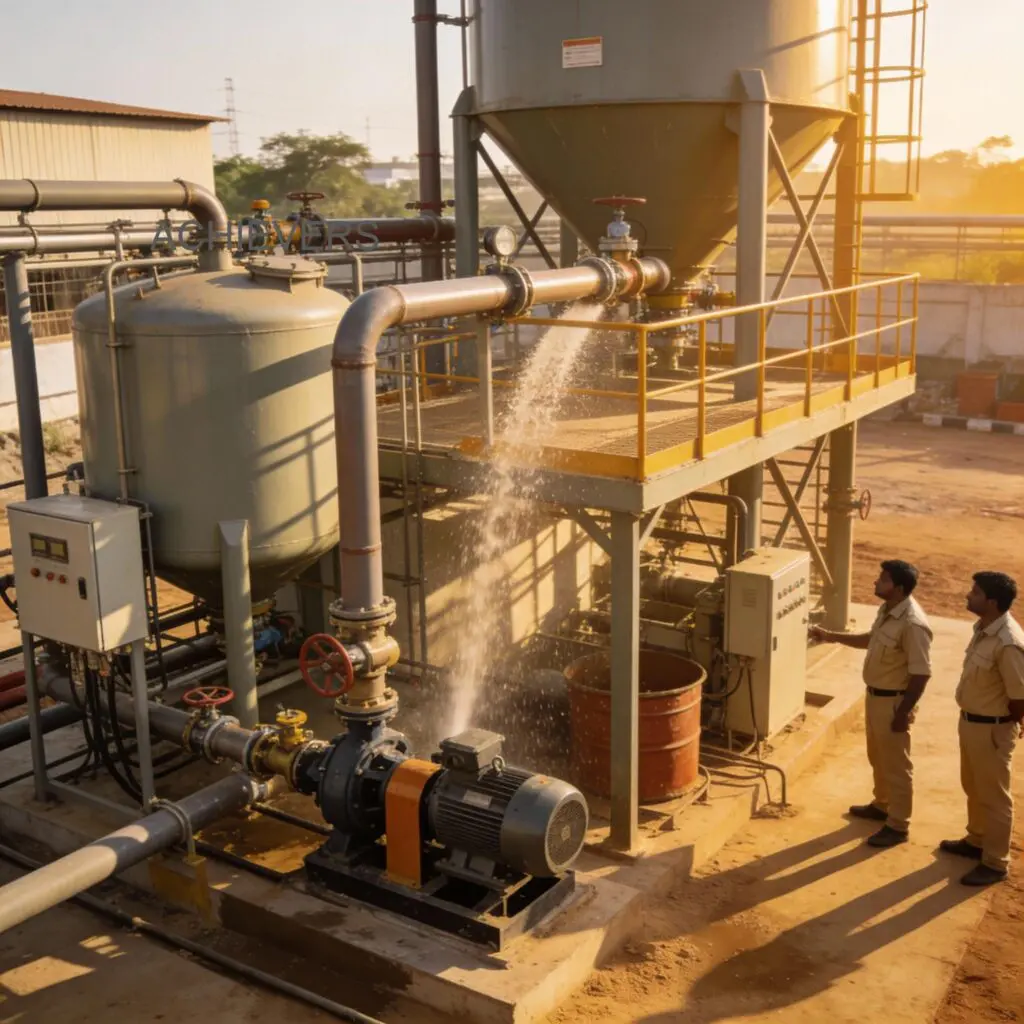
3. Selection / configuration guide
Selecting the right Liquid Batching System requires clear communication between the user and the liquid batching system manufacturers in India. A mismatch between the fluid properties and the system components can lead to premature failure.
Key Selection Criteria:
- Fluid Properties:
- Viscosity: Diesel behaves differently than heavy gear oil. High-viscosity fluids generally require positive displacement flow meters (like oval gear), while low-viscosity fluids might use turbines.
- Corrosiveness: Ensure the wetted parts (materials touching the fluid) are compatible. Stainless steel is preferred for corrosive chemicals, while aluminum or cast iron is often sufficient for fuels.
- Flow Rate Requirements:
- Oversizing the meter leads to poor accuracy at low flows.
- Undersizing creates excessive pressure drop and restricts throughput.
- Define your desired batch time (e.g., "I need to fill 200 liters in 2 minutes") to determine the required flow rate.
- Automation Level:
- Standalone: A simple localized controller on the skid.
- Integrated: Systems that communicate with a central PLC or SCADA via Modbus or 4-20mA signals for remote monitoring and data logging.
What to Specify in Your Enquiry:
- Fluid name and viscosity.
- Operating temperature and pressure.
- Required batch sizes (min and max).
- Available power supply (230VAC, 24VDC, etc.).
- Hazardous area classification (Flameproof vs. Weatherproof).
4. Typical applications
The versatility of the Liquid Batching System allows it to serve a wide range of industries. While the core technology remains consistent, the configuration adapts to the specific needs of the sector.
Logistics and Fleet Management:
For transport companies, fuel and lube batching solutions India are critical for cost control. These systems are used to dispense precise amounts of diesel into trucks, ensuring that fuel issuance matches the trip requirement, thereby reducing theft.
Automotive Manufacturing:
On assembly lines, batching systems are used to fill vehicles with exact quantities of engine oil, coolant, brake fluid, and windshield wash. Precision here is non-negotiable, as overfilling or underfilling can lead to vehicle quality rejection.
Chemical and Paint Industry:
Batching solvents and resins into mixing tanks requires high chemical compatibility and safety. These systems ensure that recipes are followed strictly, maintaining product quality consistency.
Energy and Power Generation:
For backup generators (DG sets), batching systems automate the refilling of day tanks from bulk storage, ensuring continuous power availability without manual intervention or spillage risks.
5. Service, installation, and support
Even the most robust hardware requires proper care. Chintan Engineers emphasizes that batching system installation guide compliance is just the beginning. Long-term reliability relies on regular maintenance and expert support.
Installation Best Practices:
Always use genuine mounting accessories and ensure that pipe supports are adequate to prevent vibration from affecting the flow meter. Vibration can cause mechanical wear and signal noise.
Maintenance and AMC:
- Strainer Cleaning: A clogged strainer changes the pressure profile and stresses the pump. Clean strainers regularly.
- Calibration Checks: It is recommended to verify calibration every 6 to 12 months, or whenever fluid properties change significantly.
- Seal Inspection: Check pump and meter seals for weepage, especially when handling volatile fluids.
Why Choose Established Manufacturers:
Working with experienced liquid batching system manufacturers in India like Chintan Engineers ensures you have access to technical experts who understand the nuances of fluid dynamics. From providing genuine spare parts to offering Annual Maintenance Contracts (AMC), end-to-end support ensures your operations remain uninterrupted. Precision is not just about the product; it is about the sustained performance backed by rigorous testing and quality workmanship.
Ready to Optimize Your Fluid Handling?
Ensure your operations run with maximum efficiency and precision. Contact us today to configure the right solution for your facility. Please provide your fluid type, flow rate requirements, and site conditions, and our engineering team will help you select the ideal system.
