
















In industrial manufacturing and process plants across India, the accurate measurement of fuels and heating fluids is critical for maintaining operational efficiency, controlling energy costs, and ensuring safety. Whether you are managing a boiler feed line, a thermic fluid heater, or a heavy fuel unloading bay, relying on estimations or inaccurate measurement devices leads to significant financial losses over time. High-temperature environments and viscous fluids present unique challenges that standard water or light-oil flow meters simply cannot handle. To achieve reliable, long-term accuracy, plant engineers must select specialized instrumentation engineered specifically for harsh conditions. Investing in robust Oil Flow Meters is the most effective way to eliminate measurement discrepancies, optimize fuel consumption, and maintain uninterrupted production schedules.
1. What this product does
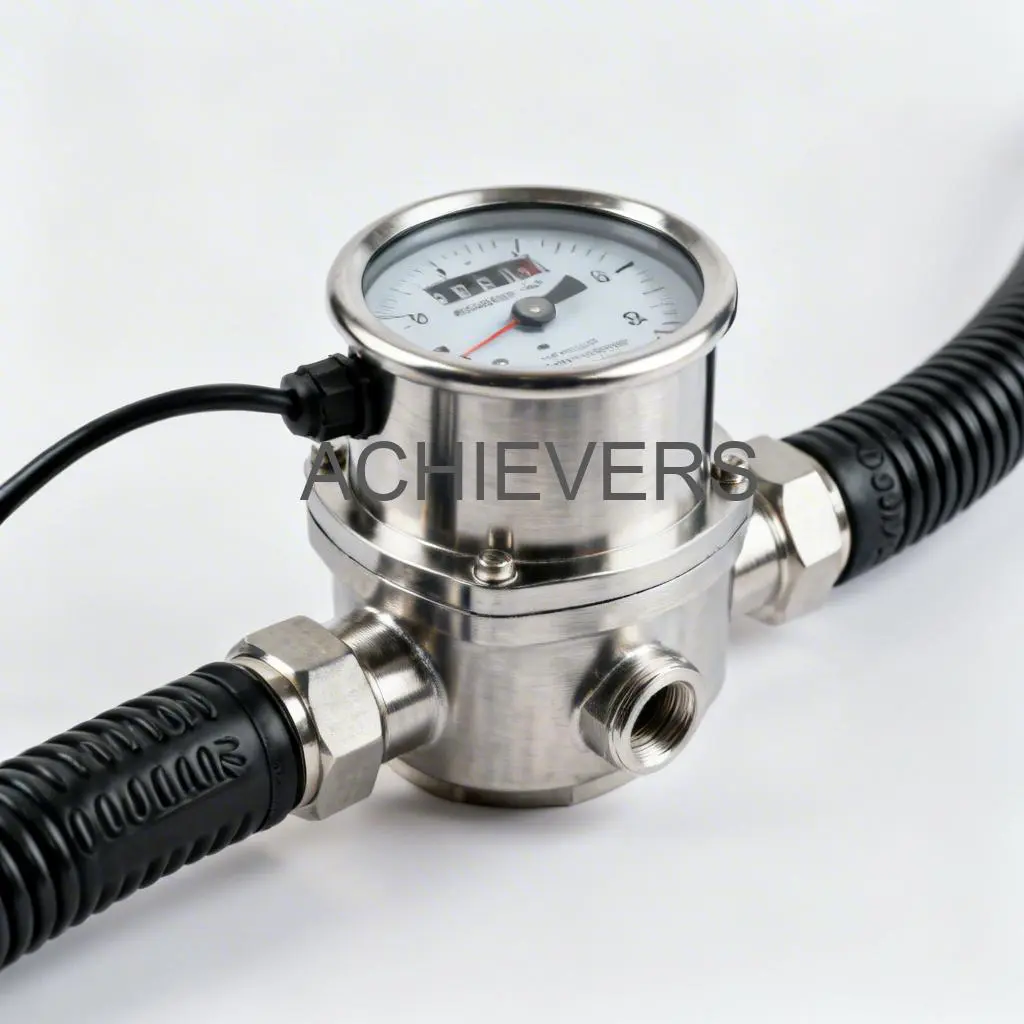
Industrial Oil Flow Meters are highly precise instruments designed to measure the volumetric flow rate of liquid hydrocarbons passing through a pipeline. Utilizing advanced positive displacement (PD) technology—specifically oval gear mechanisms—these meters capture precise volumes of fluid with every rotation of their internal gears. Because they measure discrete volumes rather than relying on fluid velocity, they offer exceptional accuracy, typically rated at ±0.5% of the measured value.
These meters are built to withstand the demanding environments found in heavy industry. They are available in rugged construction materials, including Cast Iron, Cast Steel, and Stainless Steel, ensuring compatibility with varying pressure requirements and fluid corrosivity. Designed to handle a wide spectrum of flow rates, they are manufactured in multiple line sizes, from smaller 15mm lines up to larger 100mm or 150mm pipelines used in bulk transfer.
To meet diverse automation and monitoring needs, Oil Flow Meters can be equipped with different register types. Mechanical registers provide simple, reliable, on-the-spot totalization without the need for external power, making them ideal for remote or hazardous locations. Alternatively, electronic registers and digital transmitters offer pulse or 4-20mA outputs, enabling seamless integration with plant PLCs, SCADA systems, or remote batch controllers. Additional accessories, such as air eliminators and upstream strainers, are often integrated to protect the measuring chamber and ensure that only pure liquid is metered.
2. Choosing Oil Flow Meters for Hot Oil and Furnace Oil Lines: Accuracy and Safety
Selecting an oil flow meter for hot oil line applications requires a deep understanding of fluid dynamics and thermodynamics. High-temperature fluids like furnace oil (FO), heavy fuel oil (HFO), and thermal fluids behave differently than ambient diesel or water. Furnace oil flow meter selection must account for extreme heat and high viscosity, ensuring that the meter remains accurate without posing safety risks to the facility.
Meter Type: Positive Displacement vs. Turbine
When dealing with heavy fuels, a positive displacement oil flow meter for high viscosity oil is the undisputed choice. Turbine meters rely on the velocity of the fluid to spin a rotor; as viscosity increases, the fluid creates drag on the turbine blades, leading to severe accuracy degradation. Conversely, positive displacement meters, particularly oval gear designs, actually perform better as viscosity increases. The thick oil acts as a natural sealant between the gear lobes and the measuring chamber walls, reducing "slippage" (fluid bypassing the gears without being measured) to near zero.
Temperature and Pressure Ratings
Finding a reliable high temperature oil flow meter India requires careful consideration of thermal expansion. In thermal oil systems, fluid temperatures can easily exceed 200°C to 300°C. If a standard flow meter is installed, the internal metal gears will expand due to the heat, eventually seizing against the chamber walls and halting flow. Manufacturers design high-temperature variants with specialized internal clearances. These calculated tolerances allow the gears to expand safely at operating temperatures while maintaining the tight seal required for precision measurement. Additionally, the meter body must be cast from high-grade steel capable of withstanding both the thermal stress and the elevated pipeline pressures typical in hot oil circuits.
Sealing Materials
Standard nitrile or NBR O-rings will quickly melt or degrade when exposed to furnace oil or thermic fluids. Choosing the right elastomer is critical for plant safety to prevent highly flammable, high-pressure hot oil from leaking. Sealing materials must be upgraded to high-temperature compounds such as Viton, PTFE (Teflon), or Kalrez, depending on the exact peak temperature of the fluid.
Installation Orientation and Electronics Protection
High heat is the enemy of electronic components. If the flow meter utilizes a digital display or pulse transmitter, radiant and conductive heat from the pipeline can destroy the circuitry. In high-temperature applications, it is standard practice to use a remote-mount display or an extended cooling neck. Furthermore, installation orientation matters; installing the meter so that the electronics are situated below or to the side of the hot pipe—rather than directly above it—prevents rising heat from cooking the register.
Filtration and Calibration
High-viscosity oils often carry suspended particulate matter, sludge, or carbonized particles. An appropriately sized Y-strainer or basket strainer must be installed immediately upstream of the meter to prevent debris from jamming the internal gears. Finally, calibration practices must reflect actual operating conditions. Calibrating a meter with water at ambient temperature will not yield accurate results when measuring hot furnace oil. The meter must be calibrated considering the specific gravity and viscosity of the fluid at its operating temperature.
3. Selection / configuration guide
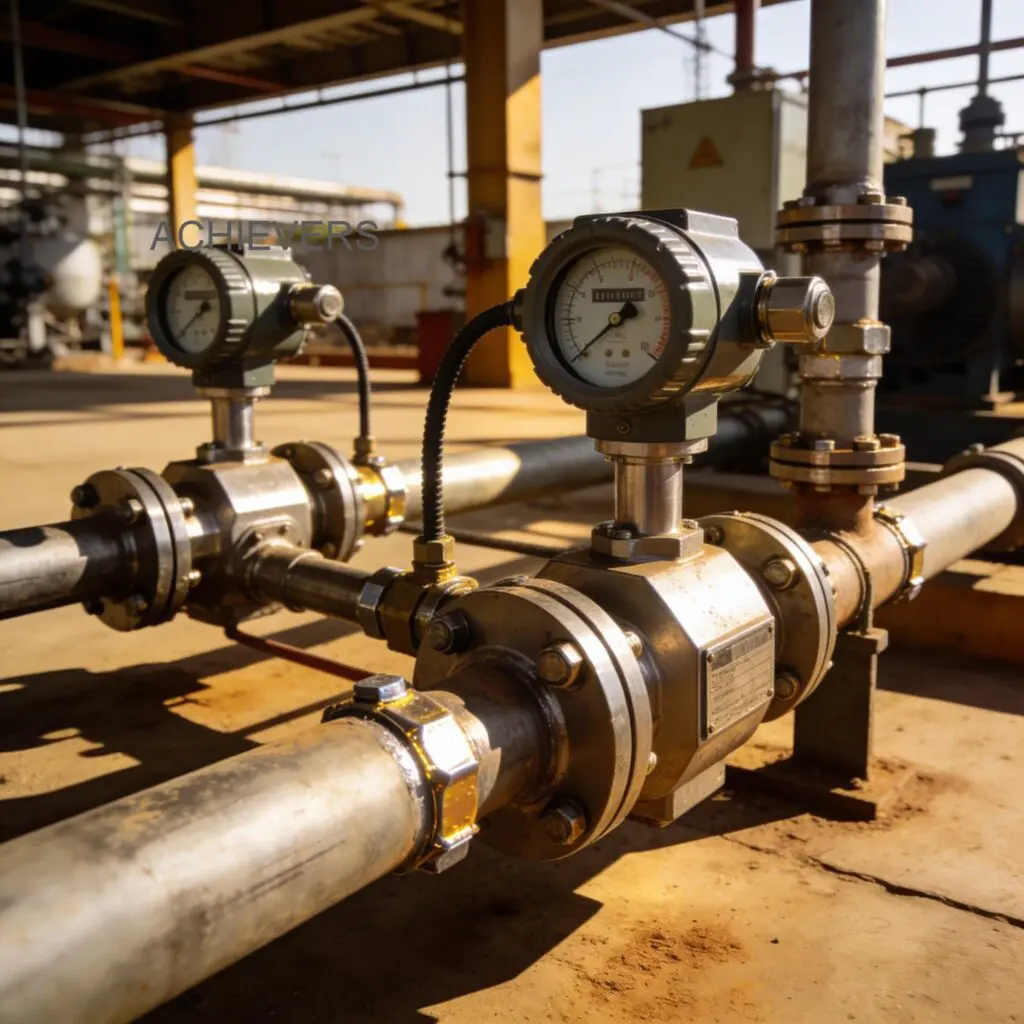
Proper specification is the key to long-term reliability. As one of the trusted oil flow meter suppliers in India, our engineering team recommends gathering comprehensive process data before finalizing a purchase. Industrial buyers should follow a structured approach to configure their Oil Flow Meters correctly.
When initiating an enquiry, ensure you can define the following Process Parameters:
- Fluid Type and State: Identify the exact fluid (e.g., Furnace Oil, LDO, Thermic Fluid) and its specific gravity.
- Operating Viscosity: Viscosity changes dynamically with temperature. Provide the viscosity in centipoise (cP) or centistokes (cSt) at the actual operating temperature, not ambient.
- Flow Rate Range: Specify both the minimum and maximum expected flow rates (LPM or M3/Hr). Avoid oversizing the meter based on pipe size alone; size it based on the actual flow range.
- Temperature and Pressure: Define the normal operating temperature, maximum peak temperature, and maximum pipeline pressure.
Based on these parameters, you will then select the Hardware Configuration:
- Body and Internal Materials: Cast iron for standard environments, cast steel for high pressure, and stainless steel for corrosive or high-temperature environments.
- Clearances: Specify if high-temperature rotors with expanded clearances are required.
- Register Type: Choose between mechanical totalizers (with or without reset functionality) or digital registers requiring AC/DC power.
- Accessories: Determine if you need upstream strainers, air eliminators (crucial if air pockets are present in the line), or pulse output modules for PLC integration.
Communicating these precise details to your supplier ensures that the Oil Flow Meters delivered to your site are purpose-built for your specific industrial application, eliminating the risk of premature failure.
4. Typical applications
Due to their robust design and high accuracy, these meters are deployed across a wide variety of industrial sectors in India. Their ability to handle fluctuating viscosities and harsh plant conditions makes them indispensable in energy-intensive operations.
Typical applications include:
- Boiler Fuel Feed Lines: Monitoring the exact consumption of Furnace Oil or Light Diesel Oil fed into industrial boilers to calculate energy efficiency and track fuel inventory.
- Thermic Fluid Heaters: Measuring the circulation or makeup volume of heat transfer fluids in closed-loop thermal systems used in chemical, textile, and packaging plants.
- Generator Sets (DG Sets): Tracking diesel consumption in high-capacity standby power generators to prevent fuel theft and optimize maintenance schedules.
- Batching Operations: Dispensing precise, predetermined volumes of viscous fluids (such as resins, lubricants, or heavy oils) into mixing tanks during chemical manufacturing.
- Marine and Logistics: Monitoring heavy fuel oil (HFO) consumption in marine engine rooms or managing the unloading of bulk tank trucks at storage depots.
- Hot Mix Asphalt Plants: Precisely measuring the hot oil used in the heating and mixing processes of road construction materials.
5. Service, installation, and support
Even the highest quality instrumentation requires correct installation and regular maintenance to perform flawlessly. Proper oil flow meter installation for thermal oil systems is vital for safety and accuracy.
During installation, always ensure the pipeline is thoroughly flushed before the meter is fitted, as welding slag and construction debris are the leading causes of startup failures. A bypass line should be constructed around the meter; this allows for uninterrupted plant operation during meter servicing or calibration without having to shut down the main process line. Strainers must be cleaned regularly—especially during the first few weeks of operation—to prevent pressure drops and cavitation.
Unlike velocity-based meters, positive displacement meters do not strictly require long straight pipe runs upstream and downstream, giving them a distinct advantage in cramped, space-restricted Indian manufacturing plants. However, the meter must be installed in a way that ensures the measuring chamber remains completely full of liquid at all times to prevent air from artificially inflating the totalized volume.
Post-installation, regular service and factory calibration are essential. Wear and tear on the internal gears over years of continuous operation can cause minor shifts in accuracy. Engaging with a supplier that offers comprehensive Annual Maintenance Contracts (AMC), genuine local spares, and NABL-traceable calibration services ensures your instrumentation remains within the ±0.5% accuracy threshold for its entire lifecycle. Transparent communication, enduring support, and expert workmanship are what transform a standard product into a reliable engineering solution.
*
Ready to optimize your fuel management and thermal fluid handling? Contact our technical engineering team today to configure the exact solution for your plant. Please share your required flow rate, line size, fluid application, and site operating conditions, and we will help you select the most accurate and durable flow measurement system for your needs.
