
















In the fast-paced industrial landscape of India, where fuel costs and operational efficiency directly impact the bottom line, the precision of fluid handling equipment is non-negotiable. For industries ranging from logistics and transportation to manufacturing and power generation, diesel and lubricating oils represent significant operational expenses. Consequently, the reliability of the measurement devices used to track these fluids is critical. An inaccuracy of even a fraction of a percentage can translate into substantial financial losses over a fiscal year.
To mitigate these risks, plant managers and engineers must prioritize not just the installation of robust hardware, but the ongoing accuracy of their systems. This brings us to the pivotal role of Oil Flow Meters. These devices are the cash registers of the fluid handling world, ensuring that every drop of oil received, dispensed, or consumed is accounted for. However, in harsh site conditions—common across industrial zones in India—mechanical wear, fluid viscosity changes, and environmental factors can challenge measurement reliability. This article explores the essentials of selecting, maintaining, and calibrating these meters to ensure sustained accuracy and operational control.
1. What this product does
The Oil Flow Meters manufactured by Chintan Engineers are precision instruments designed specifically for the volumetric measurement of fuels and viscous fluids. Unlike standard water meters, which may struggle with the varying viscosities of hydrocarbons, these meters are engineered to handle the specific flow characteristics of diesel, furnace oil, LDO (Light Diesel Oil), and lubricating oils.
At their core, these devices typically utilize Positive Displacement (PD) technology. This mechanism is preferred in industrial oil flow measurement for industrial applications because it segments the flow into precise, discrete volumes. As the fluid passes through the meter, it moves internal components (such as oval gears or sliding vanes) which in turn drive a register. This ensures that measurement is largely unaffected by flow profile disturbances or viscosity changes, provided the meter is sized correctly.
Key Technical Specifications & Features:
- Flow Range Versatility: Designed to handle a wide spectrum of flow rates, accommodating everything from small generator consumption monitoring to high-speed bulk tanker unloading.
- High Accuracy: These meters are calibrated to deliver precise data, typically offering accuracy levels essential for inventory control and custody transfer applications.
- Robust Construction: Built with durable materials (often aluminum or stainless steel bodies) to withstand the mechanical stress of industrial environments and the chemical properties of petroleum products.
- Viscosity Handling: specific internal tolerances allow for the accurate measurement of fluids with varying thicknesses, from thin diesel to heavier gear oils.
- Display Options: Available with mechanical registers for robust, power-independent operation in remote sites, or digital displays for integration with automation systems.
- Pressure Ratings: Engineered to operate safely under the standard working pressures found in transfer pump systems and gravity feed setups.
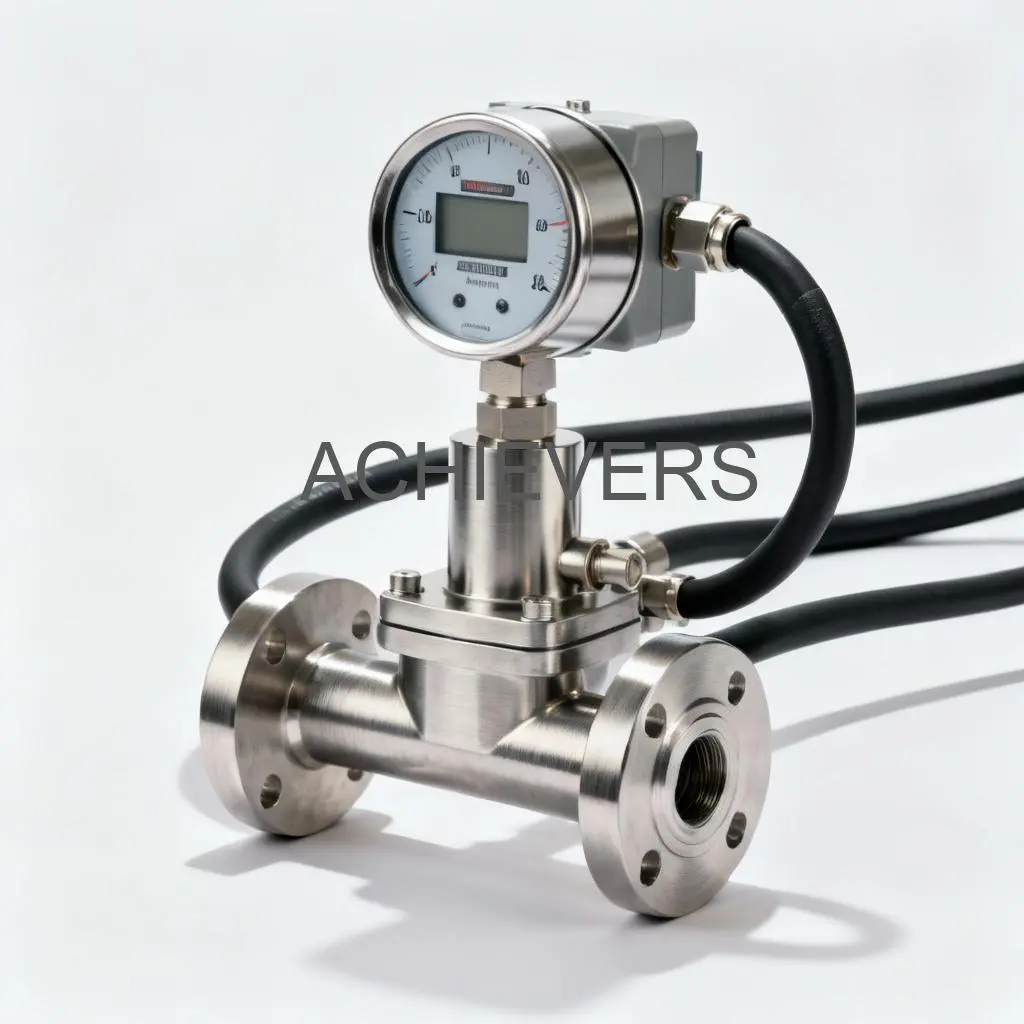
2. Calibration and Accuracy Essentials for Industrial Operations
Ensuring the reliability of oil flow meters goes beyond the initial purchase; it requires a disciplined approach to calibration. As indicated in the product engineering philosophy, accuracy is a function of both high-quality manufacturing and precise calibration. This section serves as a guide for maintenance managers and plant engineers on maintaining measurement integrity.
The Importance of Calibration in Cost Control
Calibration is the process of comparing the reading of a device against a known standard (Master Meter or Prover Tank) to determine its deviation. In the context of accurate oil flow meter calibration, the goal is to determine the "K-Factor"—the number of pulses or revolutions per unit of volume. Over time, mechanical wear on gears or bearings can cause "slippage," where fluid passes through the meter without registering. Conversely, debris buildup can cause over-registration.
For a company consuming 50,000 liters of diesel a month, a drift of just 1% results in 500 liters of unaccounted fuel. At current market rates, this is a significant recurring loss. Therefore, regular verification is not just a maintenance task; it is a financial necessity.
Challenges in Industrial Environments
Several factors in Indian industrial sites can affect the accuracy of Oil Flow Meters:
- Viscosity Fluctuations: Oil viscosity changes with temperature. A meter calibrated for diesel at 30°C may read differently if the ambient temperature drops to 10°C or rises to 45°C. Positive displacement meters are generally resilient to this, but significant shifts require recalibration or temperature compensation.
- Air Entrainment: Air bubbles in the oil line are the enemy of accuracy. If a pump sucks air due to a low tank level or a leak on the suction side, the meter will measure the air as oil, leading to false high readings.
- Filtration Issues: Suspended particles can nick the gears or rotors inside the meter. This increases the internal clearances, allowing fluid to bypass the measuring chamber (slippage), resulting in under-reading.
How to Calibrate Oil Flow Meter: Best Practices
To maintain the integrity of your measurement system, follow these steps:
- Use a Master Meter or Prover Tank: For field calibration, a certified Master Meter connected in series is often the most practical method. Alternatively, a volumetric prover tank (a vessel with a precise known volume) can be used.
- Run at Service Flow Rates: Calibrate the meter at the flow rate it is actually used. Calibrating at 100 LPM when the normal operation is at 20 LPM can lead to linearity errors.
- Repeatability Test: Run the test multiple times (usually 3 to 5 runs). The results should be consistent. If the meter readings vary wildly between tests, the meter may have mechanical damage and require repair before calibration.
- Adjusting the Mechanism: For mechanical meters, calibration is often adjusted via a set of gears or a screw that alters the output ratio. For digital meters, the electronic K-Factor is updated in the transmitter settings.
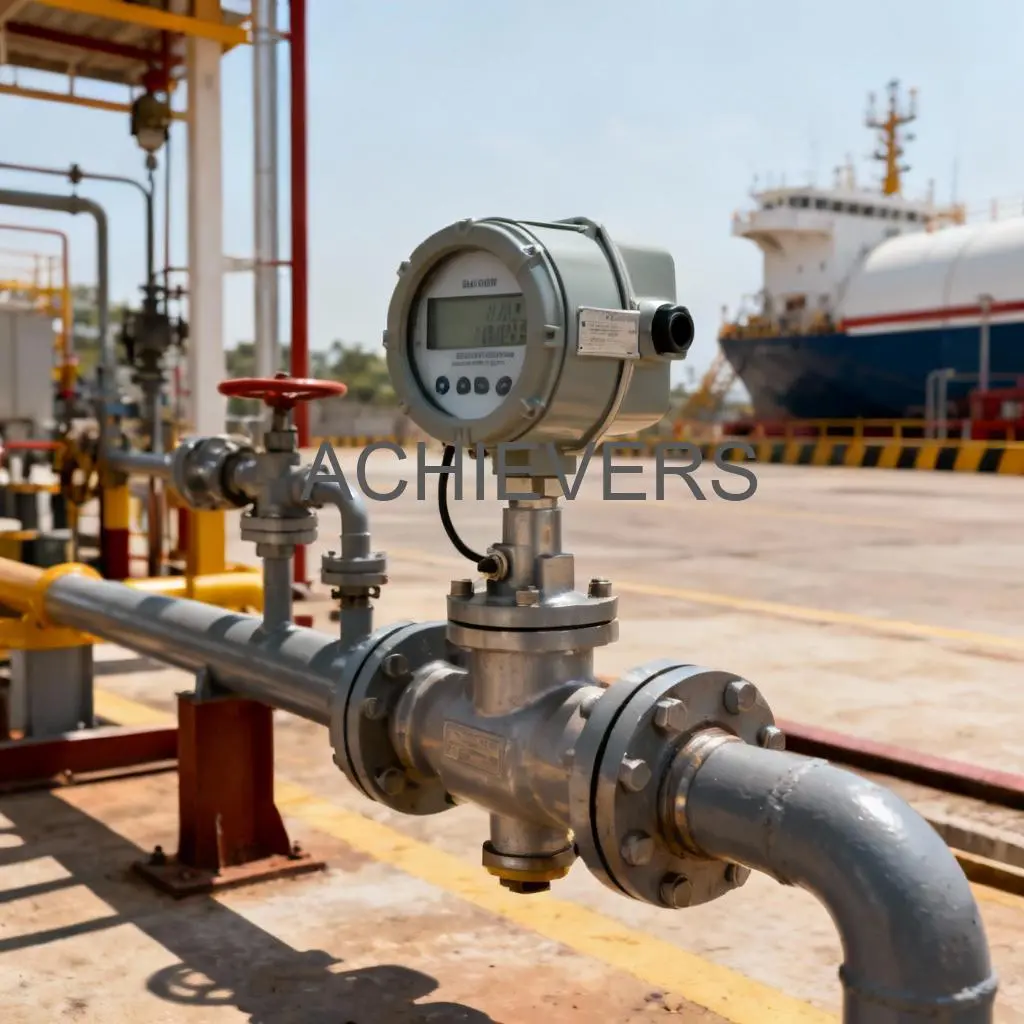
3. Selection and Configuration Guide
Choosing the correct metering solution is vital for longevity and accuracy. As leading oil flow meter suppliers in India, Chintan Engineers recommends looking beyond just the pipe size. Buyers should consider the following parameters to configure the optimal unit.
Key Selection Criteria
- Flow Rate (Min/Max): Do not size the meter based solely on line size. A 2-inch pipe might carry flow meant for a 1-inch meter. Operating a meter below its minimum flow rate increases "slippage" and reduces accuracy. Operating above its maximum causes rapid wear and high pressure drop.
- Fluid Viscosity: Be explicit about the fluid. Heavy furnace oil requires a meter with larger internal clearances compared to thin diesel.
- Operating Pressure and Temperature: Ensure the housing and seals are rated for your specific pump pressure and process temperature.
- Connectivity:
- Flanged: Best for high-pressure, permanent industrial installations.
- Threaded (BSP/NPT): Suitable for smaller utility lines or mobile dispensing units.
Digital vs. Mechanical
- Mechanical Registers:
- Pros: No power required, rugged, easy to read in direct sunlight, ideal for remote sites or tanker trucks.
- Cons: Cannot easily transmit data to a PLC/SCADA system.
- Digital/Pulse Output:
- Pros: High precision, capability for remote monitoring, batch control integration, and re-settable totals.
- Cons: Requires power supply (battery or mains) and cabling protection.
4. Typical Applications
The versatility of Oil Flow Meters allows them to be deployed across a wide variety of sectors. Based on the robust design characteristics, these units are frequently utilized in:
- Diesel Unloading and Transfer: Verifying the volume of fuel received from tanker trucks into underground or above-ground storage tanks. This is the first line of defense against short-supply.
- Generator Fuel Consumption: Monitoring the return and supply lines of DG sets to calculate exact fuel burn, helping facility managers detect engine inefficiencies or fuel theft.
- Industrial Furnace & Boiler Feeds: Measuring heavy oil or LDO consumption in boilers to calculate the efficiency of thermal processes in textile, chemical, and pharmaceutical plants.
- Lubricant Dispensing: utilized in automotive and heavy machinery workshops to dispense precise quantities of engine oil or gear oil during maintenance.
- Batching Systems: In chemical and paint manufacturing, these meters are integrated with batch controllers to automatically shut off pumps once a specific volume of oil or solvent has been dispensed.
5. Service, Installation, and Support
Even the best hardware requires correct installation to perform. Industrial oil flow meter maintenance begins with the installation.
Installation Best Practices
- Strainers are Mandatory: PD meters have tight tolerances. A Y-strainer or basket filter must be installed upstream to prevent debris from jamming the rotors.
- Air Eliminators: If the application involves unloading tankers where air pockets are common, an air eliminator should be installed upstream to ensure only liquid passes through the meter.
- Mounting Orientation: While many PD meters are flexible, it is generally best to install them with the rotor shafts in a horizontal plane to reduce wear on bearings.
End-to-End Support
Chintan Engineers emphasizes a commitment to reliability that extends beyond the sale. This includes:
- Precision Calibration: Every unit undergoes rigorous testing and calibration before dispatch to ensure it meets stated accuracy classes.
- AMC and Spares: For critical infrastructure, Annual Maintenance Contracts (AMC) ensure that meters are periodically cleaned, inspected, and recalibrated.
- Technical Guidance: Access to technical experts who can troubleshoot positive displacement oil flow meters helps in resolving site-specific issues like pressure drops or signal interference.
Call to Action
Stop guessing your fuel costs and start managing them with precision. Whether you are upgrading a boiler feed system, monitoring a fleet of generators, or managing bulk fuel transfer, accuracy is your greatest asset.
Ensure your operations are powered by engineering excellence. Contact Chintan Engineers today to discuss your specific flow measurement needs.
To get the correct configuration for your site, please share:
- Fluid Name & Viscosity
- Min/Max Flow Rate
- Operating Temperature & Pressure
- Preferred Display (Mechanical or Digital)
