
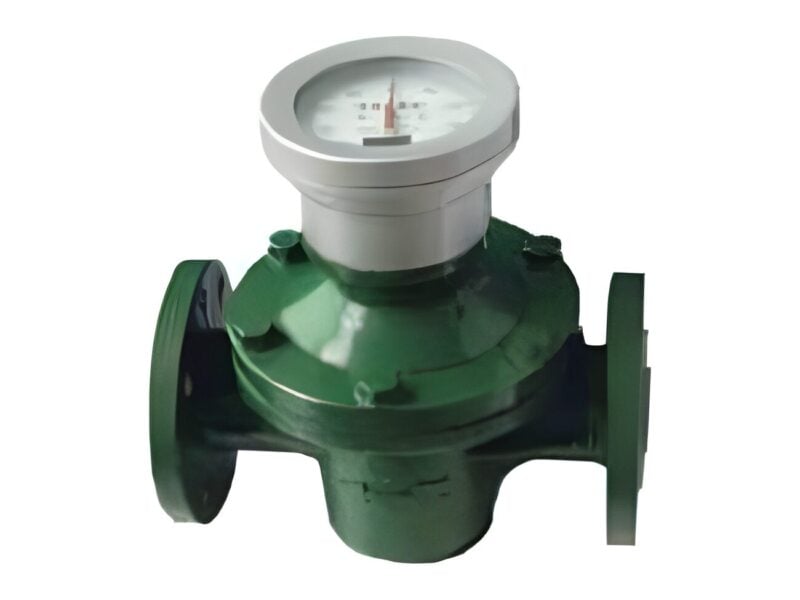
CE-1-80
CE-1-80 Flow Meter
CE-1-80 diesel flow meter with a flow range of 140 L/Min.
- Minimum Flow
- 140 L/Min
- Accuracy
- 0.5 %
- Working Pressure
- 1.0 to 1.5 mpa
Fuel monitoring
Pumps & nozzles
Batching
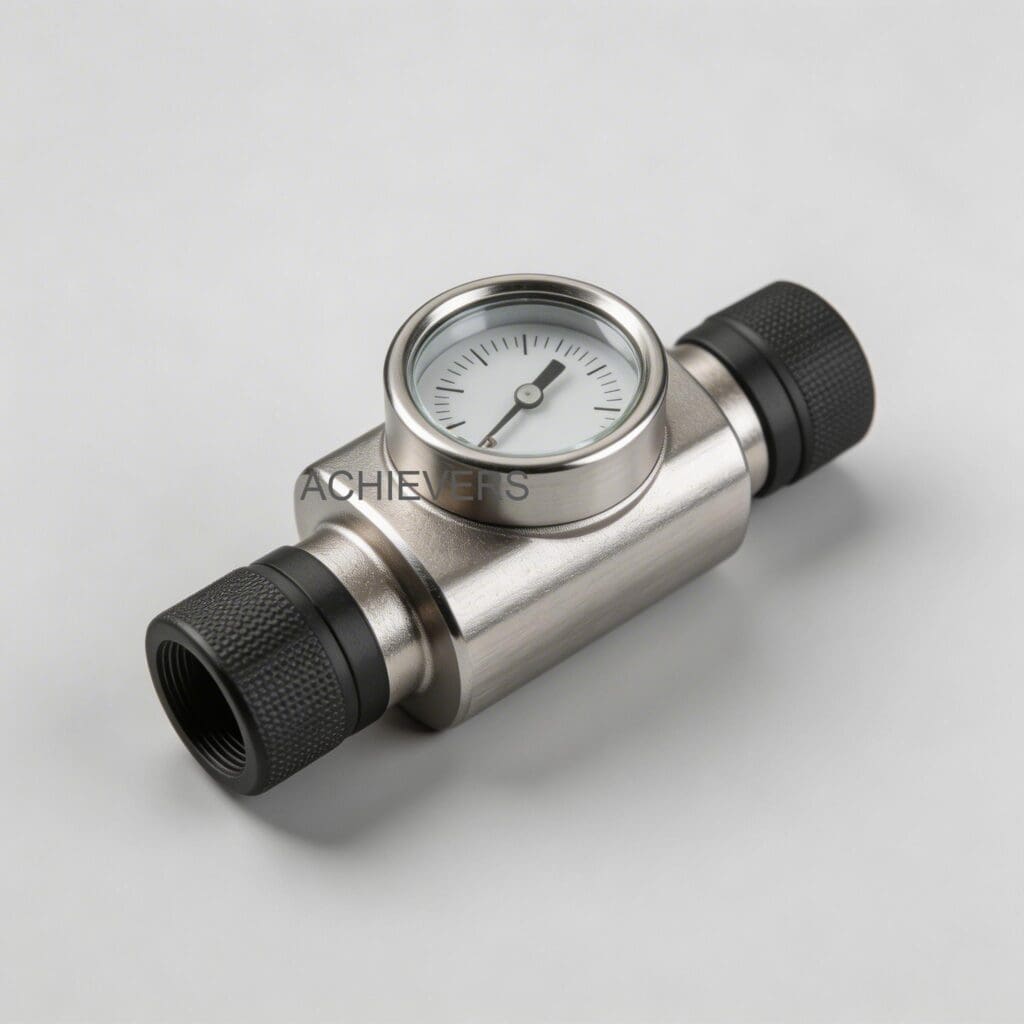
For industrial plant managers, fleet operators, and procurement heads across India, fuel is rarely just an operational consumable; it is one of the highest recurring OPEX line items. Whether you are running a heavy machinery fleet in an open-cast mine in Jharkhand, maintaining continuous power for a pharmaceutical plant in Baddi, or managing a bustling logistics hub in Pune, diesel consumption represents massive capital. Yet, many facilities still rely on generic, low-accuracy metering solutions or archaic manual dipstick methods. Indian industrial buyers frequently underestimate the total cost of ownership (TCO) of their fuel management hardware, focusing solely on the upfront purchase price. This approach entirely ignores the catastrophic financial impact of accuracy drift, volumetric expansion due to Indian summer heat, and localized pilferage.
When you invest in a precision Diesel Flow Meter, you are not merely purchasing a mechanical or digital counter; you are integrating a highly calibrated cash register into your fluid lines. A meter that drifts by just 1% on a line processing 1,00,000 litres a month results in 1,000 litres of unaccounted fuel. At ₹90 per litre, that is ₹90,000 lost every single month, silently eroding your profit margins. This highly detailed analysis breaks down the true 5-year TCO for an industrial-grade Diesel Flow Meter operating under demanding Indian site conditions. We will explore the critical intersections of calibration costs, maintenance overheads, downtime prevention, and integration expenses, ultimately proving how rigorous fuel reconciliation delivers rapid, measurable financial payback.
An industrial Diesel Flow Meter is a precision-engineered instrument designed to capture every drop of fuel transferred during batching, dispensing, or custody transfer. Unlike basic turbine meters that struggle with viscosity changes or pulsating flows, industrial positive displacement (PD), helical, and piston flow meters maintain strict volumetric accuracy regardless of external variables. In the Indian context, where diesel may arrive contaminated with particulate matter, or where line pressure fluctuates due to inconsistent pumping, selecting the right metering technology is the foundation of tight fuel accountability.
Chintan Engineers designs meters capable of handling flow envelopes from a mere 5 L/min for small generator lines up to 1,300 L/min for bulk gantry loading, maintaining repeatability down to ±0.03%. Depending on your exact site application—whether you need a robust mechanical register for an electricity-free remote depot or a fully digital custody transfer system pushing data to an ERP—the hardware must match the accuracy requirements of the fluid being measured. Below is a comprehensive technical breakdown of the models available and their baseline performance metrics.
| Model | Flow Range | Accuracy | Signal / Display | Highlight Features | Ideal Use |
| — | — | — | — | — | — |
| CE-110 Mechanical PD Meter | 20 – 300 L/min across 1"–2" sizes | ±0.5% | Mechanical counter (reset + cumulative) | Low pressure drop, viscosity-independent, corrosion-resistant internals | Fuel depots needing rugged mechanical registers |
| CE-111 Digital PD Meter | 20 – 300 L/min | ±0.5% | LCD totalizer + flow rate, reset + cumulative | Battery-backed electronics, pulse-ready | Skids or dispensers requiring digital readout |
| CE-113 High Accuracy Transfer Meter | 25 – 1,300 L/min (40–100 mm) | ±0.2% | Register, printer, pulser combinations | Custody transfer build with air eliminator, strainer, optional trolley | Bulk loading, ticket printing, fixed fueling gantries |
| CE-210 Helical Flow Sensor | 5 – 10,000 L/h (various BSP sizes) | ±0.5% or ±1% | Pulse, Hall/Reed, LCD, 4–20 mA | Handles changing viscosities up to 10⁶ mm²/s, high-resolution K-factor | Automation projects, adhesive/chemical batching, telemetry |
| CE-212 Piston Flow Meter | 5 – 60 L/min | ±0.2% | Mechanical or pulse output | 4-piston design with rotary valve, external calibration adjustment | Integrated fuel dispensers and preset batching systems |
The initial capital expenditure (CAPEX) for these meters scales with flow capacity, pressure ratings (up to 25 bar), temperature tolerance (up to 120°C), and the precision of the output signal. However, as we will explore in the next section, the purchase price is only a fraction of the 5-year lifecycle cost, and an even smaller fraction of the fuel value it protects.
When an Indian procurement team evaluates bids for flow meters, the decision is frequently weighted 80% on upfront capital cost. This is a critical engineering oversight. Industrial diesel flow meters operate in harsh environments subject to monsoon humidity, extreme ambient temperatures exceeding 45°C, high dust loads, and frequent voltage fluctuations if relying on digital telemetry. A meter's TCO encompasses not just the hardware, but the costs associated with installation, statutory calibration, preventative maintenance, expected downtime, and parts replacement over a 5-year operational lifecycle.
The table below provides a realistic TCO breakdown for a mid-to-high capacity custody transfer setup (similar to the CE-113) operating in an Indian industrial facility processing heavy fuel loads.
| Cost Component | Typical 5-Year Range (INR) | Frequency | Notes |
| — | — | — | — |
| Initial Equipment Purchase | ₹25,000 – ₹1,50,000 | Once (Year 1) | Base meter cost. Varies by size (1" to 4"), accuracy class (0.5% vs 0.2%), and material (aluminium vs stainless steel). |
| Installation & Mechanical Fitment | ₹10,000 – ₹35,000 | Once (Year 1) | Piping modifications, straight-run alignments, welding flanges, and labour costs. |
| Ancillary Hardware (Strainers & Air Eliminators) | ₹15,000 – ₹60,000 | Once (Year 1) | Critical for Indian conditions to prevent meter damage from contaminated diesel and prevent billing for entrained air. |
| Commissioning & Initial Proving | ₹5,000 – ₹15,000 | Once (Year 1) | On-site volumetric proving using certified prover cans to establish baseline K-factor and mechanical calibration. |
| Statutory Calibration & Sealing (Legal Metrology) | ₹30,000 – ₹75,000 | Annually (Years 1-5) | Mandatory annual verification for custody transfer. Includes inspector fees, NABL lab certificates, and lead wire sealing. |
| Consumables & Spare Parts | ₹12,000 – ₹40,000 | Periodic (Years 3, 5) | Replacement of O-rings, rotary seals, strainer mesh baskets, and minor mechanical wear components. |
| Annual Maintenance Contract (AMC) | ₹20,000 – ₹60,000 | Annually (Years 2-5) | Preventative maintenance, quarterly health checks, and firmware updates for digital registers. |
| Data Integration & Telemetry OPEX | ₹15,000 – ₹50,000 | Annually (Years 1-5) | SIM data charges, SCADA/ERP integration, cloud dashboard hosting for remote monitoring via GSM/LoRa. |
| Unplanned Downtime/Production Loss | ₹0 – ₹5,00,000+ | Variable | The cost of fuel line stoppage. High-quality meters reduce this to near zero; cheap meters incur massive downtime costs. |
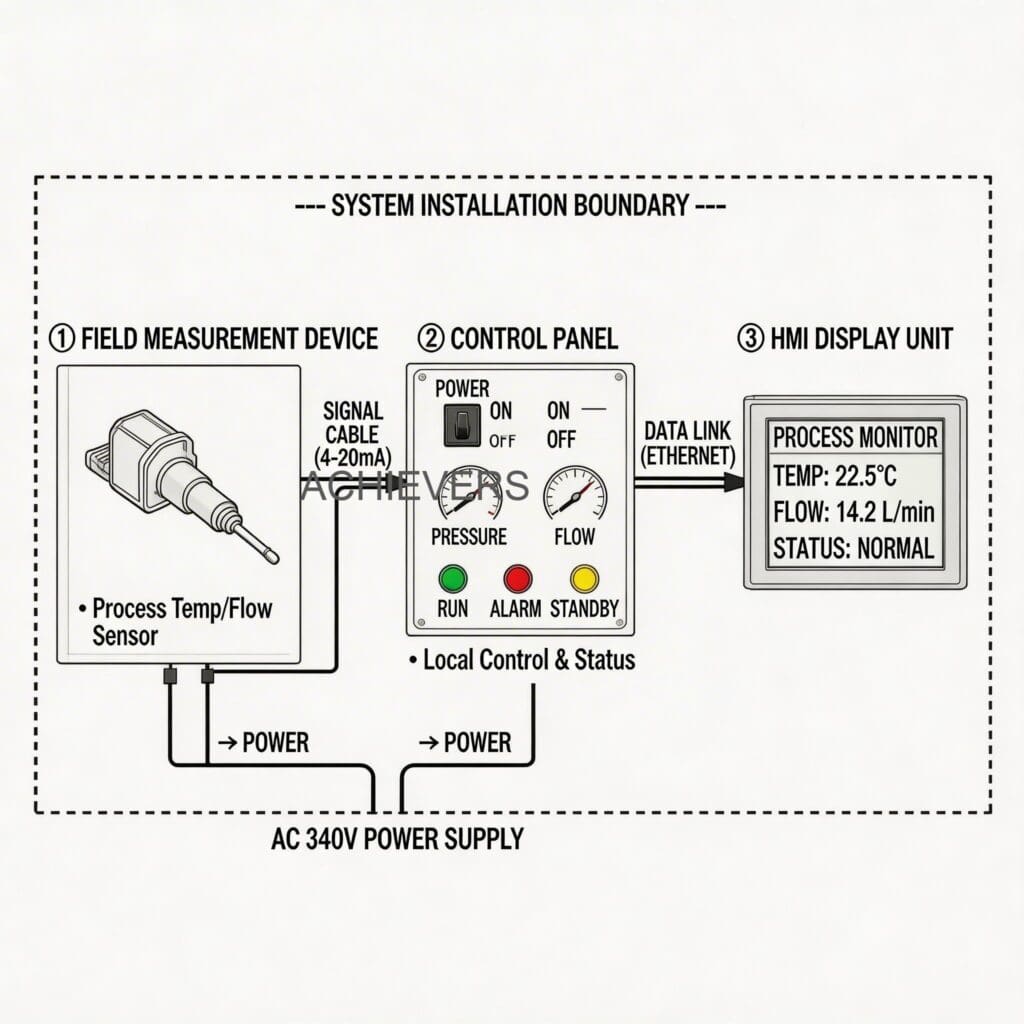
When viewed through this 5-year lens, a cheaper meter that lacks an internal air eliminator or requires frequent re-calibration due to mechanical wear will easily surpass the TCO of a premium positive displacement meter. The superior accuracy of a high-end unit practically pays for its own OPEX by eliminating fuel shrinkage.
To move beyond theoretical costs, we must analyze a practical use case. Let us examine a mid-sized mining operation in Chhattisgarh that operates a fleet of heavy earth-moving equipment and localized diesel generator (DG) sets. The site receives bulk diesel via road tankers and dispenses it through a centralized yard.
Before implementing a precision fuel management protocol, the site relied on basic turbine meters and dipstick readings, suffering from a documented "unaccounted fuel" variance of 1.5% due to accuracy drift, air passage, and minor pilferage. We will trace the financial payback of upgrading to a high-accuracy transfer meter system (CE-113) integrated with a Liquid Batching System for automated dispensing.
Step 1: Establish the Baseline Operational Volume
The mining facility consumes exactly 2,00,000 litres of diesel per month. At an average industrial bulk diesel rate of ₹90 per litre, the total monthly fuel expenditure is ₹1,80,00,000 (1.8 Crore INR). Annually, the facility spends ₹21.6 Crores on fuel.
Step 2: Quantify the Existing Financial Leakage
With their legacy setup operating at a 1.5% error margin (combined mechanical drift, unmetered air volume from tankers, and manual recording errors), the facility loses 3,000 litres of fuel accountability every month.
Monthly loss: 3,000 litres x ₹90 = ₹2,70,000.
Annual financial leakage: ₹32,40,000.
Step 3: Calculate the Capital Investment (CAPEX) for the Upgrade
The plant procures a highly accurate CE-113 Custody Transfer Meter, featuring an integrated air eliminator, micro-mesh strainer, and digital pulse output for automated logging.
Equipment cost (Meter + Air Eliminator + Strainer): ₹1,25,000.
Data logger and ticket printer integration: ₹45,000.
Total Hardware CAPEX: ₹1,70,000.
Step 4: Factor in Installation and Commissioning Costs
To ensure the meter operates within its ±0.2% accuracy envelope, proper upstream and downstream straight pipe runs are fabricated. An NABL-certified technician performs on-site proving using a 50-litre Legal Metrology approved measure.
Mechanical piping, valves, and electrical wiring: ₹35,000.
Commissioning, calibration, and sealing: ₹15,000.
Total Installation Cost: ₹50,000.
Total Upfront Investment (CAPEX + Install): ₹2,20,000.
Step 5: Determine the New Operational Accuracy Envelope
Post-installation, the new positive displacement meter is proved and sealed at an accuracy of ±0.2%. Furthermore, the air eliminator ensures that foaming and air pockets generated during tanker offloading are vented, ensuring only pure liquid volume drives the meter's rotors. The new maximum variance drops from 1.5% to 0.2%.
Step 6: Calculate the Gross Financial Savings
The new variance of 0.2% on 2,00,000 litres equals an acceptable tolerance of 400 litres per month.
Previous monthly loss: 3,000 litres.
New monthly loss: 400 litres.
Fuel saved per month: 2,600 litres.
Gross monthly savings: 2,600 litres x ₹90 = ₹2,34,000.
Gross annual savings: ₹28,08,000.
Step 7: Subtract Increased Operational Expenditures (OPEX)
To maintain this extreme accuracy, the facility commits to rigorous annual calibration, quarterly AMC checks, and software hosting for their digital fuel management dashboard.
Annual maintenance and calibration fees: ₹60,000.
Net Annual Savings: ₹28,08,000 – ₹60,000 = ₹27,48,000.
Step 8: Compute the Final Payback Period
To find the exact moment the equipment pays for itself:
Total Investment: ₹2,20,000.
Monthly Net Savings: ₹2,29,000 (₹27.48L / 12).
Payback Period: ₹2,20,000 / ₹2,29,000 = 0.96 Months (Less than 30 days).
In less than one month, the precision diesel flow meter has entirely paid for its capital and installation costs. For the remaining 59 months of its 5-year lifecycle, it acts as a direct profit-generation tool, adding nearly ₹27 Lakhs annually to the company's bottom line simply by enforcing strict fluid accountability.
Plant engineers often face budget pushback when specifying precision instrumentation. Management may question why a sophisticated CE-113 meter is necessary when cheaper alternatives exist. Understanding the relative costs, both upfront and hidden, of different fuel management approaches is critical to defending the engineering specification.
The table below contrasts four common approaches to industrial fuel management, highlighting how initial savings on cheap hardware inevitably result in massive annual losses.
| Approach | Upfront Cost | Annual Cost (Loss + OPEX) | Accuracy | Reliability | Best For |
| — | — | — | — | — | — |
| Manual Dipstick & Logbooks | ₹1,000 – ₹5,000 | High (Losses up to 3%) | Poor (±2-5%) | Low (Human error/fraud) | Very small, low-value remote tanks with zero automation budget |
| Standard Turbine/Nutating Disk Meter | ₹8,000 – ₹20,000 | Medium (Drift + Wear) | Fair (±1-2%) | Moderate (Fails on viscosity shift) | Non-critical internal transfer, water lines, rough estimates |
| Custody Transfer PD Meter (CE-113) | ₹60,000 – ₹1,50,000 | Low (Minimal fuel loss) | Excellent (±0.2%) | High (Built for 24/7 cycles) | Bulk loading, generator farms, fleet dispensing, highly audited sites |
| Advanced Telemetry & Batching | ₹1,50,000 – ₹3,00,000 | Very Low (Zero theft) | Elite (±0.2% + Data) | Very High (Automated) | ERP integrated sites, unmanned depots, strict corporate compliance |
Relying on manual dipsticks or cheap turbine meters is a false economy. Turbine meters are highly sensitive to viscosity changes; as diesel heats up in the afternoon sun, its viscosity drops, causing the turbine to over-spin or under-register depending on the specific gravity and bearing wear. A mechanical positive displacement meter or piston meter (like the CE-212) isolates specific fluid volumes mechanically, making it immune to these temperature and viscosity fluctuations.
When planning the deployment of fuel measurement systems in India, the TCO model must account for several site-specific "hidden" costs. Indian operational realities—ranging from fuel adulteration to erratic power grids—require robust engineering countermeasures. Failing to budget for these will compromise the meter's accuracy and void your ROI.
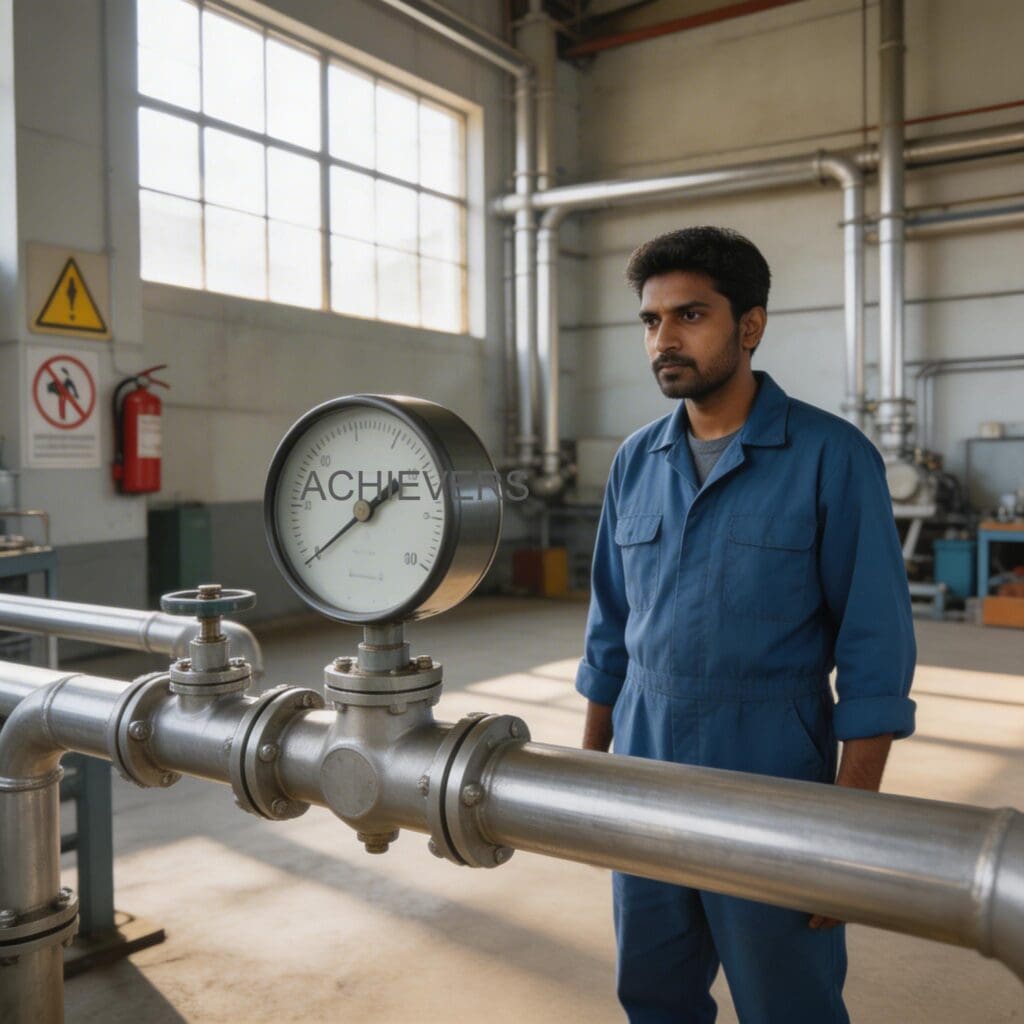
By proactively addressing these six factors during the procurement phase, plant engineers guarantee that their metering infrastructure performs reliably from day one, insulating the facility against unexpected OPEX spikes.
Bridging the gap between engineering necessity and procurement budgets is a perennial challenge. When presenting the case for a premium diesel flow meter to non-technical management or financial directors, the argument must shift from technical specifications (like pressure drops and K-factors) to financial risk mitigation and EBITDA protection.
Use the following step-by-step strategy to build an unassailable business case:
By structuring your proposal around measurable financial impact and risk reduction, procurement approval transforms from a contested debate into a logical business necessity.
Q: Do these meters work with biodiesel or highly viscous industrial oils?
A: Yes. Positive displacement designs (like the CE-110, CE-111, and CE-113) are fundamentally volumetric and are exceptionally capable of handling a massive range of viscosities, from thin diesel up to heavy lubricating oils. You must, however, specify the fluid during the order process so the correct internal clearances and elastomeric seals (e.g., Viton or PTFE) are factory-installed.
Q: What exact accuracy can I expect in the field under Indian ambient conditions?
A: Standard PD meters (CE-110/111) deliver a reliable ±0.5% accuracy post-installation. High-precision custody transfer models (CE-113 and the CE-212 piston meter) can achieve an exceptional ±0.2% accuracy. This extreme accuracy requires that the meter is properly proved on-site with a certified prover can and that the system includes an upstream air eliminator.
Q: Can I integrate the meter with my existing preset dispensers and PLCs?
A: Absolutely. Models like the CE-111, CE-210, and CE-212 are equipped with digital pulse outputs (or optional 4–20 mA signals). These outputs seamlessly connect to preset batch controllers, ticket printers, SCADA systems, and automated fuel dispensing units to facilitate closed-loop, unmanned fuel accounting.
Q: How often should the meter be calibrated to maintain ROI?
A: Initial volumetric proving must be performed immediately upon site installation. Thereafter, calibration should be verified annually. If the meter is used for custody transfer (commercial buying/selling), the Indian Legal Metrology Act strictly mandates annual calibration, verification, and lead-wire sealing by an authorized inspector.
Q: Our diesel often arrives highly contaminated. Will this damage the flow meter?
A: Solid particulates and rust will severely damage the precision rotors of any positive displacement meter. It is mandatory to install a micro-mesh strainer immediately upstream of the flow meter. The strainer intercepts these contaminants, protecting the meter's internal chamber and preserving its accuracy lifespan.
Q: Is there a mobile or portable option for refueling heavy machinery out in the field?
A: Yes. The CE-113 high-accuracy transfer meter can be custom-mounted on a rugged industrial trolley. This mobile skid can be equipped with ticket printers, robust hose reels, and high-capacity pumps, making it ideal for on-site custody transfer, bowser deployments, and refueling remote mining equipment.
Q: What happens if there is a sudden power failure during fluid transfer?
A: If you are using mechanical registers (like the CE-110), power failures have zero impact; the mechanical counter will accurately log every litre pushed through by line pressure. For digital units (CE-111), the electronics are battery-backed or feature non-volatile memory, ensuring that the totalizer readings are saved safely and instantly recovered once power is restored.
If your facility is currently suffering from unexplained fuel variances or requires a rigorous upgrade to your fluid transfer accountability, Chintan Engineers can provide an engineered solution. Contact our technical team today for a comprehensive specification review; simply provide your exact fluid type, required flow capacity, operational pressure, and site conditions, and we will configure a flow measurement system guaranteed to deliver rapid, measurable ROI.
CE-1-80 diesel flow meter with a flow range of 140 L/Min.
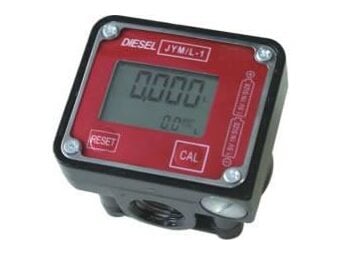
CE-102 diesel flow meter with a flow range of 7-40 LPM.
Tell us the fluid, flow range and site; we reply with a model and a quote within one working day.