
















For industrial plant managers, fleet operators, and procurement heads, fluid management is fundamentally an exercise in risk mitigation and financial control. When handling thousands of liters of fuel daily, the mechanical infrastructure used for issuing that fuel directly dictates operational profitability. However, many global industrial facilities still evaluate dispensing infrastructure purely on initial capital expenditure (Capex). This narrow focus drastically underestimates the total cost of ownership (TCO) and ignores the hidden, compounding losses associated with volumetric inaccuracies, unauthorized dispensing, and premature equipment failure.
To bridge the gap between initial procurement costs and long-term financial performance, a comprehensive diesel dispenser total cost of ownership calculation is critical. When a facility transitions from rudimentary gravity-fed or uncalibrated electric transfer pumps to engineered metering systems, the financial justification extends far beyond convenience. It is rooted in strict inventory reconciliation, mitigating shrinkage, and ensuring continuous operational uptime in punishing environments.
In This Article
1. Product Overview and Cost Context
The Diesel Dispenser is a fully integrated fluid handling unit engineered to facilitate the secure, measured, and auditable transfer of fuel from storage reservoirs to vehicle tanks, heavy earth-moving machinery (HEMM), or backup power generators. Unlike standard transfer pumps, an industrial dispenser incorporates dynamic fluid metering, air elimination, mechanical or digital totalization, and high-efficiency pumping mechanisms within a weather-resistant enclosure.
In industrial applications—ranging from offshore drilling platforms to expansive logistics depots—the primary function of the Diesel Dispenser is to enforce strict issuing control. Without precise metering, fuel shrinkage through micro-theft, spillage, and unrecorded issuing can easily consume 2% to 5% of total fuel inventory. By integrating positive displacement (PDP) or precision oval gear flow meters, these dispensing units provide volumetric accuracy that translates directly into financial accountability.
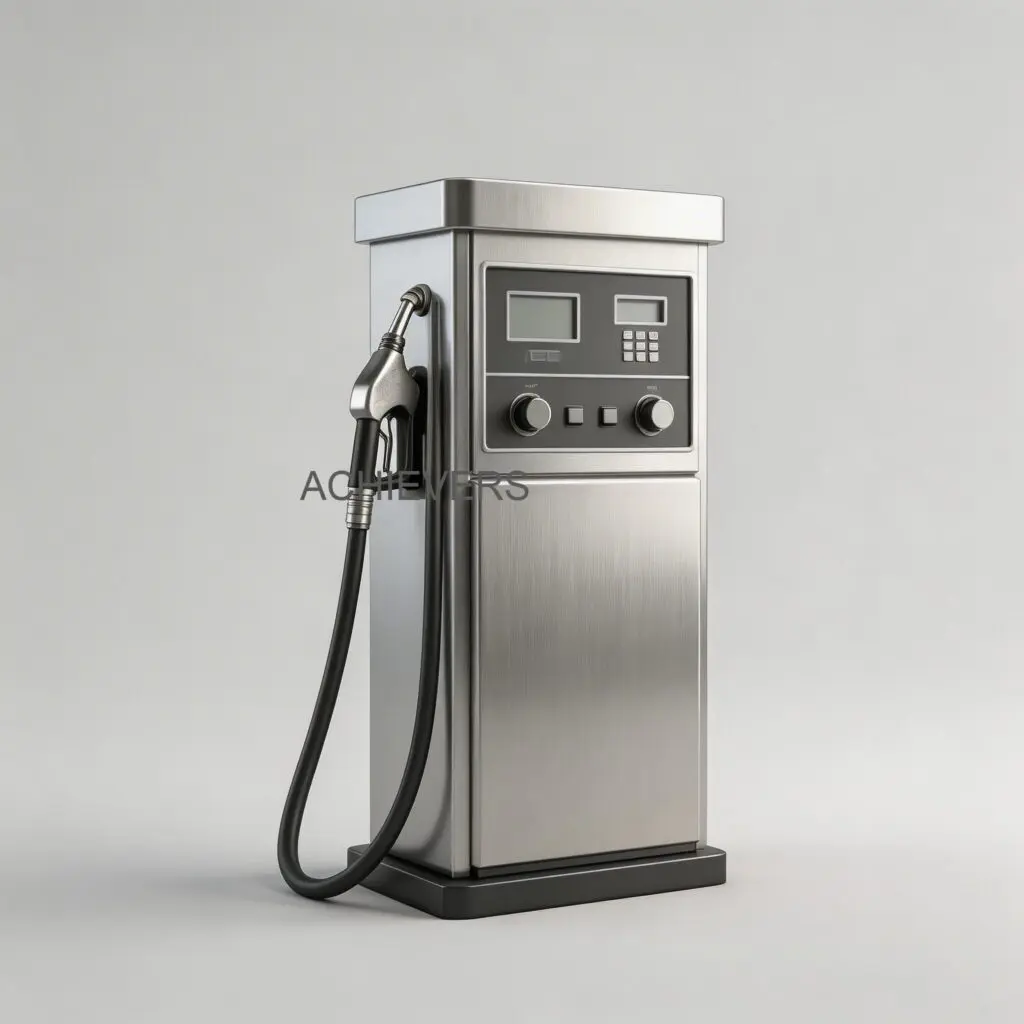
Chintan Engineers designs configurations to meet varying site demands. From the heavy-duty CE-201 capable of 110 L/min for rapid turnaround of mining haul trucks, to the highly accurate CE-204 delivering ±0.2% preset dispensing, the architecture is modular. For petrochemical environments operating under strict atmospheric safety directives (such as ATEX or IECEx), the CE-124 flameproof variant ensures intrinsic safety.
Below is the definitive technical specification matrix for the Diesel Dispenser configurations, highlighting flow dynamics, metering architecture, and deployment suitability.
| Model Designation | Flow Range | Metering Architecture | Power Configuration | Highlight Technical Features | Primary Industrial Application |
| — | — | — | — | — | — |
| CE-101 Mechanical Dispenser | 40 – 60 L/min | Mechanical Counter (CE-110) | 220 V AC or DC variants | Auto shut-off nozzle, 4 m elastomeric hose, brass isolation fittings | Manufacturing workshops, basic fleet yards, agriculture |
| CE-117 Digital Dispenser | 40 – 60 L/min | Digital PDP (CE-111) | 220 V AC or DC variants | Backlit LCD display, batch & cumulative totalizers, optional thermal printer | Sites requiring physical consumption records and shift audits |
| CE-204 High Accuracy Digital | 20 – 80 L/min | Digital preset controller | 12 / 24 V DC, 220 V AC | ±0.2% volumetric accuracy, preset by volume/amount, 365-day transaction memory | Large fleet depots requiring auditable, high-precision fueling |
| CE-124 Flameproof Dispenser | 40 – 60 L/min | Mechanical / Digital | 220 / 440 V AC | Flameproof (Ex) motor, ±0.2% accuracy, ruggedized enclosure | Hazardous classification zones, petrochemical refineries |
| CE-130 Preset / Mobile | 20 – 60 L/min | Digital preset controller | 12 / 24 V DC, 220 V AC | CPU-based preset, vehicle/skid mounting, telemetry-ready pulse output | Mobile bowsers, remote civil construction projects |
| CE-201 Heavy-Duty | Up to 110 L/min | Mechanical oval gear | 440 V AC (3-Phase) | 1.2 kW rotary vane pump, 40 mm (1.5") inlet/outlet, continuous duty cycle | High duty-cycle logistical depots and mining operations |
By selecting the correct metering architecture and flow rate, engineers can directly influence the operational expenditure profile of their fluid management system. An industrial diesel dispenser supplier will typically mandate a site audit to match the pump's net positive suction head available (NPSHa) with the specific gravity and viscosity of the fluid at local ambient temperatures, ensuring cavitation-free operation.
2. Total Cost of Ownership Breakdown
Evaluating the diesel dispenser cost vs savings from fuel theft control requires isolating every financial input over the asset's lifecycle. TCO encompasses not only the upfront invoice but also the logistics, site preparation, commissioning, periodic metrological calibration, wear-part replacement, and eventual decommissioning.
When procurement teams ignore TCO, they often underfund preventative maintenance, leading to catastrophic internal bypass failures in the pumping mechanism or calibration drift in the flow meter. The following table provides a rigorous baseline for lifecycle cost projection over a standard 7-year industrial lifecycle.
| Cost Component | Typical Range (USD) | Frequency | Engineering Notes & Lifecycle Impact |
| — | — | — | — |
| Capital Expenditure (Capex) | $1,200 – $4,500 | One-time | Varies by specification (mechanical vs. digital preset, standard vs. ATEX flameproof motor). High-accuracy positive displacement meters push costs to the upper spectrum. |
| Site Prep & Installation | $500 – $1,500 | One-time | Includes concrete mounting plinths, routing of suction/delivery piping, installation of isolation valves, and establishing specialized electrical grounding for static dissipation. |
| Commissioning & Baseline Proving | $300 – $600 | One-time | Utilizing certified proving cans to verify factory calibration against local specific gravity. Issuance of initial calibration certificates required by quality assurance systems (e.g., ISO 9001). |
| Periodic Metrological Calibration | $200 – $400 | Bi-annually | Flow meters experience mechanical wear. Re-calibration ensures the ±0.2% to ±0.5% accuracy baseline is maintained. Neglecting this leads to progressive inventory reconciliation failures. |
| Consumable Spares (Filtration & Seals) | $150 – $300 | Annually | Replacement of 10-micron particulate filters, water coalescing elements, and viton/nitrile O-rings to prevent bypass leakage and protect internal meter components. |
| Annual Maintenance Contract (AMC) | $400 – $800 | Annually | Professional inspection of rotary vanes, testing of auto-shutoff nozzle venturi mechanisms, electrical continuity checks, and software updates for preset controllers. |
| Energy Consumption (Electrical OPEX) | $100 – $250 | Annually | Based on motor size (e.g., 0.75 kW to 1.2 kW), operating hours, and local grid tariffs. Three-phase AC systems generally offer better electrical efficiency for high-volume depots. |
| Unplanned Downtime Contingency | $0 – $2,000+ | Variable | The cost of lost productivity if a dispenser fails. Utilizing genuine spares and adhering to AMCs keeps this near zero. Emergency mechanical interventions carry premium labor rates. |
| End-of-Life Decommissioning | $300 – $500 | End of Year 7 | Safe draining, purging of residual hydrocarbons, electrical disconnection, and environmentally compliant recycling of electronic control units and structural metals. |
3. ROI Calculation: Real-World Industrial Example
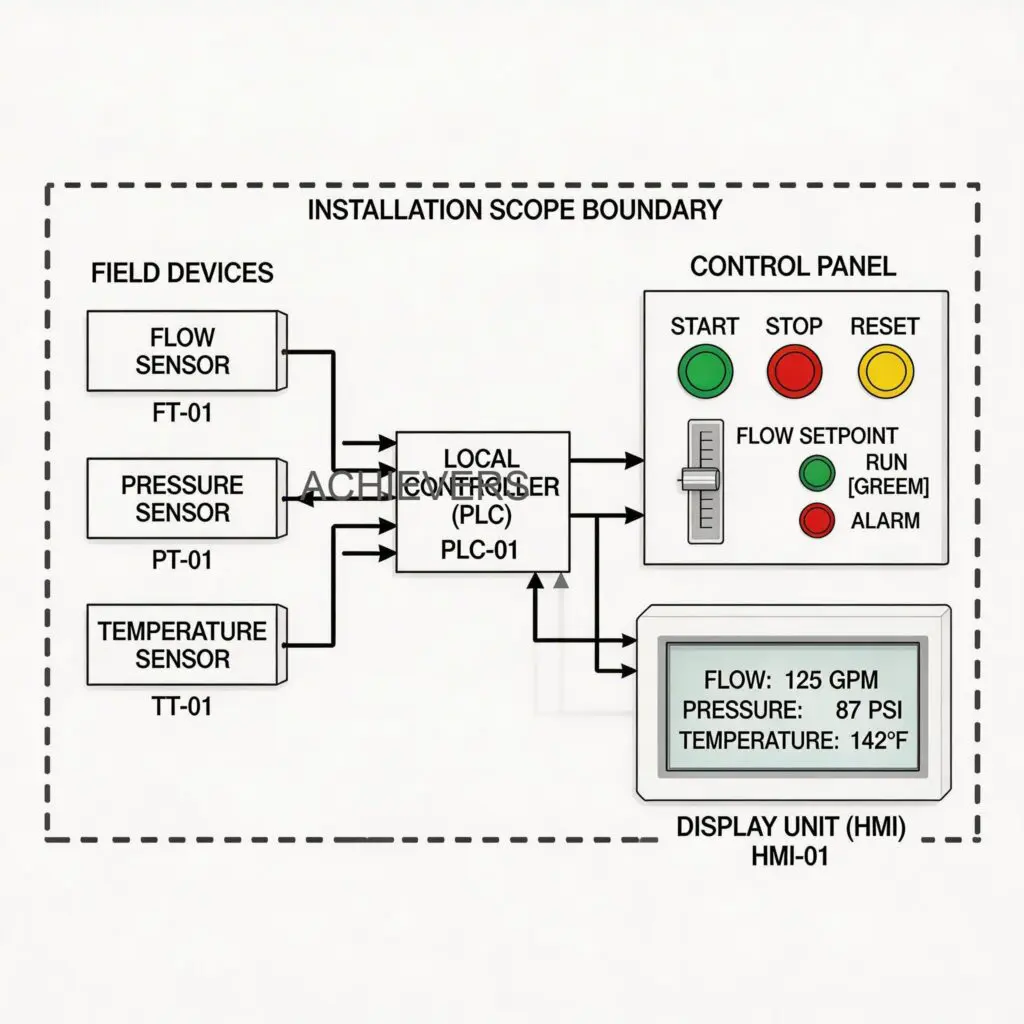
To practically quantify this engineering investment, we must model a specific usage scenario. While calculating a diesel dispenser ROI in India, Europe, or the Americas, the fundamental mathematical architecture remains identical. The return on investment is entirely driven by the delta between unmeasured fluid losses (shrinkage) and the precision capabilities of the new dispensing hardware.
Consider a medium-scale infrastructure contractor operating a centralized fleet yard. The yard refuels 30 heavy vehicles daily, issuing approximately 4,000 liters of fuel per day using an uncalibrated transfer pump and manual logbooks. Management suspects fuel shrinkage due to unrecorded issuing, minor spillage during manual shutoff, and unauthorized extraction ("milking").
Here is the exact 8-step engineering methodology to calculate the TCO and operational payback:
- Establish the Volumetric Baseline:
- Quantify the Shrinkage Rate:
- Calculate the Financial Loss Profile:
- Determine System Capex and Installation:
- Calculate First-Year Operational Cost (OPEX):
- Project Recovered Fuel Volume:
- Determine Net Annual Financial Savings:
- Calculate the Simple Payback Period:
Current daily consumption is nominally recorded at 4,000 liters per day. Over a standard 300-day operational year, total throughput equals 1,200,000 liters.
Through discrete auditing, management identifies a 2.5% discrepancy between bulk tank depletion and vehicle odometer/hour-meter logs. This 2.5% represents physical theft, rounding errors in manual logbooks, and overfilling.
At 2.5% shrinkage on 1,200,000 liters, the unrecorded volume is 30,000 liters annually. Assuming a baseline fuel cost of $1.10 per liter, the facility is bleeding $33,000 per year in unrecoverable operational expenditure.
The facility specifies the purchase of a CE-204 High Accuracy Digital Dispenser to ensure ±0.2% dispensing accuracy, integrated with a receipt printer for strict driver accountability. Equipment cost ($3,200) plus professional mechanical/electrical installation ($800) yields a Day-1 Capex of $4,000.
Include the AMC ($500), bi-annual metrological calibration ($300), and filter consumables ($200). First-year OPEX totals $1,000. Therefore, the Year-1 TCO is $5,000.
By upgrading to an automated preset system with an auto-shutoff nozzle and a 365-day digital transaction memory, unauthorized manual dispensing is physically blocked. Overfilling is mechanically prevented. The shrinkage rate drops from 2.5% to the meter's maximum variance of 0.2%. The net recovered volume is 2.3%, which equals 27,600 liters saved annually.
Multiplying the 27,600 liters of recovered fuel by the $1.10 per liter cost yields a gross annual saving of $30,360. Subtracting the annual OPEX ($1,000) results in a net operational saving of $29,360 per year.
Divide the total Capex ($4,000) by the monthly net savings ($2,446). The payback period for the high-accuracy dispensing system is achieved in a staggering 1.63 months. Following this brief payback window, the equipment generates a continuous positive cash flow impact.
When evaluating whether to buy diesel dispenser for fleet fueling, plant managers must present this mathematical reality to the executive board: delaying the procurement of precision metering equipment costs the company exponentially more than the equipment itself.
4. Cost Comparison: Available Approaches
Facilities often debate the merits of stepping up from manual approaches to fully digital dispensing architectures. A comparative analysis of volumetric accuracy, initial capital requirements, and long-term viability clarifies why high-accuracy dispensers dominate modern industrial fluid management.
| Engineering Approach | Initial Capex Rating | Annual OPEX Rating | Volumetric Accuracy Limit | Reliability & Data Integrity | Ideal Industrial Application |
| — | — | — | — | — | — |
| Gravity Feed with Manual Valve | Very Low | High (Due to constant spillage & theft) | ±5.0% to ±10.0% | Extremely poor. No data logging, reliant entirely on operator honesty. | Emergency bypass only; small-scale agricultural transfer. |
| Basic Electric Pump & Inline Meter | Low | Medium | ±1.0% to ±2.0% | Moderate. Vulnerable to flow-rate fluctuations. Counters can be manually manipulated. | Low-volume construction sites utilizing Mobile Fuel Dispenser bowsers. |
| Standard Mechanical Dispenser (CE-101) | Moderate | Low | ±0.5% | High mechanical reliability. Immune to electrical transients. Non-resettable totalizers provide basic audit capability. | Dusty, high-vibration environments like quarries and basic transport yards. |
| High-Accuracy Digital (CE-204) | Moderate-High | Low | ±0.2% | Excellent. CPU-based memory eliminates manual logbooks. Preset capabilities prevent unauthorized over-issuing. | Large logistics depots, mining operations, and centralized corporate fleets. |
| ATEX Flameproof System (CE-124) | High | Moderate | ±0.2% | Exceptional safety profile. Heavy-cast enclosures contain potential spark ignition sources. | Chemical plants, refineries, aviation fuel handling, and Class 1 Div 1 hazardous zones. |
5. Hidden Costs to Budget For
A common point of failure in capital procurement is neglecting the peripheral engineering requirements necessary to keep a precision instrument functioning within its specified tolerances. When planning the deployment, industrial project engineers must budget for the following six hidden integration and lifecycle costs:
- Power Quality and Conditioning Systems:
- Hazardous Area Metrology and Compliance:
- Advanced Filtration and Fluid Conditioning:
- Metrological Drift and Recalibration Access:
- Telemetry, Data Hosting, and SCADA Integration:
- Civil Engineering and Piping Modifications:
In heavy industrial environments, the electrical grid often suffers from severe voltage transients, sags, and harmonic distortion caused by large motors or welding equipment. Digital preset controllers and LCD panels contain sensitive printed circuit boards (PCBs). Installing industrial-grade voltage stabilizers, uninterruptible power supplies (UPS), or isolation transformers is mandatory to prevent premature failure of the CPU logic boards.
If the dispenser is located near petrochemical storage or within designated explosive atmospheres, standard equipment cannot be legally deployed. Upgrading to the CE-124 Flameproof model requires certified armored cabling, Ex-d rated isolation switches, and specialized Ex-certified technicians for installation. These compliance requirements add significant cost but are non-negotiable under API and international fire safety codes.
Modern common-rail diesel engines are incredibly sensitive to particulate matter and emulsified water. Furthermore, precision positive displacement meters will jam or score if hard particulates pass through the measuring chamber. Installing high-capacity, 10-micron water-absorbing coalescing filters upstream of the dispenser protects both the internal flow meter and the fleet’s engines. These elements must be replaced periodically.
No mechanical meter maintains its accuracy forever; internal wear from fluid shear forces and microscopic particulates will slowly degrade the measuring chamber's tight clearances. Bi-annual or annual calibration by certified metrology technicians using highly calibrated proving measures is a recurring hidden cost. This ensures the unit maintains its ±0.2% or ±0.5% specification.
While digital units feature internal memory, enterprise-level facilities often require real-time data transmission to central ERP systems. Integrating pulse output modules with remote telemetry hardware requires SIM card subscriptions, cloud hosting fees, and initial software API integration by IT personnel. For facilities measuring wider fluid networks, integrating alongside a dedicated Fuel Flow Meter for bulk receipt creates a closed-loop accounting system.
A dispenser cannot simply be placed on raw earth. It requires a reinforced concrete mounting island to protect it from vehicular collision, integrated spill containment sumps to catch accidental drips, and correctly sized suction piping. If the suction pipe diameter is too small or contains too many 90-degree elbows, the resulting friction loss can cause the rotary vane pump to cavitate, destroying the internal vanes.
6. How to Justify the Purchase to Management
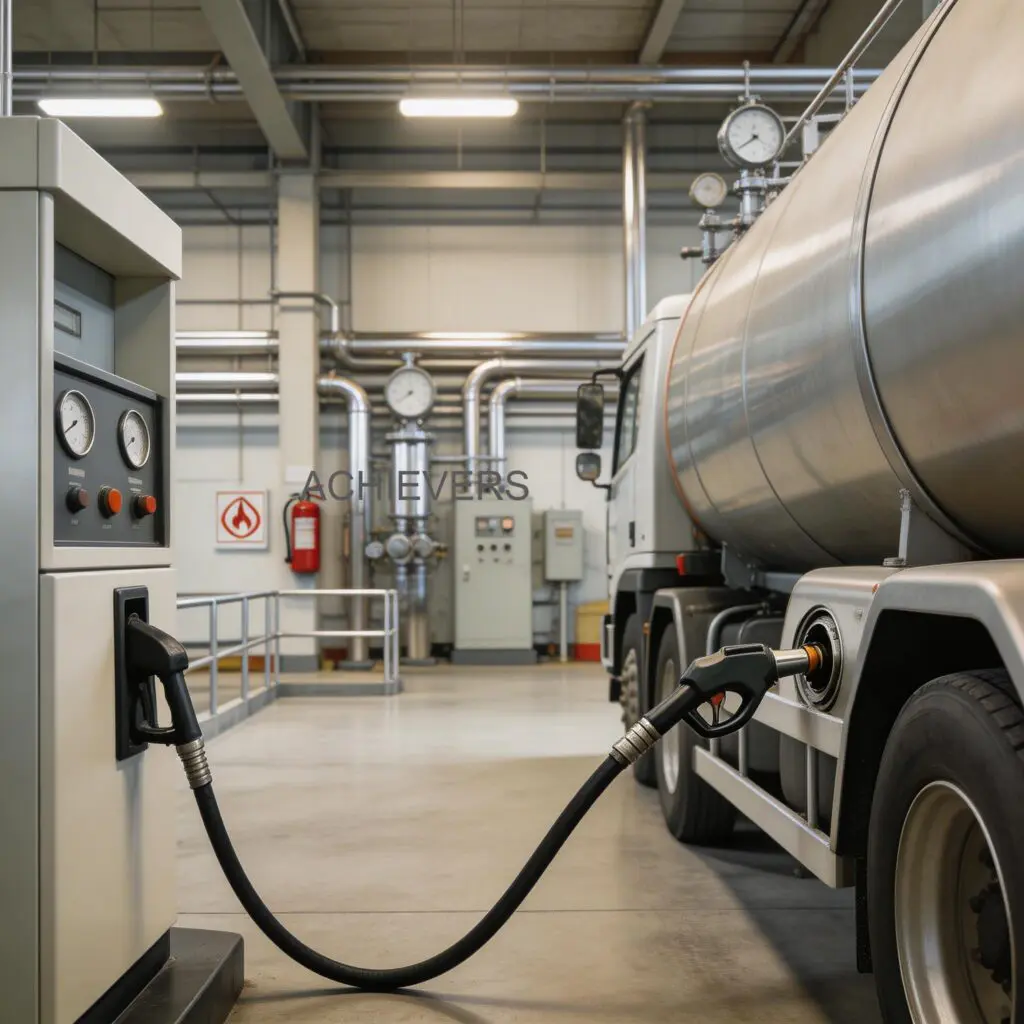
Engineers and procurement officers tasked with securing budget approval for dispensing upgrades frequently face pushback regarding the initial Capex. To successfully navigate executive approval, the technical proposal must be translated into a financial risk-mitigation framework. Follow this specific six-step methodology to build an unassailable business case:
- Establish the Baseline Audit: Do not guess. Install a temporary logging device or conduct a strict 14-day manual audit of the bulk tank dips versus vehicle consumption logs to calculate the exact percentage of current fuel shrinkage.
- Monetize the Variance: Convert the percentage of lost volume into annual dollar figures. Management responds to financial hemorrhage, not just engineering inefficiency.
- Highlight Environmental and Safety Liabilities: Uncalibrated transfer pumps utilizing manual ball valves frequently result in overfills. Emphasize that ground contamination carries severe regulatory fines, remediation costs, and safety risks that are entirely mitigated by utilizing standard auto-shutoff nozzles and controlled flow rates.
- Present the Equipment as an Accounting Tool: Shift the narrative. The dispenser is not merely a pump; it is the ultimate cash register for the company's liquid assets. Highlighting features like the CE-204’s 365-day transaction memory transitions the hardware from an operational expense to a financial compliance necessity.
- Detail the ROI Payback Period: Utilize the 8-step calculation framework provided in Section 3. Prove that the unit will pay for itself within the first financial quarter of deployment, meaning the remaining years of its lifespan result in pure operational profit.
- Emphasize Localized Service Reliability: Highlight the importance of partnering with a manufacturer that provides end-to-end solutions. Relying on imported, unsupported hardware leads to devastating downtime when minor components fail. Emphasize that Chintan Engineers provides nationwide spares stocking, immediate recalibration support, and comprehensive AMCs.
FAQ
Q: What specific volumetric accuracy can I expect from these systems?
A: Standard mechanical builds (CE-101) deliver an accuracy of ±0.5%. When maximum precision is required, digital models equipped with the CE-113 positive displacement meter and preset controllers (such as the CE-204 or specialized CE-124 variants) are factory-calibrated to achieve ±0.2% accuracy, satisfying stringent global weights and measures protocols.
Q: Is it possible to deploy these dispensers in mobile applications?
A: Yes. The CE-130 Preset / Mobile Dispenser is explicitly engineered for integration onto fuel bowsers, service trucks, and mobile trolleys. It operates natively on 12 V or 24 V DC power systems directly from the vehicle's electrical architecture, though 220 V AC variants are available for skid-mounted semi-permanent camps.
Q: Can the dispenser generate physical transaction records for drivers?
A: Digital variants, particularly the CE-117 and the high-accuracy CE-204, can be equipped with integrated thermal receipt printers. This allows operators to print immediate physical documentation of the dispensed volume, time, and date, which is critical for shift handovers and contractor billing.
Q: Do you offer systems capable of automatic preset dispensing?
A: Yes. Advanced units feature CPU-based preset controllers allowing the operator to input a specific required volume (in liters) or a financial value. Once the preset parameter is reached, the internal solenoid valves automatically shut off the fluid flow, entirely removing human error and preventing unauthorized over-issuing.
Q: Are these units safe for deployment in classified hazardous environments?
A: For petrochemical sites, refineries, or any zone with atmospheric explosive risks, standard motors are unacceptable. The CE-124 Flameproof Dispenser utilizes an Ex-certified (flameproof) electrical motor and specialized ruggedized enclosures to ensure intrinsic safety in such high-risk environments.
Q: What maintenance is required to keep the pump operating at peak efficiency?
A: Preventative maintenance is crucial. Routine schedules involve cleaning or replacing the inline particulate strainers, checking the rotary pump vanes for wear, ensuring the auto-shutoff venturi port is clear of debris, and conducting bi-annual metrological proving to verify flow meter calibration.
Q: Does the manufacturer handle the installation and metrological calibration?
A: Yes. Chintan Engineers provides comprehensive end-to-end solutions including site evaluation, mechanical and electrical installation, issuance of initial calibration certificates, operator SOP training, and long-term Annual Maintenance Contracts (AMC) to ensure lifecycle reliability.
To eliminate unrecorded fuel losses and secure your fluid inventory, transitioning to precision metering is the critical first step. Contact our engineering team today with your required flow rates, vehicle turnaround targets, and specific site power availability to request a tailored technical proposal for your operational upgrade.
