
















Chemical manufacturing, effluent treatment, and metal finishing plants across India operate under incredibly demanding conditions. Handling aggressive acids, alkalis, and corrosive effluents requires highly reliable fluid management solutions. A frequent challenge plant engineers face is selecting the right material for their transfer pumps. The wrong material choice inevitably leads to premature mechanical seal failures, hazardous chemical leaks, and costly unplanned downtime. In environments where plant safety and environmental compliance are paramount, choosing between different thermoplastic and composite materials is a critical engineering decision.
For maximum operational efficiency, uptime, and safety, Indian industrial facilities must deploy pumping systems that are engineered to withstand prolonged exposure to aggressive media without degrading. This guide explores the technical aspects of chemical transfer materials, helping procurement teams and maintenance engineers make data-driven decisions for their process lines.
In This Article
1. What this product does
Engineered for precision and heavy-duty industrial fluid handling, PP Pumps are single-stage, end-suction centrifugal transfer pumps designed specifically to convey highly corrosive chemicals. Constructed from solid, injection-molded Polypropylene (PP), these pumps offer superior resistance to a wide spectrum of acids, alkalis, and industrial solvents compared to standard metallic pumps. The heavy-wall injection-molded casing ensures structural integrity, preventing the porosity and leakage issues commonly associated with poorly machined or fabricated plastic pumps.
The standard configuration of PP Pumps features a robust design capable of delivering significant flow rates and discharge pressures required for modern chemical processing. They typically support flow capacities up to 100 cubic meters per hour (m³/hr) and discharge heads up to 60 meters, making them highly versatile for both transfer and recirculation duties. To prevent fluid contact with metallic components, the internal drive shafts (usually SS 316 or high-tensile steel) are completely sleeved with heavy-duty Polypropylene.
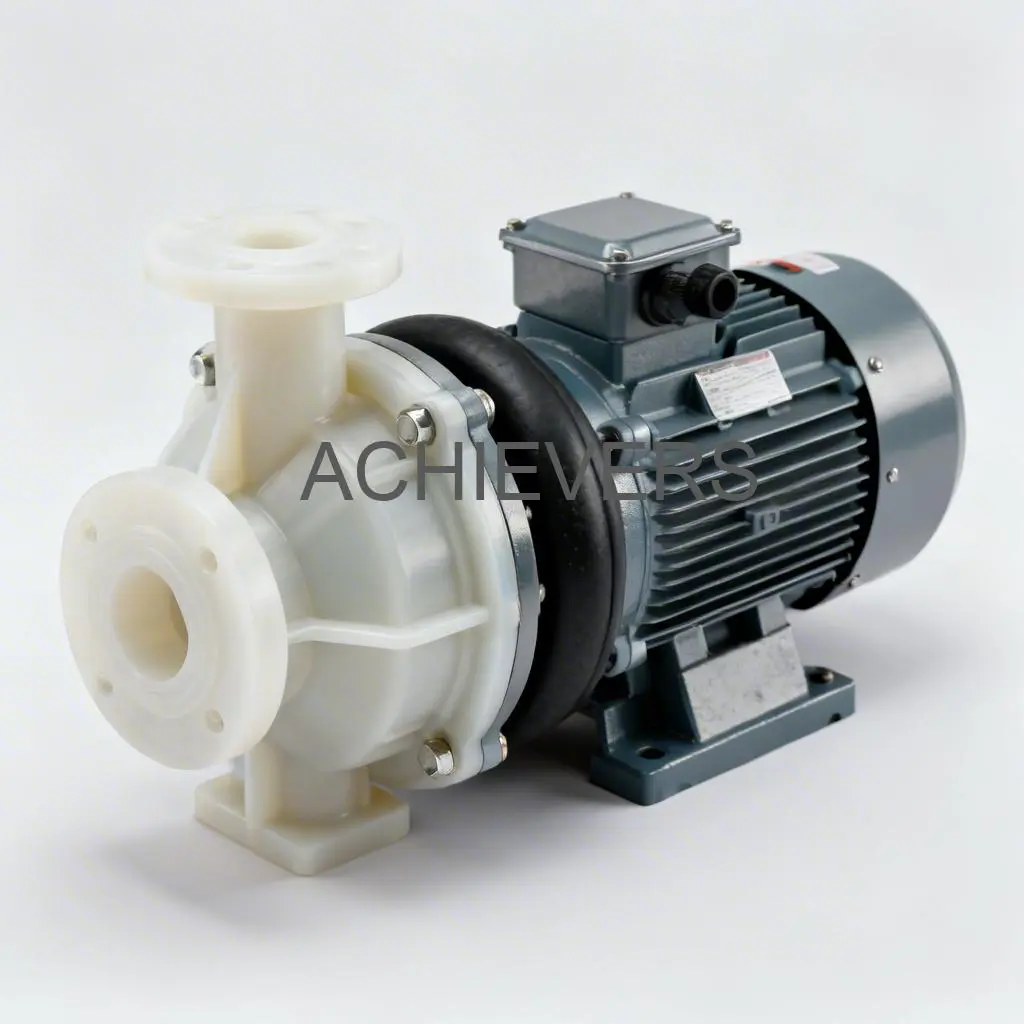
These pumps rely on highly accurate mechanical sealing arrangements to prevent hazardous leaks. Configurations usually include externally mounted Teflon (PTFE) bellows or GFT/Ceramic mechanical seals, which isolate the corrosive media from the external environment. Powered by standard 3-phase AC TEFC (Totally Enclosed Fan Cooled) induction motors, these units can also be supplied with flameproof motors for deployment in hazardous or explosive zones. Whether configured as direct-coupled monoblock units for compact spaces or bare-shaft coupled units for heavy-duty, continuous operations, they are built to perform reliably under harsh site conditions.
2. PP Pumps vs PVDF vs FRP: Choosing the Right Chemical Transfer Pump Material
When upgrading fluid handling infrastructure, engineers frequently debate the merits of a PP pump vs PVDF pump or fiberglass-reinforced plastic (FRP) alternatives. While all three materials offer non-metallic corrosion resistance, their thermal limits, structural behavior, and chemical inertness vary significantly. PP Pumps stand out as the most balanced, cost-effective, and durable option for the vast majority of standard industrial applications in India.
Polypropylene is a highly resilient thermoplastic with excellent resistance to corrosive chemicals at temperatures up to 70°C to 80°C. For standard applications—such as transferring Hydrochloric Acid (HCl), Sodium Hydroxide (Caustic Soda), or basic wastewater—a solid PP pump provides decades of reliable service without the premium price tag of exotic plastics. PVDF (Polyvinylidene Fluoride), on the other hand, is a fluoropolymer designed for extreme conditions. It can handle highly oxidizing acids (like concentrated Sulfuric Acid or Nitric Acid) and operating temperatures up to 110°C. However, PVDF is significantly more expensive. Unless your process specifically dictates extreme temperatures or highly aggressive oxidizing agents, PVDF is often an over-engineered and costly choice.
FRP (Fiberglass Reinforced Plastic) is typically used for very large capacity pumps where thermoplastic injection molding becomes unfeasible. However, FRP relies on vinyl ester or epoxy resins binding glass fibers together. In real-world Indian plant conditions, where aggressive chemicals and frequent temperature fluctuations occur, FRP pumps are susceptible to delamination, resin degradation, and micro-cracking over time. Solid, injection-molded PP Pumps do not suffer from delamination because they are formed from a single, homogeneous block of thermoplastic, offering vastly superior mechanical integrity against impact and pressure surges.
Before consulting a comprehensive PP pump chemical compatibility chart, plant managers can use this quick decision framework for common services:
- HCl and Caustic Transfer: Polypropylene is the absolute standard. It is entirely inert to these chemicals, and solid PP casings provide a zero-leakage lifecycle when paired with the right Teflon mechanical seal.
- ETP Chemicals (Coagulants, Alum, PAC): Effluent treatment dosing and transfer do not require PVDF. Polypropylene handles abrasive and corrosive ETP fluids effortlessly.
- Electroplating Baths: Most zinc, copper, and nickel electroplating solutions operate within the 40°C–65°C range. Polypropylene handles these chemistries perfectly, offering smooth internal finishes that prevent scaling.
- Scrubber Circulation: Fume scrubbers require continuous, high-volume circulation of alkaline solutions (like NaOH) to neutralize acidic exhaust gases. PP is highly durable for 24/7 continuous scrubber operation.
3. Selection / configuration guide
Selecting the precise pump configuration ensures long-term value, minimizes maintenance overhead, and maximizes operational safety. As one of the top choices among PP pump manufacturers in India, we ensure that every unit is tailored to the specific hydraulic and chemical realities of the client's site. A proper PP pump selection guide for chemical plants revolves around matching hydraulic parameters with the correct sealing and motor technologies.
When sizing and configuring PP Pumps, industrial buyers must evaluate two main categories of specifications.
Hydraulic and Process Parameters:
- Flow Rate (Capacity): Determine the maximum and normal operating flow requirements (in m³/hr or LPM) to maintain process efficiency without dead-heading the pump.
- Total Differential Head: Calculate the vertical lift plus all friction losses in the piping, valves, and fittings. Overestimating head can push the pump off its Best Efficiency Point (BEP).
- Fluid Properties: Clearly identify the chemical composition, concentration percentage, specific gravity, and presence of any suspended solids.
- Operating Temperature: Ensure the fluid remains within the safe operating threshold of Polypropylene (up to 80°C).
Construction and Mechanical Configurations:
- Mechanical Seal Type: Opt for an externally mounted PTFE bellows seal with Ceramic vs. GFT faces for clear chemicals. If handling slurries or fluids that crystallize, a double mechanical seal with a water flush plan may be required.
- Mounting Arrangement: Choose between a space-saving direct monoblock design or a baseplate-mounted, back-pull-out design. The back-pull-out feature allows maintenance teams to service the impeller and seal without dismantling the process piping.
- Motor Specifications: Select the appropriate 3-phase AC motor. Specify flameproof (FLP) enclosures if the pump will be installed in a zone handling volatile solvents, or standard TEFC motors for general safe areas.
- Impeller Type: Semi-open impellers are generally preferred in PP Pumps to handle trace solids and prevent clogging, especially in wastewater applications.
By providing these exact details during the enquiry phase, plant operators ensure they receive a pump perfectly calibrated for their exact site conditions, eliminating the risk of cavitation or motor overloading.
4. Typical applications
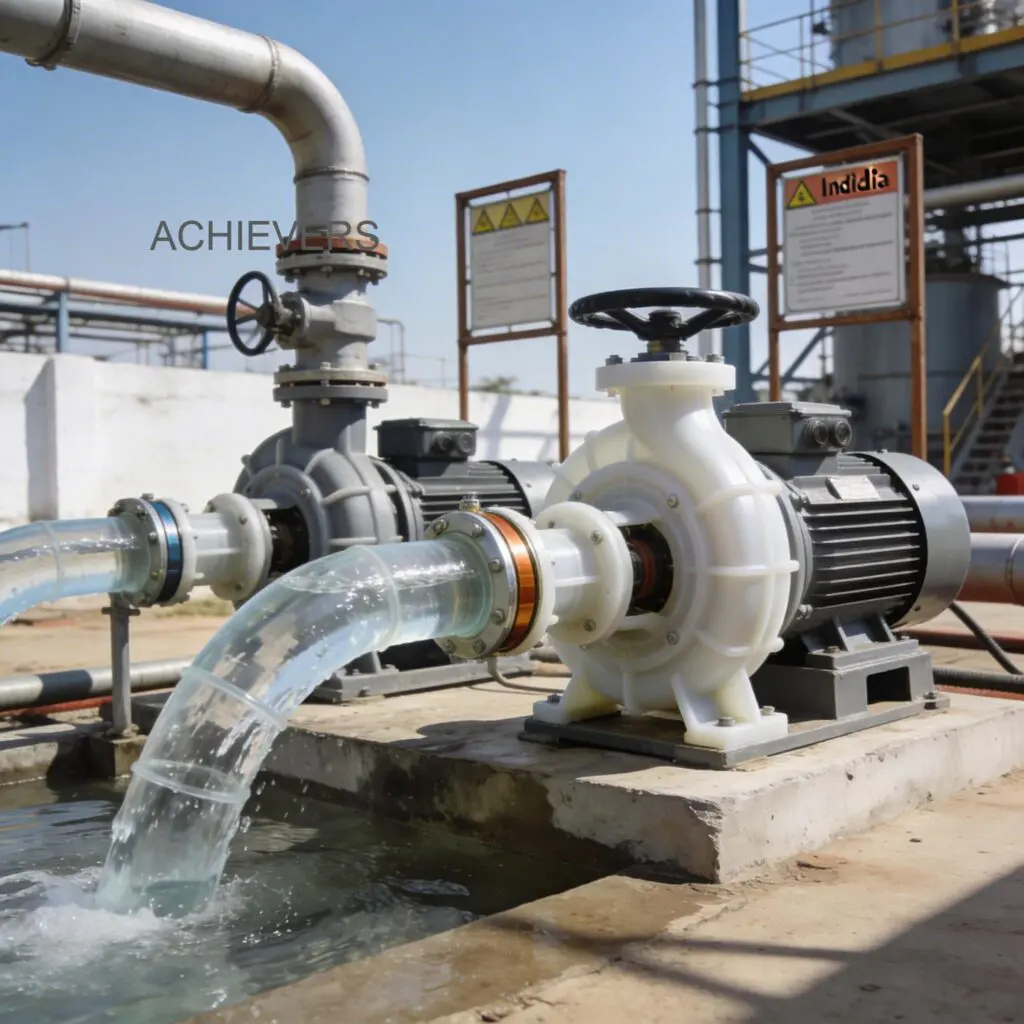
Due to their robust chemical resistance and highly reliable construction, these transfer pumps are deeply integrated into multiple industrial sectors across India. Any process that involves moving fluids that would rapidly corrode cast iron or stainless steel is a prime candidate for a high-quality polypropylene pump for acid transfer.
One of the largest application areas is the environmental and waste management sector. Industrial PP pumps for ETP and electroplating are standard across the country. In Effluent Treatment Plants (ETP), they are used to pump raw acidic effluents, transfer neutralized wastewater, and circulate dosing chemicals like sodium hypochlorite and liquid alum. The semi-open impeller designs prevent fouling from minor sludge buildup.
In the metal finishing and steel industries, they are vital for acid pickling lines, where steel coils are treated with Hydrochloric or Sulfuric acid to remove impurities. Similarly, in the electroplating sector, continuous and pulsation-free circulation of plating baths is required to ensure an even coating on metallic substrates. Furthermore, these pumps are critical components in air pollution control, serving as the primary circulation pumps for wet chemical scrubbers that neutralize toxic exhaust fumes before they are released into the atmosphere.
5. Service, installation, and support
The operational lifespan of chemical transfer equipment is heavily dependent on correct installation and proactive maintenance. Even the highest quality PP Pumps can suffer premature failure if subjected to excessive piping stress, dry running, or poor baseplate alignment.
When deploying these systems in Indian plants, it is crucial to ensure that the suction piping is independently supported. Thermoplastics can warp or crack if they are forced to bear the physical weight of heavy incoming pipes and valves. We strongly recommend installing flexible expansion joints at both the suction and discharge flanges to isolate vibrations and mechanical stress. Furthermore, because thermoplastic seals rely on the pumped fluid for lubrication and cooling, installing dry-run protection sensors is a critical best practice to prevent catastrophic mechanical seal failure.
Every unit manufactured under our engineering guidelines undergoes rigorous factory testing and accurate calibration to guarantee it meets the specified flow and head requirements before dispatch. Backed by our 15+ years of trusted expertise, transparent communication, and dedicated after-sales support, we offer complete end-to-end solutions. From initial hydraulic sizing and installation guidance to supplying genuine spare parts and comprehensive Annual Maintenance Contracts (AMC), we ensure your fluid handling infrastructure delivers enduring support and uninterrupted productivity.
To ensure you receive the precise engineering solution for your facility, please contact our technical sales team. Share your required flow rate, line size, specific chemical application, and site operating conditions, and our experts will configure the optimal fluid handling system to keep your plant running safely and efficiently.
