
















Fluid management is a critical pillar of modern industrial manufacturing. In fast-paced Indian factories, relying on manual measurements or rudimentary timer-based pumps for handling expensive fuels, lubricants, and specialty chemicals often leads to process inefficiencies. Spillage, inconsistent product quality, and unaccounted inventory losses can severely impact the bottom line. To maintain operational efficiency, minimize human error, and enforce tight quality control, process plants require reliable automation designed specifically for fluid handling.
A high-performance Liquid Batching System serves as the essential bridge between bulk fluid storage and precise process dispensing. It ensures that exact volumes are transferred safely, consistently, and with complete traceability. By migrating from manual overrides to a fully automated batching process, industrial facilities can maximize equipment uptime, enhance safety in harsh site conditions, and guarantee that every drop of expensive process fluid is meticulously accounted for. Whether dosing chemical additives into a reactor or filling day tanks with diesel, precision engineering is the key to enduring operational success.
In This Article
1. What This Product Does
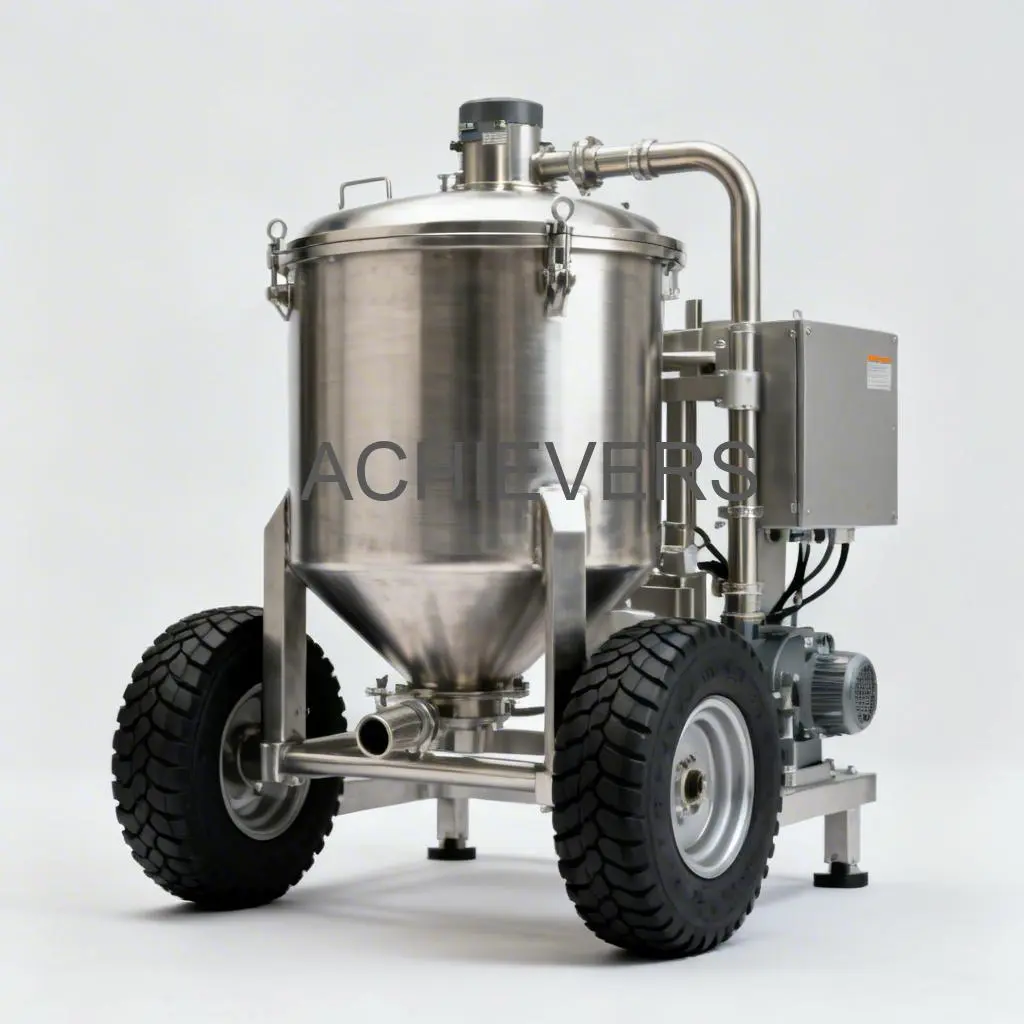
At its core, a Liquid Batching System is an engineered, integrated skid designed to dispense a predetermined quantity of liquid into a tank, reactor, or container with exceptionally high precision. Rather than relying on operators to manually open and close valves while watching a level gauge, this system automates the entire transfer process based on volumetric or mass flow measurements.
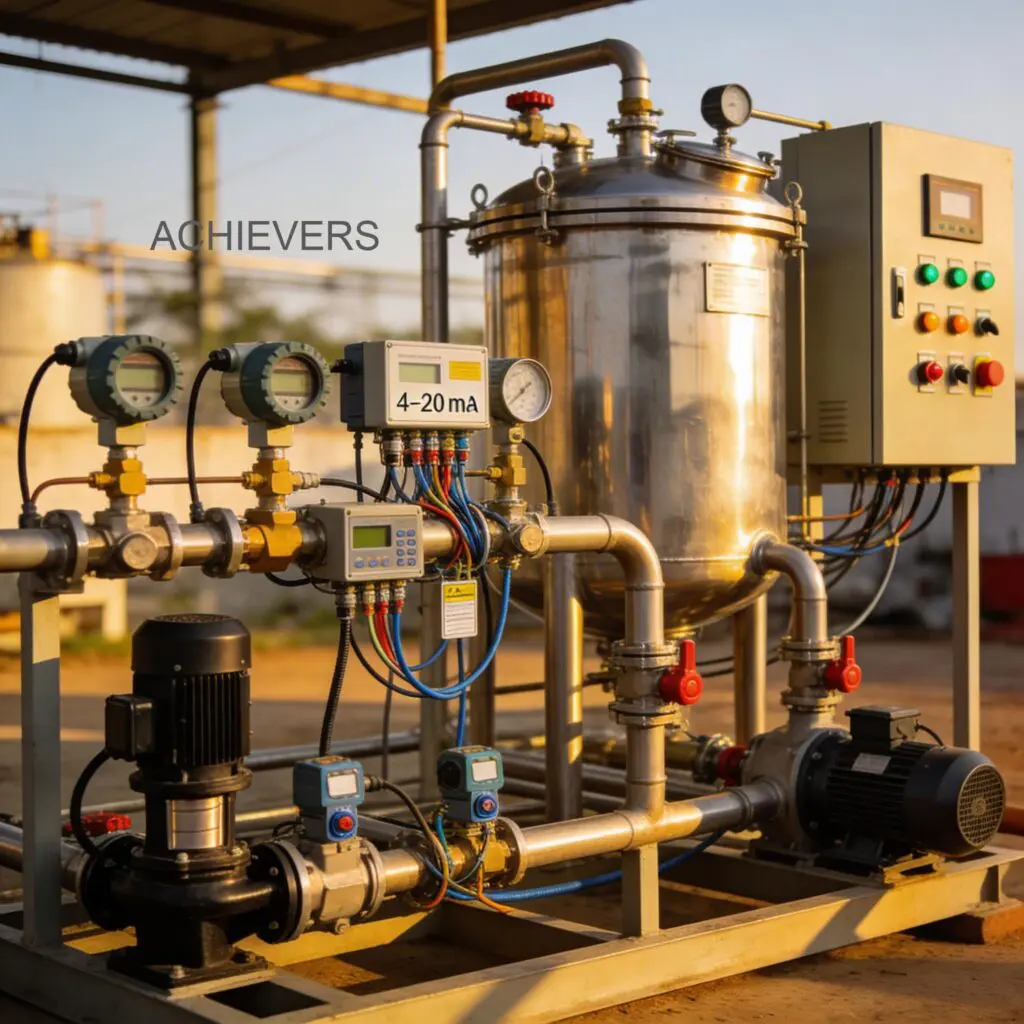
The system is comprised of three primary components: a highly accurate flow meter, an intelligent electronic batch controller, and an automated control valve. Depending on the fluid’s characteristics, the measurement device can be a positive displacement (PD) flow meter (ideal for high-viscosity oils and lubricants), a turbine flow meter (best suited for water and light solvents), or a Coriolis mass flow meter (for applications requiring direct mass measurement).
In operation, the user programs a target volume into the electronic batch controller. Once the cycle starts, the system continuously measures the fluid passing through the pipeline. To prevent the "water hammer" effect and eliminate volumetric overshooting, the system often utilizes a dual-stage automated control valve (typically a solenoid or pneumatically actuated valve). As the dispensed volume approaches the programmed target, the valve partially closes to reduce the flow rate. The moment the exact target is reached, the valve shuts completely, completing the operation without any human intervention.
These systems handle varying flow ranges and line pressures, and are constructed using rugged wetted materials like Stainless Steel (SS 304/316) or Carbon Steel to withstand heavy industrial wear. Power options generally include standard 230V AC or 24V DC configurations, making them highly adaptable to different factory environments.
2. Integrating a Liquid Batching System with PLC/SCADA: Signals, Interlocks, and Batch Reports
Modern Indian factories demand seamless, real-time data exchange between field instruments and centralized control rooms. Effective liquid batching system PLC SCADA integration is what transforms a standalone dispensing unit into a fully traceable, error-free automated asset. Understanding how to properly network these systems is critical for engineers looking to optimize plant automation.
When connecting a Liquid Batching System to a plant's main controller, the choice of signal transmission dictates the level of control you achieve. Simple or legacy installations might rely on basic digital pulse outputs from the flow meter to the PLC. In this setup, the PLC counts the pulses to calculate the volume. Alternatively, a 4–20 mA analog signal can be utilized to transmit the real-time flow rate. However, for comprehensive data transfer and modern Industry 4.0 compliance, deploying a Modbus RTU TCP liquid batching skid is often the preferred choice. Utilizing Modbus or Ethernet protocols allows the plant's SCADA system to read and write vast amounts of data over a single communication cable. Through Modbus, the SCADA can remotely assign batch setpoints, monitor live flow rates, read totalized volumes, and instantly detect diagnostic fault codes.
Safety and accuracy rely heavily on the automation logic programmed into the system. Robust liquid batching system interlocks permissives and alarms are vital for preventing overfill, shortfill, and hazardous environmental spills. Before any batch can commence, the PLC must check a series of permissive signals. For example: Is the receiving tank's level below the high-level switch? Is the pump health satisfactory, with no VFD trip alarms? Is the grounding/earth relay engaged (crucial for flammable fuels)? Once the batch is running, interlocks continuously monitor the process. If a fault occurs—such as a loss of valve position feedback, a dry-run detection at the pump, or an operator pressing a hardwired Emergency Stop (E-stop)—the interlocks immediately halt the pump and force the control valves into their fail-safe closed position.
Furthermore, integrating the system into plant automation enables advanced batch report and recipe control in liquid batching system operations. In multi-fluid facilities, the SCADA can push specific recipes to the batch skid, automatically adjusting targets based on the product being manufactured. Upon completion, every batch generates an audit-ready log containing specific data fields: unique batch ID, operator ID, target volume, actual dispensed volume, variance percentage, start/stop timestamps, fluid temperature, and any alarms triggered during the run. This level of traceability is indispensable for managing expensive fuels, high-viscosity lubes, and specialty process chemicals. It ensures strict adherence to production recipes, reduces manual data entry errors, and greatly simplifies compliance during internal inventory audits or regulatory inspections.
3. Selection and Configuration Guide
Selecting the right Liquid Batching System requires a thorough understanding of your specific process conditions, site environment, and overall automation goals. Industrial buyers must carefully evaluate their application to ensure the chosen skid delivers the required accuracy, safety, and operational longevity.
When communicating your requirements to liquid batching system manufacturers in India, ensure you provide detailed information across two primary categories to receive an accurately engineered solution.
Fluid Properties and Mechanical Specifications:
- Fluid Type and Viscosity: The exact fluid determines the metering technology. High-viscosity fluids like gear oil or resin require Positive Displacement (PD) meters, while low-viscosity fluids like treated water or light solvents are better suited for Turbine meters.
- Flow Rate and Operating Pressure: Specify the minimum, normal, and maximum expected flow rates (in LPM or m³/hr) as well as the system operating pressure. This ensures the manufacturer correctly sizes the piping, meter, and control valves to prevent excessive pressure drops.
- Material Compatibility: Depending on the fluid's chemical aggressiveness or corrosiveness, you must select the appropriate wetted materials. Standard options include Carbon Steel for non-corrosive fuels, and Stainless Steel (304 or 316L) for chemicals, food-grade products, or corrosive solvents.
- Hazardous Area Classification: If you are dispensing flammable fuels, solvents, or working in a dusty environment, specify the required zone classification. The system must be equipped with flameproof (FLP) enclosures or intrinsically safe electronics approved for explosive atmospheres.
Control, Power, and Automation Needs:
- Local vs. Remote Control: Determine if your operators will initiate and monitor batches via a local push-button panel installed directly on the skid, or if the system will function as a remote-operated node controlled entirely via the central SCADA room.
- Communication Protocols: Clearly specify your plant's existing PLC architecture. Let the supplier know if you require basic pulse/4-20mA outputs, or advanced digital connectivity like Modbus RTU, Modbus TCP/IP, or Ethernet/IP.
- Valve Actuation Method: Decide between pneumatically actuated valves (which require a reliable source of clean compressed air on-site) or electrically actuated solenoid valves.
- Power Supply Stability: Confirm the site power availability. Given the power fluctuations common in some industrial zones, specify whether you need a 230V AC setup or a 24V DC configuration, and whether you will back up the instrument panels with a UPS to prevent data loss during power dips mid-batch.
4. Typical Applications
A Liquid Batching System is a highly versatile piece of engineering, serving as a critical operational control point across a wide variety of demanding industrial sectors in India.
Fuel Management and Standby Power:
The system is used extensively in commercial logistics hubs, mining sites, hospitals, and large-scale IT data centers to accurately batch diesel into generator day tanks or directly into fleet vehicles. By automating fuel transfers, facilities prevent unauthorized pilferage, eliminate manual dipping errors, and ensure accurate internal billing and inventory reconciliation.
Chemical and Process Manufacturing:
In chemical synthesis plants and paint manufacturing facilities, exact ratios of specialty fluids, resins, and hazardous solvents must be dosed into large reactor vessels. The automated batching system guarantees recipe accuracy down to the decimal point, which is absolutely essential for maintaining product consistency, preventing spoiled batches, and ensuring operator safety around toxic chemicals.
Lubricant Packaging and Blending:
Lube oil manufacturing relies heavily on batching systems to rapidly and accurately fill standard 210-liter drums, Intermediate Bulk Containers (IBCs), or smaller retail packaging. The precision of the dual-stage valve mitigates the risk of costly overfilling, ensuring regulatory compliance with packaging weights while maximizing the yield of expensive base oils and additives.
FMCG and Industrial Water Dosing:
In large-scale fast-moving consumer goods manufacturing, precise volumes of treated water, liquid detergents, or process syrups must be batched into mixing tanks. A hygienic, stainless-steel batching setup ensures highly repeatable volumes, which is mandatory for maintaining the correct chemical dilution ratios or flavor profiles.
5. Service, Installation, and Support
The long-term reliability and accuracy of any industrial flow automation system rely just as heavily on professional installation and dedicated after-sales support as they do on the initial manufacturing quality. Deploying a Liquid Batching System in Indian factories often involves navigating harsh environmental conditions, heavy vibrations, fluctuating power grids, and dusty atmospheres.
During the mechanical installation, following strict engineering best practices is critical. This includes ensuring perfectly aligned piping to eliminate mechanical strain on the flow meter body, as well as installing appropriate upstream strainers and air eliminators. Strainers protect the meter's internal moving parts from welding slag and pipeline debris, while air eliminators prevent pockets of trapped air from passing through the meter and artificially inflating the measured volume.
Furthermore, accurate factory calibration is non-negotiable. Every system should be verified and certified using standard testing measures (such as master meter proving or gravimetric testing) before dispatch. However, over time and continuous use, mechanical wear and tear can induce minor drifts in measurement accuracy. This is why partnering with a manufacturer that provides end-to-end solutions is vital. From initial site commissioning to comprehensive Annual Maintenance Contracts (AMC), ongoing support ensures your system remains mathematically precise and audit-ready. Having direct access to technical experts and a localized supply of genuine spare parts across India minimizes sudden downtime, ensuring that your batching processes remain efficient, safe, and highly accurate year after year.
Ready to upgrade your fluid handling process with automated precision, eliminate manual errors, and secure your inventory? Contact Chintan Engineers today to configure the ideal automated solution for your facility. Share your specific fluid type, required flow rate, line size, and site automation conditions with our technical engineering team, and we will deliver a robust, accurate, and fully integrated batching system tailored perfectly to your operational needs.
