
















In the demanding environment of modern manufacturing, consistent and accurate lubrication is the lifeblood of heavy machinery. For industrial plants across India, varying ambient temperatures, high operational loads, and complex fluid dynamics make precise fluid handling an engineering necessity. A lack of proper lubrication can lead to catastrophic bearing failures, unexpected downtime, and significant financial losses. To prevent this, engineers rely on robust measurement instruments to monitor and control the delivery of lubricants, ensuring that every gear, bearing, and hydraulic circuit receives the exact volume of oil required.
Reliable Oil Flow Meters are critical components in these fluid management systems. Built for accuracy and long-term value, these instruments provide real-time data on fluid consumption, enabling predictive maintenance and ensuring operational efficiency. Selecting the correct meter and installing it properly is paramount to achieving the accuracy needed for industrial fluid handling.
In This Article
1. What this product does
At their core, Oil Flow Meters operate as high-precision volumetric measuring devices designed specifically to handle viscous fluids. Unlike standard water meters, which struggle with thicker liquids, these meters typically utilize positive displacement (PD) technology—often employing oval gears or rotary vanes. As fluid passes through the measuring chamber, it forces the internal gears to rotate. Each rotation displaces an exact, calibrated volume of fluid, ensuring highly accurate flow measurement regardless of changes in the fluid’s viscosity or pressure.
These devices are engineered for durability in harsh industrial environments. Typical specifications include robust housing materials such as anodized aluminum or stainless steel to withstand high-pressure lubrication circuits. They support varying flow ranges, accommodating everything from low-flow drip lubrication systems to high-volume bulk oil transfers.
Depending on the operational requirement, these meters are available with mechanical registers for straightforward, power-free local readouts, or advanced digital displays equipped with electronic sensors. For automated environments, they offer features like a pulse output or 4-20mA signals for direct integration into plant control systems.
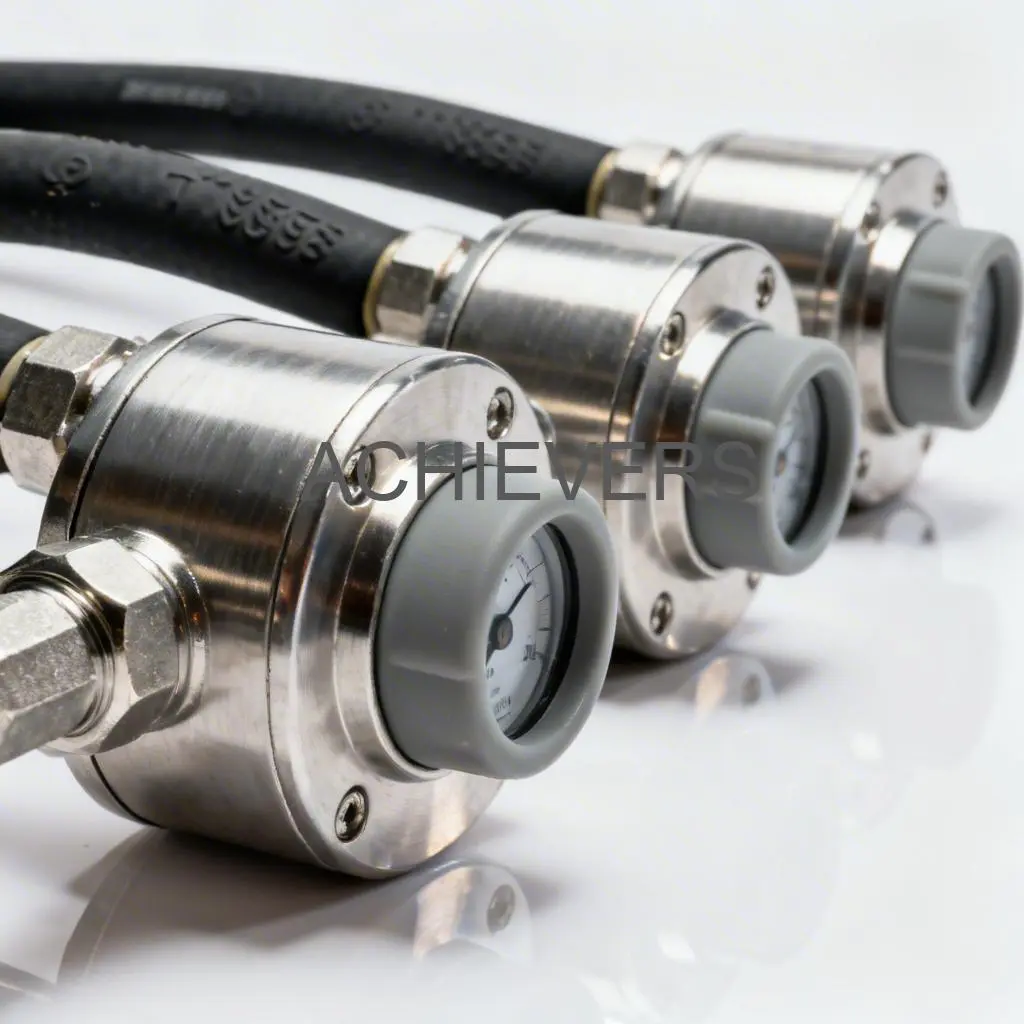
2. Selecting and Installing Oil Flow Meters for Lubrication and Lube Skid Systems
Properly integrating an oil flow meter for lubrication system applications requires matching the meter's mechanical characteristics to the specific demands of the site. In Indian industrial plants, where ambient temperatures can swing drastically between seasons and operational shifts, fluid viscosity fluctuates significantly. Standard velocity-based meters lose accuracy under these conditions, making a positive displacement oil flow meter for lube skid applications the industry standard. Because PD meters measure discrete volumes of fluid, their accuracy actually improves slightly as viscosity increases, effectively sealing the clearances between the gears and the chamber wall.
When designing a system, selecting Oil Flow Meters requires careful consideration of pressure drops and contamination levels. Heavy gear oils and hydraulic fluids pumped at high pressures demand meters with robust internal components and reinforced casings to prevent housing distortion. Furthermore, industrial oil circuits frequently carry microscopic metal shavings or degraded oil sludge. A meter must be selected with appropriate clearances, but more importantly, the system must be designed to protect the instrument.
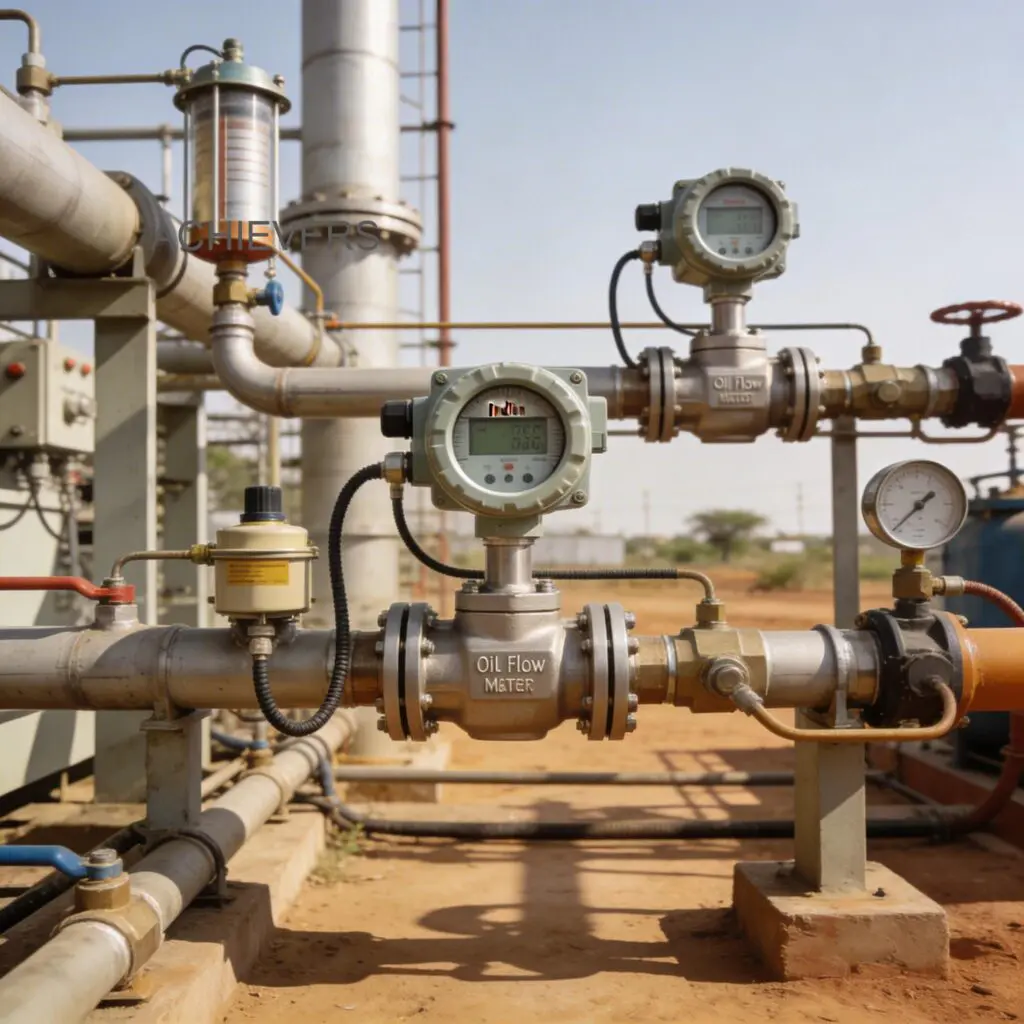
Following strict oil flow meter installation guidelines is critical to reducing measurement errors and improving long-term reliability. Engineers must adhere to the following best practices during deployment:
- Filtration and Strainers: Positive displacement meters have tight internal tolerances. To prevent gears from jamming, it is mandatory to install a Y-strainer or a dedicated inline filter immediately upstream of the meter. For most lube systems, a mesh size appropriate for the specific oil grade (typically 100 to 200 microns) is recommended to catch particulates before they enter the measuring chamber.
- Air Elimination: Aeration and foaming are common in hydraulic and lubrication circuits, particularly when fluid is drawn from a reservoir with low levels. Passing air through the meter will cause the gears to spin rapidly, registering "phantom" flow and leading to inaccurate totals. Installing an air eliminator upstream ensures that only pure liquid is measured.
- Bypass Lines: Lubrication is a continuous requirement. Installing the meter within a three-valve bypass manifold allows maintenance teams to isolate the meter for cleaning, calibration, or repair without shutting down the entire lubrication skid or halting the manufacturing process.
- Orientation and Straight Runs: While PD meters do not strictly require long straight pipe runs like turbine or ultrasonic meters, installing them in a stress-free piping layout prevents mechanical strain on the meter body. Orientation is also crucial; the meter must be installed so that the internal gear shafts remain horizontal. This prevents uneven wear on the bearings and ensures a long operational lifespan.
3. Selection / configuration guide
Choosing the correct capacity, materials, and output configurations is essential for optimizing system performance. Industrial buyers must evaluate the specific needs of their operation before finalizing their specifications. As one of the trusted industrial oil flow meter manufacturers in India, we advise procurement teams and plant managers to assess the following criteria:
Mechanical and Material Configuration:
- Flow Rate and Sizing: Select a meter size where your normal operating flow falls between 20% and 80% of the meter’s maximum capacity. Oversizing leads to poor low-end accuracy, while undersizing creates an excessive pressure drop and accelerates wear.
- Body Material: Aluminum bodies are typically sufficient and cost-effective for standard lubricating oils and diesel. However, if the fluid is highly corrosive, or if the system operates under extreme pressures (such as heavy hydraulic applications), stainless steel bodies are required.
- Viscosity Range: Verify that the meter is rated for the maximum viscosity of your fluid at the lowest expected ambient temperature.
Electronics and Control Integration:
- Display Type: Choose mechanical registers for remote or hazardous locations where power is unavailable. Opt for digital LCDs when precise batching and resettable daily totals are needed.
- System Integration: If you are automating your fluid management, an oil flow meter with pulse output for PLC (Programmable Logic Controller) integration is vital. Ensure you specify the correct pulse resolution (pulses per liter) and signal type (e.g., Reed switch, Hall effect sensor) to match your control panel's inputs.
- Power Requirements: Digital units can be configured as battery-operated for standalone applications or wired for external AC/DC power for continuous panel monitoring.
When reaching out for an enquiry, clearly communicating the fluid type, minimum/maximum flow rates, operating pressure, temperature range, and required outputs will guarantee a perfectly configured metering solution.
4. Typical applications
The versatility and precision of these instruments make them indispensable across various sectors. A highly common application is the deployment of an oil flow meter for hydraulic oil and lubricating oil within large-scale manufacturing facilities. In steel mills, cement plants, and power generation facilities, heavy-duty gearboxes and turbines require uninterrupted, precisely measured lubrication to function safely. Flow meters installed on these lube skids monitor the exact delivery rate, triggering alarms if the flow drops below safe thresholds.
Beyond centralized lubrication, these meters are heavily utilized in fluid dispensing and fleet management. Transport yards, mining sites, and logistics hubs rely on them for high-flow diesel dispensing, ensuring accurate custody transfer and fuel inventory tracking. Additionally, they are used in batching systems where exact quantities of industrial fluids, additives, or synthetic oils must be blended into manufacturing processes, making them a cornerstone of modern industrial fluid handling.
5. Service, installation, and support
Driven by innovation and powered by engineering, Chintan Engineers brings over 15 years of expertise in industrial flow and dispensing systems. We understand that a high-quality product is only as good as its installation and ongoing maintenance. Every meter we supply is backed by accurate calibration—verified and certified to perform consistently under demanding Indian site conditions.
Our commitment extends far beyond the point of sale. We provide end-to-end solutions, from manufacturing and custom engineering to precise installation guidance and Annual Maintenance Contracts (AMC). Proper commissioning is vital; our technical experts ensure that every unit is installed with the correct strainers, bypass valves, and electrical connections. With a focus on transparent communication and enduring support, we ensure our clients face no hidden costs and experience maximum uptime. By maintaining genuine spares and offering nationwide reach, we guarantee that your fluid management operations remain efficient, safe, and continuously productive.
Contact us today to configure your Oil Flow Meters. To help our engineers design the exact solution for your facility, please share your desired flow rates, pipe sizes, target applications, and any specific site conditions. Together, we can build a precise and durable fluid management system tailored to your exact industrial requirements.
