
















Handling corrosive fluids in industrial environments is one of the most persistent challenges for plant engineers in India. Acids, alkalis, and effluents do not just corrode standard metal pumps; they attack seals, degrade casings, and cause catastrophic leaks that lead to downtime and safety hazards. For industries ranging from chemical processing to wastewater treatment, the solution lies in selecting the right material of construction.
PP Pumps (Polypropylene Pumps) have emerged as the standard for transferring corrosive chemicals due to their exceptional resistance to chemical attack and cost-effectiveness. However, reliability depends entirely on correct specification—matching the polymer grade, seal type, and temperature rating to the specific fluid being handled. This guide explores the technical parameters necessary for selecting robust pumping solutions for Indian industrial plants.
In This Article
1. What this product does
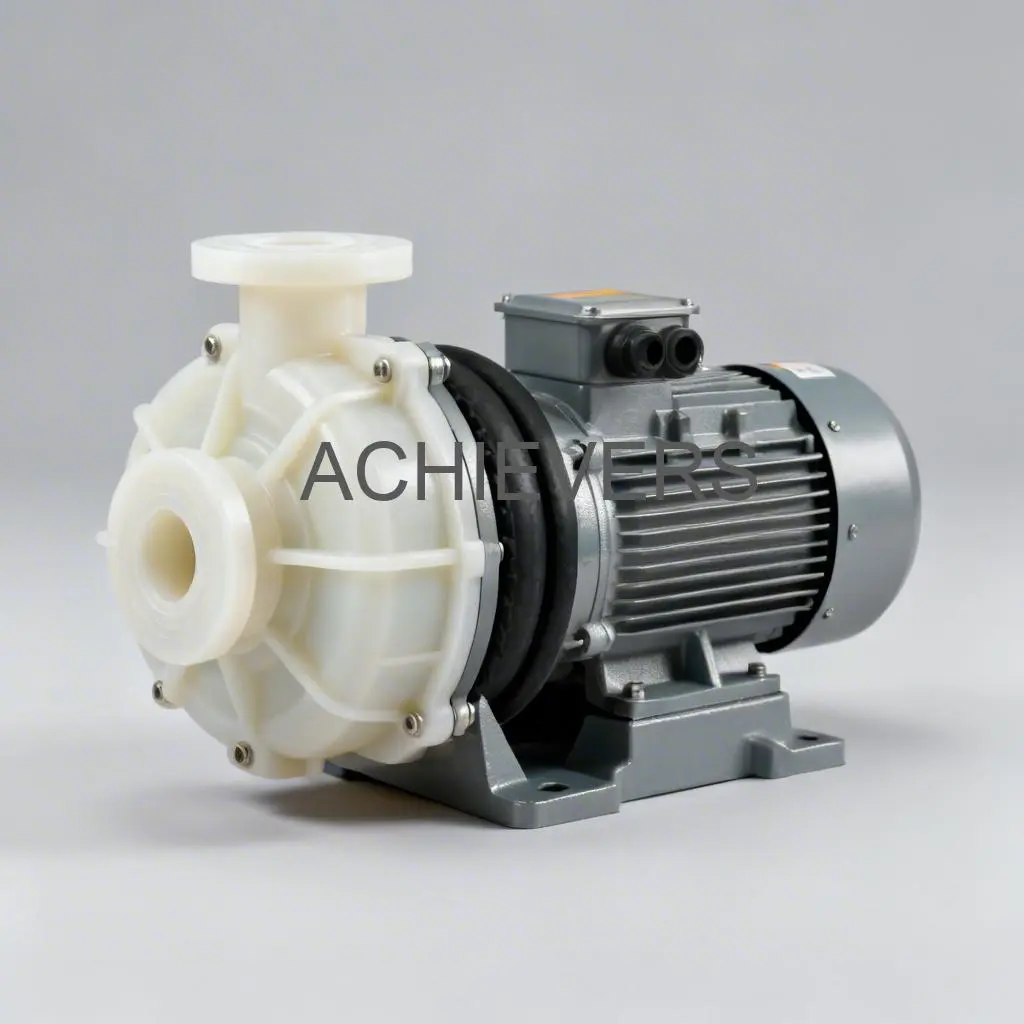
The PP Pumps manufactured by Chintan Engineers are specialized centrifugal process pumps designed specifically to handle corrosive liquids, effluents, and chemicals that would rapidly destroy metallic pumps. Unlike standard cast iron or stainless steel pumps, the wetted parts of these pumps are molded from high-grade engineering polymers, ensuring that the fluid never comes into contact with metal components.
These pumps are engineered to deliver consistent flow rates while maintaining structural integrity under chemical stress. They typically feature a back-pull-out design, allowing for easy maintenance without disturbing the pipework—a crucial feature for minimizing downtime in continuous process lines. The product range covers a spectrum of capacities suitable for transfer, loading, unloading, and circulation duties.
Key technical characteristics typically include:
- Corrosion Resistance: Inert to most acids (HCL, H2SO4), alkalis, and solvents.
- Material Options: Available in molded Polypropylene (PP), Glass Reinforced Polypropylene (GRP), and PVDF for higher temperature applications.
- Construction: Heavy-duty casing with varying impeller designs to handle clear liquids or effluents with minor suspended solids.
- Drive: Coupled with standard electric motors, offering flexibility in power specifications for Indian industrial grids.
2. Material, Seal, and Temperature Selection for Chemical Transfer
Selecting the correct PP pump material compatibility PP vs PVDF vs UHMWPE is the most critical step in preventing premature failure. While "PP Pump" is the generic term, the actual polymer used must be chosen based on the chemical concentration and operating temperature.
Matching Wetted Materials to the Application
For general polypropylene pump for acid transfer, standard PP (Polypropylene) is often sufficient. It offers excellent resistance to hydrochloric acid, phosphoric acid, and various alkalis up to temperatures of approximately 70°C. However, for more demanding environments, engineers must look at advanced variants:
- Glass Reinforced Polypropylene (GRP): Adds mechanical strength to the casing, allowing for higher pressure handling and better dimensional stability under thermal stress.
- UHMWPE (Ultra-High Molecular Weight Polyethylene): If the fluid contains abrasive particles—common in ETP sludge or slurry transfer—UHMWPE is superior due to its extreme wear resistance.
- PVDF (Polyvinylidene Fluoride): For highly aggressive chemicals or elevated temperatures, PVDF is the material of choice.
Temperature Limits and Chemical Handling
One of the most frequent specification errors is ignoring the thermal limit of the plastic. Standard PP softens and loses structural strength as temperatures rise. For applications requiring a PP pump temperature limit 120°C chemical handling, standard PP is inadequate. In these scenarios, the pump must be manufactured from PVDF, which maintains rigidity and chemical inertness up to 120°C. Operating a standard PP pump beyond its thermal limit can lead to casing deformation and seal failure.
Mechanical Seal Selection
The seal is the weakest point in any rotating equipment. PP pump mechanical seal selection for chemicals requires analyzing the fluid's nature:
- Internal vs. External Seals: Internal seals are cooled by the process fluid, while external seals are isolated.
- Seal Faces:
- Carbon vs. Ceramic: Good for clean, non-abrasive acids.
- Silicon Carbide (SiC) vs. SiC: Essential for fluids with suspended solids or abrasives, preventing the seal faces from scoring.
- GFT (Glass Filled Teflon): Often used for secondary sealing elements to ensure chemical compatibility.
3. Selection and Configuration Guide
When procuring PP Pumps, industrial buyers must communicate specific operational data to ensure the pump is configured correctly. A generic request often leads to a mismatch between the pump's capabilities and the site conditions.
Key Selection Criteria:
- Fluid Properties: define the exact chemical name, concentration (%), specific gravity (SG), and temperature. High SG fluids (like concentrated Sulfuric Acid) require higher motor power (HP) to prevent tripping.
- Head and Flow: Calculate the Total Dynamic Head (TDH) accurately, including friction losses in plastic piping, to select the right impeller diameter.
- Solids Content: Presence of sludge or crystals dictates the need for open impellers and hard-face mechanical seals (SiC/SiC).
- Mounting: Determine if a self-priming configuration is needed (for negative suction) or if a standard flooded suction centrifugal design is sufficient.
Configuration Checklist:
- Motor Selection: TEFC (Totally Enclosed Fan Cooled) or Flame Proof (FLP) motors depending on the hazardous nature of the area.
- Base Frame: Ensure a sturdy, anti-vibration base frame, often coated with epoxy to resist ambient corrosive fumes.
- Flange Standards: Confirm mating flange standards (ANSI vs. DIN) to ensure seamless installation into existing Indian plant piping.
4. Typical Applications
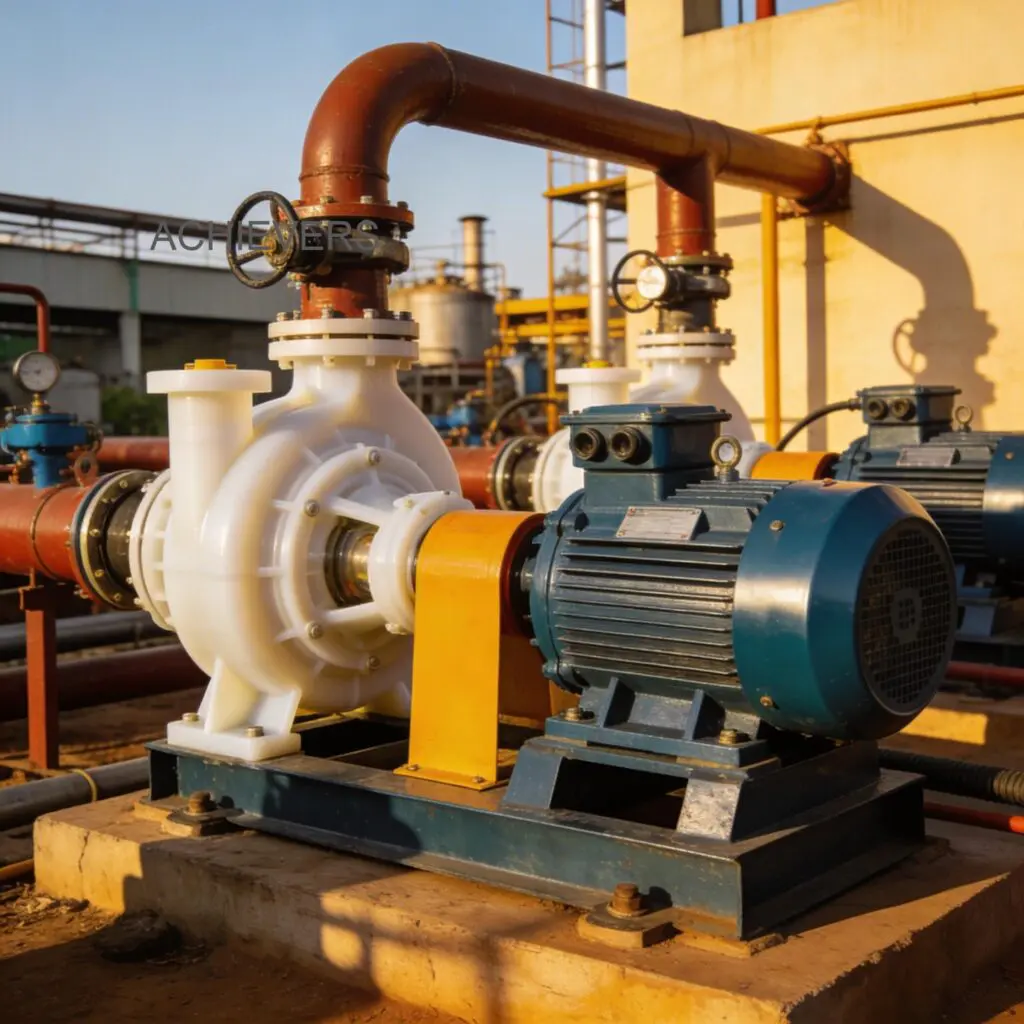
As a leading PP pump manufacturer in India, Chintan Engineers supplies systems for a wide range of critical applications. These pumps are the workhorses of fluid handling in sectors where corrosion is a primary concern.
- Effluent Treatment Plants (ETP): Industrial PP pumps for ETP and electroplating are essential for moving raw acidic effluent, neutralizing agents (like caustic soda), and treated water.
- Electroplating and Surface Treatment: used for circulation of electrolyte baths, pickling acids (HCL/H2SO4), and scrubbing liquors. The high purity of the material ensures no metallic contamination of the plating bath.
- Chemical Process Industries: Transfer of bulk chemicals from storage tanks to day tanks or reactor vessels.
- Steel Pickling Lines: Handling hot acid used to remove scale from steel surfaces.
- Filter Press Feeding: specialized high-head PP pumps are often used to feed slurry into filter presses for dewatering operations.
5. Service, Installation, and Support
Even the highest quality PP Pumps require proper installation to ensure longevity. Misalignment between the pump and motor is a leading cause of vibration, which can crack polymer casings or shatter ceramic seal faces.
- Installation: It is vital to ensure that the suction piping is supported independently so that no stress is transferred to the pump casing.
- Start-up: Never run a PP pump dry. The mechanical seal generates heat instantly without liquid lubrication, leading to failure within seconds.
- Maintenance: Regular inspection of the mechanical seal for leakage and checking the impeller clearance can extend the pump's life significantly.
- Spares Availability: Sourcing from a local Indian manufacturer ensures that critical spares like impellers, casings, and seal kits are readily available, minimizing downtime compared to imported alternatives.
For industrial users, relying on Chintan Engineers means access to verified calibration, robust engineering, and responsive AMC support, ensuring that your chemical transfer operations remain safe and efficient.
Get the Right Configuration
Don't risk chemical leaks or pump failure with an incorrect specification. Reach out to our technical team to configure the ideal pumping solution for your plant.
Contact us with the following details:
- Fluid Name & Concentration
- Operating Temperature
- Required Flow Rate & Head
- Suction Conditions (Flooded or Lift)
