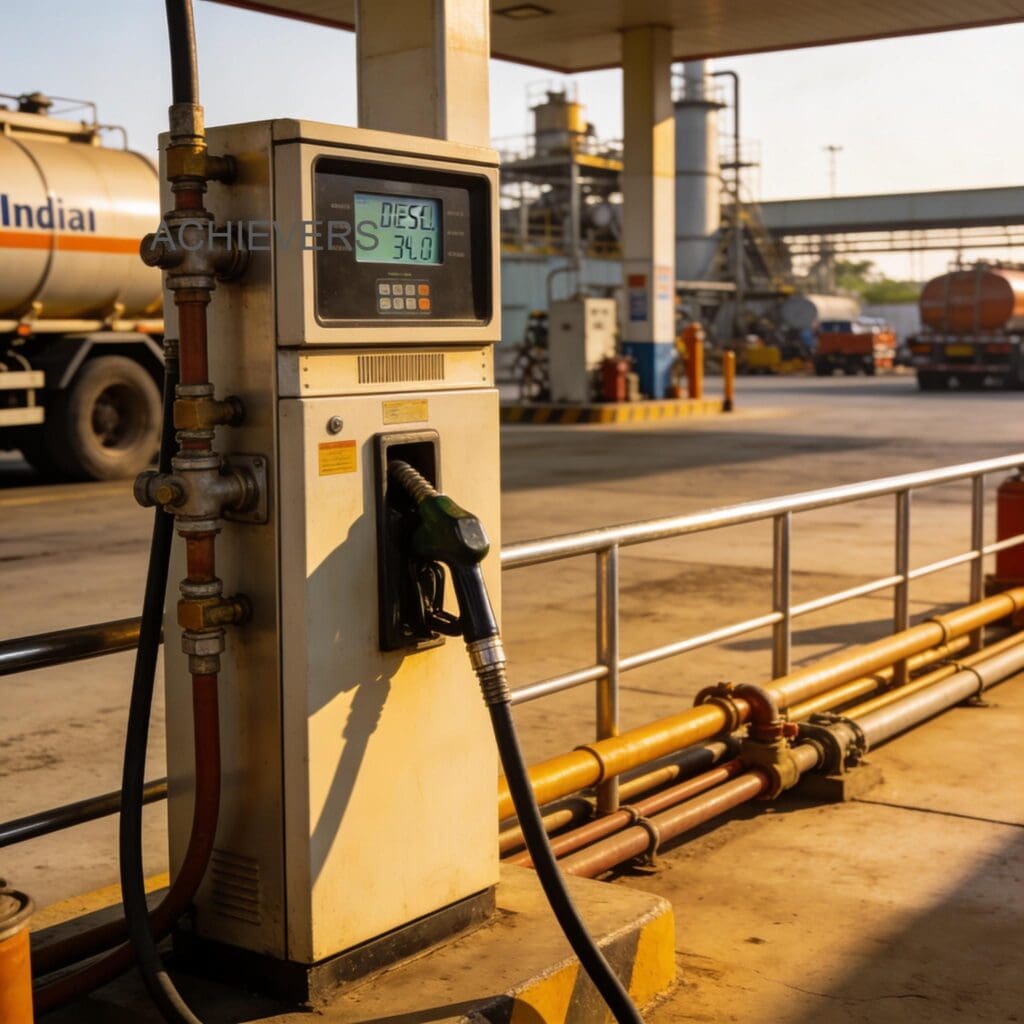
Fuel management is a critical operational component for industries ranging from logistics and construction to manufacturing and mining. In the demanding Indian industrial landscape, where uptime determines profitability, the reliability of your fueling equipment is non-negotiable. Whether you are operating a remote construction site or a bustling transport fleet yard, the efficiency of your fuel transfer system relies heavily on selecting the right equipment specifications.
At the heart of these systems is the Diesel Dispenser. While flow rate and metering accuracy are often the first specifications buyers consider, the power source—Alternating Current (AC) versus Direct Current (DC)—is equally critical. Choosing the wrong power configuration can lead to frequent motor burnouts, slow dispensing speeds, safety hazards, and inflated Total Cost of Ownership (TCO). This guide explores the engineering and operational factors involved in selecting the correct diesel dispenser for your specific site conditions.
1. What This Product Does
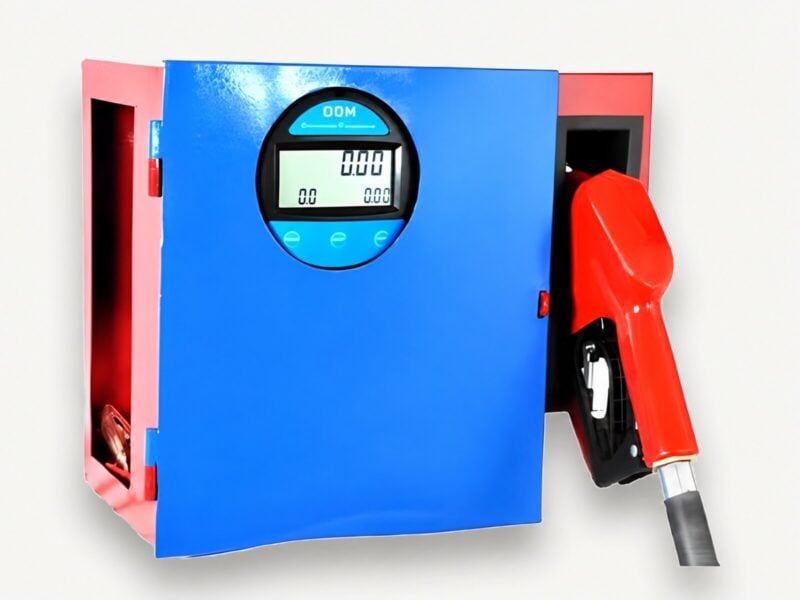
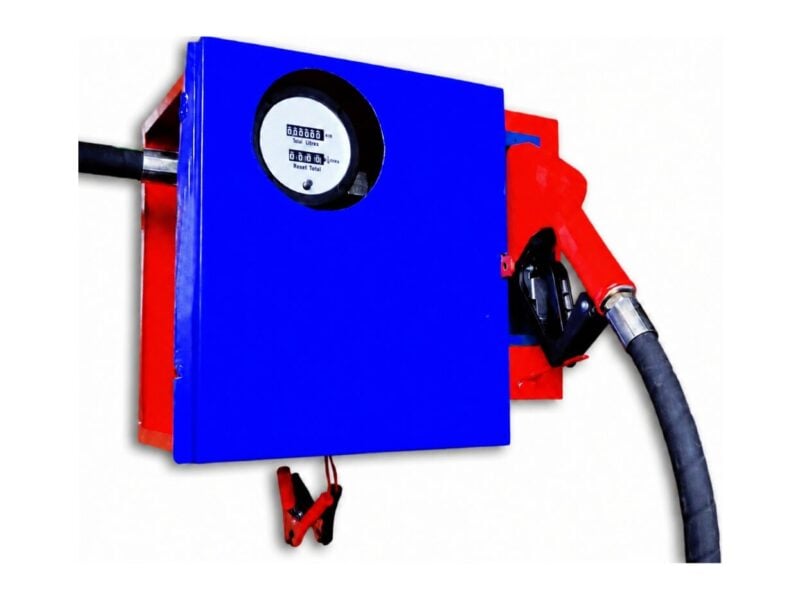
A Diesel Dispenser is an integrated fluid handling solution designed to transfer, measure, and control the dispensing of diesel fuel. Unlike simple standalone pumps, these units are engineered systems that typically combine a high-performance pump, a precision flow meter, a delivery hose, and an automatic shut-off nozzle into a robust housing or mounting frame.
Based on the engineering standards maintained by Chintan Engineers, these dispensers are built to withstand the harsh environmental conditions found across India, from dusty mining sites to humid coastal refineries. The primary function is to facilitate the safe and accurate transfer of diesel from a storage tank (either static or mobile) to a vehicle or equipment tank.
Key Technical Features and Capabilities:
- Integrated Pumping System: The core of the unit is a self-priming vane pump or gear pump designed specifically for diesel viscosity. These pumps generate the necessary suction lift to draw fuel from underground or above-ground tanks.
- Precision Metering: Accurate flow measurement is essential for inventory control. These dispensers utilize positive displacement or turbine flow meters to ensure that every liter dispensed is accounted for, minimizing theft and calibration drift.
- Versatile Power Options: The units are available in various voltage configurations to suit different infrastructure levels, including 12V/24V DC for battery operation and 220V/415V AC for mains power.
- Robust Construction: Casings are typically treated for corrosion resistance, essential for outdoor installation.
- Safety Mechanisms: Features often include thermal overload protection for the motor and bypass valves to prevent pressure buildup when the nozzle is closed but the pump is running.
By combining these elements, a Diesel Dispenser transforms a manual, messy fueling task into a streamlined, accountable process.
2. AC vs. DC Diesel Dispenser Selection Guide
Selecting between a 12V/24V DC unit and a 220V/440V AC unit is not just about what power socket is nearby. It is a strategic decision that impacts the speed of your fleet movement and the longevity of your assets. As one of the leading industrial diesel dispenser manufacturers in India, we often see operational failures caused simply by mismatched voltage selection.
Here is a detailed breakdown of how to choose the right power option based on duty cycle, site conditions, and electrical engineering principles.
The Case for 12V/24V DC Diesel Dispensers (Mobile Applications)
Ideal For: Mobile bowsers, service trucks, remote construction sites, and agricultural fields where grid power is unavailable.
The "Mobile Bowser" Scenarios:
If you are operating a 12V 24V DC diesel dispenser for mobile bowser applications, you are likely fueling excavators, generators, or tractors in the field. The power source is usually the vehicle battery of the truck carrying the fuel tank.
Selection Checklist for DC Units:
- Duty Cycle Limitations: DC motors generally heat up faster than AC motors. Most standard DC diesel dispensers have a "duty cycle" (e.g., 30 minutes on, 30 minutes off). If you need to fill ten large trucks back-to-back, a standard DC motor may overheat. Ensure the specified duty cycle matches your peak fueling window.
- Amperage Draw: A 12V motor requires significantly higher amperage to do the same work as a 24V or 220V motor. Ensure your vehicle’s battery and alternator can handle the load without draining to the point where the truck won't start.
- Cabling and Voltage Drop: This is the most common failure point. Diesel dispenser wiring and voltage drop calculation is critical. DC voltage drops rapidly over distance. If the wire from the battery to the pump is too long or too thin (undersized gauge), the pump might only receive 10V instead of 12V. This causes the motor to run slow, overheat, and eventually burn out.
- Rule of Thumb: Keep DC cables as short as possible and use thick gauge wiring (typically 4mm² or 6mm² depending on distance/amps).
The Case for 220V/415V AC Diesel Dispensers (Static Applications)
Ideal For: Fleet yards, transport depots, factory generator filling stations, and permanent captive fuel pumps.
The "Fleet Yard" Scenario:
A 220V single phase diesel dispenser for fleet yard use is the standard for locations with reliable grid power or a dedicated site generator. AC motors are generally more robust, offer continuous or longer duty cycles, and provide consistent torque.
Selection Checklist for AC Units:
- Continuous Duty: If your fleet returns at 6:00 PM and you need to fuel 50 trucks continuously, an AC dispenser is superior. AC induction motors are better suited for long operational hours without thermal tripping.
- Voltage Stability: In many Indian industrial zones, voltage fluctuation is common. While AC motors are robust, they still require protection. We recommend installing a stabilizer or ensuring the panel has phase protection (for 415V) to prevent single-phasing damage.
- Safety Compliance: 220V/415V presents a higher shock hazard than 12V. Proper earthing (grounding) is mandatory. The installation must comply with local electrical safety codes for hazardous zones (Zone 1 or Zone 2) depending on the proximity to the fuel vapor.
TCO and Reliability Comparison
| Feature | DC Dispenser (12V/24V) | AC Dispenser (220V/415V) |
| :— | :— | :— |
| Portability | High (Battery operated) | Low (Tethered to grid) |
| Duty Cycle | Intermittent (typically 30 min) | Continuous / Heavy Duty |
| Installation Cost | Low (Simple wiring to battery) | Medium (Requires cabling/panel) |
| Maintenance | Higher (Brush replacement often needed) | Lower (Induction motors are durable) |
| Flow Rate | Typically 40–80 LPM | Can exceed 100+ LPM |
Common Mistakes to Avoid:
- Using DC for High Volume Fixed Sites: To save on cabling costs, some sites use a battery and charger with a DC pump for a fixed tank. This is inefficient; the battery is a weak link, and the DC motor will wear out faster under heavy daily loads.
- Ignoring Voltage Drop on DC: Using standard household wire for a 12V pump installation on a long bowser chassis results in low RPM and motor failure.
- Lack of Filtration: Regardless of AC or DC power, failing to install a water separator or filter before the diesel dispenser leads to meter jamming and pump vane damage.

3. Selection and Configuration Guide
When inquiring about a diesel dispenser, providing specific details ensures you receive a system configured for your exact needs. An AC vs DC diesel dispenser selection guide ultimately comes down to your operational constraints.
Use this configuration checklist when planning your purchase:
1. Determine Flow Rate Requirements:
- Standard Flow (40–60 LPM): Sufficient for Light Commercial Vehicles (LCVs), cars, and small generators.
- High Flow (80–120 LPM): Necessary for heavy trucks, mining dumpers, and large excavators to reduce downtime during fueling stops.
2. Select the Power Source:
- Mobile Bowsers: Choose 12V or 24V DC based on the vehicle’s electrical system. (24V is preferred for better efficiency if available).
- Fixed Depots: Choose 220V (Single Phase) for standard yards or 415V (Three Phase) for heavy-duty, high-flow pumps running continuously.
3. Metering and Controls:
- Mechanical Meter: Simple, robust, and easy to read. Good for harsh environments where electronics might fail.
- Digital Meter: improved accuracy and often allows for calibration adjustments.
- Preset Feature: Do you need the pump to stop automatically after 100 liters? If so, specify a dispenser with a preset controller.
4. Mounting and Accessories:
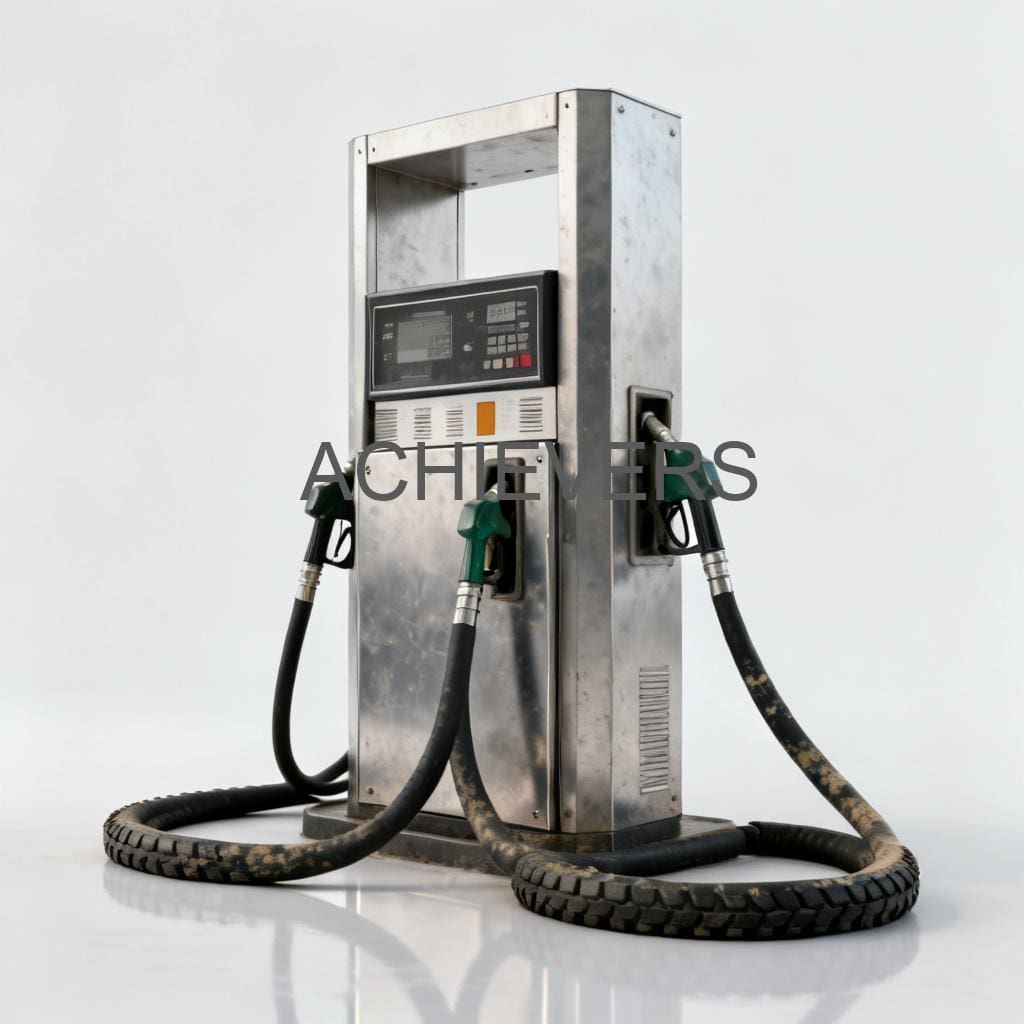
- Wall Mount vs. Pedestal: Wall mount saves space; pedestal (box type) offers better protection and a professional look for fleet yards.
- Hose Length: Standard length is usually 4 meters. If you need 10 meters (e.g., for reaching across equipment), specify this, as it may require a stronger pump or a hose reel.
4. Typical Applications
The versatility of the diesel dispenser allows it to be deployed across various sectors in India. The specific application often dictates the choice between AC and DC power.
- Logistics and Transport: Large transport companies install 220V AC dispensers in their central hubs to manage fuel inventory and prevent theft. The high flow rates reduce the queue time for trucks waiting to refuel.
- Construction and Infrastructure: A diesel dispenser for construction site fueling India typically relies on 12V/24V DC units mounted on mobile tankers (bowsers). These bowsers travel to stationary cranes, piling rigs, and excavators that cannot move to a fuel station.
- Mining and Earthmoving: Mining sites are the ultimate test of durability. Here, high-flow DC pumps (24V) or heavy-duty AC pumps powered by site gensets are used. The equipment is often customized with extra filtration to handle dirty fuel common in remote mining areas.
- Manufacturing Plants: Factories use stationary AC dispensers to fill backup generators (DG sets) and forklifts. Precision metering here is vital to track consumption against power generation.
- Agriculture: Large farms utilize 12V DC pumps mounted on tractors or utility vehicles to refuel harvesters in the field during peak seasons.
5. Service, Installation, and Support
Even the highest quality diesel dispenser requires correct installation and regular maintenance to deliver long-term value. Chintan Engineers emphasizes a "customer-first" approach to support, ensuring that the technology performs reliably in the field.
Installation Best Practices:
- Suction Line integrity: Ensure the suction line is airtight. Air leaks are the number one cause of pump priming issues and inaccurate meter readings.
- Foot Valve: Always install a high-quality foot valve with a mesh strainer at the bottom of the tank suction line to maintain prime and prevent large debris from entering the pump.
- Electrical Safety: For AC installations, ensure a qualified electrician connects the unit with proper grounding. For DC installations, ensure battery terminals are clean, tight, and free of corrosion.
Calibration and AMC:
Over time, mechanical wear can affect the accuracy of the flow meter. Regular calibration checks using a standard volumetric measure (e.g., a certified 20-liter measure) are recommended. Many industrial clients opt for an Annual Maintenance Contract (AMC) to ensure filters are changed, vanes are checked, and calibration is verified periodically.
Choosing a supplier that offers end-to-end support—from manufacturing to after-sales service—ensures that replacement parts like vanes, seals, and electronic cards are readily available, minimizing downtime for your operations.
Contact Us for the Right Configuration
Don't leave your fuel management to guesswork. Whether you need a rugged 24V DC unit for a remote bowser or a high-speed 220V AC system for a busy fleet yard, selecting the right specifications is crucial for safety and efficiency.
Reach out to our engineering team today. Please have the following details ready so we can recommend the perfect solution for you:
- Application: (e.g., Mobile Bowser, Fleet Yard, Generator Filling)
- Desired Flow Rate: (Liters Per Minute)
- Power Availability: (12V/24V DC or 220V/415V AC)
- Fluid Type: (Diesel, Kerosene, or other light oils)
Let us help you build a fueling solution that drives your business forward.