
















Efficient fuel management is the backbone of operational success for industries ranging from logistics and construction to manufacturing and mining. In the Indian industrial landscape, where fuel costs constitute a significant portion of operating expenses, the accuracy, reliability, and speed of refueling infrastructure are critical. A poorly configured refueling setup can lead to inventory losses, downtime, and pilferage. Conversely, a robustly engineered dispensing system ensures that every drop of fuel is accounted for, maximizing fleet uptime and audit compliance.
For facility managers and fleet operators, selecting the right equipment goes beyond simply buying a pump. It requires a strategic approach to configuring a Fuel Dispenser that aligns with specific site conditions, power availability, and consumption volumes. Whether you are managing a captive fleet of trucks, refueling heavy earthmoving equipment at a remote construction site, or maintaining diesel generators (DG sets) in a factory, the dispenser serves as the critical interface between your fuel storage and your machinery.
This article serves as an industrial fuel dispenser setup guide, detailing how to evaluate technical specifications and configuration options to build a system that delivers long-term value. We will explore the nuances of flow rates, automation features, and the importance of choosing established fuel dispenser manufacturers in India like Chintan Engineers to support your operations.
In This Article
1. What the Fuel Dispenser System Does
At its core, the Fuel Dispenser is an integrated system designed to transfer liquid fuel—primarily diesel and petrol—from a storage tank to a receiving vehicle or equipment tank while simultaneously measuring the volume with high precision. Unlike simple transfer pumps, these dispensers are engineered for accountability and safety, incorporating filtration, air elimination, and precise metering mechanisms to ensuring accurate billing or internal record-keeping.
Key Specifications and Features
Based on typical industrial requirements and the engineering standards upheld by Chintan Engineers, these dispensers are built to withstand the rigors of harsh Indian operating environments.
- Flow Measurement: The heart of the system is the flow meter. Industrial dispensers utilize positive displacement or oval gear flow meters that offer high accuracy (typically within ±0.1% to ±0.5%). This ensures that the volume displayed matches the volume delivered, which is essential for inventory reconciliation.
- Pumping Unit: The suction unit is designed to lift fuel from underground or above-ground tanks. Heavy-duty vane pumps or gear pumps are standard, capable of maintaining consistent pressure even during long refueling sessions.
- Filtration Systems: Modern engines, especially Common Rail Direct Injection (CRDI) diesel engines, are sensitive to contaminants. These dispensers come equipped with fine mesh strainers and filters to remove particulate matter and water, protecting the downstream equipment.
- Display and Interface: Options range from mechanical counters (ideal for remote sites with unstable power) to advanced electronic digital displays. Electronic versions often feature non-volatile memory to retain data during power cuts.
- Construction: The outer casing is typically fabricated from powder-coated mild steel or stainless steel to resist corrosion, humidity, and dust common in industrial yards.
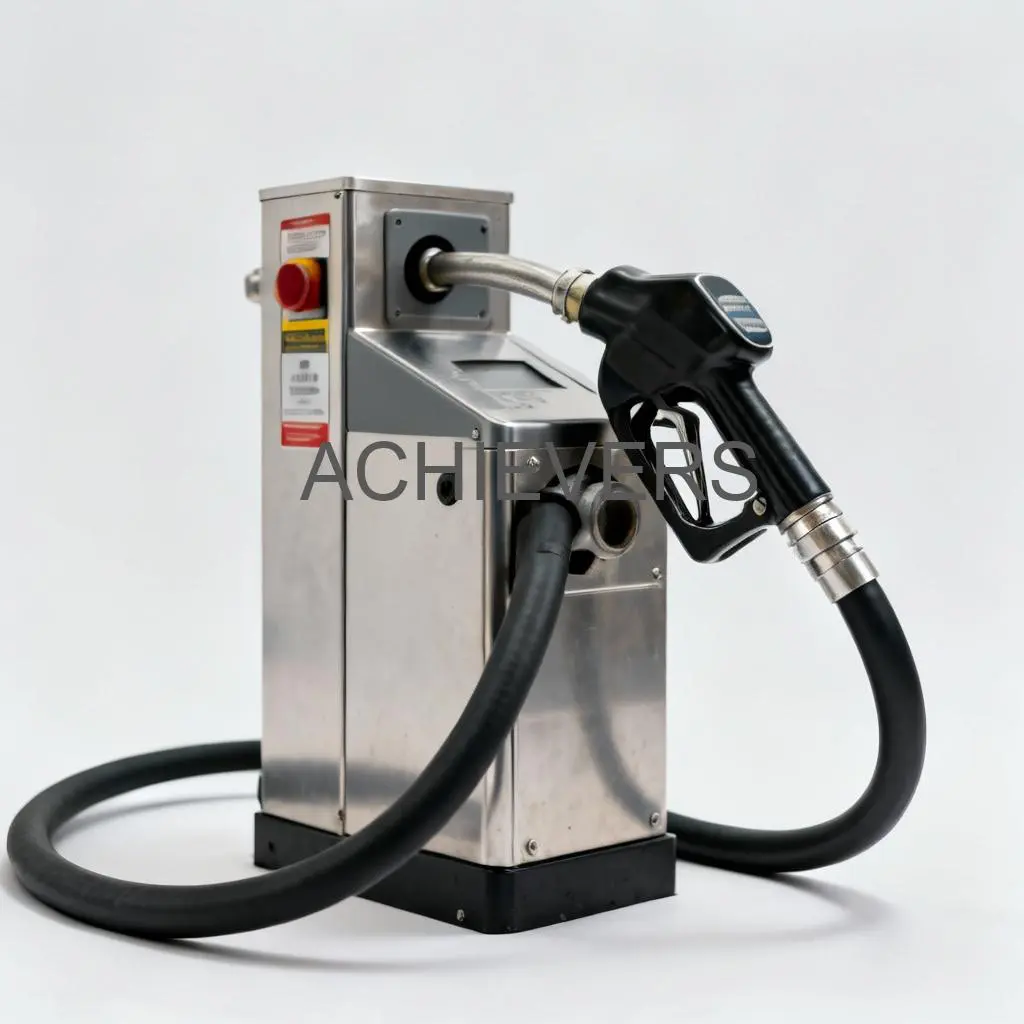
2. Configuring Dispensing Setups for Diverse Industrial Needs
The "one-size-fits-all" approach rarely works in industrial refueling. The requirements for a high-speed highway refueling station differ vastly from those of a mobile bowser serving mining excavators. This section guides buyers on how to configure the Fuel Dispenser based on specific operational parameters such as flow rate, mobility, and control options.
Mobile vs. Stationary Configurations
Stationary Dispensers:
These are the standard for fixed refueling islands in transport depots or manufacturing plants. They are permanently piped to underground or above-ground storage tanks. Stationary units offer the highest stability and can be integrated with fuel management software systems (FMS) for automated data logging.
Mobile Dispensers:
For industries like mining, road construction, and agriculture, the machinery cannot travel to a fuel station. Here, the dispenser is mounted on a mobile fuel bowser or tanker. These units must be vibration-resistant and capable of running on DC power (vehicle battery).
High-Accuracy vs. Heavy-Duty Models
High-Accuracy Dispensers:
When custody transfer or third-party billing is involved, accuracy is non-negotiable. These models use precision-calibrated meters and air eliminators to ensure that air pockets do not register as fuel volume. They are essential for fuel dispensing systems for commercial refueling where trade compliance is mandatory.
Heavy-Duty / High-Flow Models:
Standard dispensers operate at 40–50 Liters Per Minute (LPM). However, a diesel fuel dispenser for fleet operations handling large dump trucks or locomotives may require flow rates of 80 LPM, 120 LPM, or even higher. Configuring a high-flow setup reduces the turnaround time for each vehicle, preventing queues during peak shift changes.
Custom Control Options
Modern industrial setups often demand more than just a start/stop switch.
- Preset Functionality: This allows the operator to key in a specific volume or currency amount. The dispenser automatically stops delivery once the target is reached, preventing spillage and over-dispensing.
- Printer Integration: A diesel dispenser with preset and printer provides an immediate physical receipt of the transaction. This is invaluable for contractor billing and manual logbook verification, adding an extra layer of transparency to the transaction.
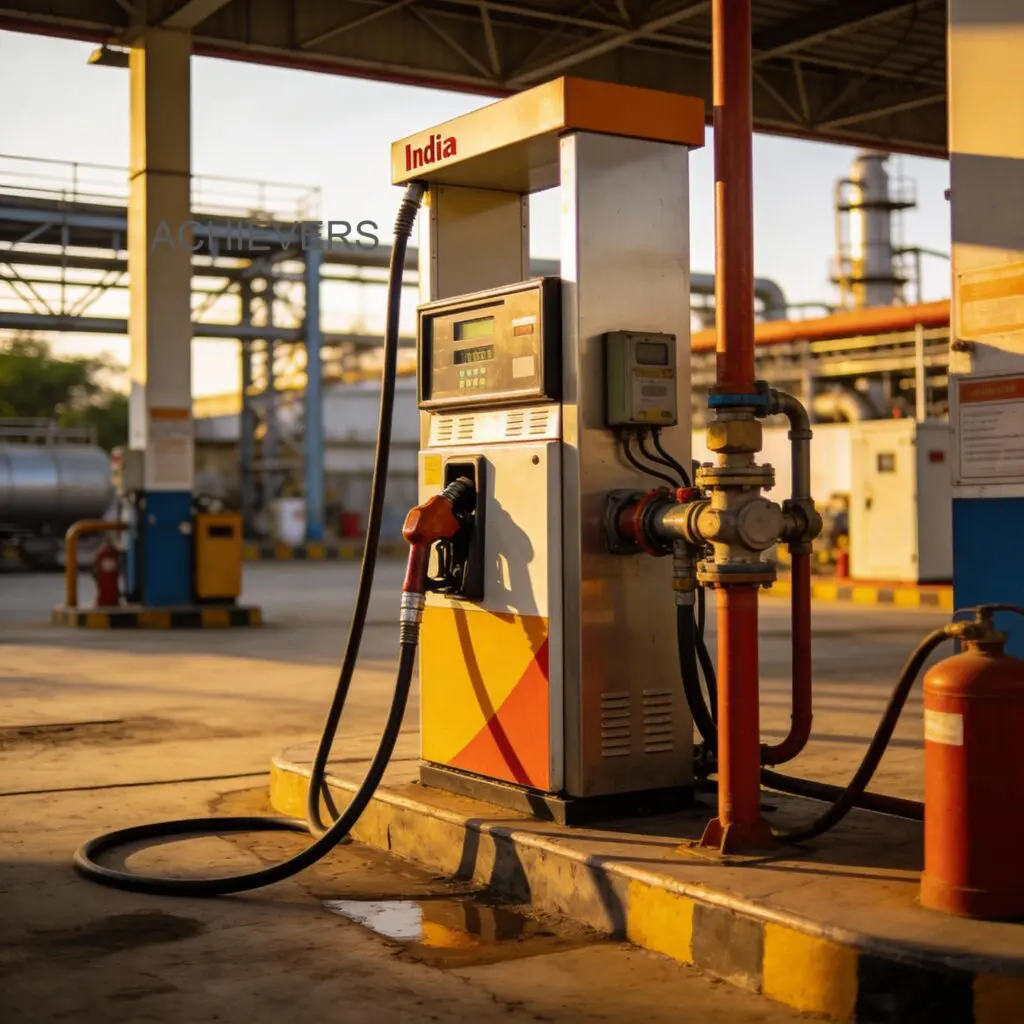
3. Selection and Configuration Guide
When selecting fuel dispensers for industrial sites, buyers must clearly define their operational constraints. A mismatch between the dispenser configuration and the site reality can lead to pump cavitation, frequent breakdowns, or slow refueling.
Use the following criteria to guide your configuration process:
1. Determine the Required Flow Rate
The flow rate dictates the speed of refueling.
- Standard Speed (40-50 LPM): Suitable for cars, light commercial vehicles (LCVs), and small generators.
- High Speed (70-90 LPM): Ideal for buses and standard trucks.
- Ultra-High Speed (120+ LPM): Necessary for heavy mining equipment, trains, and large storage tank transfers.
- Note: Ensure your upstream piping and tank vents are sized correctly to support high-flow suction.
2. Choose the Power Source
Your site’s power availability will dictate the motor type.
- AC Power (230V / 415V): For fixed installations where grid power or DG power is available. 3-phase motors generally offer better longevity for heavy use.
- DC Power (12V / 24V): Strictly for mobile applications mounted on trucks. These motors are designed for intermittent duty cycles.
3. Select the Metering and Display Type
- Mechanical: Robust, weather-proof, and easy to repair. Best for harsh, remote environments where electronics might fail due to heat or unstable voltage.
- Electronic: Offers higher precision, digital calibration, and integration capabilities. Essential if you plan to connect to a Fuel Management System (FMS) or need a diesel dispenser with preset and printer.
4. Material and Fluid Compatibility
While diesel is the most common fluid, some industries dispense bio-diesel, kerosene, or petrol.
- Ensure seals (Viton/Nitrile) are compatible with the specific fluid to prevent leaks.
- Petrol dispensing requires flame-proof (FLP) motors and electronics to meet safety regulations (PESO/ATEX).
4. Typical Applications
The versatility of the Fuel Dispenser allows it to serve a wide array of sectors across India. Based on the robust engineering provided by manufacturers like Chintan Engineers, typical use cases include:
- Fleet Logistics and Transport:
Private transport companies install captive pumps to refuel their trucks in-house. This secures fuel quality and prevents driver theft on the highway. A diesel fuel dispenser for fleet operations here is often linked to an RFID system for authorized dispensing.
- Manufacturing and Industrial Plants:
Large facilities use dispensers to fill forklifts, yard cranes, and backup generators. The focus here is on safety and preventing spillage on the factory floor.
- Construction and Infrastructure:
Remote sites rely on bowser-mounted dispensers to refuel excavators, pavers, and loaders. These units must endure dust, vibration, and extreme temperatures while maintaining accuracy.
- Mining Operations:
Mines require heavy-duty, high-flow systems capable of filling 1,000-liter tanks in minutes to minimize equipment downtime.
5. Service, Installation, and Support
Even the highest quality Fuel Dispenser requires correct installation and regular maintenance to perform optimally. Working with experienced fuel dispenser manufacturers in India ensures you receive not just hardware, but a complete support ecosystem.
Installation Best Practices
- Suction Lines: Keep suction lines as short and straight as possible to prevent air locks and cavitation.
- Filtration: Always install a pre-filter or Y-strainer on the suction side to protect the internal pumping gears from tank debris.
- Earthing: Proper grounding is mandatory for safety, especially for electronic units and when handling volatile fuels like petrol.
Calibration and AMC
Over time, mechanical wear or electronic drift can affect metering accuracy.
- Calibration: Regular verification using a standard volumetric measure (typically 5L or 10L cans certified by Legal Metrology) is necessary.
- Annual Maintenance Contracts (AMC): Engaging the manufacturer for AMC ensures that critical components like nozzles, hoses, and display PCBs are checked and replaced proactively.
Chintan Engineers emphasizes end-to-end solutions, from the initial engineering design to after-sales support. Their commitment to precise calibration and genuine components ensures that your dispensing infrastructure remains a reliable asset rather than a maintenance liability.
Conclusion
Configuring the right dispensing setup is an investment in efficiency and control. By carefully evaluating flow rates, power options, and automation features, industrial buyers can deploy a system that meets the specific demands of their fleet or facility. Whether you need a rugged mechanical unit for a remote site or a sophisticated electronic diesel dispenser with preset and printer for a busy depot, choosing a trusted partner ensures durability and precision.
Ready to configure your refueling setup?
Contact Chintan Engineers today to discuss your specific requirements. Let our experts help you select the right Fuel Dispenser model, flow rate, and accessories tailored to your site conditions and application needs.
