
















Handling bulk fuel at industrial sites involves significant operational challenges, ranging from inventory management to ensuring strict adherence to safety protocols. For plant managers, fleet operators, and logistics heads across India, the efficiency of a fueling station is determined by the reliability of the equipment installed. A high-quality dispensing system serves as the critical interface between bulk storage and your operational assets, whether they are fleet vehicles, heavy earthmovers, or diesel generators.
However, operational efficiency cannot come at the cost of safety. Handling hydrocarbons like diesel and petrol requires equipment that is robust, precise, and engineered to mitigate risks such as leakages, static discharge, and unauthorized usage. This is where a purpose-built Fuel Dispenser becomes an essential asset for any industrial setup. By integrating precision flow measurement with rugged pumping technology, these systems ensure that every drop of fuel is accounted for while maintaining the highest safety standards required by Indian statutory bodies.
In This Article
1. What This Product Does
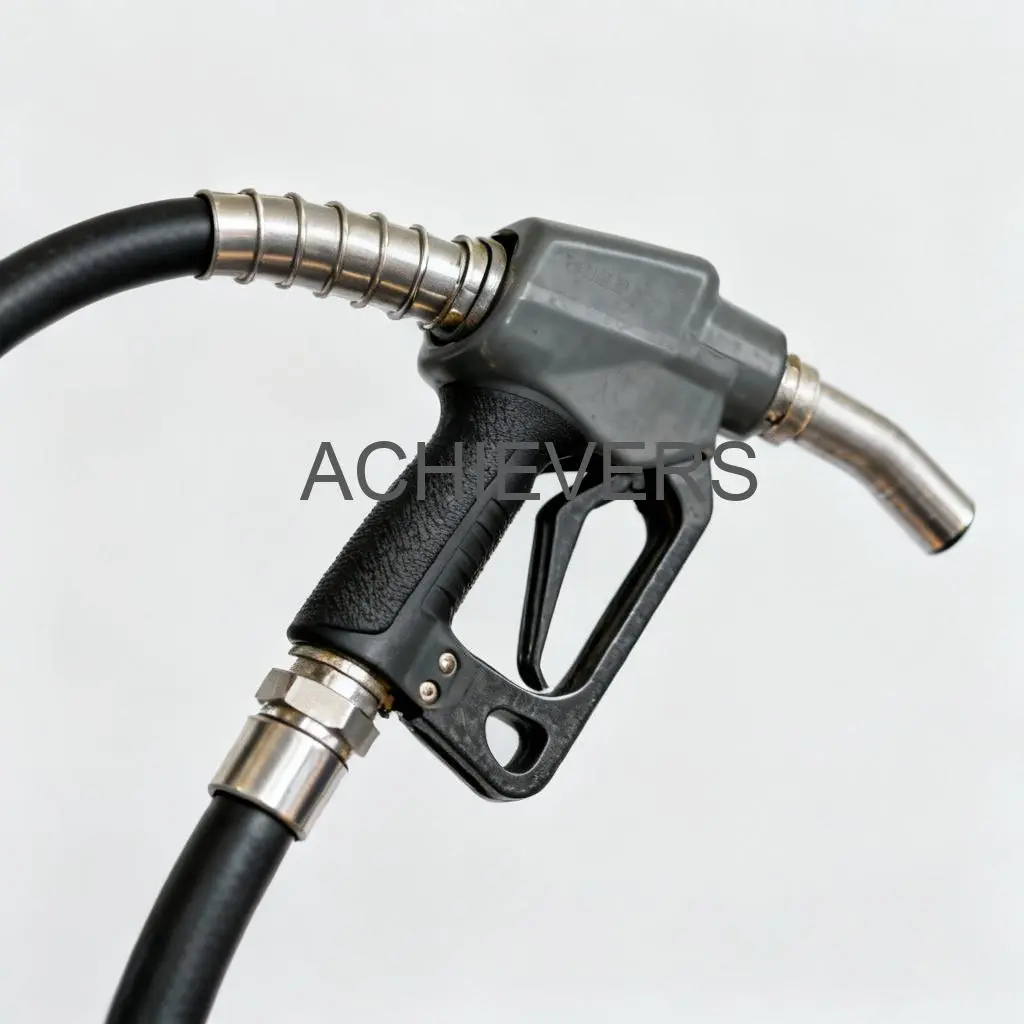
At its core, the Fuel Dispenser offered by Chintan Engineers is an integrated solution designed for the safe, accurate, and efficient transfer of fuels such as diesel and petrol. Unlike generic pumps, this system is a calibrated engineering unit that combines suction, filtration, metering, and dispensing into a single, cohesive housing.
Drawing from over 15 years of expertise in industrial flow and dispensing systems, this product is engineered to perform reliably in the demanding environments typical of Indian industries, including high-temperature manufacturing plants and dusty mining logistics yards.
Key Functional Capabilities:
- Precision Metering: The unit incorporates high-accuracy flow meters that ensure the dispensed volume matches the displayed reading. This is critical for inventory reconciliation and preventing fuel theft or pilferage.
- Robust Pumping: Depending on the specific configuration, the dispenser utilizes heavy-duty pumps capable of maintaining consistent flow rates, ensuring rapid refueling turnover even during peak operation hours.
- Filtration Integration: Industrial fuel often accumulates contaminants during transport and storage. These dispensers are equipped with filtration systems to protect the engines of your expensive machinery from particulate damage.
- User Interface: The system features clear, durable displays (mechanical or electronic) that provide immediate feedback on volume and totalizer readings, facilitating easy batch monitoring.
- Durability: Built with industrial-grade materials, the casing and internal components are resistant to corrosion and wear, ensuring long-term value.
2. Top Safety and Compliance Factors for Installation
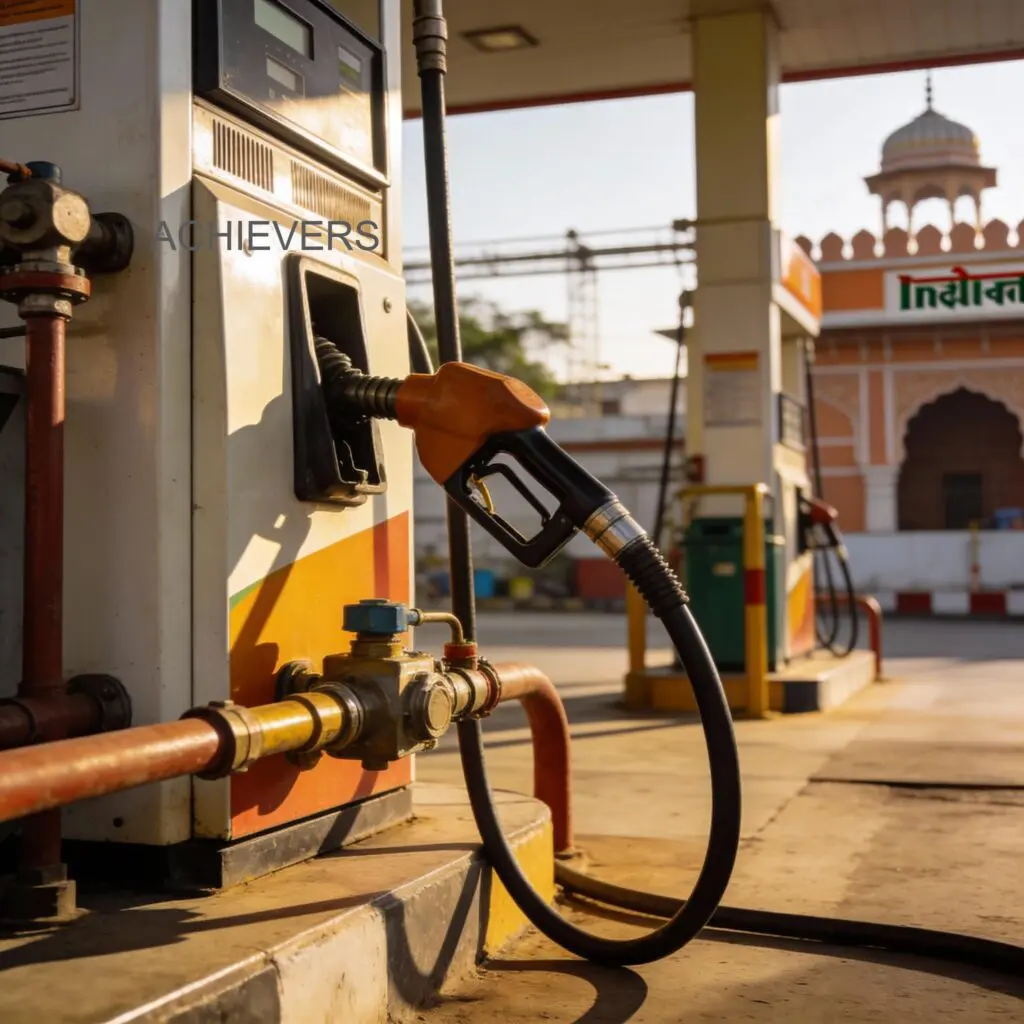
Installing fuel dispensing equipment in an industrial setting is vastly different from setting up a standard retail petrol pump. Industrial sites—such as factories, construction depots, and fleet yards—often have unique spatial constraints and hazardous zones. This section guides industrial buyers on key safety features, statutory compliance, and on-site installation best practices, focusing on how to minimize risks while maximizing operational integrity.
Statutory Compliance and Approvals
In India, the handling of Class B (Diesel) and Class A (Petrol) petroleum products is strictly regulated. When installing a Fuel Dispenser, compliance with the Petroleum and Explosives Safety Organization (PESO) guidelines is often the primary requirement.
- Hazardous Area Classification: The dispenser must be installed in a location that respects the hazardous zone classification (Zone 1 or Zone 2). Electrical components within the dispenser, such as motors and switches, must be flame-proof or explosion-proof to prevent ignition sources in fuel-laden atmospheres.
- Legal Metrology: For accurate inventory tracking, the flow meter within the dispenser must be calibrated and capable of being stamped/certified by the Legal Metrology Department, ensuring the volume dispensed is legally accurate.
Location and Site Layout
Proper site selection is the first step in fuel dispenser installation best practices.
- Ventilation: The dispenser should be located in a well-ventilated area to prevent the accumulation of volatile vapors. In enclosed factory sheds, forced ventilation may be required.
- Traffic Management: In fleet yards, the dispenser should be positioned to allow "drive-through" access to prevent vehicles from reversing near the fuel island, which is a common cause of accidents.
- Bollards and Crash Protection: Physical barriers (bollards) must be installed around the dispenser island to protect the equipment from accidental vehicular impact.
Electrical Safety and Grounding
Static electricity is a silent hazard in industrial fuel handling equipment India.
- Earthing: The dispenser chassis, the motor, and the nozzle assembly must be properly earthed. Continuous earth bonding ensures that static charge generated during the high-speed flow of diesel dissipates safely into the ground.
- Emergency Shut-off: A master Emergency Stop (E-Stop) button must be installed at a safe distance from the dispenser but within easy reach. This allows operators to cut power instantly in case of a hose rupture or fire.
Spill Containment
Even with the best fuel dispenser safety compliance India protocols, spills can happen.
- Concrete Plinth: The dispenser should be mounted on a raised concrete plinth to prevent water ingress and to contain minor drips.
- Oil-Water Separators: Drainage around the fueling area should be routed through an oil-water separator to prevent fuel runoff from contaminating the local soil or water table, aligning with environmental norms.
3. Selection and Configuration Guide
Selecting the right configuration is vital for ensuring the dispenser meets your specific site requirements. A diesel dispenser for industrial use typically requires different specifications compared to a retail unit. Here is a guide on how to configure your system effectively.
Flow Rate Requirements
The choice of pump and meter capacity depends on the type of vehicles or machinery being refueled.
- Standard Flow (40–50 LPM): Ideal for cars, light commercial vehicles (LCVs), and small generators.
- High Flow (70–90 LPM): Recommended for buses, heavy trucks, and large gensets to reduce downtime.
- Ultra-High Flow (100+ LPM): Necessary for mining dump trucks, locomotives, or large marine vessels where tank capacities exceed 500 liters.
Metering Technology
- Mechanical Counters: These are robust, weather-resistant, and ideal for remote sites where power stability might be an issue or simplicity is preferred.
- Electronic Controllers: These offer digital displays, preset capabilities (e.g., "dispense exactly 100 liters"), and can often integrate with fuel management systems (FMS) for automated data logging.
Suction vs. Submersible
- Suction Type: The pump is located inside the dispenser cabinet. This is the most common configuration for above-ground tanks or underground tanks located close to the island.
- Pressure Type (Submersible): The pump is submerged in the fuel tank, pushing fuel to the dispenser. This is used when the dispenser is located far from the tank or when multiple dispensers draw from a single tank.
Checklist for Buyers
When sending an enquiry, ensure you communicate the following details to the manufacturer:
- Fluid Type: Diesel, Petrol, Kerosene, or Bio-diesel.
- Power Supply: 230V AC (single phase), 415V AC (three phase), or 12V/24V DC (for mobile bowsers).
- Mounting: Skid-mounted, wall-mounted, or standalone pedestal.
- Automation Needs: Do you need a printer, preset keypad, or output for PC integration?
4. Typical Applications
The versatility of the Fuel Dispenser makes it a staple across various sectors in the Indian industrial landscape. Based on Chintan Engineers' client portfolio, these units are typically deployed in:
- Logistics and Fleet Management: Transport companies with private yards use these dispensers to refuel trucks in-house. This ensures fuel quality control and prevents the higher costs associated with retail fueling stops.
- Manufacturing Plants: Factories with large Diesel Generator (DG) sets require reliable dispensing systems to transfer fuel from bulk storage to day tanks or directly to the generator during power outages.
- Construction and Infrastructure: Mobile fueling bowsers equipped with DC-powered dispensers allow for the refueling of excavators, cranes, and pavers directly at the job site, minimizing machinery downtime.
- Mining and Energy: In remote mining locations, heavy-duty dispensers are essential for keeping earthmoving equipment operational 24/7.
- Agricultural Cooperatives: Large-scale farming operations use these units to manage fuel for tractors and harvesters during peak seasons.
5. Service, Installation, and Support
Purchasing the hardware is only half the solution; proper installation and lifecycle support are what ensure longevity. This section covers how to install fuel dispensers in factories and the importance of after-sales support.
Installation Best Practices
- Suction Line Sizing: One of the most common installation errors is undersized suction piping. The pipe diameter must be sufficient (usually 1.5 to 2 inches) to prevent cavitation, which damages the pump and reduces accuracy.
- Check Valves: A high-quality foot valve or check valve must be installed in the suction line to maintain prime, ensuring the pump starts dispensing immediately without running dry.
- Calibration: After installation, the system must be calibrated on-site using a standard measure (prover tank) to ensure the meter is reading accurately under actual site conditions.
The Importance of AMC and Spares
Industrial fuel dispensers operate in harsh conditions—dust, heat, and vibration are constant.
- Preventive Maintenance: Regular checks of the strainer, belt tension (for belt-driven pumps), and seal integrity prevent sudden breakdowns.
- Calibration Verification: Periodic re-calibration is necessary as mechanical wear over time can cause slight drift in measurement accuracy.
- Genuine Spares: Using OEM spares for filters, vanes, and seals ensures that the equipment maintains its safety rating and performance characteristics.
At Chintan Engineers, we believe in "End-to-End Solutions." Our commitment extends beyond manufacturing to include technical guidance during installation and comprehensive Annual Maintenance Contracts (AMC). Our team ensures that your dispensing infrastructure remains compliant, accurate, and safe throughout its operational life.
Conclusion
Investing in a high-quality fuel dispenser is an investment in operational security. By choosing a system designed for industrial rigor and installing it with strict adherence to safety and compliance norms, you protect your assets and your bottom line. Whether you are managing a logistics fleet or running a continuous process plant, the right dispensing equipment ensures that your energy supply chain remains uninterrupted and accountable.
To ensure you select the correct configuration for your specific site conditions—be it flow rate, power voltage, or automation level—contact our technical team today. Please have your estimated daily fuel consumption and site layout details ready so we can engineer the most precise solution for your needs.
